

What Serene Escape Prevents Professional Burnout and Restores Clarity?
For over two decades in the wellness travel industry, I've witnessed the silent epidemic of professional burnout. It’s not just a buzzword; it’s a pervasive shadow creeping into the lives of ambitious professionals, silently eroding their passion, productivity, and personal well-being. I've seen countless individuals, once vibrant and driven, reduced to shells of their former selves, desperately searching for a way out of the relentless cycle of exhaustion.
This isn't merely about stress; it's a deeper, more insidious form of mental and emotional depletion that impacts everything from decision-making to relationships. The constant pressure, always-on culture, and blurring lines between work and personal life create a fertile ground for burnout to take root, leaving individuals feeling trapped, uninspired, and fundamentally unclear about their path forward.
But there is a solution, a deliberate intervention that I've seen work wonders: the intentional serene escape. In this definitive guide, I will share expert insights, practical frameworks, and real-world strategies to help you identify which serene escape prevents professional burnout and restores profound clarity, offering not just temporary relief, but a sustainable path to renewed vitality and purpose.
Understanding the Burnout Epidemic: More Than Just Stress
Before we delve into solutions, it's crucial to understand the adversary. Burnout is often confused with simple stress, but the World Health Organization (WHO) officially recognizes it as an occupational phenomenon characterized by three dimensions: feelings of energy depletion or exhaustion; increased mental distance from one's job, or feelings of negativism or cynicism related to one's job; and reduced professional efficacy. It’s a chronic condition, not a temporary state.
In my experience, professionals often ignore the early warning signs, dismissing them as 'just a busy period' or 'part of the job.' However, prolonged exposure to unmanaged stress without adequate recovery leads to this critical breakdown. The demands of modern careers, coupled with constant connectivity, mean our nervous systems are perpetually in 'fight or flight' mode, rarely given the space to reset.
The Silent Costs of Unchecked Professional Pressure
The impact of burnout extends far beyond individual well-being, silently incurring significant costs for both personal lives and careers. From a professional standpoint, it manifests as:
- Diminished Productivity: Creativity wanes, decision-making becomes impaired, and even routine tasks feel monumental.
- Increased Absenteeism and Presenteeism: Employees are either physically absent or mentally checked out, leading to reduced output and quality.
- High Turnover Rates: Burned-out individuals are more likely to seek new opportunities, leading to a loss of institutional knowledge and increased recruitment costs.
- Damaged Relationships: Irritability and emotional detachment spill over into interactions with colleagues and clients.
On a personal level, the costs are even more profound:
- Chronic Health Issues: Sleep disturbances, anxiety, depression, and even cardiovascular problems are commonly linked to long-term burnout.
- Eroded Personal Life: Hobbies are abandoned, social connections suffer, and the ability to enjoy leisure time diminishes.
- Loss of Identity and Purpose: Individuals can feel disconnected from their core values and what once brought them joy.

The Philosophy of Serene Escapes: Intentional Disconnection
A serene escape is far more than just a vacation. It's a deliberate, purpose-driven journey designed to foster intentional disconnection from the stressors of daily life and to cultivate deep reconnection with oneself. In my work with countless clients over the years, I've observed that the most effective escapes are not about simply 'getting away' but about 'getting to' a place of profound rest, reflection, and rejuvenation.
The core philosophy revolves around creating space – mental, emotional, and physical – for healing. This often involves reducing digital noise, immersing oneself in natural environments, and engaging in practices that promote mindfulness and self-awareness. It's an active choice to step away from the demands of work and social obligations to prioritize your intrinsic well-being.
"A true serene escape isn't about running away; it's about running towards a better version of yourself, intentionally disconnecting to reconnect with your core purpose and restore your innate clarity."
This intentional disconnection allows the nervous system to downregulate, moving from sympathetic (fight or flight) to parasympathetic (rest and digest) dominance. This shift is critical for healing, enabling the brain to process information more effectively, improving cognitive function, and fostering a sense of calm that is often elusive in our fast-paced lives.
Deep Dive: Nature Immersion Retreats for Mental Reset
One of the most powerful answers to 'What serene escape prevents professional burnout and restores clarity?' lies in the profound healing power of nature. Nature immersion retreats leverage our innate connection to the natural world, a concept known as biophilia, to facilitate deep rest and mental rejuvenation.
Scientific studies, like those published in journals such as Nature Communications, consistently demonstrate that spending time in green spaces reduces stress hormones, lowers blood pressure, improves mood, and enhances cognitive function. It's a primal reset button for the overstimulated mind.
Forest Bathing and Mountain Sanctuaries
Forest bathing, or Shinrin-yoku, originating in Japan, is not just a walk in the woods; it's a mindful, sensory experience of being present in a forest environment. It involves slowing down, observing, and breathing in the forest air, which is rich in phytoncides – airborne chemicals released by plants that have antibacterial and antifungal qualities, and which are also beneficial to human immune function.
Mountain sanctuaries, on the other hand, offer a different kind of awe-inspiring serenity. The vastness and quietude of mountain landscapes can put daily stressors into perspective, encouraging introspection and a sense of calm. The physical challenge of hiking, combined with the clean air and stunning vistas, creates a powerful antidote to mental fatigue.
Here's how to maximize a nature immersion retreat:
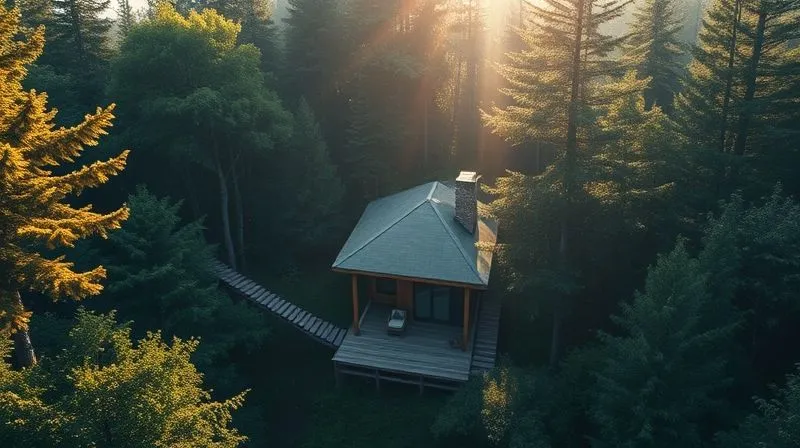
- Choose Your Environment Wisely: Opt for locations known for their pristine natural beauty and minimal human disturbance, whether it's an ancient forest, a remote mountain range, or a secluded coastline.
- Embrace Digital Detox: Commit to disconnecting from all devices. Let go of the urge to document every moment; instead, experience it fully.
- Engage Your Senses: Practice mindful walking, noticing the sounds, smells, textures, and sights of your surroundings without judgment.
- Allow for Unscheduled Time: Resist the urge to over-plan. Leave ample time for spontaneous exploration, quiet contemplation, or simply sitting and being.
- Integrate Movement: Gentle hikes, nature walks, or outdoor yoga can enhance the benefits, connecting you more deeply with the environment.
Mindfulness and Meditation Retreats: Cultivating Inner Clarity
For those whose burnout manifests as mental fog, scattered attention, and emotional reactivity, mindfulness and meditation retreats offer a profound pathway to inner clarity. These structured environments are specifically designed to teach techniques for focusing the mind, observing thoughts and emotions without judgment, and cultivating a deep sense of presence.
In my experience, the discipline of a retreat, removed from daily distractions, allows individuals to truly quiet the mental chatter that often fuels burnout. It’s an opportunity to develop a 'muscle' for attention and emotional regulation that can be brought back into everyday life.
Vipassana, Yoga, and Silent Retreats
Different types of retreats cater to various needs:
- Vipassana Retreats: These typically involve extended periods of silent meditation, often for 10 days or more, focusing on observing sensations and thoughts as they arise and pass. They are rigorous but incredibly effective for deep self-awareness.
- Yoga and Meditation Retreats: These combine physical postures (asana), breathing exercises (pranayama), and meditation practices. They often include workshops on mindfulness, philosophy, and healthy living, offering a balanced approach to mind-body wellness.
- Silent Retreats: Not necessarily tied to a specific spiritual tradition, these retreats emphasize silence as a means to reduce external stimulation and foster introspection. Participants often engage in walking meditation, journaling, and simple living.
Preparing for a silent or meditation retreat is key to its success:
- Set Clear Intentions: What do you hope to gain? Clarity, peace, insight, or simply a break from mental noise?
- Research the Style: Understand the daily schedule, rules of silence, and the specific lineage or teaching style to ensure it aligns with your comfort level and goals.
- Gradually Reduce Stimuli: In the days leading up to the retreat, try to reduce screen time, social engagements, and caffeine intake to ease your transition.
- Pack Mindfully: Bring comfortable, modest clothing, a journal, and any personal items that support your well-being, but avoid distractions.
- Prepare for Discomfort: It's natural for thoughts and emotions to surface. Approach them with curiosity and compassion, understanding they are part of the process.
As emphasized by experts like Jon Kabat-Zinn, the founder of Mindfulness-Based Stress Reduction (MBSR), mindfulness is about paying attention in a particular way: on purpose, in the present moment, and non-judgmentally. Resources like Mindful.org offer excellent insights into these practices.
Holistic Wellness Resorts: A Comprehensive Approach to Rejuvenation
When the question is 'What serene escape prevents professional burnout and restores clarity?' and the burnout is deeply entrenched, a holistic wellness resort can be the most comprehensive answer. These destinations go beyond single-focus retreats, offering a curated blend of therapies, nutritional guidance, movement practices, and expert coaching designed to address the individual on multiple levels – physical, mental, emotional, and spiritual.
My years in the industry have shown me that a multi-faceted approach is often necessary for profound transformation. These resorts often feature state-of-the-art spa facilities, organic farm-to-table cuisine, personalized fitness programs, and a range of complementary therapies from acupuncture to energy healing.
Case Study: How "The Sanctuary" Transformed a CEO's Outlook
Sarah, a driven CEO of a rapidly growing tech startup, found herself crippled by professional burnout. She was constantly exhausted, her decision-making was clouded, and she felt a pervasive sense of dread about work. After months of struggling, she decided to invest in a two-week stay at "The Sanctuary," a renowned holistic wellness resort.
Upon arrival, Sarah underwent a comprehensive assessment that included a nutritional consultation, a fitness evaluation, and a session with a wellness coach. Her days were structured yet flexible: morning yoga and meditation, personalized plant-based meals, therapeutic massages, acupuncture, and daily coaching sessions focused on stress management and boundary setting. She also participated in workshops on mindful eating and digital detox strategies.
By the end of her stay, Sarah reported a dramatic shift. Her chronic fatigue had lifted, her mind felt sharper, and she had a renewed sense of purpose. She had learned practical tools for managing stress and had reconnected with her body's signals. This experience not only prevented further burnout but restored a level of clarity and energy she hadn't felt in years, leading to more sustainable leadership and a healthier work-life integration.
| Retreat Type | Primary Benefit | Key Activities | Ideal For |
|---|---|---|---|
| Nature Immersion | Stress Reduction, Grounding | Hiking, Forest Bathing, Wildlife Observation | Nature Lovers, Digital Detox |
| Mindfulness/Meditation | Inner Peace, Focus | Meditation, Yoga, Silent Practice | Spiritual Growth, Mental Discipline |
| Holistic Wellness Resort | Comprehensive Rejuvenation | Spa Therapies, Nutrition, Fitness, Coaching | Full Body/Mind Reset, Luxury Experience |
Adventure and Experiential Travel: Reawakening the Spirit
Sometimes, the answer to 'What serene escape prevents professional burnout and restores clarity?' isn't passive relaxation, but active engagement. For individuals feeling stagnant, uninspired, or disconnected from their inner drive, adventure and experiential travel can provide the necessary jolt to reawaken the spirit and restore perspective.
These types of trips challenge you physically and mentally, pushing you out of your comfort zone and forcing you to be fully present. The focus shifts from internal rumination to external engagement, fostering a sense of accomplishment, resilience, and renewed zest for life. It’s about finding flow, where your skills match the challenge, leading to deep satisfaction.
From Trekking to Cultural Immersion: Finding Flow
Adventure travel can take many forms:
- Trekking and Hiking Expeditions: Multi-day treks through mountains, deserts, or coastal paths offer physical challenge, stunning scenery, and the meditative rhythm of walking. The simplicity of basic needs can be incredibly clarifying.
- Outdoor Sports Adventures: Surfing camps, rock climbing expeditions, or whitewater rafting trips demand focus and teach new skills, building confidence and providing exhilarating breaks from routine.
- Cultural Immersion and Volunteer Trips: Engaging deeply with a different culture, learning a new language, or contributing to a local community project can offer profound perspective shifts and a renewed sense of purpose.
The key here is the 'experiential' aspect. It's not just about seeing new places, but about *doing* new things and *being* in new ways. As National Geographic often highlights, these journeys are about discovery, both of the world and of oneself.
Such trips can foster:
- Resilience: Overcoming challenges in a new environment builds mental toughness.
- Perspective: Stepping away from your familiar world allows you to see your problems and priorities from a fresh angle.
- Creativity: Novel experiences stimulate new neural pathways and spark innovative thinking.
- Connection: Shared experiences with fellow travelers or local communities can counteract feelings of isolation.
Crafting Your Personalized Serene Escape Plan
The most effective serene escape is one that is tailored to your unique needs and current state of burnout. There's no one-size-fits-all solution. In my extensive work, I've found that a structured approach to planning is crucial to ensure the escape truly prevents professional burnout and restores clarity, rather than just offering a temporary distraction.
A 5-Step Framework for Intentional Retreat Planning
- Self-Assessment: What Do You Truly Need?
Before looking at destinations, look inward. Are you physically exhausted? Mentally drained? Emotionally numb? Do you crave solitude or gentle interaction? Clarity on your primary need will guide your choice. Use the table below for guidance. - Research & Vetting: Finding Your Ideal Match
Once you know your needs, research retreats or destinations that align. Read reviews, look at program specifics, and consider the environment. Is it truly remote, or will there be distractions? - Budget & Time Allocation: Realistic Planning
Serene escapes don't always have to be expensive, but they require a commitment of time and resources. Be realistic about what you can afford and how much time you can genuinely take away from your responsibilities. Even a long weekend with intentional disconnection can be transformative. - Pre-Retreat Preparation: Setting the Stage for Success
Crucially, prepare for your absence. Delegate tasks, set clear out-of-office messages, and complete urgent work beforehand. The goal is to minimize work-related thoughts during your escape. Set an intention for your time away. - Post-Retreat Integration: Sustaining the Benefits
The escape is just the beginning. Plan how you'll integrate the lessons and renewed clarity back into your daily life. This might involve new habits, boundary setting, or continuing mindfulness practices.
| Burnout Symptom | Escape Focus | Potential Destination |
|---|---|---|
| Chronic Fatigue | Rest, Sleep Therapy | Luxury Spa, Nature Retreat |
| Lack of Focus/Clarity | Mindfulness, Digital Detox | Meditation Center, Silent Retreat |
| Cynicism/Detachment | Purpose, Reconnection | Volunteer Trip, Holistic Resort |
| Anxiety/Irritability | Calm, Gentle Movement | Yoga Retreat, Coastal Escape |
Integrating Your Escape: Sustaining Clarity Back Home
The true measure of a successful serene escape isn't just how good you feel during the trip, but how effectively you can integrate that renewed clarity and sense of calm into your daily life back home. Without intentional post-retreat strategies, the benefits can quickly fade, leading you back down the path of professional burnout.
I've observed that many professionals return from a transformative retreat only to be immediately engulfed by their old routines and stressors. The key is to create a bridge between your escape experience and your everyday reality, making small, sustainable changes that reinforce the positive shifts you've made.
Micro-Habits for Macro-Impact
Sustainable change rarely comes from grand, sweeping gestures. Instead, it's built on consistent, small habits. Here's how to integrate your newfound clarity:
- Daily Mindfulness Practice: Dedicate 10-15 minutes each day to meditation or mindful breathing. This anchors you to the present moment, just as you practiced during your escape.
- Nature Micro-Doses: If a full nature immersion isn't possible, seek out daily 'micro-doses' of nature – a walk in a local park, tending to indoor plants, or simply enjoying your morning coffee outdoors.
- Digital Boundaries: Implement strict 'no-screen' times, especially in the mornings and evenings. Designate specific hours for checking emails and social media, and stick to them.
- Prioritize Sleep: Treat sleep as non-negotiable. Establish a consistent bedtime routine and ensure your sleep environment is conducive to rest.
- Mindful Eating: Slow down and truly savor your meals, paying attention to taste, texture, and satiety, much like you might have done at a wellness resort.
- Revisit Your Intentions: Regularly reflect on the clarity and insights gained during your escape. How can you apply them to current challenges?
- Set Realistic Expectations: Understand that setbacks will happen. The goal isn't perfection, but consistent effort in nurturing your well-being.
Remember, the goal is not to eliminate all stress, but to build resilience and develop healthier coping mechanisms. Your serene escape has shown you what's possible; now, it's about making it a sustainable part of your life.

Frequently Asked Questions (FAQ)
Q: How do I convince my employer to grant me time off for a wellness retreat? Frame it as an investment in your productivity and long-term commitment. Highlight how preventing burnout benefits the company through improved focus, reduced errors, and sustained creativity. Propose a clear plan for your absence and return, ensuring minimal disruption. Research suggests that well-rested employees are more effective, which can be a compelling argument.
Q: Are these retreats only for severe burnout, or can they be preventative? Absolutely not just for severe cases! In my experience, proactive, preventative serene escapes are far more effective and less costly than reactive measures after burnout has taken hold. Regular, shorter retreats can maintain mental hygiene and prevent the escalation of stress into full-blown burnout. Think of it as preventative maintenance for your most valuable asset: yourself.
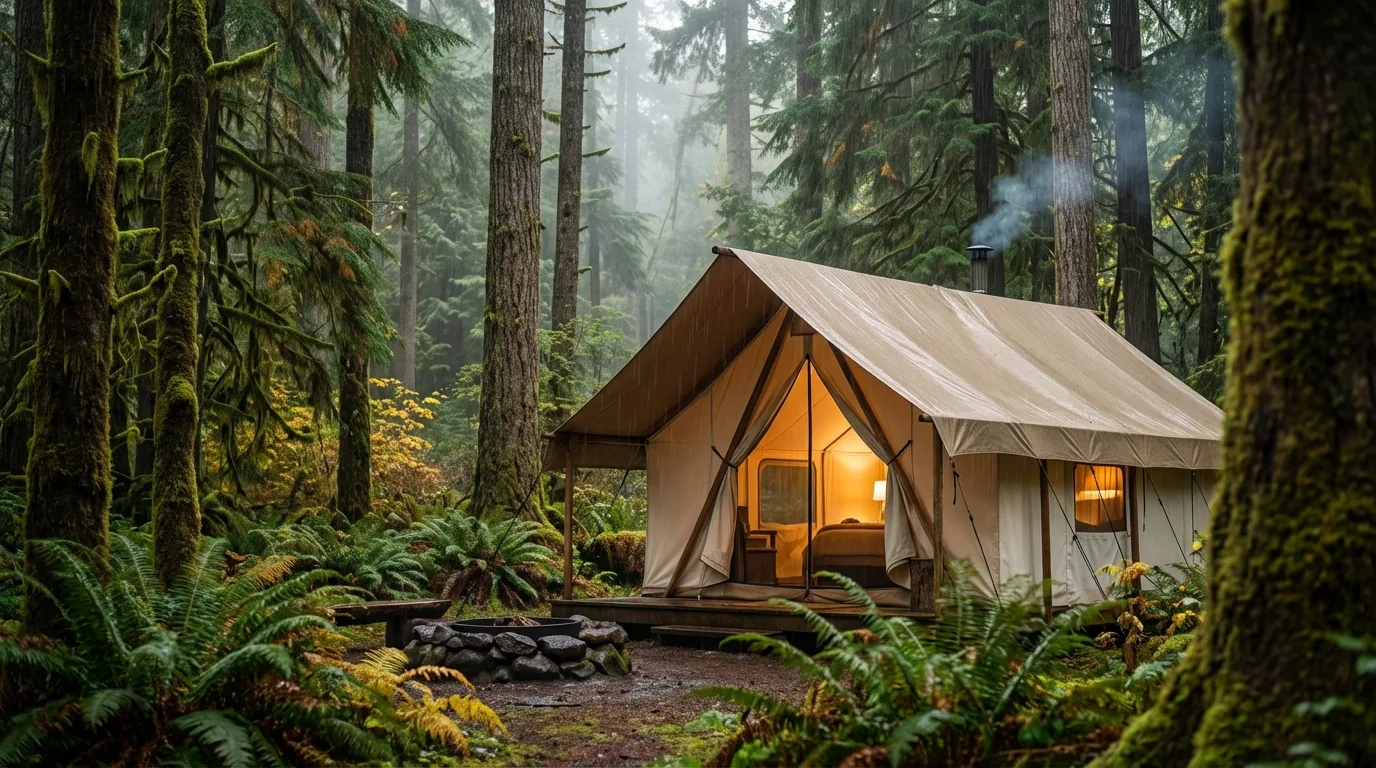
Q: What if I can't afford a luxury wellness retreat? Are there budget-friendly options? Yes, many! A serene escape doesn't have to break the bank. Consider camping or glamping in a national park, a self-guided digital detox weekend in a nearby cabin, or a community-based meditation center that offers donation-based programs. The core elements – disconnection, nature, mindfulness – can be accessed without luxury amenities. Focus on intentionality over expense.
Q: How long should a serene escape typically be to be effective? The ideal duration varies, but even a 3-4 day long weekend can offer significant benefits if approached with intention. For deeper transformation, 7-10 days is often recommended, especially for those experiencing moderate to severe burnout. Holistic programs might extend to 2-3 weeks for comprehensive rejuvenation. Consistency (even short, regular breaks) is often more impactful than a single, long escape.
Q: How do I choose the *right* type of retreat for my specific needs? Start with a honest self-assessment of your primary burnout symptoms and what you truly crave. If you're physically exhausted, prioritize rest and gentle therapies (spa, nature). If your mind is racing, seek silence and mindfulness (meditation, digital detox). If you feel stagnant, embrace adventure or new experiences (trekking, cultural immersion). The framework in this article provides a good starting point for matching your needs to the right escape.
Key Takeaways and Final Thoughts
- Burnout is a serious, multifaceted occupational phenomenon, not just stress. It demands intentional, proactive intervention to prevent long-term damage to your career and well-being.
- Serene escapes are purpose-driven journeys of intentional disconnection. They are designed to foster deep rest, reflection, and reconnection with oneself.
- Nature Immersion, Mindfulness Retreats, Holistic Wellness Resorts, and Adventure Travel each offer unique and powerful pathways to prevent professional burnout and restore clarity, depending on your specific needs.
- A personalized approach to planning is crucial. Conduct a self-assessment, research thoroughly, plan realistically, and prepare for your absence to maximize the benefits.
- Integration is as vital as the escape itself. Develop micro-habits and set boundaries to sustain the clarity and calm you gain long after you've returned home.
As an industry specialist, I can tell you that investing in your well-being through a serene escape is not a luxury; it's a necessity for sustained professional success and personal fulfillment. Don't wait until burnout forces your hand. Take proactive steps to embrace these transformative experiences. Your clarity, your energy, and your future self will thank you for it. The power to reclaim your vitality is within your grasp; you just need to choose your path to serenity.
Recommended Reading
- Master Michelin Dining Globally: 7 Etiquette Rules for Client Success
- Recharge in 48 Hours: How to Maximize a City Break for Complete Mental Reset
- Elevate Client Relations: 5 Unique Craft Beer Tour Ideas That Impress
- Unlock Your Inner Power: The Ultimate Guide to Solo Travel for Confidence
- Unlock the Secrets: Your Ultimate Luxury Yacht Cruise Tipping Etiquette Guide



Your email address will not be published. Required fields are marked *