

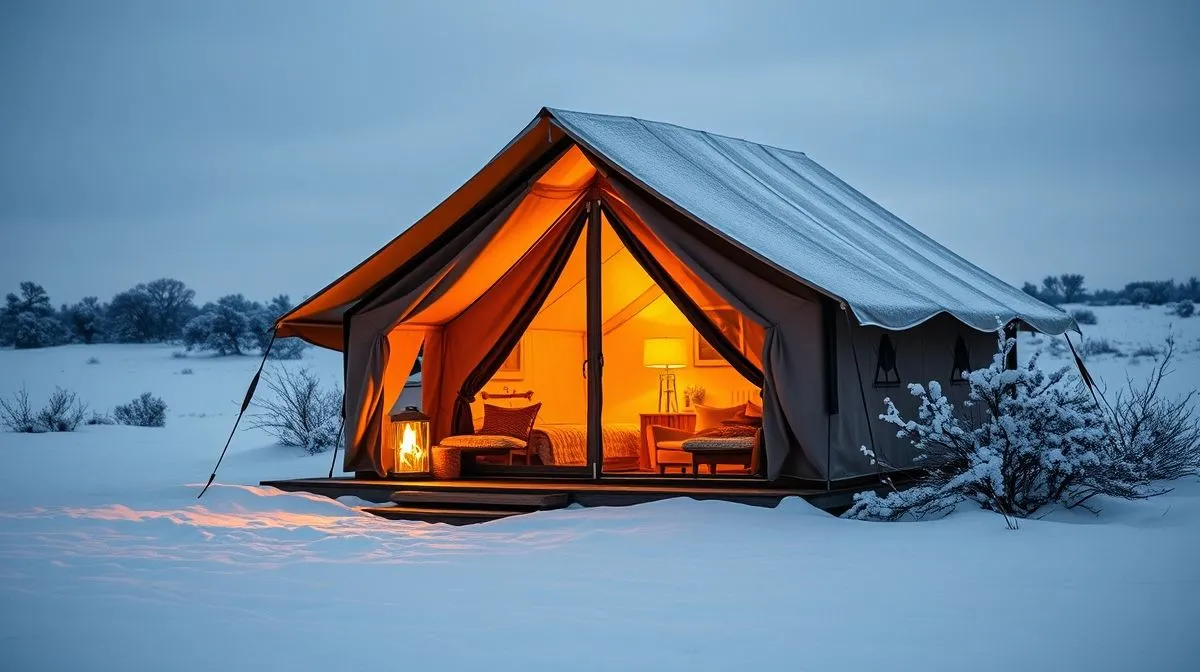
Are Safari Tents Good for Glamping in Cold Weather? Unveiling the Truth
Imagine crisp, silent air, a blanket of fresh snow, and the gentle glow of a wood stove through canvas walls. The dream of winter glamping is enchanting, but a common question often arises: can a safari tent truly offer warmth and comfort when temperatures plummet? Many envision tents as flimsy barriers against the elements, ill-suited for anything beyond a mild autumn breeze.
This skepticism is valid. Traditional camping tents are certainly not designed for sub-zero conditions. However, safari tents, particularly those engineered for year-round use, are a different breed entirely. They promise a blend of rugged outdoor adventure with the comforts of home, but how do they fare against the biting cold?
This comprehensive guide will demystify the capabilities of safari tents in winter. We'll explore their unique design features, effective heating solutions, crucial site preparation, and essential gear to ensure your cold-weather glamping experience is not just bearable, but truly magical. By the end, you'll have a definitive answer to whether safari tents are good for glamping in cold weather and how to make the most of your frosty retreat.
Understanding Safari Tents: More Than Just Canvas
Safari tents, sometimes referred to as luxury canvas lodges, are a far cry from the nylon dome tents you might take backpacking. Their origins lie in the African bush, where they were designed to provide durable, comfortable accommodation for adventurers on extended safaris. This heritage informs their robust construction and spacious interiors.
Modern safari tents have evolved significantly, incorporating advanced materials and design principles. They are built for longevity and to withstand various environmental challenges, including strong winds and heavy rainfall. Their substantial frames and heavy-duty canvas are key differentiators, providing a much more stable and insulated structure than typical camping tents.
The Evolution of Safari Tent Design
Early safari tents were simple canvas structures, often erected for temporary stays. Today, they are often semi-permanent or permanent structures, boasting amenities like en-suite bathrooms, kitchens, and multiple rooms. This evolution has also brought improvements in thermal performance, as manufacturers recognize the demand for year-round usability.
Many contemporary safari tents feature double-wall construction, insulated floors, and even insulated roof systems. These additions are critical in creating a thermal envelope that helps retain heat. The design prioritizes both durability and comfort, making them suitable for a wider range of climates.
Key Components for Cold Weather Readiness
When assessing if a safari tent is good for cold weather, look for specific features. A sturdy frame, typically made of steel or robust timber, is essential for handling snow loads and high winds. The canvas itself should be heavy-duty, often treated for water, mildew, and UV resistance.
Consider tents with integrated floor systems that can be insulated. Elevated platforms are also common, which helps separate the tent from the cold ground. These components work together to form a formidable barrier against the elements, laying the groundwork for a warm interior.
The Science of Warmth: Insulation and Materials
The ability of a safari tent to retain heat in cold weather hinges significantly on its materials and insulation. It's not just about what you put inside the tent; it's about the tent's inherent thermal properties.
Canvas, the primary material for safari tents, possesses natural insulating qualities. Unlike synthetic materials, canvas is breathable yet dense, allowing for some air circulation while still providing a substantial barrier. When combined with modern insulation techniques, its performance is greatly enhanced.
Canvas: A Natural Insulator?
While canvas isn't an R-value superstar like fiberglass insulation, it does offer better thermal resistance than thin nylon or polyester. Its tightly woven fibers trap air, which acts as a mild insulator. Furthermore, its breathability helps manage condensation, a major issue in cold tents.
However, relying solely on single-layer canvas for extreme cold is insufficient. Its true potential for warmth is unlocked when paired with additional layers or specific treatments. The thickness and quality of the canvas also play a significant role in its insulating properties.
The Role of Multi-Layered Walls and Roofs
Many high-end safari tents designed for cold climates feature multi-layered walls and roofs. This often involves an outer canvas layer, an inner liner (sometimes insulated with synthetic batting or reflective foil), and an air gap in between. This creates a highly effective thermal break, similar to the principle behind double-pane windows.
Some manufacturers even incorporate specialized insulation materials within these layers, significantly boosting the tent's R-value. This design prevents heat from escaping through the walls and roof, making it much easier to maintain a comfortable internal temperature. According to a study on building materials, layered structures with air gaps significantly reduce heat transfer. For more information on thermal insulation principles, you can consult Wikipedia's article on Thermal Insulation.
Floor Insulation: Preventing Heat Loss from Below
Heat rises, but heat also escapes through conduction, especially through the ground. A cold, uninsulated floor can be a major source of heat loss in any tent. Safari tents often address this by being erected on elevated wooden platforms.
These platforms can be insulated from beneath, creating a thermal barrier between the cold ground and the tent floor. Adding rugs, carpets, or thermal mats inside the tent further enhances floor insulation, ensuring your feet stay warm and preventing discomfort from the cold ground.
Heating Solutions for a Cozy Winter Glamp
Even the best insulated safari tent will require a heating source to be truly comfortable in cold weather. The choice of heating system is paramount for safety, efficiency, and overall glamping experience.
From rustic wood-burning stoves to convenient electric heaters, each option has its pros and cons. Selecting the right one depends on your specific needs, the availability of resources, and your comfort level with different technologies. Proper ventilation is critical regardless of the heating method chosen.
Embracing the Warmth of Wood-Burning Stoves
Wood-burning stoves are arguably the most popular and effective heating solution for safari tents in cold weather. They provide a radiant, dry heat that permeates the entire space, creating a truly cozy ambiance. The crackling fire also adds to the rustic charm of glamping.
When installing a wood stove, ensure it has a proper flue system that vents safely outside. Use a heat-resistant tent jack and maintain adequate clearance from tent walls and flammable materials. Always have a carbon monoxide detector on hand. For guidelines on safe wood stove operation, refer to resources from reputable organizations like the U.S. Environmental Protection Agency (EPA).
Propane and Electric Heaters: Convenience vs. Capacity
Propane heaters offer convenience and portability. They provide instant heat and are easy to operate. However, they consume fuel quickly and require proper ventilation to prevent oxygen depletion and carbon monoxide buildup. Ensure any propane heater used indoors is rated for indoor use and has an oxygen depletion sensor.
Electric heaters are another convenient option, provided you have access to a reliable power source. They are clean, silent, and can often be controlled with a thermostat. Their effectiveness depends on their wattage and the size of the tent. For very cold conditions or large tents, multiple electric heaters or a combination with another heat source might be necessary.
Ventilation and Carbon Monoxide Safety
Regardless of your heating method, proper ventilation is non-negotiable. Stoves and propane heaters produce carbon monoxide, an odorless, colorless gas that can be fatal. Ensure your tent has adequate vents or windows that can be opened slightly to allow for fresh air exchange.
A battery-operated carbon monoxide detector is an absolute must-have for any tent using an internal combustion heating source. Place it at sleeping level, and check its batteries regularly. Your safety should always be the top priority when heating a tent in cold weather.
Site Selection and Preparation: Mastering the Elements
The location and preparation of your glamping site are as crucial as the tent itself when facing cold weather. Strategic planning can significantly impact your comfort and the tent's ability to retain heat.
Understanding wind patterns, solar exposure, and ground conditions will allow you to optimize your setup. A well-chosen and prepared site can mitigate many of the challenges associated with winter glamping, transforming a potentially chilly experience into a delightful one.
Strategic Placement for Wind Protection
Wind is a major enemy of warmth. It can strip heat from your tent through convection and create uncomfortable drafts. Whenever possible, position your safari tent in a location that offers natural windbreaks, such as dense tree lines, large rock formations, or hillsides.
If natural protection isn't available, consider erecting a temporary wind barrier using tarps or snow walls. Orient the tent so its least exposed side faces the prevailing winds. Minimizing wind exposure is key to maintaining a stable internal temperature and preventing undue stress on the tent structure.
Leveraging Solar Gain During the Day
The winter sun, though weaker, can still provide valuable warmth. Position your tent to maximize solar gain during the day, especially if it has large windows or light-colored canvas. The sun's rays can warm the interior, reducing the need for constant heating.
Consider the sun's path throughout the day when choosing your spot. A south-facing orientation (in the Northern Hemisphere) will generally provide the most prolonged sun exposure. This passive heating can significantly conserve fuel for your primary heat source, particularly during daylight hours.
Ground Preparation: Elevating Your Comfort
The ground beneath your tent can be a significant source of cold. If possible, choose a site that is naturally elevated or level. Clear away any snow, ice, or debris before setting up your tent. A layer of straw or hay beneath your tent's footprint can add an extra layer of insulation.
Many safari tents are designed to be set up on wooden platforms. These platforms not only provide a level surface but also elevate the tent off the cold, damp ground. Insulating the platform itself, as discussed, further enhances its thermal performance, ensuring a warmer base for your glamping experience.
Essential Gear and Accessories for Cold-Weather Glamping
Even with the best safari tent and heating system, your personal gear plays a crucial role in staying warm. The right sleeping system and clothing can make all the difference between a restless, shivering night and a comfortable, restorative sleep.
Think in layers, both for your clothing and your bedding. Investing in quality cold-weather gear is an investment in your comfort and safety. Don't underestimate the impact of small accessories that can provide significant warmth.
Sleeping Systems: The Foundation of Warmth
Your sleeping bag is perhaps the most critical piece of personal gear for cold-weather glamping. Invest in a sleeping bag rated for temperatures well below what you expect to encounter. Look for features like down insulation (hydrophobic down is even better), draft collars, and insulated hood.
Combine your sleeping bag with a high R-value sleeping pad. This pad provides crucial insulation from the cold ground, preventing heat loss through conduction. Layering a second foam pad or an air mattress on top of a closed-cell foam pad can further enhance insulation. A fleece liner inside your sleeping bag can also add several degrees of warmth.
Layering Your Clothing: Inside and Out
The principle of layering applies equally to your clothing. Start with a moisture-wicking base layer to draw sweat away from your skin. Add an insulating mid-layer (fleece or down) for warmth, and finish with a waterproof and windproof outer shell.
Inside the tent, even with heating, keep warm socks, a beanie, and comfortable insulating layers on hand. Remember that extremities lose heat quickly, so good gloves, warm socks, and a warm hat are indispensable, even when just relaxing inside. Wool or synthetic materials are superior to cotton for warmth in cold, damp conditions.
Beyond the Basics: Comfort Enhancements
Small additions can significantly enhance your cold-weather glamping comfort. Hot water bottles, placed in your sleeping bag before bed, can provide hours of warmth. Insulated mugs for hot beverages are a must.
Consider portable power banks for charging devices, as cold drains batteries quickly. Battery-powered lanterns or string lights can add a cozy ambiance without relying on external power. A small rug or mat near the tent entrance helps keep snow and mud out and adds an extra layer of floor insulation.
Common Challenges and How to Overcome Them
While safari tents are indeed good for glamping in cold weather with proper preparation, there are still challenges unique to winter conditions. Being aware of these and knowing how to address them will ensure a smoother, more enjoyable experience.
From managing condensation to ensuring a reliable power supply, proactive measures are key. Anticipating potential issues allows you to pack the right solutions and avoid discomfort or even hazardous situations.
Battling Condensation in Cold Tents
Condensation is a common foe in cold tents. Your breath, cooking, and even your body heat release moisture, which condenses on cold surfaces. This can lead to damp gear, mold, and a general feeling of chilliness.
Proper ventilation is the best defense. Even in cold weather, allow for some airflow by opening vents or cracking a window. Running your heater periodically can also help dry out the air. Using moisture-absorbing packets or a small dehumidifier (if you have power) can also assist in managing condensation. Avoid drying wet clothes inside the tent if possible.
Managing Power in Remote Winter Settings
If your glamping setup relies on electricity for heating or lighting, managing power in remote winter settings can be tricky. Solar panels are less efficient in short, cloudy winter days, and batteries drain faster in the cold.
Consider a robust portable power station or a generator for longer stays or higher power demands. Minimize unnecessary power consumption. Insulate battery packs to protect them from extreme cold, which can significantly reduce their performance and lifespan.
Water Management: Freezing Pipes and Potable Water
Access to unfrozen water is essential. If your safari tent has plumbing, ensure pipes are insulated or drained when not in use to prevent freezing and bursting. For potable water, store it in insulated containers or inside the heated tent to prevent it from freezing solid.
Melting snow for water is an option, but it's energy-intensive and requires a reliable heat source. Always filter or treat melted snow before consumption. Bringing enough bottled water for drinking and cooking is often the simplest solution for shorter trips.
Real-World Experiences: Success Stories and Lessons Learned
The theory of cold-weather glamping in safari tents is compelling, but real-world application proves its viability. Many glamping resorts worldwide operate year-round, even in snowy, sub-zero environments, relying on well-equipped safari tents.
These successes underscore the fact that with the right preparation and equipment, safari tents are good for glamping in cold weather. They offer a unique blend of adventure and luxury, allowing you to experience winter's beauty without sacrificing comfort.
Case Studies of Winter Glamping Resorts
Across Scandinavia, the Canadian Rockies, and even parts of the US, numerous glamping resorts feature safari tents as their primary accommodation during winter. These establishments typically employ robust, insulated tents, powerful heating systems (often wood stoves), and provide guests with detailed packing lists and heated communal areas.
Their operational success demonstrates that safari tents, when properly engineered and managed, can withstand harsh winter conditions while providing a delightful guest experience. They often highlight the unique appeal of being immersed in a snowy landscape while remaining warm and cozy inside.
Tips from Experienced Cold-Weather Glampers
Veteran cold-weather glampers consistently emphasize a few key takeaways: over-prepare rather than under-prepare, invest in quality gear, and understand your heating system thoroughly. They often advise bringing extra fuel, backup lighting, and redundant heating options if venturing into truly remote or extreme cold.
Many also highlight the importance of embracing the cold, rather than fighting it. Enjoying the crisp air, the quietness of a snowy landscape, and the unique challenges of winter camping can be incredibly rewarding. The warmth of your safari tent becomes even more appreciated after a day out in the elements.
Frequently Asked Questions (FAQ)
Can canvas tents really keep you warm in snow? Yes, modern safari tents, especially those designed for four-season use, can keep you warm in snow. They achieve this through heavy-duty canvas, multi-layered insulation, and effective heating systems like wood stoves.
What's the best heating method for a safari tent in winter? Wood-burning stoves are widely considered the most effective and atmospheric heating method for safari tents in winter, providing consistent, dry heat. Propane and electric heaters are also viable, especially as supplemental heat sources.
How do I prevent condensation in my cold-weather glamping tent? The best way to prevent condensation is through adequate ventilation. Ensure your tent has vents or windows that can be cracked open. Running your heater periodically also helps to dry out the air inside the tent.
Are safari tents durable enough for heavy snow loads? High-quality safari tents designed for year-round use typically feature robust frames (steel or heavy timber) engineered to withstand significant snow loads. Regular clearing of heavy snow from the roof is still recommended.
What temperature can a well-prepared safari tent withstand? With proper insulation, a powerful heating system, and strategic site selection, a well-prepared safari tent can comfortably withstand temperatures well below freezing, often down to -10°C (14°F) or even lower, depending on the specific tent and heating setup.
Recommended Reading
- The Ultimate Guide: How Much Does a Night in a Space Hotel Cost?
- Uncover the Best Cooking Classes Abroad for Foodies
- All Aboard! The Best Railway Museums for Kids in the UK Revealed
- Unlock Your Dream: How to Get Free Volunteer Teaching Placements
- Conquer Your Fears: Solo Dining Tips for Shy Travelers Revealed
Conclusion
The answer to 'Are safari tents good for glamping in cold weather?' is a resounding yes, provided you choose the right tent and prepare meticulously. These robust structures, combined with effective insulation, powerful heating solutions, and strategic site selection, transform what might seem like a chilly endeavor into a remarkably comfortable and memorable experience. By understanding the science of warmth, investing in quality gear, and acknowledging potential challenges, you can unlock the magic of winter glamping, enjoying the serene beauty of a snowy landscape from the cozy haven of your safari tent. Embrace the chill, and let the warmth of your well-prepared glamping setup create unforgettable winter memories.

Your email address will not be published. Required fields are marked *