

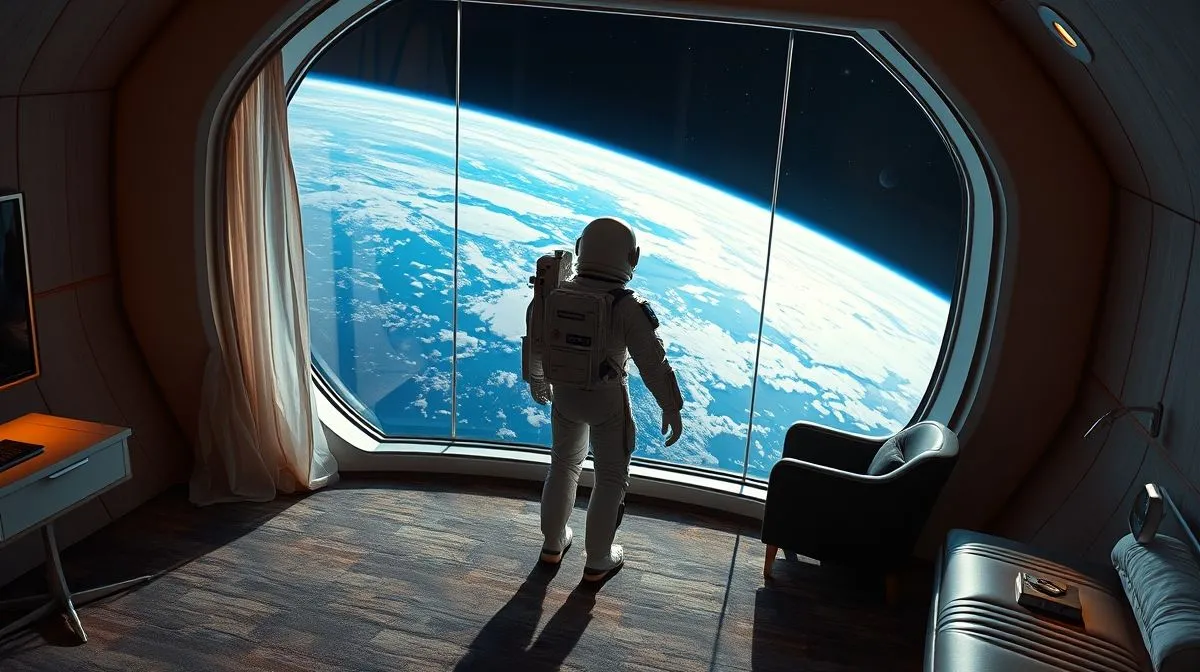
Unveiling the Price Tag: How Much Does a Night in a Space Hotel Cost?
For generations, the idea of living among the stars, even for a brief moment, has captivated humanity. From science fiction novels to blockbuster movies, the allure of space has always been just beyond our grasp. But what if that dream is no longer confined to the realm of imagination?
As commercial spaceflight rapidly evolves, the concept of a 'space hotel' is transitioning from a futuristic fantasy to an emerging reality. Yet, with such an extraordinary prospect comes an equally extraordinary question: How much does a night in a space hotel cost? It's a query that sparks both excitement and a touch of trepidation, given the perceived astronomical expenses involved.
This comprehensive guide will demystify the economics behind orbital hospitality. We'll delve into the factors driving these incredible prices, explore current projections from leading space tourism companies, and peer into the future to understand when, if ever, such an experience might become more accessible. Prepare to embark on an enlightening journey through the financial stratosphere of space tourism.
The Dawn of Space Tourism: A Brief History and Current Players
The journey to commercial space hotels didn't begin with grand orbital designs, but with the pioneering spirit of individuals and private companies. Early space tourism primarily involved wealthy individuals paying to visit the International Space Station (ISS) via Russian Soyuz rockets.
Early Pioneers and Visionaries
The first space tourist, Dennis Tito, paid a reported $20 million for an eight-day stay on the ISS in 2001. This monumental event opened the door, proving that private citizens could indeed venture beyond Earth's atmosphere. These early missions, facilitated by Space Adventures, laid crucial groundwork, demonstrating a demand for civilian spaceflight.
The Rise of Commercial Spaceflight
The landscape truly began to shift with the advent of private aerospace companies like SpaceX, Blue Origin, and Virgin Galactic. These entities initially focused on reducing launch costs and increasing access to orbit. SpaceX's Falcon 9, with its reusable first stage, has been a game-changer, drastically lowering the expense of putting payloads, and eventually people, into space.
While Virgin Galactic and Blue Origin currently offer suborbital flights – a brief jump to the edge of space – the long-term vision for many includes orbital habitats. These companies are not just launching rockets; they are building the infrastructure for a future where space travel is more routine.
Key Players in Space Hotel Development
Several ambitious companies are now actively pursuing the development of dedicated space hotels or commercial space stations:
- Orbital Assembly Corporation (OAC): Known for their concepts like the Voyager Station and Pioneer Station, OAC envisions large, rotating space hotels designed to generate artificial gravity. Their plans are among the most ambitious, aiming for a true 'hotel' experience in orbit.
- Axiom Space: This company is building commercial modules that will first attach to the ISS, eventually detaching to form the core of a new, independent commercial space station. Axiom has already facilitated private astronaut missions to the ISS, offering stays that resemble a luxury orbital experience for paying customers.
- Sierra Space & Blue Origin (Orbital Reef): A joint venture aiming to develop a 'mixed-use business park' in low Earth orbit. While not solely a hotel, it would certainly include facilities for space tourists and researchers, functioning as a commercial space station.
What Exactly Are You Paying For? Deconstructing the Space Hotel Experience
When considering the cost of a night in a space hotel, it's crucial to understand that you're not just paying for a room with a view. The price tag encompasses an intricate web of highly specialized services and unparalleled logistics.
Launch and Re-entry Services
This is arguably the most significant portion of the expense. Getting to orbit requires immense power, advanced technology, and rigorous safety protocols. You're paying for:
- The rocket launch itself, including fuel and operational teams.
- The spacecraft that transports you to the hotel (e.g., a SpaceX Dragon capsule or an unannounced future vehicle).
- The intricate process of docking with the orbital habitat.
- The return journey, including de-orbiting, re-entry, and landing/splashdown, which requires a dedicated vehicle and recovery teams.
Orbital Accommodation and Amenities
Once in orbit, the 'hotel' itself is a marvel of engineering. The cost covers:
- Life Support Systems: Providing breathable air, potable water, waste management, and temperature control in the harsh vacuum of space. These systems are complex and require constant monitoring and maintenance.
- Habitation Modules: Designing and constructing modules that can withstand radiation, micrometeoroids, and extreme temperature fluctuations, while also providing comfortable living quarters.
- Unique Experiences: Access to panoramic viewing domes, zero-gravity recreational areas, and perhaps even artificial gravity sections in future designs.
- Food and Hygiene: Specialized space food, water recycling, and facilities for personal hygiene in microgravity.
Training and Preparation
You can't just check into a space hotel like a terrestrial one. Extensive training is mandatory:
- Medical Screenings: Ensuring you are physically fit for the rigors of space travel, including G-forces during launch and the effects of microgravity.
- Emergency Procedures: Learning how to react to various scenarios, from fire to depressurization.
- Microgravity Adaptation: Training to live, move, and perform basic tasks in zero-G, including eating, sleeping, and using the restroom. This training can last for weeks or even months.
Safety Protocols and Insurance
Space travel inherently carries risks, and mitigating these risks is incredibly expensive. This includes:
- Redundant systems and fail-safes on all spacecraft and habitat modules.
- Highly trained ground control teams monitoring every aspect of the mission 24/7.
- Comprehensive insurance policies covering everything from equipment failure to potential medical emergencies in space.
Current Cost Projections: The Astronomical Figures
While no dedicated 'space hotel' is yet fully operational for commercial guests, we can extrapolate costs based on existing private space missions and proposed projects. The answer to how much does a night in a space hotel cost today is still in the millions.
Orbital Assembly Corporation's Vision (Voyager/Pioneer)
OAC's long-term goal for the Voyager Station, a massive rotating habitat, initially hinted at prices comparable to a luxury cruise – perhaps tens of thousands of dollars per night. However, for their smaller, earlier Pioneer Station, more recent estimates suggest a much higher entry point, possibly around $5 million for a three-day stay. This would equate to well over a million dollars per night, though the experience would be bundled.
Axiom Space's Commercial Module on ISS
Axiom Space has already sent private astronauts to the ISS. For their Ax-1 mission in 2022, each seat reportedly cost around $55 million for an eight-day trip. While this isn't a dedicated space hotel, it represents the closest current equivalent to an orbital luxury stay. This price includes launch, training, and living expenses on the ISS, making a single night's cost in the ballpark of $6-7 million.
This high figure is partly due to the reliance on NASA's infrastructure and services for the ISS, which were not designed for mass tourism. As Axiom develops its own independent commercial station modules, they aim to reduce these costs, but they will still remain substantial for the foreseeable future.
Comparing with Suborbital Flights
It's important to differentiate orbital space hotels from suborbital flights. Companies like Virgin Galactic and Blue Origin offer experiences that briefly touch the edge of space, providing a few minutes of weightlessness and stunning views, before returning to Earth. The price for these experiences is significantly lower, ranging from $250,000 to $450,000 per seat. While incredible, these are not 'hotel stays' but rather short excursions.
According to a report by CNBC, the cost of space tourism is expected to decrease over time as technology advances and competition increases, but it will remain a luxury for the foreseeable future. You can read more about the economics of space travel on authoritative sites like NASA's official website, which often discusses the complexities of space operations.
The Economics of Orbit: Why Space Hotels Are So Expensive
The exorbitant price tag of a space hotel stay isn't arbitrary; it's a reflection of the immense challenges and costs associated with operating beyond Earth's protective atmosphere.
Research and Development Costs
Developing spacecraft and orbital habitats requires billions of dollars in R&D. Companies invest heavily in materials science, propulsion systems, life support, and robotics to ensure safety and functionality in extreme environments.
Launch Vehicle Expenses
Despite advancements in reusability, launching a rocket is still incredibly expensive. Each launch requires fuel, maintenance, a large operational team, and complex ground infrastructure. The sheer energy required to escape Earth's gravity well is immense.
Operational and Life Support Systems
Maintaining a habitable environment in space is a continuous, resource-intensive process. Every breath of air, every drop of water, and every degree of temperature stability must be meticulously managed. Consumables must be regularly resupplied from Earth, adding to the logistical burden and cost.
Limited Supply, High Demand
Currently, there are virtually no commercial space hotels. The few opportunities for orbital stays are extremely limited, creating a classic economic scenario of high demand meeting minimal supply, which naturally drives up prices.
Regulatory and Safety Compliance
Space travel is heavily regulated to ensure astronaut and passenger safety. Adhering to these stringent international and national safety standards involves extensive testing, certification processes, and ongoing oversight, all of which contribute significantly to the overall cost.
Beyond the Price Tag: The Unique Benefits and Unforgettable Experiences
While the cost of a night in a space hotel is undeniably steep, the experience it offers is truly beyond compare. It's not just a vacation; it's a profound journey that few will ever undertake.
Unparalleled Views of Earth
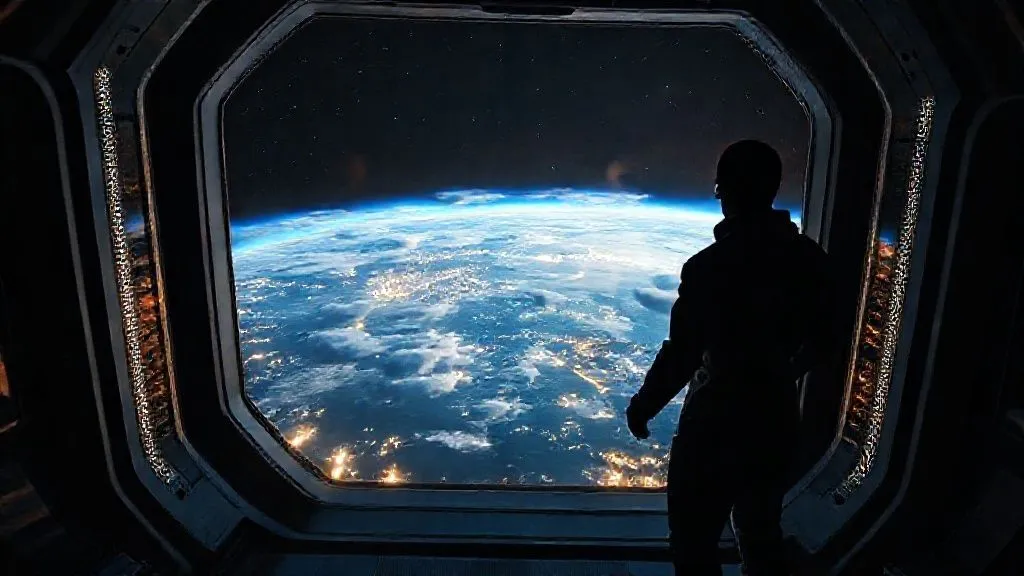
Imagine gazing out of a panoramic window, watching the Earth slowly turn below you – a vibrant blue marble against the black expanse of space. The 'overview effect,' a cognitive shift reported by astronauts seeing Earth from orbit, can be life-changing, fostering a deep appreciation for our planet.
Zero-Gravity Living
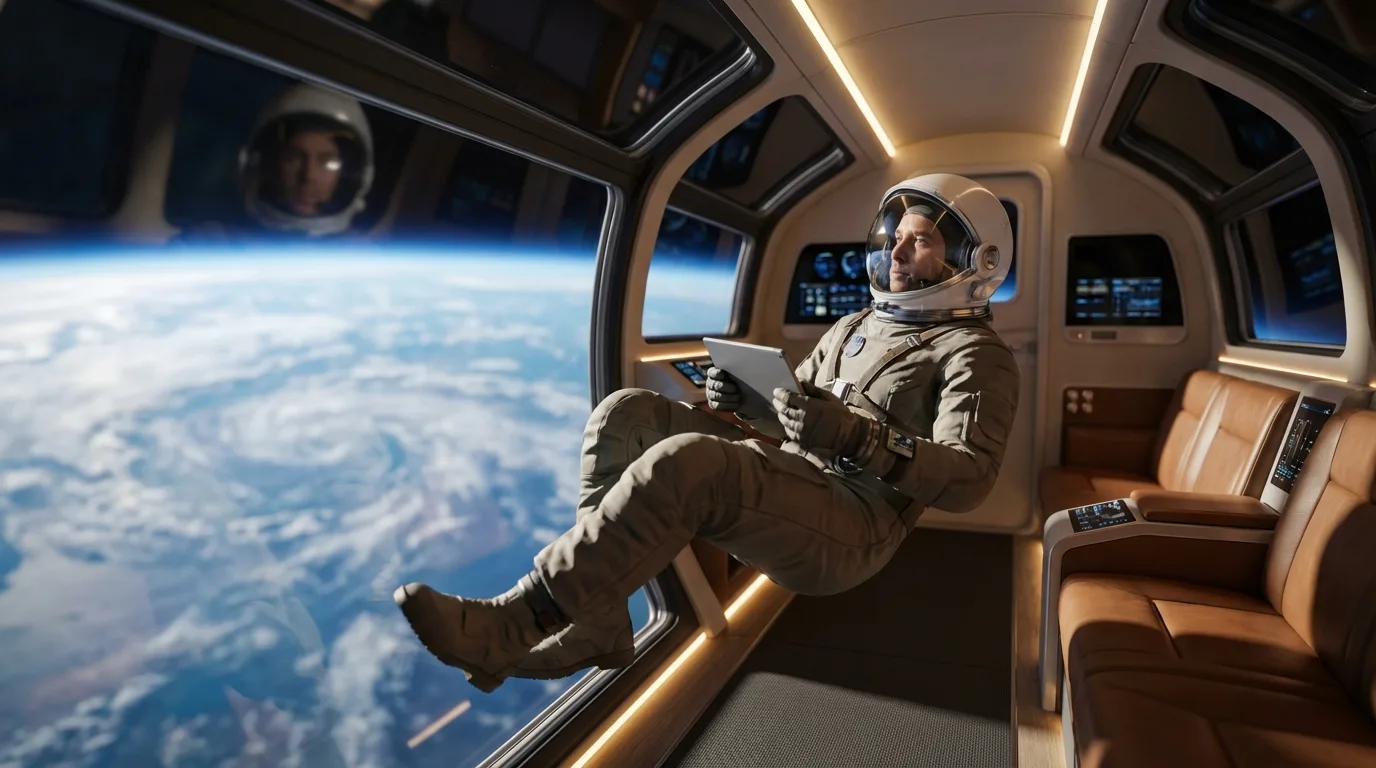
Experience true weightlessness, floating effortlessly through your habitat. Simple actions like drinking water or moving from one room to another become novel and exhilarating. It's a sensation that cannot be replicated on Earth.
The Psychological Impact of Space
Being in space is an intense psychological experience. The isolation, the beauty, and the profound perspective of looking back at humanity's home can lead to deep introspection and personal growth. Many astronauts describe it as the most significant experience of their lives.
Exclusive Status and Bragging Rights
For those who can afford it, a stay in a space hotel will confer a unique status. It's an adventure that few individuals in history have ever had the privilege to undertake, offering unparalleled stories and memories.
The Future of Space Hotels: When Will It Be Affordable?
The current prices for orbital stays are clearly prohibitive for the vast majority of people. However, the history of technology suggests that what is exclusive today often becomes more accessible tomorrow. When will how much does a night in a space hotel cost become a less daunting question?
Technological Advancements and Reusability
Continued innovation in rocket technology, particularly full reusability (like SpaceX's Starship), promises to dramatically lower launch costs. If the cost of putting a kilogram into orbit drops by orders of magnitude, the price of a space hotel stay will follow suit.
Increased Competition and Market Maturation
As more companies enter the space tourism market, competition will naturally drive down prices and spur innovation in customer experience. A robust market with multiple providers will offer more options and better value.
Potential for Space Station Expansion
The development of multiple commercial space stations and dedicated orbital hotels will increase capacity. Just like the hotel industry on Earth, more rooms mean more availability and potentially lower prices per night. Initiatives like Orbital Reef and Starlab (Voyager Space/Airbus) are steps in this direction.
The Long-Term Vision: Space Colonies?
In the very long term, if humanity establishes permanent outposts or even colonies in space, the infrastructure for living and traveling in orbit will become vastly more efficient and affordable. While this is decades away, it represents the ultimate trajectory of space accessibility.
For a deeper dive into the future projections of space tourism, you can often find insightful analyses from reputable sources like BBC News's space tourism section or academic papers on the commercialization of space.
Mistakes to Avoid When Planning Your Space Vacation
For those fortunate enough to consider a space hotel stay, planning is paramount. Avoid these common pitfalls to ensure a smooth and unforgettable experience:
- Underestimating Training Requirements: Don't assume it's like boarding a plane. The training is rigorous and essential for your safety and enjoyment.
- Ignoring Medical Prerequisites: Space travel is physically demanding. Be honest about your health and undergo all necessary medical examinations.
- Not Researching Providers Thoroughly: The space tourism industry is nascent. Vet companies carefully, examine their safety records, and understand their specific offerings.
- Overlooking the Psychological Aspect: Space can be disorienting. Be prepared for the mental and emotional adjustments required for living in an extraordinary environment.
- Focusing Only on Price: While cost is a factor, prioritize safety, experience quality, and the reputation of the provider above all else.
Frequently Asked Questions (FAQ)
Is a space hotel safe? Space hotels, when they become operational, are being designed with multiple layers of redundancy and safety protocols, comparable to or exceeding those of commercial aircraft. Companies developing them prioritize safety above all else, and regulatory bodies will oversee their operations.
How long is a typical stay in a space hotel? Initial stays are projected to range from a few days (e.g., 3-8 days) to a couple of weeks, depending on the hotel and the mission profile. As the industry matures, longer stays might become available.
Can I bring personal items to a space hotel? Yes, within strict weight and volume limits. Personal items must be approved by the space hotel operator for safety and operational reasons.
Will there be Wi-Fi in a space hotel? Yes, connectivity is expected. Most modern space habitats and spacecraft are equipped with satellite communication systems to allow for internet access and communication with Earth.
What kind of food is served in space hotels? Food will be specially prepared and packaged for consumption in microgravity, likely a mix of rehydratable meals and some fresh items, similar to what astronauts currently eat, but potentially more gourmet for a luxury experience.
Recommended Reading
- Unlock Your Wanderlust: The Ultimate Guide to Cheaper Long-Term Travel
- Altitude Sickness: Prevent it With This Essential Guide!
- Your Essential Guide: How to Plan a Zero-Waste Trip to National Parks
- Unlock Your Inner Power: The Ultimate Guide to Solo Travel for Confidence
- Rome on a Budget: Best Free Attractions for First-Time Visitors!
Conclusion
The question of how much does a night in a space hotel cost remains complex, with current projections placing the experience firmly in the realm of ultra-luxury. While the figures are astronomical, they reflect the monumental engineering, safety, and logistical challenges of establishing humanity's presence beyond Earth. From the raw power of a rocket launch to the intricate life support systems of an orbital habitat, every aspect contributes to the price. However, as technology advances and competition intensifies, the dream of a space vacation may gradually descend from the exclusive domain of billionaires to a more attainable, albeit still premium, adventure for many. The journey to the stars is not just about reaching new heights, but also about making those heights accessible, one innovation at a time.


Your email address will not be published. Required fields are marked *