


Are There Kid Friendly Destinations That Offer Educational Fun? The Ultimate Guide to Learning Adventures
Imagine a family vacation where the laughter is as abundant as the learning, where your children eagerly absorb new concepts not from textbooks, but from the world unfolding around them. For many parents, the idea of combining a relaxing getaway with meaningful educational experiences for their kids feels like an elusive dream. We often compartmentalize travel as either pure leisure or purely educational, rarely imagining a seamless blend where both thrive.
The core question remains: how can we ensure our family travels are not just memorable, but also deeply enriching? How do we move beyond simple sightseeing to truly engage our children's minds, fostering a lifelong love for discovery and knowledge? The challenge lies in identifying those unique places that inherently offer more than just entertainment, but a profound opportunity for growth.
This comprehensive guide will show you precisely that. We'll explore how to identify, plan, and execute family trips to kid friendly destinations that offer educational fun, transforming your vacations into powerful, hands-on learning laboratories. By the end of this reading, you'll be equipped to craft unforgettable adventures that spark curiosity, build critical thinking skills, and create lasting memories for every member of your family.
Why Educational Fun Matters: Beyond the Classroom
In an increasingly complex world, preparing children for future challenges requires more than rote memorization. It demands critical thinking, adaptability, and an insatiable curiosity. Educational fun, particularly through travel, provides an unparalleled platform for developing these crucial skills outside the traditional classroom setting.
The Power of Experiential Learning
At its heart, educational fun is about experiential learning. This pedagogical approach emphasizes learning by doing, by experiencing, and by reflecting on those experiences. Instead of simply reading about history, children can walk through ancient ruins or re-enacted villages. Rather than just seeing pictures of animals, they can observe them in their natural habitats or in well-designed conservation parks.
- Engagement: Hands-on activities and real-world contexts are inherently more engaging than abstract concepts.
- Retention: Memories tied to sensory experiences are often stronger and more enduring. Children remember the feel of a dinosaur bone, the smell of a rainforest, or the sound of a historical re-enactment.
- Relevance: Experiential learning makes abstract subjects tangible and relevant, showing children the practical applications of what they learn.
Nurturing Curiosity and Critical Thinking
When children are exposed to new environments, cultures, and ideas, their natural curiosity is ignited. They begin to ask 'why' and 'how,' prompting deeper investigation and critical thinking. A trip to a science center, for example, isn't just about seeing cool exhibits; it's about understanding the scientific principles behind them.
Encouraging this inquisitive mindset is vital. It teaches children to question, to seek answers, and to form their own conclusions based on evidence. This is a far cry from passive absorption of information. It's about empowering them to become active learners and problem-solvers, skills that are invaluable in school and throughout life.
Identifying Truly Educational Destinations
With so many options available, how do you discern which kid friendly destinations truly offer educational fun, and which are merely disguised entertainment? It requires a discerning eye and a clear understanding of what constitutes genuine learning opportunities.
What to Look For: Key Indicators
When researching potential destinations, look for specific features that indicate a commitment to education:
- Interactive Exhibits: The best educational sites encourage hands-on interaction. Can children touch, build, experiment, or participate?
- Knowledgeable Staff/Docents: Are there guides or educators present who can explain concepts, answer questions, and engage children in meaningful discussions?
- Curriculum Connection: Do the exhibits or programs align with school subjects like science, history, geography, or art?
- Age-Appropriate Content: Is the information presented in a way that is accessible and engaging for your children's specific age group?
- Behind-the-Scenes Access: Some destinations offer tours or programs that provide deeper insights into their operations or research.
- Clear Learning Objectives: Does the destination explicitly state what visitors are expected to learn or experience?
Avoiding 'Edutainment' Traps
Not everything labeled 'educational' truly is. Many attractions offer 'edutainment' – a blend of education and entertainment that often prioritizes the latter. While fun is essential, ensure the learning component isn't superficial. A ride that whizzes past historical figures might be entertaining, but does it foster understanding or critical thought? A true educational destination encourages engagement that goes beyond passive observation.
Be wary of overly commercialized venues where the primary goal seems to be selling merchandise or quick thrills. While these can be fun, they may lack the depth required for genuine educational value. Prioritize places that encourage reflection, discussion, and active participation over mere consumption of entertainment.
Top Categories of Kid-Friendly Educational Destinations
The world is brimming with incredible places where learning and adventure converge. Here are some of the most prominent categories of kid friendly destinations that offer educational fun, each providing unique avenues for discovery.
Science & Technology Centers: Hands-On Discovery
These centers are often pioneers in interactive learning. From building circuits to exploring the cosmos, they make complex scientific principles accessible and exciting. They are fantastic places for children to engage directly with concepts often confined to textbooks.
- Examples: The Exploratorium in San Francisco, the Museum of Science and Industry in Chicago, the Franklin Institute in Philadelphia.
- What to Expect: Countless buttons to push, levers to pull, and experiments to conduct. Exhibits often cover physics, biology, chemistry, space, and engineering.
- Learning Outcomes: Fosters scientific inquiry, problem-solving skills, understanding of cause and effect, and a foundational appreciation for STEM fields.
History & Culture: Stepping Back in Time
History comes alive when children can stand where historical events occurred, touch artifacts, or interact with costumed interpreters. These destinations offer a tangible connection to the past, making it relevant and fascinating.
- Examples: Colonial Williamsburg in Virginia, the Smithsonian National Museum of American History in Washington D.C., ancient ruins like those in Rome or Athens, or even local historical societies.
- What to Expect: Reconstructed villages, preserved battlefields, historical homes, interactive exhibits detailing daily life in different eras, and cultural performances.
- Learning Outcomes: Develops historical empathy, understanding of societal evolution, appreciation for diverse cultures, and critical analysis of past events.
Nature & Wildlife: The Great Outdoors Classroom
The natural world is perhaps the oldest and most profound classroom. National parks, wildlife sanctuaries, and even well-designed zoos and aquariums provide invaluable lessons in biology, ecology, and conservation.
- Examples: Yellowstone National Park, the San Diego Zoo, the Monterey Bay Aquarium, national wildlife refuges, or local botanical gardens.
- What to Expect: Guided nature walks, ranger programs, wildlife viewing, educational talks about ecosystems, and exhibits on biodiversity and conservation efforts.
- Learning Outcomes: Instills environmental stewardship, understanding of ecosystems, appreciation for biodiversity, and observational skills. A visit to a place like the National Oceanic and Atmospheric Administration (NOAA) affiliated centers can also offer deep insights into marine life and climate.
Art & Creativity: Inspiring Young Minds
Art museums and creative centers can unlock a child's imagination and foster an appreciation for aesthetics and self-expression. Many offer specific programs designed for young visitors.
- Examples: Children's museums with art studios, major art museums with dedicated family programs (e.g., The Metropolitan Museum of Art in NYC), or local pottery/painting studios offering classes.
- What to Expect: Hands-on art creation workshops, interactive displays on artistic techniques, guided tours tailored for kids, and opportunities to view masterpieces up close.
- Learning Outcomes: Enhances creativity, develops fine motor skills, promotes cultural understanding, and introduces different art forms and historical periods.
Planning Your Educational Family Adventure
Successful educational fun doesn't happen by accident. It requires thoughtful planning and preparation to maximize both the learning and enjoyment for the entire family.
Researching and Booking Smart
Start your research early. Look beyond the main attractions to see what special programs, workshops, or guided tours are offered for children. Many institutions have dedicated education departments or family resources sections on their websites.
- Check Age Recommendations: Ensure the programs are truly appropriate for your children's developmental stage.
- Read Reviews: Look for feedback specifically mentioning the educational value for families.
- Book in Advance: Popular workshops or tours often have limited spaces and require pre-booking.
- Consider Memberships: If you plan multiple visits or frequent a specific type of institution (e.g., science museums), an annual membership can offer great value and reciprocity with other institutions.
Engaging Kids Before, During, and After the Trip
The learning journey extends beyond the destination itself. Involve your children in the planning process. Let them help choose which exhibits to see or which activities to try. This ownership significantly boosts their engagement.
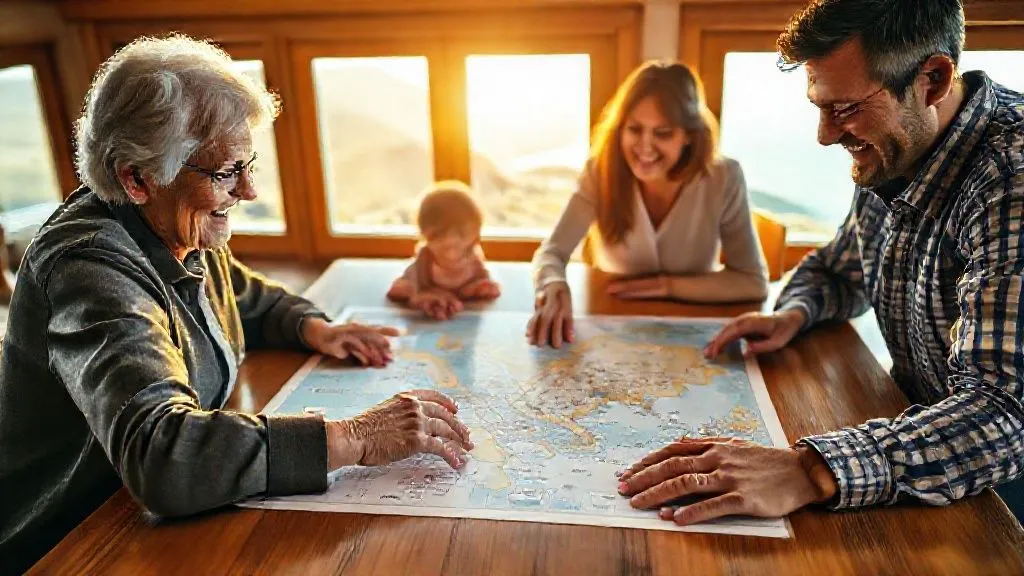
- Before: Watch documentaries, read books, or look at maps related to your destination. Spark their curiosity with questions like, "What do you think we'll discover about dinosaurs?"
- During: Encourage questions, provide context, and allow for spontaneous exploration. Don't rush.
- After: Discuss what they learned, have them draw pictures, write about their experiences, or create a scrapbook. This reflection solidifies the learning.
Budgeting for Brainy Breaks
Educational travel doesn't have to break the bank. Many fantastic opportunities exist at various price points.
- Look for Free/Low-Cost Options: Many national museums (like the Smithsonian Institutions) offer free admission. Public parks and libraries also host educational events.
- Pack Snacks/Meals: Eating out frequently can add up. Pack your own food to save money.
- Travel Off-Peak: Visiting during the shoulder season can mean lower prices for accommodation and fewer crowds.
- Utilize City Passes: If visiting a major city with multiple attractions, a city pass can offer significant savings.
Making the Most of Your Educational Trip: Practical Tips
Even with thorough planning, the success of your educational family adventure often comes down to the small, day-to-day choices and attitudes. Here are some practical tips to enhance the experience.
Pacing and Flexibility
Children have shorter attention spans than adults. Trying to cram too much into one day will lead to burnout and frustration. Prioritize quality over quantity.
- Schedule Downtime: Build in breaks for snacks, play, or simply resting.
- Don't Over-schedule: Pick a few key attractions or exhibits rather than trying to see everything.
- Be Flexible: If a particular exhibit isn't capturing their interest, move on. If they're deeply engaged in something unexpected, let them linger.
Encouraging Questions and Discussion
The true learning happens when children process information and connect it to their existing knowledge. Encourage them to ask questions and share their observations.
- Ask Open-Ended Questions: Instead of "Did you like it?" try "What was the most surprising thing you learned?" or "How do you think this works?"
- Listen Actively: Show genuine interest in their thoughts and discoveries.
- Connect to Home: Help them see how what they learned relates to their lives or other things they know.
Documenting the Learning Journey
Creating a tangible record of their experiences can reinforce learning and provide cherished memories.
- Travel Journal: Encourage them to draw, write, or paste tickets and brochures.
- Photo Essays: Have them take pictures and then explain what they captured.
- Souvenirs with Meaning: Choose educational souvenirs like a small fossil, a historical replica, or a book about the area.
Common Pitfalls and How to Avoid Them
Even the best intentions can sometimes lead to less-than-ideal outcomes. Being aware of common mistakes can help you navigate your educational family trips more smoothly.
Over-scheduling and Burnout
This is arguably the most common mistake. Parents, eager to maximize their investment, often pack too many activities into each day. The result? Exhausted, grumpy children (and parents) who stop absorbing anything. Remember, the goal is not to see everything, but to experience a few things deeply. Prioritize quality engagement over quantity of sights.
Ignoring Kids' Interests
While you might be fascinated by ancient pottery, your child might be captivated by the museum's interactive display on volcanology. Force-feeding them information they have no interest in will only lead to disengagement. Involve them in choosing activities and be prepared to pivot if their interest is drawn elsewhere. A truly kid friendly destination that offers educational fun caters to varied interests.
Underestimating the Power of Play
Learning doesn't always have to look like a classroom. Play is a fundamental way children learn and process the world. Allow ample time for unstructured play, whether it's running around a park, building with blocks in a children's museum, or simply imaginative play in the hotel room. These moments are crucial for processing new information and preventing sensory overload.
Case Studies: Real-World Educational Fun
Let's look at a few specific examples of kid friendly destinations that offer educational fun and how they exemplify the principles discussed.
The Smithsonian National Museum of Natural History, Washington D.C.
This institution is a prime example of a free, world-class educational resource. Children can explore dinosaur skeletons, marvel at the Hope Diamond, and learn about human evolution. Its interactive exhibits, like the O. Orkin Insect Zoo, allow for hands-on discovery. The sheer scale and depth of its collections make it an unparalleled learning environment.
The California Academy of Sciences, San Francisco
This unique institution houses an aquarium, planetarium, natural history museum, and a four-story rainforest dome all under one living roof. Children can literally walk through different ecosystems, observe diverse species, and learn about environmental science in a highly immersive way. It brilliantly demonstrates how a single destination can offer multifaceted educational fun.
Yellowstone National Park, Wyoming
Beyond its stunning natural beauty, Yellowstone is a living laboratory. Kids can learn about geology by observing geysers and hot springs, understand ecology by spotting wildlife, and appreciate conservation through ranger-led programs. The Junior Ranger program is an excellent example of how parks engage children in active learning about their environment and its preservation.
Frequently Asked Questions (FAQ)
What age is best for educational travel? Educational travel is beneficial for all ages, from toddlers who benefit from sensory exploration to teenagers who can engage with complex historical or scientific concepts. The key is choosing age-appropriate destinations and activities.
How do I keep my kids engaged if they get bored? Flexibility is key. If interest wanes, switch to a different activity, take a break, or introduce a game related to the topic. Sometimes, a change of pace is all that's needed to re-ignite curiosity.
Is it possible to combine relaxation with educational trips? Absolutely! The best educational trips integrate learning seamlessly into a relaxed itinerary. Don't over-schedule, build in downtime, and remember that even unstructured play and observation contribute to learning.
What's the difference between a regular museum and an educational destination? While all museums offer some educational value, an educational destination actively designs experiences for learning, often with interactive exhibits, dedicated educational programs, and clear learning objectives, especially for children. It's about engagement over mere display.
How can I make educational travel affordable? Look for free attractions like national parks or public museums, utilize city passes, pack your own food, travel during off-peak seasons, and consider memberships that offer reciprocal admission to other institutions.
Recommended Reading
- High-Speed Rail Europe: Pro Travel Tips for Seamless Journeys
- Tuscany's Best Pasta Class for Beginners: The Secret to Authentic Flavors
- Unlock Your Wanderlust: The Ultimate Guide to Cheaper Long-Term Travel
- Global Events & Festivals: Your Ultimate Travel Planning Checklist
- Ultimate Guide: Best Luxury Hotel Amenities for Total Relaxation
Conclusion
The journey to discover kid friendly destinations that offer educational fun is not just about finding places; it's about embracing a philosophy of travel that prioritizes growth, curiosity, and shared discovery. By intentionally seeking out environments that blend adventure with genuine learning opportunities, you empower your children to become active participants in their education, fostering a lifelong love for knowledge and exploration. These aren't just vacations; they are investments in your children's intellectual and personal development, creating a rich tapestry of memories and lessons that will last long after the suitcases are unpacked. So, pack your bags, ignite your curiosity, and embark on your next enriching family adventure!




Your email address will not be published. Required fields are marked *