

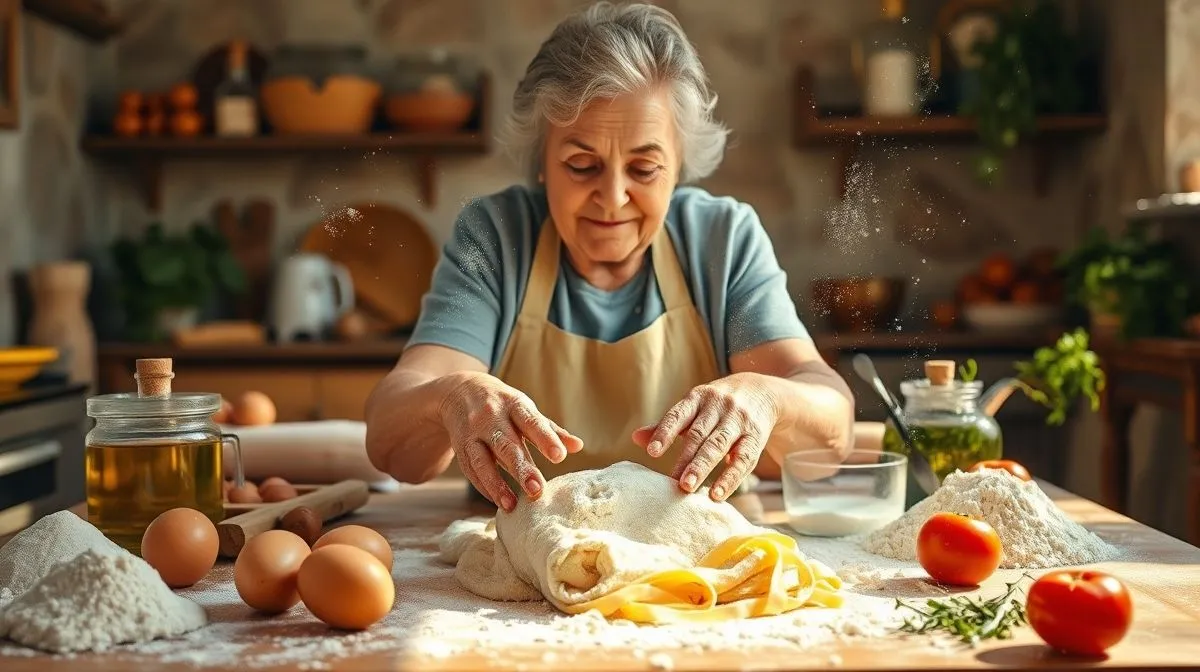
Discovering the Best Pasta Making Class in Tuscany for Beginners
Ever dreamt of swirling your fork around a perfectly crafted plate of pasta, the kind that seems to melt in your mouth with flavors of sun-ripened tomatoes and fresh basil? What if I told you that dream could become a reality, and sooner than you think?
The question many beginners face is: how do you find the right pasta making class in the heart of Tuscany, a region celebrated for its culinary traditions? Sorting through the options can feel overwhelming, especially when you’re eager to dive into the world of Italian cooking.
This guide is your passport to the best pasta making experiences Tuscany has to offer for beginners. We'll explore what makes a class exceptional, what to look for, and how to ensure you leave with the skills and confidence to recreate authentic Italian pasta dishes in your own kitchen. Get ready to knead, roll, and savor the flavors of Italy!
Why Tuscany is the Perfect Place to Learn Pasta Making
Tuscany isn't just a picturesque landscape; it's a culinary heartland where food is more than sustenance—it's a way of life. Learning to make pasta here offers a unique, immersive experience.
The Rich Culinary Heritage
Tuscan cuisine emphasizes fresh, local ingredients and time-honored techniques passed down through generations. This dedication to tradition is palpable in every bite and every cooking class.
The Ambiance and Setting
Imagine learning to roll pasta dough in a rustic farmhouse kitchen, surrounded by rolling hills and vineyards. The Tuscan setting adds an undeniable charm to the experience, making it unforgettable.
Access to Fresh, Local Ingredients
Tuscany boasts an abundance of fresh, seasonal ingredients, from locally milled flour to farm-fresh eggs and aromatic herbs. These high-quality ingredients elevate the taste and authenticity of your pasta.
What to Look for in a Beginner-Friendly Pasta Making Class
Not all pasta making classes are created equal. Here's what to consider when choosing the best one for your skill level:
Hands-On Experience
The best classes prioritize hands-on learning, allowing you to actively participate in every step of the pasta making process. You should be kneading, rolling, and shaping the pasta yourself, not just watching someone else demonstrate.
Small Class Sizes
Opt for classes with small class sizes to ensure personalized attention from the instructor. This allows you to ask questions, receive guidance, and correct any mistakes along the way. Small groups also foster a more intimate and engaging learning environment.
Experienced and Patient Instructors
Look for instructors with extensive experience in pasta making and a passion for sharing their knowledge. A patient and encouraging instructor can make all the difference, especially for beginners.
Clear and Concise Instructions
The instructor should provide clear and concise instructions, breaking down each step into manageable tasks. Visual demonstrations and written recipes are also helpful for reinforcing the learning process.
Focus on Fundamental Techniques
A good beginner class should focus on teaching the fundamental techniques of pasta making, such as kneading, rolling, shaping, and cooking. Mastering these basics will provide a solid foundation for future culinary adventures.
Essential Techniques You'll Learn in a Pasta Making Class
A well-structured pasta making class will cover a range of essential techniques, empowering you to create a variety of pasta shapes and dishes.
Making Pasta Dough from Scratch
Learn how to combine flour and eggs to create a smooth, elastic dough. You'll discover the importance of using the right type of flour and the proper ratio of ingredients. You'll also learn how to knead the dough to develop its gluten structure, which is crucial for achieving the perfect texture.
Rolling and Shaping Pasta
Master the art of rolling out pasta dough by hand or with a pasta machine. You'll learn how to achieve the desired thickness and shape, whether you're making fettuccine, tagliatelle, or ravioli.
Creating Different Pasta Shapes
Discover the secrets to shaping various pasta forms, from simple shapes like spaghetti and penne to more intricate designs like tortellini and farfalle. You'll learn how to use different tools and techniques to create visually appealing and delicious pasta.
Cooking Pasta to Perfection
Learn the proper way to cook pasta to achieve the ideal al dente texture. You'll discover the importance of using enough water, adding salt, and testing the pasta for doneness. According to Food Network, the water must be salted.
Benefits of Taking a Pasta Making Class
Beyond learning a new culinary skill, taking a pasta making class offers a host of benefits that extend far beyond the kitchen.
Gaining a Deeper Appreciation for Italian Cuisine
By learning to make pasta from scratch, you'll develop a deeper understanding and appreciation for the artistry and tradition of Italian cuisine. You'll gain insight into the ingredients, techniques, and cultural significance of pasta making.
Enjoying a Fun and Engaging Activity
Pasta making is a hands-on, interactive activity that can be both relaxing and rewarding. It's a great way to unwind, unleash your creativity, and connect with others who share your passion for food.
Impressing Friends and Family with Your Culinary Skills
Imagine serving homemade pasta to your friends and family. They'll be amazed by your culinary prowess and impressed by the authentic flavors you've created. It's a surefire way to elevate your dinner parties and create lasting memories.
Boosting Your Confidence in the Kitchen
Mastering the art of pasta making can significantly boost your confidence in the kitchen. You'll gain a sense of accomplishment and empowerment, inspiring you to tackle new culinary challenges and experiment with different recipes.
Common Mistakes to Avoid When Making Pasta
Even with the best instruction, mistakes can happen. Here's what to watch out for when making pasta:
Using the Wrong Type of Flour
Using all-purpose flour instead of semola flour can result in a dough that is too soft and lacks the desired chewiness. Semola flour, milled from durum wheat, is the preferred choice for pasta making due to its high gluten content and ability to create a firm, elastic dough.
Not Kneading the Dough Enough
Insufficient kneading can result in a dough that is crumbly and difficult to work with. Kneading develops the gluten structure in the dough, which is essential for creating a smooth, elastic texture. Aim for at least 8-10 minutes of kneading to achieve the desired consistency. According to Wikipedia, kneading is a crucial step.
Rolling the Dough Too Thick or Too Thin
Rolling the dough to the wrong thickness can affect the texture and cooking time of the pasta. If the dough is too thick, it will take longer to cook and may be tough. If it's too thin, it may become mushy or fall apart during cooking. Aim for a thickness of about 1/16 inch for most pasta shapes.
Overcooking or Undercooking the Pasta
Overcooking pasta can result in a mushy, unappetizing texture, while undercooking can leave it hard and chewy. Cook pasta until it is al dente, which means "to the tooth" in Italian. It should be firm to the bite but not crunchy. Reference a trusted guide such as one from AllRecipes for specific timing.
Finding the Perfect Pasta Making Class in Tuscany
Ready to embark on your Tuscan pasta adventure? Here are some tips for finding the perfect class:
Online Research and Reviews
Start by researching pasta making classes online and reading reviews from previous participants. Look for classes that have consistently positive feedback and a reputation for providing high-quality instruction.
Check the Class Curriculum and Duration
Carefully review the class curriculum to ensure it covers the techniques and pasta shapes you're interested in learning. Also, consider the duration of the class and whether it fits your schedule.
Consider the Location and Accessibility
Choose a class that is conveniently located and easily accessible. Some classes may be held in remote farmhouses or villas, while others may be located in city centers. Factor in transportation costs and travel time when making your decision.
Compare Prices and Inclusions
Compare the prices of different classes and what is included in the cost. Some classes may include a meal, wine tasting, or transportation, while others may require you to purchase additional ingredients or supplies.
Frequently Asked Questions (FAQ)
What should I wear to a pasta making class? Comfortable clothing and closed-toe shoes are recommended. You may also want to bring an apron to protect your clothes from flour and spills.
Do I need any prior cooking experience to take a pasta making class? No prior cooking experience is necessary. Most classes are designed for beginners and will provide all the instruction and guidance you need.
Can I bring my own ingredients to the class? Most classes provide all the necessary ingredients, but it's always a good idea to check with the instructor beforehand.
Will I get to eat the pasta I make in the class? Yes, most classes include a meal where you can enjoy the pasta you've made, often accompanied by a delicious sauce and local wine.
Can I take the recipes home with me? Yes, most classes provide participants with recipes to take home so they can recreate the dishes in their own kitchens.
Recommended Reading
- Toddler Plane Travel Safety: Your Family's Stress-Free Guide!
- Best Age for Disney World with Toddlers: Maximize the Magic!
- Epic Family Friendly National Park Road Trips USA: Your Ultimate Guide
- Volunteer for Sea Turtles: Your Ultimate Guide to Conservation
- Dog Sledding Gear: Conquer Sub-Zero Temps Like a Pro!
Conclusion
Taking a pasta making class in Tuscany for beginners is an enriching experience that combines culinary education with cultural immersion. You'll not only learn the art of crafting authentic Italian pasta but also gain a deeper appreciation for the region's rich culinary heritage. By choosing the right class and avoiding common mistakes, you can unlock your inner pasta maker and impress your friends and family with your newfound skills. So, what are you waiting for? Book your class today and embark on a delicious journey through the heart of Tuscany! The best pasta making class Tuscany for beginners awaits you!



Your email address will not be published. Required fields are marked *