

Introduction: How to Find Genuine Street Art on a Tight City Trip?
For over two decades, I’ve navigated countless city streets, from the bustling alleyways of Berlin to the sun-drenched walls of Valparaíso, always with one mission: to uncover the soul of a city through its authentic street art. I’ve seen the sheer joy of stumbling upon a masterpiece and the palpable frustration of visitors who, with limited time, only manage to scratch the surface, missing the true gems hidden in plain sight.
The challenge is universal for the modern traveler: how to find genuine street art on a tight city trip? You arrive with a whirlwind itinerary, a short window of opportunity, and the desire to experience more than just the well-trodden tourist paths. The fear of missing out on culturally significant, visually stunning urban art is real, often leading to aimless wandering or, worse, settling for commercialized imitations.
In this definitive guide, I’ll share my seasoned strategies, battle-tested methods, and insider tips to transform your quick city break into a genuine street art safari. You’ll learn actionable frameworks for efficient discovery, how to leverage technology, engage with local culture, and ultimately, how to find genuine street art on a tight city trip, ensuring every precious minute contributes to an unforgettable artistic adventure.
Beyond the Obvious: Why Genuine Street Art Matters
As an industry specialist in city breaks, I often observe travelers mistakenly equating any outdoor mural with 'street art.' However, there's a profound difference between a commissioned advertisement painted on a wall and a piece born from the vibrant, often rebellious, spirit of a local art scene. Genuine street art is a city's visual diary, a direct conversation between artists and their community, reflecting social commentary, cultural identity, and raw creative energy. It's often ephemeral, dynamic, and deeply rooted in its immediate environment, making its discovery a unique, time-sensitive experience.
The value isn't just aesthetic; it's cultural immersion. When you discover genuine street art, you’re not just seeing a pretty picture; you're peering into the heart of a neighborhood, understanding its narratives, and connecting with its pulse. This form of art bypasses traditional galleries, making it accessible to everyone, and its ever-changing nature means each visit offers a fresh perspective. Missing out on this authentic layer of a city's identity means missing a significant part of what makes that destination truly unique.
"Genuine street art offers an unfiltered glimpse into a city's soul, a vibrant dialogue between artist and urban fabric that transcends mere aesthetics. It's cultural anthropology painted on walls."
For those grappling with how to find genuine street art on a tight city trip, understanding this distinction is your first and most crucial step. It steers you away from generic, mass-produced installations and guides you towards the truly meaningful, often hidden, expressions that define a city's character. My experience tells me that prioritizing authenticity over sheer volume leads to far more enriching discoveries.
Pre-Trip Reconnaissance: Your Digital Detective Work
Before your boots even hit the pavement, the internet is your most powerful ally in the quest to find genuine street art on a tight city trip. I've spent countless hours digitally scouting locations, and this preparatory phase can save you precious hours once you're on the ground. It’s about being strategic, not just scrolling.
Leveraging Social Media & Niche Blogs
Start with Instagram, but don't just search general hashtags. Dive deeper. Look for localized hashtags like #CityNameStreetArt, #CityNameGraffiti, or even specific neighborhood tags. Follow local street art photographers, artists, and art collectives. Their feeds are often the most up-to-date galleries of current works. Similarly, niche street art blogs and online communities, often run by passionate locals, provide invaluable, curated lists and maps that mainstream travel sites simply miss. These platforms offer real-time insights into new pieces and areas where art flourishes.
For example, sites like Street Art Cities are fantastic resources, crowd-sourcing locations and images from enthusiasts worldwide. They often provide exact coordinates, artist information, and even walking routes. This kind of dedicated resource is gold when you're short on time.
Mapping Tools & Community Forums
Google Maps isn't just for navigation; it's a visual archive. Search for 'street art' in your target city, and often you’ll find user-submitted photos pinned to locations. More importantly, cross-reference these with local Reddit subreddits or Facebook groups dedicated to urban exploration or art. Locals often share tips on new murals, recent commissions, or areas that are currently hotbeds of creativity. Pay attention to comments and dates to ensure the information is current, as street art is, by its nature, transient.
My advice is to create a custom Google Map for your trip. Pin all potential locations you find during your research. This visual representation allows you to cluster art spots efficiently, minimizing travel time between them. You can then download this map for offline use, a crucial step for seamless navigation without relying on data.
On the Ground: Efficient Discovery Tactics
Even with meticulous planning, the real magic of discovering street art happens when you're immersed in the urban environment. This is where your observational skills and willingness to engage with the local fabric truly come into play, especially when you need to know how to find genuine street art on a tight city trip.
The Power of Local Insight: Ask a Local
This might sound simple, but it’s astonishing how many travelers hesitate to engage with locals. Baristas, shopkeepers, and even public transport drivers are often the best, most current sources of information. They live and work in these neighborhoods daily and see the art evolving. I've uncovered some of my most cherished finds simply by asking, "Where's the best local street art around here?" or "Have you seen any new murals lately?" Be respectful, friendly, and genuinely interested, and you'll often be rewarded with directions to truly hidden gems that no app could ever pinpoint.
"The Rule of Two Blocks": My Personal Method
When I'm in a new city and time is tight, I employ what I call "The Rule of Two Blocks." Once you've identified a promising neighborhood (perhaps through your pre-trip research), don't just stick to the main thoroughfares. Dive two blocks deep into any side street or alleyway that looks even remotely interesting. Street art often thrives in less visible, quieter corners, away from heavy foot traffic. These are the canvases where artists feel freer to express themselves without immediate scrutiny or interruption.
My experience has taught me that the most authentic and often politically charged pieces are rarely found on the busiest boulevards. They are usually tucked away, requiring a bit of adventurous spirit to uncover. This method, while requiring a slight detour, dramatically increases your chances of finding raw, unfiltered artistic expression that truly reflects the local scene, addressing the core challenge of how to find genuine street art on a tight city trip.
Navigating Time Constraints: Strategic Planning for Short Stays
The 'tight city trip' aspect is where strategic planning becomes paramount. You can't see everything, so the goal is to maximize impact and authenticity within your limited window. This isn't about rushing; it's about smart design.
Creating a Micro-Itinerary
Based on your pre-trip research, cluster your identified street art locations into logical geographical zones. Instead of attempting to crisscross the city, dedicate specific blocks of time to exploring one or two highly concentrated areas. For instance, if you have a half-day, choose the neighborhood with the highest density of promising art. Plan your route to create a natural flow, minimizing backtracking. Use public transport or walking, but avoid taxis or ride-shares for short distances where you might miss subtle details.
Consider the lighting. Mid-morning or late afternoon often provides the best light for photography, enhancing colors and reducing harsh shadows. If possible, integrate your art hunt with other activities in the same area – perhaps a local market or a historic site – to maximize your cultural immersion and efficiently use your time.
Utilizing Public Transport as Your Art Gallery
Public transport, particularly trams, buses, or elevated trains, can be an excellent, low-effort way to scout for art, especially in cities known for their extensive murals visible from transit lines. I've often discovered entire walls of art simply by keeping my eyes peeled from a bus window. It's a fantastic way to cover significant ground and get a general feel for which neighborhoods are more artistically inclined, without consuming your precious walking time. Think of it as a moving, panoramic art tour.
- Identify Art-Rich Zones: Use your custom map to pinpoint areas with concentrated art.
- Check Transport Routes: Overlay public transport lines onto these zones.
- Plan Efficient Loops: Design a route that takes you through multiple art hotspots.
- Allocate Buffer Time: Always add 15-20 minutes extra per zone for unexpected discoveries or deeper exploration.
- Prioritize: If time is extremely limited, focus on 2-3 absolute must-see pieces or neighborhoods.
| Time Slot | Neighborhood | Focus | Transport | Notes |
|---|---|---|---|---|
| Morning (9 AM - 12 PM) | Graffiti Alley District | Large-scale murals, political commentary | Walk/Tram | Grab coffee at local cafe, ask about new pieces |
| Afternoon (2 PM - 5 PM) | Bohemian Quarter | Smaller tags, stencil art, hidden gems | Bus | Explore side streets, visit local artisan shops |
| Evening (Optional) | Waterfront Promenade | Ephemeral art, performance art (if applicable) | Metro | Check for night events, light installations |
Ethical Engagement: Respecting the Art and Artists
As enthusiasts, we have a responsibility to engage with street art ethically. This means understanding its transient nature and respecting the artists' intentions and the communities that host these works. My experience has shown that a respectful approach not only enriches your own experience but also contributes positively to the street art ecosystem.
Understanding the Ephemeral Nature
Unlike gallery art, street art is often temporary. It can be painted over, removed, or deteriorate due to weather. This ephemerality is part of its charm and challenge. Don't be disappointed if a piece you saw online is no longer there; embrace the discovery of new works. This constant evolution is a hallmark of genuine street art. It teaches us to appreciate the moment, the here and now, which is a powerful lesson for any traveler on a tight city trip.
Supporting the Scene
If you encounter artists working, a polite interaction can be incredibly rewarding. Ask permission before taking photos of them or their work, and if they're selling prints or merchandise, consider purchasing something. Supporting local art shops, galleries that champion street artists, or even leaving a small donation (if appropriate) helps sustain the scene. According to a report by Artsy, the line between legal and illegal street art is often blurred, and respecting the artist's space and privacy is paramount.
"To truly appreciate street art, one must understand its context, its community, and its fleeting beauty. Ethical engagement is not just about rules, but about respect for creation."
Remember, you're a guest in these urban galleries. Avoid touching the art, defacing walls, or leaving trash. Your positive presence helps maintain the welcome that artists and communities extend to art lovers. This mindful approach is key to understanding how to find genuine street art on a tight city trip in a way that truly honors the culture.
Case Study: Unearthing Hidden Gems in Lisbon
Let me illustrate these principles with a real-world (though fictionalized) example from my travels. Sarah, a marketing professional from Toronto, had a 48-hour layover in Lisbon and was determined to find genuine street art beyond the obvious tourist murals. She faced the classic dilemma of how to find genuine street art on a tight city trip.
Case Study: Sarah's Lisbon Street Art Sprint
Sarah began her pre-trip reconnaissance by searching Instagram for #LisbonStreetArt and #LxFactoryArt, and also consulted a few niche blogs about Lisbon's urban art scene. She pinned several promising locations on a custom Google Map, noting clusters in the Graça and Bairro Alto districts. She also joined a local Lisbon travel Facebook group, where she saw a post about a new, politically charged mural in an alley near the LX Factory.
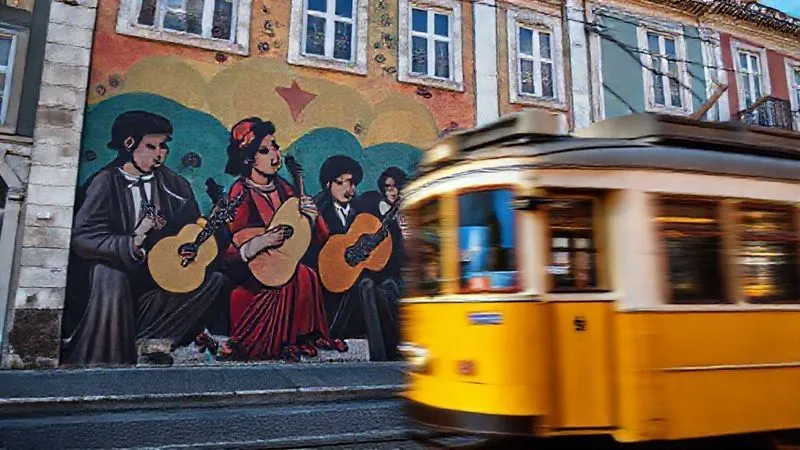
Upon arrival, armed with her offline map, Sarah first headed to Graça. Instead of sticking to the main streets, she employed "The Rule of Two Blocks," venturing into narrow, uphill alleys. She stumbled upon a series of intricate stencil pieces by a local artist she'd only seen online, tucked away on unassuming residential walls. Later, while riding Tram 28 (using it as her moving art gallery), she spotted an impressive, large-scale mural of Fado singers on a building facade that wasn't on any map she'd consulted.
At a small café in Bairro Alto, she asked the barista about local art. The barista, proud of her neighborhood, directed Sarah to a courtyard behind the café where a collective of young artists had recently transformed a dilapidated wall into a vibrant, collaborative piece. This was the kind of authentic, community-driven art Sarah was hoping for – a genuine hidden gem. By combining digital prep with on-the-ground intuition and local interaction, Sarah maximized her short time, discovering art that truly resonated with Lisbon's spirit.
Tools & Tech: Apps and Resources for the Urban Art Hunter
In our digital age, technology can be an invaluable co-pilot for how to find genuine street art on a tight city trip. However, it's about choosing the right tools and knowing how to integrate them into your discovery process.
Essential Street Art Apps
Beyond general mapping apps, several specialized street art applications can significantly enhance your search. Apps like 'Street Art Cities' (as mentioned) or 'Google Arts & Culture' often have curated sections dedicated to urban art in major cities. These apps frequently provide not just locations but also artist bios, background stories on the pieces, and even guided audio tours. They can be particularly useful for identifying official, permitted murals that are more likely to remain in place for longer, offering a more reliable target for a short trip.
However, I always caution against relying solely on these. While excellent for established pieces, they can sometimes lag behind the ever-evolving, spontaneous nature of the underground scene. Use them as a baseline, then layer your own local intel on top.
Offline Maps and GPS
This is non-negotiable for any tight city trip, especially when venturing into lesser-known areas. Download offline maps (Google Maps, Maps.me, or similar) of your target city before you leave your accommodation. This ensures you can navigate without worrying about data roaming charges or unreliable Wi-Fi. Pin all your researched street art locations, potential art-rich neighborhoods, and even local cafes or transit stops on your offline map. GPS will still function, guiding you efficiently between points of interest.
Think of your phone not just as a camera, but as a sophisticated compass and encyclopedia. It's the central hub for your pre-planned routes, your spontaneous discoveries, and your ability to quickly identify what you're seeing. This integrated approach is crucial for mastering how to find genuine street art on a tight city trip without wasting precious moments.
| App Name | Key Feature | Offline Capability | Best For |
|---|---|---|---|
| Street Art Cities | Crowd-sourced locations, artist info | Limited (maps) | Finding current, popular pieces |
| Google Maps | Custom lists, user photos | Excellent | Navigation & plotting routes |
| Maps.me | Detailed offline maps | Excellent | Off-the-beaten-path navigation |
| Google Arts & Culture | Curated exhibits, artist stories | No | Background info on major works |
The Mindset of a True Art Seeker: Patience and Observation
Beyond all the tools and planning, the most important asset you possess in your quest to find genuine street art on a tight city trip is your mindset. It’s about cultivating a particular way of seeing and experiencing the urban landscape.
Embrace the Detour and Look Beyond Eye Level
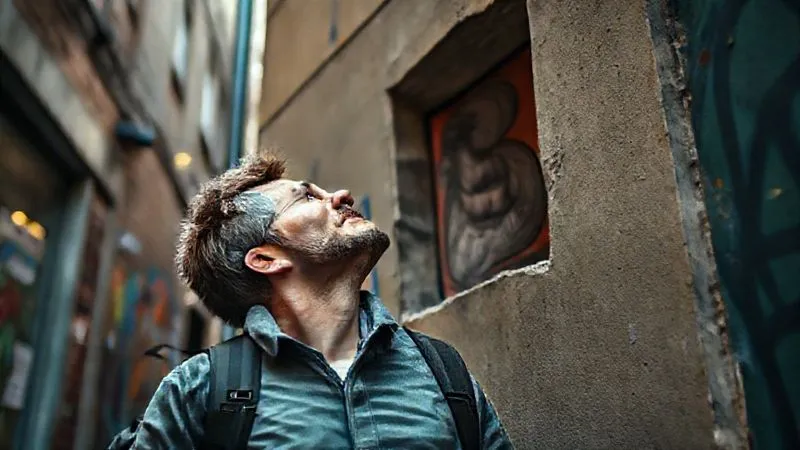
I've learned that the most rewarding street art discoveries often happen when you allow for a bit of serendipity. While a tight itinerary demands efficiency, don't be so rigid that you miss an intriguing alleyway or a promising splash of color in the distance. Sometimes, the most profound pieces are not at eye level; they might be high on a wall, peeking from behind a building, or even underfoot. Look up, look down, look around corners. The urban canvas is vast and often requires a shift in perspective.
As Seth Godin, the renowned marketing guru, often says about seeing the world differently, "Art is what we call it when what we’re doing might not work." This applies beautifully to street art hunting. It requires an open mind, a willingness to be surprised, and the understanding that not every path will lead to a grand mural, but every path offers a chance for discovery.
"The true urban art seeker doesn't just look; they observe. They don't just walk; they wander with purpose, understanding that a city's genuine artistic pulse often beats in its quiet, overlooked corners."
This approach fosters a deeper connection with the city, transforming your quick trip into a richer, more personal exploration. It's about seeing the city as an artist sees it – a canvas of endless possibilities. This is how to find genuine street art on a tight city trip in its purest form, connecting with the unexpected.
Documenting Your Discoveries Responsibly
Once you’ve found that incredible piece of street art, the natural inclination is to document it. Photography is an essential part of the street art experience, but it also comes with a responsibility to the art, the artists, and the community.
Photography Ethics and Best Practices
Always prioritize respect. If an artist is present, ask for permission before taking their photo or close-ups of their work. Be mindful of people in the background; avoid photographing individuals without their consent. When composing your shot, try to capture the context of the art – how it interacts with its environment, the architecture, and the surrounding urban fabric. This adds depth and tells a more complete story than just a close-up of the art itself.
Good lighting is key. Overcast days or the 'golden hours' of sunrise and sunset often provide the best, most even light, enhancing colors and details. Avoid using flash, which can create harsh reflections and detract from the natural appearance of the art. Share your photos responsibly, crediting artists if you know their names, and tagging locations accurately (if it's a permanent piece) to help others discover them.
Sharing Your Finds and Contributing to the Community
Your discoveries, especially the genuine, hidden gems, can contribute significantly to the wider street art community. When you share your photos on social media, consider using relevant hashtags (e.g., #CityNameStreetArt, #UrbanArt) and tagging street art accounts or local tourism boards. This not only showcases the art but also helps promote the artists and the city's cultural scene.
If you used an app like Street Art Cities, consider contributing your findings. Uploading new pieces or updating information on existing ones helps keep the community's resources current and valuable for future travelers. This act of sharing is a wonderful way to give back, ensuring that others can also learn how to find genuine street art on a tight city trip and experience the same joy of discovery you did. It fosters a collaborative spirit that is at the heart of the street art movement itself.
Frequently Asked Questions (FAQ)
Q: Is all street art legal? How can I tell the difference? A: No, not all street art is legal. Much of it starts as unsanctioned graffiti or tagging. Legal pieces are usually commissioned murals, public art installations, or works on designated 'free walls.' It can be hard to tell the difference, but generally, legal art is larger, more elaborate, often signed by the artist (or collective), and visible in prominent, well-maintained areas. Illegal art might be smaller, more rushed, or in less visible, sometimes dilapidated, locations. My advice: appreciate all forms, but be respectful of private property and local laws. You can read more about this complex distinction in articles like those found on Smithsonian Magazine.
Q: What are the best cities for genuine street art on a tight trip? A: While great street art can be found almost anywhere, some cities are renowned for their vibrant scenes. Berlin, with its history of political art; Lisbon, known for its unique tiles and large-scale murals; Valparaíso, Chile, a city almost entirely covered in art; Medellín, Colombia, particularly Comuna 13; and Melbourne, Australia, with its laneways, are all fantastic choices. These cities have well-established art communities and high densities of work, making them ideal for efficient discovery on a short visit.
Q: Should I take a guided street art tour? A: Absolutely, especially on a tight city trip! A good guided tour, led by a local expert, can be an incredibly efficient way to learn how to find genuine street art on a tight city trip. They know the history, the artists, and the current hotspots. They can often take you to places you'd never find on your own and provide context that deepens your appreciation. Just ensure you choose a tour that focuses on genuine, local art rather than just commercialized pieces. Check reviews for authenticity.
Q: How can I identify genuine street art versus simple graffiti or vandalism? A: This is a nuanced distinction. While graffiti is a foundational element of street art, 'genuine street art' often implies a higher level of artistic intent, complexity, and message. Look for intricate designs, use of color, narrative elements, or social commentary. Vandalism typically focuses on tagging or defacing property without artistic merit. However, some tags are by renowned artists, making the line blurry. The key is to look for pieces that seem to be intentionally placed for public viewing and engagement, rather than just random scrawls.
Q: What if I don't speak the local language? Can I still ask locals for tips? A: Yes, absolutely! A friendly smile and a few key phrases, like "Olá, arte de rua?" (Hello, street art?) or showing a picture of street art on your phone, can go a long way. Most people are happy to help a curious traveler. Body language and pointing can often bridge the language barrier. Don't let a language difference deter you from seeking out invaluable local insights.
Key Takeaways and Final Thoughts
Mastering how to find genuine street art on a tight city trip is an art form in itself, blending diligent preparation with adventurous spontaneity. It's about being an active participant in your journey, rather than a passive observer. Remember these critical takeaways:
- Research Intelligently: Leverage social media, niche blogs, and mapping tools to create a custom art itinerary before you even arrive.
- Engage Locally: Don't underestimate the power of asking locals for their insider tips on hidden gems.
- Plan Strategically: Create micro-itineraries, cluster art spots geographically, and use public transport for efficient scouting.
- Embrace the Unseen: Look beyond the obvious, explore side streets, and cultivate a mindset of curious observation.
- Respect the Art and Artists: Approach every discovery with ethical consideration, understanding the ephemeral nature of the medium.
Your next city break doesn't have to be a rushed blur of tourist traps. By adopting these expert strategies, you can transform a short visit into a deeply enriching cultural experience, uncovering the authentic, vibrant soul of a city through its street art. So pack your bags, charge your phone, and prepare to discover the urban canvases that await you. The genuine art is out there, waiting for you to find it.
Recommended Reading
- Slash Self-Employed Travel Costs: 9 Proven Hacks for Professionals
- Mastering Vegan Wine Pairings: Crafting Tasting Menus for Food Travelers
- Surf & Zoom: 7 Global Spots Offering Reliable Remote Work Connectivity
- Unveiling the Truth: Is Public Transport Truly Cheaper for Budget Travel?
- 7 Secrets to Find Private Luxury Sunbathing Beaches for Elite Clients

Your email address will not be published. Required fields are marked *