

How to find consistently clear water beaches for clients?
For over two decades in the luxury beach travel sector, I've witnessed a recurring pain point that can swiftly erode client trust: the elusive promise of 'crystal clear water.' It’s a phrase often tossed around in marketing, but the reality on the ground can be dramatically different. I've seen countless advisors, driven by good intentions, recommend stunning destinations only for clients to arrive and find murky conditions, often due to factors entirely overlooked in the planning phase. This isn't just a minor inconvenience; it’s a direct hit to your reputation and, more importantly, to your client’s once-in-a-lifetime experience.
The problem is multifaceted. Water clarity isn't a static attribute; it's a dynamic interplay of geography, weather, marine biology, and human activity. A beach that boasts pristine turquoise on a sunny brochure might be churned and cloudy after a heavy rainfall or during a specific tidal cycle. Clients, understandably, expect the idyllic scenes they’ve been shown, and when reality falls short, the disappointment is palpable. For you, the travel advisor, this means navigating a complex web of environmental variables to ensure your recommendations truly align with client expectations.
In this definitive guide, I will share the distilled wisdom from my years of navigating these very challenges. I’ll equip you with a robust framework, actionable strategies, and expert insights on how to find consistently clear water beaches for clients. We’ll delve into the science, the geography, the timing, and the crucial art of local intelligence, ensuring you can confidently deliver on the promise of breathtaking, transparent waters every single time. Prepare to transform your approach and elevate your clients' beach experiences to an unparalleled level of satisfaction.
Understanding the Science of Clarity: What Makes Water Clear?
To truly guarantee clear water, we must first understand its fundamental drivers. It’s not magic; it's science. The clarity of ocean water is a delicate balance, influenced by several key environmental factors that, once understood, become your predictive tools.
Sediment & Runoff: The Primary Culprits
The most common enemy of clear water is suspended sediment. This can come from various sources. River mouths, for instance, are notorious for depositing silt and organic matter into coastal waters, especially after heavy rains. Coastal erosion, driven by storms or human development, also releases fine particles that can remain suspended, reducing visibility. Therefore, when scouting locations, proximity to large rivers or areas undergoing significant coastal construction should raise a red flag.
Marine Life & Ecosystems: The Good & The Bad
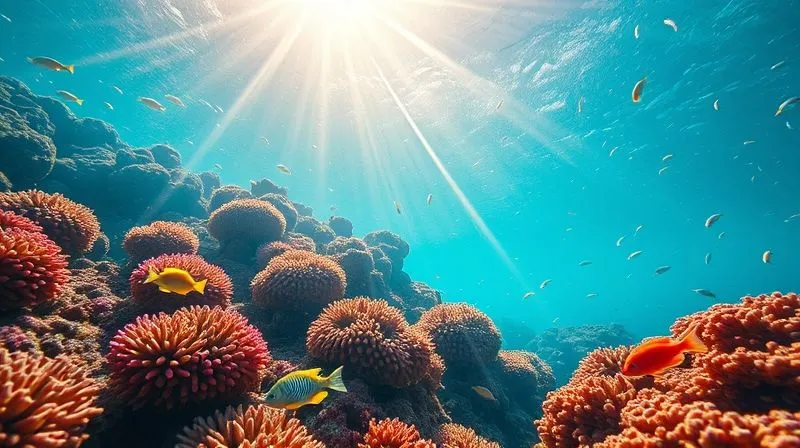
Paradoxically, marine life can both contribute to and detract from water clarity. Thriving coral reefs and extensive seagrass beds are natural filters, trapping sediment and promoting a healthy, clear environment. They are indicators of a robust ecosystem that naturally maintains transparency. However, algal blooms, often triggered by nutrient runoff from land (agriculture, sewage), can turn vast stretches of ocean into a cloudy, greenish-brown soup. These blooms are often seasonal and can be predicted with local knowledge.
Tides, Currents, and Weather Patterns
The dynamic forces of the ocean play a pivotal role. Strong currents can stir up sediment from the seafloor, especially in shallower areas. Similarly, powerful waves generated by wind can churn the water, reducing clarity. Conversely, calm conditions allow suspended particles to settle. Understanding tidal cycles is also crucial; outgoing tides can carry murky estuarine water out, while incoming tides might bring clearer ocean water in. Always consider the prevailing weather patterns and their historical impact on a specific area.
Geographic Intelligence: Pinpointing Pristine Locations
Geography isn't just about location; it's about protection. The physical layout of a coastline, the underwater topography, and the surrounding landmasses are critical determinants of consistent water clarity. As an expert, I’ve found that a keen eye for these details can save clients from disappointment.
The Importance of Topography: Bays vs. Open Ocean
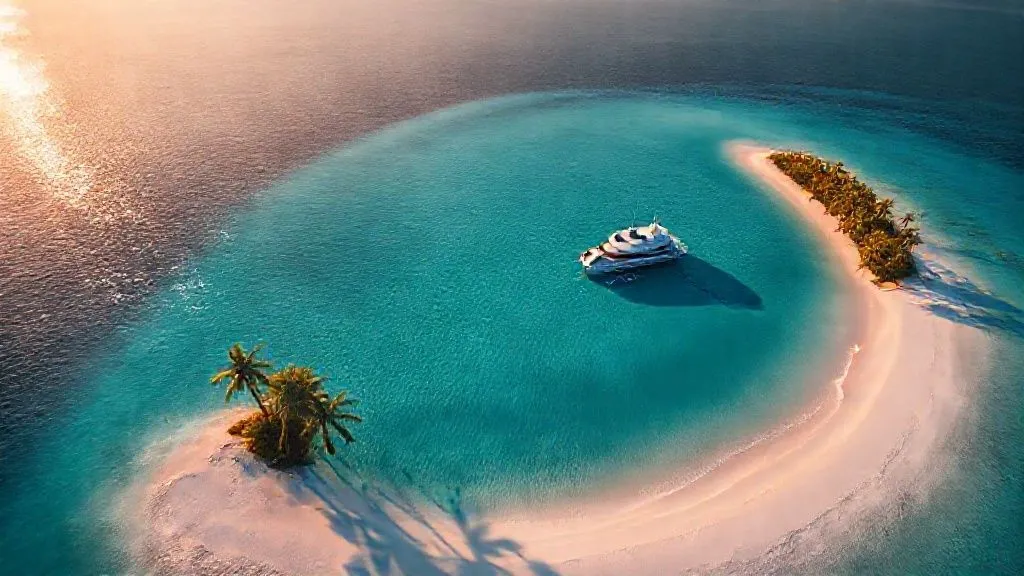
Generally, sheltered bays, coves, and lagoons tend to offer more consistent clarity than open ocean beaches. These natural formations act as barriers against strong currents and waves, preventing sediment from being stirred up. The calmer waters allow particles to settle more readily. However, not all bays are equal; a bay with a river emptying into it will likely be less clear than one fed by pristine ocean currents and surrounded by undeveloped land. Deeper waters also tend to be clearer as the bottom is less easily disturbed.
Identifying Remote & Less-Developed Areas
Human activity is a significant contributor to water turbidity. Development often leads to increased runoff from construction, sewage discharge, and general pollution. Therefore, beaches located in more remote, less-developed regions, especially those within marine protected areas or national parks, often maintain superior clarity. These areas typically have stricter environmental regulations and less direct human impact on the ecosystem. This is where your deep research and network become invaluable in uncovering hidden gems.
"The clearest waters often guard their secrets in the less-trodden paths. Your expertise lies in revealing them, not just repackaging the obvious."
| Beach Type | Clarity Likelihood | Key Characteristics |
|---|---|---|
| Sheltered Bay/Lagoon (No River) | High (Consistent) | Protected from waves/currents, minimal runoff, often coral/seagrass beds |
| Open Coastline (Remote) | Medium-High (Weather Dependent) | Less human impact, exposed to ocean swells, clarity varies with wind/waves |
| Sheltered Bay (Near River Mouth) | Low-Medium (Variable) | Protected, but affected by river sediment, clarity highly dependent on rainfall |
| Developed Open Coastline | Low (Inconsistent) | High human impact, susceptible to pollution, sediment from development, exposed to ocean dynamics |
Seasonal & Tidal Rhythms: Timing is Everything
Understanding the temporal dynamics of water clarity is just as crucial as understanding its geography. The same beach can look dramatically different depending on the time of year, or even the time of day. This is where your expertise in timing truly shines.
Navigating Rainy Seasons and Storms
The most significant seasonal factor impacting water clarity is rainfall. Heavy rains lead to increased runoff from land, carrying sediment, pollutants, and organic matter into coastal waters. This can turn even typically pristine beaches murky for days or even weeks. Therefore, a fundamental step in guaranteeing clear water is to meticulously research the rainy seasons of your chosen destination. Avoid recommending trips during peak wet seasons unless you have specific, localized knowledge that assures clarity in certain micro-regions. Storms, even distant ones, can generate significant swells that churn up seabed sediment, affecting clarity far from the storm's direct path.
Understanding Tidal Charts and Currents
Tides play a continuous, often overlooked, role in local water clarity. As I mentioned earlier, incoming tides often bring in clearer, open ocean water, while outgoing tides can carry out murkier water from shallower areas or estuaries. The timing of high and low tide can significantly impact the visual appeal of a beach at any given moment. Furthermore, local currents can either flush out suspended particles or, conversely, trap them in certain areas. For a truly consistently clear water experience, advise clients on the optimal times of day to visit based on tidal movements. This level of detail elevates your service from good to exceptional.
- Research Historical Rainfall Data: Utilize meteorological archives or climate data websites for the specific region. Understand average monthly rainfall and identify the driest periods.
- Consult Local Tide Charts: For your chosen destination, access detailed tide charts. Identify the patterns of incoming and outgoing tides and their associated water levels.
- Analyze Current & Wave Forecasts: Use marine weather forecasting sites (e.g., NOAA for US regions or local equivalents) to predict wave height and current strength, which directly affect sediment suspension.
Leveraging Local Expertise and On-the-Ground Vetting
While data and science provide a robust foundation, nothing replaces the boots-on-the-ground intelligence. My most successful clear water recommendations have always been fortified by insights gleaned from those who live and breathe the local marine environment. This is how you move from educated guesswork to confident assurance when finding consistently clear water beaches for clients.
Building a Network of Local Contacts
Cultivate relationships with local dive shop owners, snorkeling guides, fishermen, resort managers, and even long-term residents. These individuals are your eyes and ears. They possess an intimate, day-to-day understanding of local conditions that no satellite image or historical data set can fully replicate. They know which coves stay clear even after a storm, which areas are prone to seasonal algae, and when specific currents bring in the best visibility. Don't underestimate the power of a quick call or email to a trusted local contact for real-time updates.
The Power of Real-Time Information
In today's interconnected world, real-time information is a goldmine. Beyond personal contacts, leverage social media groups dedicated to local travel or marine activities. Many dive shops post daily water conditions. Look for recent, unedited photos and videos from travelers. Encourage your clients to share their experiences, both good and bad, which can feed back into your knowledge base. Remember, a picture might be worth a thousand words, but a current picture taken yesterday is worth far more than one taken five years ago.
Case Study: The Maldives Island Retreat
My client, a luxury travel agency, struggled to consistently deliver on promises of 'glass-like' waters in the Maldives. They relied heavily on glossy marketing photos and outdated information, leading to client disappointment on several occasions. By implementing a new protocol, I trained their agents to connect directly with dive masters and resort managers for daily, real-time water clarity reports, often via WhatsApp or quick phone calls. This proactive approach transformed their client satisfaction. In one critical instance, an agent received an alert about an unexpected, localized algal bloom affecting a specific atoll just days before a high-value client's arrival. Armed with this real-time intel, the agency was able to proactively reroute the client to a different, unaffected atoll nearby, securing an even more pristine experience. This saved a potentially disastrous booking, reinforced immense client trust, and became a cornerstone of their competitive edge.
Beyond the Eye: Tools for Water Quality Assessment
While visual assessment and local knowledge are paramount, there are also technological and scientific tools that can bolster your predictive capabilities. Integrating these into your research process provides another layer of assurance in your quest to find consistently clear water beaches for clients.
Satellite Imagery & Online Resources
Modern satellite technology offers incredible insights into ocean conditions. Platforms like NASA EarthData, or even publicly accessible satellite imagery tools (e.g., Google Earth historical views), can reveal patterns of sediment plumes, algal blooms, and even long-term coastal changes. While not always real-time, historical satellite data can help you understand common seasonal trends and areas prone to turbidity. Additionally, many local environmental agencies and universities publish water quality reports online, which can provide valuable scientific data on factors like nutrient levels, salinity, and turbidity readings, giving you an objective measure of water health.
Understanding Water Quality Reports
When accessing water quality reports, you don't need to be a marine biologist, but understanding a few key parameters can be highly beneficial. Look for:
- Turbidity: This is a direct measure of water clarity, indicating the amount of suspended particles. Lower numbers are better.
- Chlorophyll-a: High levels can indicate the presence of phytoplankton, which are often associated with algal blooms.
- Fecal Indicator Bacteria (e.g., Enterococci, E. coli): While not directly related to visual clarity, high levels suggest sewage contamination, which often comes with suspended organic matter and poses health risks.
- Nutrient Levels (Nitrates, Phosphates): Elevated levels can fuel algal growth, leading to reduced clarity.
Setting Client Expectations and Crafting the Perfect Itinerary
Even with all the expert knowledge and meticulous planning, nature remains unpredictable. The true mark of an experienced industry specialist is not just finding clear water, but also managing expectations and providing flexible solutions. This is paramount when you're dedicated to finding consistently clear water beaches for clients.
Transparent Communication is Key
Never over-promise. While you strive for perfection, it's crucial to educate your clients about the natural variables that can affect water clarity. Explain that while you've selected the destination based on the highest probability of clear water, factors like unexpected rainfall, strong winds, or even natural marine phenomena can cause temporary variations. Frame this not as a limitation, but as an appreciation for the dynamic beauty of nature. Provide examples of what 'clear' means – perhaps not always 'glass-like' but consistently good for snorkeling and swimming. This transparency builds trust and mitigates disappointment if conditions aren't absolutely perfect.
Building Flexibility into Itineraries
A truly expert-crafted itinerary for clear water experiences incorporates flexibility.
- Offer Alternatives: Research nearby beaches or islands that might offer different conditions. If one spot is murky, can you pivot to another with a short boat ride?
- Activity Diversification: Ensure there are other engaging activities available besides just swimming and snorkeling. This could include island tours, cultural experiences, or resort amenities, providing value even if water clarity is temporarily compromised.
- Booking Flexibility: Where possible, recommend accommodations or activities with flexible cancellation or rebooking policies, especially if traveling during shoulder seasons where weather can be more variable.
- Educate on 'Best Times': Advise clients on the best times of day for swimming and snorkeling (e.g., often mid-morning before winds pick up, or during incoming tides) to maximize their chances of enjoying the clearest conditions.
"Under-promise and over-deliver. When it comes to nature's unpredictable beauty, this mantra is your client's best friend and your greatest asset in building lasting trust."
Sustainable Practices: Preserving Clarity for the Future
As industry specialists, our responsibility extends beyond immediate client satisfaction. The quest to find consistently clear water beaches for clients is intrinsically linked to the health of our oceans. Promoting and practicing sustainability is not just ethical; it's essential for ensuring these pristine environments exist for generations to come.
Promoting Eco-Conscious Travel
Educate your clients about the importance of responsible tourism. This includes minimizing their environmental footprint: avoiding single-use plastics, using reef-safe sunscreen, not touching or taking marine life, and adhering to local conservation guidelines. Suggest activities that support marine conservation efforts, such as guided eco-tours or visits to marine sanctuaries. By empowering clients to be part of the solution, you enhance their travel experience with a sense of purpose and contribute to preserving the very clarity they seek.
Partnering with Responsible Operators
Carefully vet your local partners – resorts, tour operators, dive shops. Prioritize those with demonstrable commitments to environmental stewardship. Look for certifications from recognized bodies like Green Globe, EarthCheck, or local marine conservation groups. Responsible operators often have sustainable waste management practices, use renewable energy, support local conservation projects, and educate their guests on eco-friendly behaviors. Partnering with such operators ensures that your clients' travel dollars contribute positively to the preservation of the clear water ecosystems you're trying to showcase. For example, organizations like the World Wildlife Fund (WWF) often highlight sustainable tourism initiatives and partners.
Frequently Asked Questions (FAQ)
Question: Does the time of day affect water clarity? Yes, absolutely. The time of day can significantly influence water clarity. Often, early mornings are best before winds pick up and stir the surface, or before boat traffic increases. Additionally, as discussed, tidal cycles play a role; incoming tides typically bring clearer ocean water, while outgoing tides might carry murkier water from shallower areas or estuaries. Always check local tidal charts and consider prevailing wind patterns for optimal viewing times.
Question: Are all coral reef beaches guaranteed to have clear water? While coral reefs are often associated with crystal clear waters because they act as natural filters and thrive in healthy, transparent environments, it's not an absolute guarantee. Factors like localized runoff from heavy rainfall, strong currents stirring up sediment, or even seasonal algal blooms can temporarily reduce clarity even around a healthy reef. However, a thriving reef is generally a strong indicator of good underlying water quality, making it a higher probability location for clarity.
Question: How do I explain potential clarity variations to a discerning client without causing concern? Transparency and education are key. Frame it as appreciating nature's dynamic beauty. Explain that while you've meticulously selected locations with the highest probability of clear water, natural phenomena like tides, weather, and marine life can cause temporary, localized variations. Emphasize your proactive research and ability to provide alternative activities or nearby clear spots. Reassure them that your goal is to maximize their experience, even if it means adapting to nature's whims, which often adds to the adventure.
Question: What's the role of tides in water clarity? Tides play a crucial role. Incoming tides typically bring in fresh, clear ocean water from deeper offshore areas, often resulting in better visibility. Conversely, outgoing tides can carry water that has been in shallower bays or estuaries, potentially picking up sediment, organic matter, or runoff, which can reduce clarity. Strong tidal currents can also stir up seabed sediment in shallow areas. Understanding the local tidal charts is therefore essential for predicting daily clarity.
Question: Can I rely solely on online reviews for water clarity? While online reviews and user-generated content (photos, videos) can be valuable for initial research, they should not be your sole source of truth for water clarity. Reviews are often subjective, can be outdated, or might only represent a single moment in time. Always cross-reference with official data, local contacts, and your scientific understanding of the factors influencing clarity. Use reviews as a starting point, but always verify with more reliable, current information.
Key Takeaways and Final Thoughts
Mastering the art of finding consistently clear water beaches for clients is a nuanced skill, one that requires a blend of scientific understanding, meticulous research, local intelligence, and impeccable client communication. It's about moving beyond marketing brochures and diving deep into the environmental realities of each destination. By adopting the framework I've outlined, you're not just selling a vacation; you're curating an unforgettable, trust-building experience.
- Understand the Science: Grasp how sediment, marine life, tides, and weather impact clarity.
- Leverage Geography: Prioritize sheltered, less-developed areas with healthy ecosystems.
- Master Timing: Account for seasonal rainfall, storms, and daily tidal rhythms.
- Cultivate Local Intel: Build networks with on-the-ground experts for real-time updates.
- Utilize Tools: Employ satellite imagery and water quality reports for objective data.
- Communicate Transparently: Set realistic expectations and build flexibility into itineraries.
- Champion Sustainability: Protect these pristine environments for future generations.
Your clients seek not just a destination, but a promise – the promise of pristine, clear waters that invite them to connect with the ocean's beauty. By integrating these expert strategies into your practice, you will not only fulfill that promise but consistently exceed expectations, solidifying your reputation as the go-to specialist for truly exceptional beach travel. Go forth, explore, and let the clarity of your recommendations shine as brightly as the waters you'll help your clients discover.
Recommended Reading
- 7 Steps to Safeguard Your Wellness Journey Abroad: Avoid Alt-Med Scams
- 7 Smart Ways to Budget Multi-Generational Family Cruises Without Overspending
- How to Impress Key Clients at a Global Light Festival on a Tight Schedule: 6 Pro Tips
- Unveiling the Journey: What to Expect from Your Spiritual Adventure Pilgrimage
- Master Your First White Water Rafting Trip: Essential Prep Guide



Your email address will not be published. Required fields are marked *