

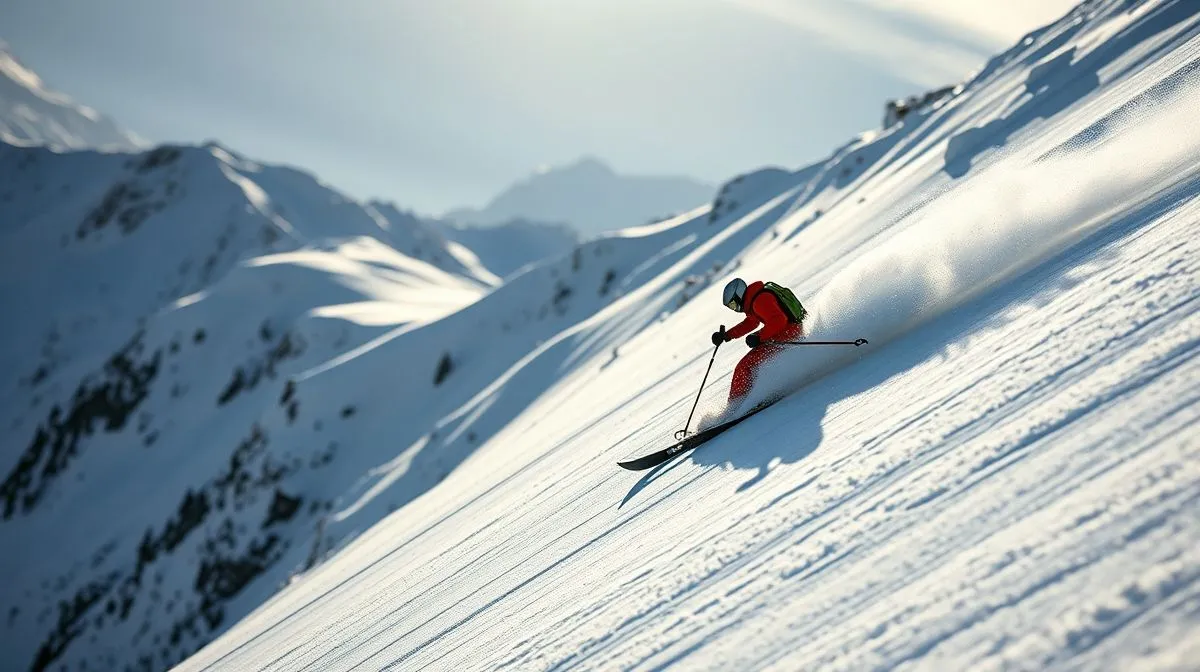
Best Winter Sports Photography Settings
Have you ever been mesmerized by those stunning winter sports photographs, the ones that perfectly capture the thrill and beauty of the moment? The crisp snow, the dynamic movement, the intense expressions – it all seems so effortlessly captured.
But capturing such images isn't always easy. Winter sports photography presents unique challenges: unpredictable weather, rapidly changing light conditions, and the need to freeze fast-paced action. Getting the right settings is crucial.
This comprehensive guide will equip you with the knowledge to master the best winter sports photography settings. By the end, you'll understand how to adjust your camera to capture sharp, vibrant, and emotionally resonant images of skiers, snowboarders, and other winter athletes in action.
Understanding Your Camera's Settings
Aperture, Shutter Speed, and ISO: The Holy Trinity
The three most important settings for any type of photography, especially action shots, are aperture, shutter speed, and ISO. Let's break them down:
- Aperture (f-stop): Controls the amount of light entering the camera. A wider aperture (smaller f-number, e.g., f/2.8) lets in more light, creating a shallow depth of field (blurred background). A narrower aperture (larger f-number, e.g., f/8) lets in less light, resulting in a greater depth of field (more of the scene in focus).
- Shutter Speed: Determines how long the camera's shutter stays open. A faster shutter speed (e.g., 1/500s) freezes motion, while a slower shutter speed (e.g., 1/60s) creates motion blur. For winter sports, you'll mostly use faster shutter speeds.
- ISO: Measures the camera's sensitivity to light. A lower ISO (e.g., ISO 100) produces cleaner images but requires more light. A higher ISO (e.g., ISO 3200) is more sensitive to light, allowing you to shoot in low-light conditions, but it can introduce noise (grain) into the image.
Choosing the Right Settings for Different Winter Sports
Skiing and Snowboarding
Fast-paced sports like skiing and snowboarding demand a fast shutter speed to freeze the action. Aim for at least 1/500s, or even 1/1000s for extreme close-ups. A moderately wide aperture (e.g., f/4 or f/5.6) will help you isolate your subject from the background. Keep your ISO as low as possible to minimize noise.
Ice Skating and Hockey
Ice skating and hockey also require fast shutter speeds (1/500s or faster) to capture the swift movements of the athletes. However, the lighting conditions in ice arenas can be challenging. You might need to increase your ISO to compensate for the lower light levels, but try to stay below ISO 6400 to avoid excessive noise. Consider using a wider aperture (e.g., f/2.8 or f/4) for better low-light performance.
Snowshoeing and Cross-Country Skiing
These slower-paced activities allow for more flexibility in your settings. You can experiment with slower shutter speeds (e.g., 1/125s to 1/250s) to create a sense of motion blur, adding a dynamic feel to your images. You can also use a narrower aperture (e.g., f/8 or f/11) for greater depth of field, ensuring everything from the foreground to the background is sharp.
Mastering White Balance and Focus
White Balance: Achieving Accurate Colors
White balance corrects the color temperature of your images, ensuring that whites appear white and colors are accurate. In snowy conditions, the light can often appear bluish or cool. Your camera may offer a preset for 'snow' or 'shade' to compensate. Alternatively, you can shoot in RAW format and adjust the white balance later during post-processing.
Focus: Sharpness is Key
Using autofocus is crucial for capturing sharp images of moving subjects. Most cameras offer different autofocus modes; experiment to find the one that best suits the speed and predictability of the winter sport you're photographing. Consider using continuous autofocus (AI Servo or similar) to track your subject's movement.
Advanced Techniques for Stunning Winter Sports Photos
Using a Telephoto Lens
A telephoto lens (e.g., 70-200mm or longer) allows you to get closer to your subject without physically being closer, ideal for capturing detailed shots of athletes in action. It also compresses perspective, making your background appear closer and more dramatic.
Panning for Motion Blur
Panning involves following your subject with your camera while using a relatively slow shutter speed. This creates a sharp subject against a blurred background, conveying a sense of speed and movement. It's a great technique for capturing the dynamic essence of winter sports.
Composition and Storytelling
Don't just focus on technical settings. Think about your composition! Use leading lines, the rule of thirds, and other compositional techniques to create visually appealing and storytelling images. Consider the emotions you want to evoke in your viewers. Are you capturing the thrill of the race, the beauty of the landscape, or the determination of the athlete?
Frequently Asked Questions (FAQ)
What is the best ISO for winter sports photography? The best ISO depends on the lighting conditions. Aim for the lowest ISO possible (e.g., ISO 100-400) to minimize noise, but be prepared to increase it (up to ISO 3200 or higher if necessary) in low-light situations.
How do I avoid blurry photos in winter sports photography? Use a fast shutter speed (at least 1/500s), a sharp lens, and a stable shooting position. Consider using image stabilization if your camera or lens offers it.
What aperture should I use for winter sports photography? The ideal aperture depends on your desired depth of field. A wider aperture (e.g., f/2.8-f/5.6) will blur the background, while a narrower aperture (e.g., f/8-f/11) will keep more of the scene in focus.
What is the best lens for winter sports photography? A telephoto zoom lens (e.g., 70-200mm) is versatile and ideal for capturing action shots. A wide-angle lens can also be useful for capturing the surrounding landscape.
How can I improve my winter sports photography skills? Practice regularly, experiment with different settings, and learn from other photographers. Review your images, analyze what works and what doesn't, and continually refine your techniques.
Recommended Reading
- Best Time for Caribbean Ocean Cruises? Unveiling the Perfect Season
- Wild Camping Checklist for Beginners UK: Your Essential Guide
- Amalfi Coast's Best Michelin Restaurants: Your Exclusive Culinary Guide
- Tuscany's Best Pasta Class for Beginners: The Secret to Authentic Flavors
- High-Speed Rail Europe: Pro Travel Tips for Seamless Journeys
Conclusion
Mastering the best winter sports photography settings is a journey, not a destination. By understanding aperture, shutter speed, ISO, white balance, and focusing techniques, and by practicing regularly, you can capture stunning images that truly capture the excitement and beauty of winter sports. Remember, the best settings depend on the specific conditions and the type of shot you're aiming for. So get out there, experiment, and unleash your creativity! Happy shooting!

Your email address will not be published. Required fields are marked *