

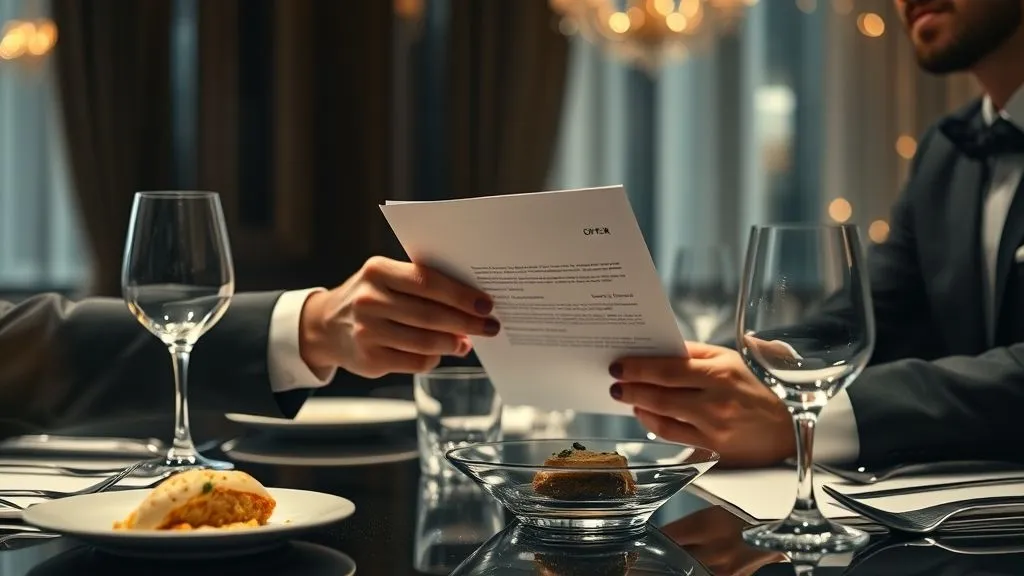
Choosing luxury gourmet dining to close critical client deals?
For over two decades in the high-stakes world of international business development and luxury travel, I’ve witnessed firsthand the subtle yet profound power of a well-orchestrated gourmet dining experience. It's not merely about the food or the ambiance; it's about crafting an environment where trust can flourish, barriers can soften, and critical deals can find their natural conclusion.
The challenge, however, is that many professionals view these encounters as mere social obligations or extravagant expenses, missing the strategic depth required to truly leverage them. Without a clear understanding of the psychology, etiquette, and meticulous planning involved, what should be a powerful closing tool can quickly devolve into an awkward, unproductive, or even detrimental experience.
In this definitive guide, I will share the invaluable insights I've gathered, transforming a simple dinner into a potent strategic asset. You’ll learn actionable frameworks, delve into mini case studies, and gain expert perspectives that will empower you to not just dine, but to strategically succeed when choosing luxury gourmet dining to close critical client deals.
Beyond the Menu: The Psychology of a Deal-Closing Dinner
Understanding the psychological underpinnings of a business dinner is paramount. It’s a departure from the formal boardroom, a move into a more personal, albeit still professional, sphere. This shift allows for a different kind of interaction, fostering a connection that purely transactional meetings often fail to achieve.
Building Rapport Beyond the Boardroom
In my experience, the greatest deals are built on relationships, not just contracts. A luxury dining setting offers a unique opportunity to build rapport, to see and be seen by your client as more than just a business associate. Sharing a meal, especially one that is thoughtfully curated, creates a shared experience that can humanize the negotiation process.
This environment subtly encourages open communication. The relaxed atmosphere, coupled with the sensory pleasure of fine food and drink, can lower defenses and make both parties more amenable to finding common ground. It’s an exercise in social engineering, where the setting itself becomes a catalyst for connection.
"A truly successful business dinner isn't about closing the deal over dessert; it's about building the bridge of trust that allows the deal to close later, effortlessly."
The Subtlety of Influence
The influence exerted during a luxury dining experience is often subtle, almost subconscious. The choice of restaurant, the quality of service, and the attention to detail all speak volumes about your own standards and respect for your client. It’s a non-verbal communication that reinforces your brand and commitment.
According to a study published in the Journal of Marketing Research, shared sensory experiences, such as dining together, can significantly increase feelings of connection and cooperation. This heightened sense of camaraderie can be the differentiator when high-stakes decisions are on the line. It's about creating an atmosphere where your client feels valued and understood, paving the way for a positive outcome.
Strategic Venue Selection: More Than Just Michelin Stars
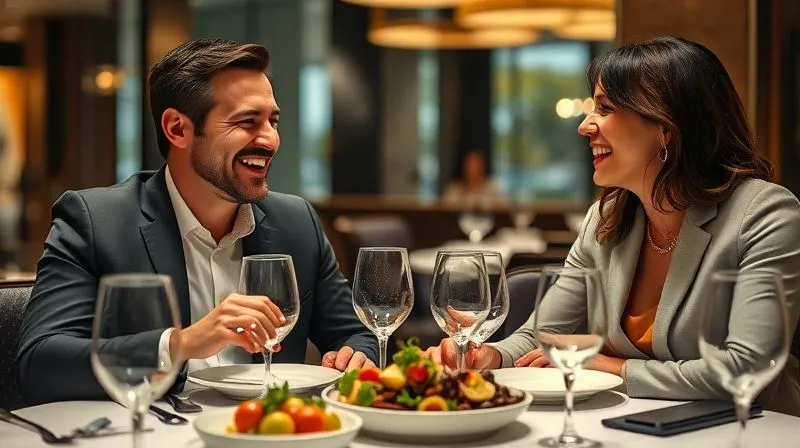
Choosing the right venue is not a task to be taken lightly; it's a strategic decision that can make or break your efforts when choosing luxury gourmet dining to close critical client deals. It's about finding a place that aligns with your objective, your client's preferences, and the gravitas of the deal at hand.
Researching the Perfect Ambiance
A Michelin star is a good starting point, but it's not the sole criterion. Consider the restaurant's ambiance: Is it too loud for a discreet conversation? Is it too stuffy or too casual for your client's style? The ideal venue strikes a balance between elegance, comfort, and a level of privacy conducive to business discussions.
I always recommend visiting the restaurant beforehand if possible, or at least meticulously researching its layout, noise levels, and typical clientele. Look for establishments known for their discretion and professional service, places where your conversation won't be overheard, and where interruptions are minimized.
Service Excellence: A Silent Partner
Impeccable service is your silent partner in this endeavor. From the moment you arrive, the staff should be attentive but not intrusive, anticipating needs without being overbearing. The ability of the waitstaff to handle special requests, manage timing, and maintain an air of professionalism directly reflects on your choice and, by extension, on you.
A seamless dining experience allows you and your client to focus entirely on each other and the discussion, rather than being distracted by service issues. This level of detail in service elevates the entire experience, signaling that you value excellence in every aspect.
| Criterion | Consideration |
|---|---|
| Cuisine Type | Client preference, novelty vs. comfort, dietary needs. |
| Ambiance & Noise Level | Conducive to conversation, privacy, appropriate formality. |
| Location & Accessibility | Convenience for client, ease of travel, parking/transport. |
| Service Reputation | Discretion, attentiveness, professionalism, speed. |
| Price Point (Value) | Appropriate for deal size, reflects respect without extravagance. |
| Specialty & Uniqueness | Memorable experience, local flavor, exclusivity. |
The Art of Pre-Planning: Orchestrating Success Before Arrival
The success of your luxury gourmet dining experience hinges significantly on the preparation you undertake before you even step foot in the restaurant. This isn't just about making a reservation; it's about orchestrating every detail to create a flawless environment for your critical client deal.
- Client Intelligence Gathering: Before selecting a restaurant, delve into your client's preferences. Do they have dietary restrictions (allergies, vegetarian, vegan, kosher, halal)? Do they prefer a specific type of cuisine? Are they adventurous eaters or do they stick to classics? LinkedIn, social media, and even a quick chat with their assistant can provide invaluable clues.
- Venue Vetting: As discussed, visit the restaurant or conduct thorough online research. Confirm noise levels, table layouts (request a quiet, private table), and verify the menu aligns with your client’s preferences.
- Reservation & Special Requests: Make the reservation well in advance. Explicitly mention it's a business dinner and request a prime table. Inform the restaurant about any dietary needs or special occasions. Some establishments will print custom menus without prices, a thoughtful touch for the host.
- Pre-order Aperitifs/Appetizers (Optional): For very tight schedules or to set an immediate tone, consider pre-ordering a round of drinks or a simple appetizer to be ready upon arrival. This smooths the initial moments and shows proactive care.
- Review the Menu & Wine List: Familiarize yourself with the menu, including specials. If you're hosting, it's wise to have a few wine recommendations in mind or to consult with the sommelier privately beforehand to avoid awkward pauses or overspending in front of the client.
- Confirm Logistics: Ensure you know the route, parking options, and have contact numbers for the restaurant and your client. Confirm any transportation arrangements for your client.
Case Study: How Veridian Solutions Secured a Multi-Million Dollar Contract
Veridian Solutions, a mid-sized software firm, was vying for a multi-million dollar contract with a notoriously discerning global conglomerate. Their CEO, Ms. Anya Sharma, understood that simply presenting a stellar product wasn't enough. For the final negotiation phase, she invited the client's executive team to a dinner.
Ms. Sharma’s team meticulously researched the client's CEO's preferences, discovering a passion for authentic Italian cuisine and a slight seafood allergy. She selected a discreet, Michelin-starred Italian restaurant known for its exquisite wine list and impeccable, unobtrusive service. She pre-arranged a private dining room, ensured a custom menu was printed without prices, and even had the sommelier suggest a specific vintage of Barolo that she knew the client's CEO admired.
During the dinner, Ms. Sharma allowed the conversation to flow naturally, focusing on shared interests and building rapport before subtly transitioning to the deal. The client felt deeply respected and understood, noting the personalized touches. This thoughtful approach, far beyond a mere meal, solidified trust and paved the way for Veridian Solutions to close the multi-million dollar contract just two days later. The deal was attributed not just to their product, but to the strong personal connection forged at the dinner.
Mastering Dinner Etiquette: The Unspoken Language of Trust
Etiquette is not about rigid rules; it's about demonstrating respect, confidence, and consideration. When you're choosing luxury gourmet dining to close critical client deals, your conduct speaks volumes, often more than your words. Mastering these nuances can differentiate you as a truly polished professional.
Navigating the Menu and Wine List
As the host, you should guide the ordering process subtly. Offer suggestions, but always defer to the client's preferences. If they seem hesitant, offer to order a few dishes for the table to share, or recommend a signature dish. When it comes to wine, it's often best to let the client express their preference first. If they decline wine, do not push it. If they accept, suggest a selection and let them choose, or ask the sommelier for a recommendation that suits the chosen dishes.
Remember, the goal is comfort and enjoyment for your client. Avoid ordering the most expensive item on the menu for yourself if your client chooses something more modest. The focus should be on creating an enjoyable, unpressured experience.
The Delicate Dance of Business Conversation
The timing and nature of business discussions are crucial. Resist the urge to dive straight into the deal. Begin with light conversation – current events, shared interests, even the food itself. This builds warmth and rapport. I always advise waiting until after the main course has been served, and often even until dessert, before transitioning to the core business discussion.
When you do transition, do so smoothly. "Now that we've enjoyed this fantastic meal, I wanted to circle back to our earlier discussion on X..." is a much better approach than abruptly shifting gears. Pay close attention to your client's body language and cues. If they seem uncomfortable or resistant, pivot back to a lighter topic and try again later, or save it for the follow-up meeting.
"The true mark of a sophisticated host is not just knowing what to say, but knowing when to listen, and when to let the silence speak."
Timing is Everything: When to Talk Business (and When Not To)
The flow of a gourmet meal offers natural pauses and transitions that can be leveraged for strategic conversation. Understanding these phases is critical for effective communication when choosing luxury gourmet dining to close critical client deals.
The Appetizer Phase: Rapport Building
This is the prime time for casual conversation, breaking the ice, and establishing a personal connection. Discuss hobbies, travel, shared acquaintances, or even the restaurant itself. Avoid heavy business discussions. The goal here is to make your client feel comfortable and valued as an individual, not just a potential deal.
As Seth Godin often emphasizes, people do business with those they know, like, and trust. This initial phase is dedicated to building that 'like' factor. It’s about finding common ground and demonstrating genuine interest in your client beyond the transaction.
The Main Course: Strategic Dialogue
Once the main courses arrive and the initial pleasantries have settled, this is typically the most opportune moment to gently steer the conversation towards business. The atmosphere is usually more relaxed, and the focus is on the meal itself, providing a natural backdrop for a more substantive discussion.
This is where you can introduce key points, address concerns, and explore potential solutions. Keep it collaborative and conversational, avoiding a hard sell. The goal is to advance the discussion, clarify understandings, and identify next steps, not necessarily to close the deal on the spot.
Dessert & Coffee: The Close or The Follow-Up
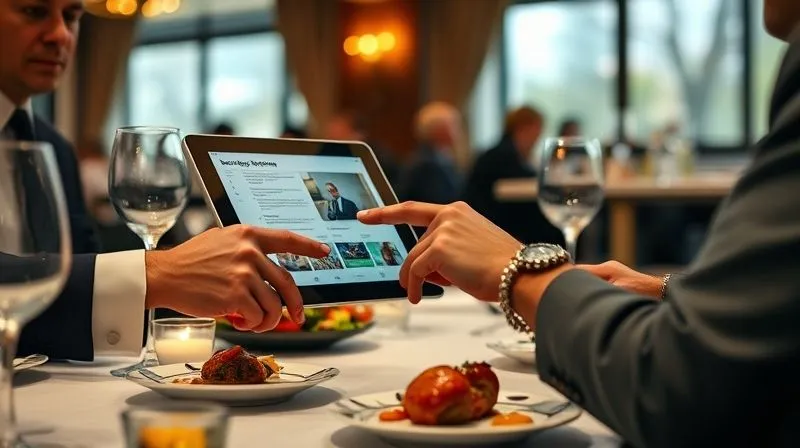
As dessert and coffee are served, the atmosphere often becomes more reflective. This can be an excellent time for a soft close, summarizing agreements, or solidifying commitments. If a direct close isn't appropriate or feasible, use this time to outline clear next steps and reinforce your commitment to the client relationship.
Always end the meal on a positive and forward-looking note. Express gratitude for their time and the engaging conversation. Even if the deal isn't closed, a successful dinner lays the groundwork for future collaboration.
Post-Dinner Protocol: Solidifying the Win
The dinner itself is only one part of the equation. The actions you take immediately afterward are just as crucial in solidifying the positive impression and moving the deal forward. This is where the true professionalism shines through, ensuring your efforts when choosing luxury gourmet dining to close critical client deals yield lasting results.
- Immediate Follow-Up Email: Send a concise, personalized thank-you email within 24 hours. Reference something specific from your conversation – a shared laugh, an insight they offered, or a point of agreement. Reiterate any agreed-upon next steps.
- Internal Debrief: Immediately after the dinner, debrief with your team (if applicable). Document key takeaways, client insights, potential objections, and actionable items. This ensures no crucial information is lost.
- Action on Commitments: If you promised to send information, make an introduction, or follow up on a specific query, do so promptly. Promptness reinforces reliability and commitment.
- Maintain the Relationship: The dinner is a building block, not the entire structure. Continue to nurture the relationship through regular, valuable interactions, not just when you need something.
- Review & Refine: Critically assess what went well and what could be improved for future client dinners. This continuous learning process refines your strategic approach.

Measuring ROI: Was the Investment Worth It?
While the immediate outcome of a closed deal is the most obvious return on investment, the true value of luxury gourmet dining extends far beyond. It’s about building long-term relationships and establishing a reputation that pays dividends over years, not just quarters.
Quantifying the Intangibles
It can be challenging to put a precise monetary value on improved client relationships, enhanced trust, or a stronger brand perception. However, these intangibles are often the foundation of sustained business success. Consider the following metrics:
- Client Retention Rate: Did the dinner contribute to retaining a key client for an extended period?
- Upsell/Cross-sell Opportunities: Did the strengthened relationship lead to additional business?
- Referrals: Did the client refer new business to you after the dinner?
- Speed of Deal Closure: Did the dinner expedite the sales cycle for critical deals?
- Client Satisfaction Scores: Is there an observable increase in client satisfaction or advocacy?
According to research by McKinsey & Company, companies that prioritize customer experience and relationship building often see a 10-15% increase in revenue and a 20% reduction in service costs. A well-executed client dinner directly contributes to this experience.
Long-Term Client Lifetime Value
The investment in a luxury dining experience should be viewed through the lens of client lifetime value (CLV). A single dinner, if executed strategically, can secure a client for years, leading to multiple deals, repeat business, and invaluable referrals. The cost of a gourmet meal pales in comparison to the potential revenue generated over the lifespan of a loyal, high-value client.
This strategic perspective transforms the dinner from an expense into a powerful investment in your most critical assets: your client relationships. It's not just about closing one deal, but about opening doors to a future of collaboration and mutual success.
| Metric | Before Dinner | After Dinner |
|---|---|---|
| Client Engagement Score | Moderate | High |
| Sales Cycle Duration | 90 Days | 60 Days |
| Client Referral Rate | 10% | 25% |
| Upsell Success Rate | 15% | 30% |
| Client Satisfaction (Post-Deal) | Good | Excellent |
Frequently Asked Questions (FAQ)
What if my client doesn't drink alcohol? How do I handle ordering beverages? This is a common scenario. As the host, you should absolutely not pressure your client to drink. When the server approaches, simply offer them a selection of non-alcoholic options first – sparkling water, fresh juice, or a sophisticated mocktail. You can then order a glass of wine for yourself if you wish, or opt for a non-alcoholic beverage as well to show solidarity. The key is to make them feel comfortable and respected in their choice.
How do I handle unexpected dietary restrictions that weren't communicated beforehand? Remain calm and discreet. When the server takes orders, gently ask your client if they have any preferences or restrictions. If they mention something unexpected, immediately and politely inform the server. A good luxury restaurant staff is adept at handling such requests and can often offer suitable alternatives or adapt dishes on the fly. Apologize briefly for the oversight and assure them the kitchen will accommodate.
Is it ever appropriate to discuss specific numbers or financial terms at the dinner table? Generally, it's best to avoid getting into deep, detailed financial negotiations or quoting precise figures at the table. The dining environment is for building rapport and advancing the conversation conceptually. If the client brings up numbers, you can acknowledge them and suggest it's a topic best explored in a follow-up meeting where you can dedicate full attention to the details. Keep the dinner focused on strategic alignment and relationship building.
Should I always pick up the tab, or is it acceptable to split it or let the client pay? As the host, you should always expect and intend to pay the entire bill. This is a fundamental aspect of hosting a luxury business dinner and demonstrates your commitment and generosity. Discreetly arrange with the server beforehand to present the bill directly to you, or to charge it to your account without presenting it at the table. Never allow the client to feel they need to contribute or fight for the bill.
What's the biggest mistake hosts make when choosing luxury gourmet dining to close critical client deals? The biggest mistake I've observed is treating the dinner as a mere formality or, conversely, as a high-pressure sales pitch. Many hosts fail to do their homework on client preferences, leading to awkward menu choices, or they jump straight into business without building sufficient rapport. The dinner is an experience, not just a transaction. Neglecting the human element and the strategic flow of the evening is a critical misstep.
Recommended Reading
- Rome on a Budget: Best Free Attractions for First-Time Visitors!
- Ultimate Guide: How to Ensure Child Safety on International Family Tours
- Unveiling the Secrets: What Makes a Safari Truly Luxurious Experience?
- 5 Proven Strategies: Executives Truly Unplug on Cruise Packages?
- 7 Essential Strategies: How to Mitigate DCS Risks on Multi-Day Dive Trips
Main Points and Final Considerations
Navigating the intricate landscape of high-stakes business deals requires more than just a compelling product or service; it demands a nuanced understanding of human connection and strategic influence. When choosing luxury gourmet dining to close critical client deals, you are not merely offering a meal, but crafting an experience designed to foster trust and facilitate success.
- Strategic Intent: Every aspect, from venue selection to conversation timing, must be purposeful and aligned with your deal-closing objective.
- Client-Centricity: Prioritize your client's comfort, preferences, and experience above all else. This demonstrates respect and builds genuine rapport.
- Flawless Execution: Meticulous pre-planning, mastery of etiquette, and seamless post-dinner follow-up are non-negotiable for success.
- Relationship as ROI: Recognize that the true return on investment extends beyond immediate deal closure, encompassing long-term client loyalty and future opportunities.
- Continuous Refinement: Learn from every experience, adapting your approach to become an even more effective and sophisticated host.
By embracing these principles, you elevate a simple dinner into a powerful strategic tool. You’re not just serving food; you’re serving opportunity, building bridges, and laying the groundwork for enduring partnerships. Go forth, plan meticulously, and transform your next luxury gourmet dining experience into a resounding success.




Your email address will not be published. Required fields are marked *