

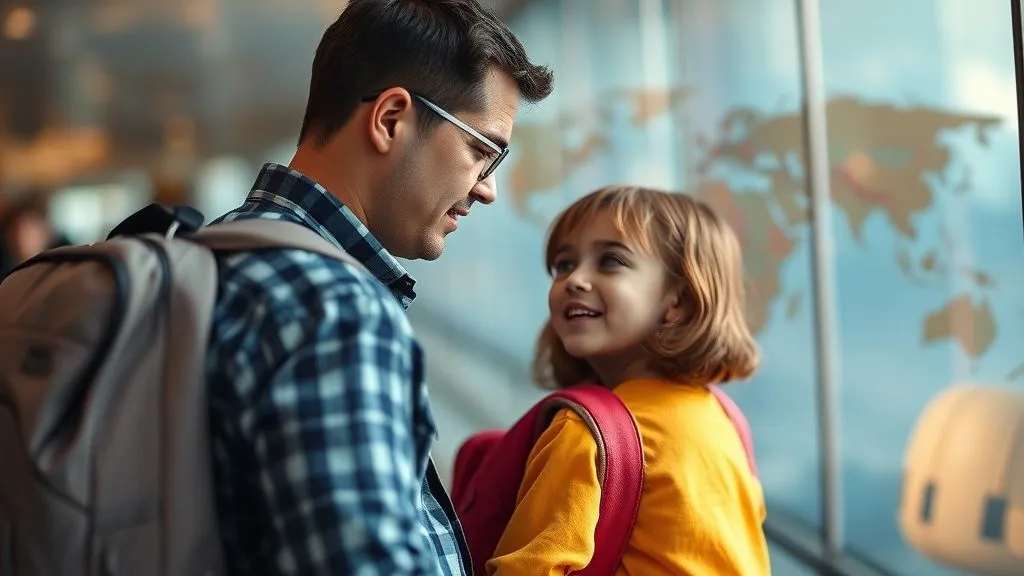
How to ensure child safety on international family tours?
When planning an international family tour, the question of how to ensure child safety is paramount for any responsible parent. In my 15 years of guiding families through global adventures, I've observed that preparedness and proactive vigilance are the twin pillars of a secure trip. It's not about fear; it's about empowerment through knowledge.The journey to ensuring your child's safety begins long before you even pack a suitcase. Thorough pre-trip research is your first line of defense, allowing you to anticipate and mitigate potential risks specific to your destination.
A common mistake I see is underestimating the cultural nuances that can impact safety. For instance, what might be considered a minor inconvenience at home could be a significant safety concern abroad due to different infrastructure, social norms, or emergency response systems.
- Deep Dive into Destination-Specific Risks: Research local laws concerning children, common scams targeting tourists, and any prevalent health advisories. Understand the local emergency numbers and how to communicate effectively if you don't speak the language.
- Health and Medical Preparedness: Schedule a pre-travel medical check-up for your children and ensure all vaccinations are up to date. Pack a comprehensive first-aid kit tailored to common childhood ailments and any specific needs, including prescription medications with their original labels and doctor's notes.
- Documentation and Identification: Beyond passports and visas, carry copies of birth certificates, medical insurance cards, and a list of emergency contacts, including your pediatrician and embassy details. Consider giving older children a small card with essential contact information in case they get separated.
- Accommodation Vetting: Before booking, scrutinize reviews for family-friendly safety features. Look for details about balcony safety, pool fencing, window locks, and electrical outlets. A quick call to the hotel can confirm these specifics.
Once you're on the ground, the focus shifts to constant, yet mindful, vigilance. It's about creating a safe bubble around your children without stifling their sense of adventure or your own enjoyment.
"True safety isn't about eliminating all risks – an impossible feat – but about equipping yourself and your children with the tools and awareness to navigate them confidently."
Supervision is non-negotiable, especially in unfamiliar environments. Crowded markets, busy streets, and public transportation hubs demand an elevated level of attention. In my experience, a 'buddy system' for siblings can add an extra layer of oversight, but it never replaces direct parental supervision.
- Lost Child Protocol: Before entering any busy area, establish a clear meeting point with your children. Teach them what to do if they get lost: find a uniformed official, a mother with children, or a designated safe person. Equip them with a temporary tattoo or bracelet containing your contact information and the hotel name.
- Stranger Awareness: Reiterate your family's 'stranger danger' rules. In my family, we use a simple 'secret word' system; if anyone approaches my children claiming to be sent by me, they must know the secret word. If not, they are to seek immediate help.
- Transportation Safety: Always prioritize safety-rated car seats or booster seats, even if it means bringing your own or verifying rental options meticulously. When using public transport, keep children close, especially on crowded buses or trains where sudden stops or jostling are common.
- Food and Water Vigilance: Be hyper-aware of local food and water safety standards. Stick to bottled water, avoid uncooked street food, and ensure all meals are thoroughly cooked. This is particularly crucial for younger children with developing immune systems.
- Environmental Hazards: Depending on your destination, this could mean anything from venomous insects to extreme heat or cold. Pack appropriate clothing, insect repellent, and educate your children about not touching unfamiliar plants or animals. Always carry enough water to prevent dehydration.
Finally, remember that children thrive on routine and predictability, even on vacation. Maintaining some semblance of their normal sleep and meal schedules can significantly reduce fatigue and irritability, which in turn reduces the likelihood of accidents or poor judgment from both children and parents.
By integrating these actionable strategies into your travel plan, you're not just hoping for a safe trip; you're actively constructing one. It's a testament to your commitment as a parent and, ultimately, allows everyone to truly enjoy the incredible experience of international family travel.
Understanding the Root of the Problem: Why Do Child Safety Risks Happen on International Tours?
In my fifteen years guiding families through the intricacies of international travel, I've observed a recurring pattern: child safety risks rarely arise from malicious intent, but rather from a confluence of predictable factors. Understanding these underlying causes is the bedrock of prevention. It's not about fear-mongering, but about **informed vigilance**. A primary culprit is often what I call the **"vacation brain" phenomenon**. Parents, understandably, are seeking relaxation and a break from routine. This mental shift, while desirable, can inadvertently lower one's guard, leading to a subtle but significant reduction in the hyper-awareness typical of daily parenting at home. Compounding this is the sheer **overwhelm of international travel**. Managing logistics, navigating unfamiliar environments, dealing with language barriers, and keeping multiple family members happy can stretch even the most organized parent to their limits. When mental bandwidth is consumed by these pressures, critical safety details can inadvertently slip through the cracks. Another significant root cause lies in the **unfamiliarity of foreign environments**. What feels safe and predictable at home – traffic patterns, public spaces, even food hygiene – can be vastly different abroad. We often subconsciously assume universal safety standards, a dangerous oversight when travelling internationally. In my experience, a common mistake is underestimating the **impact of novelty on child behavior**. Children, especially younger ones, are naturally curious and impulsive. A new, exciting environment can amplify their desire to explore, test boundaries, and wander off, often without fully grasping the associated dangers.Consider the example of a bustling souk in Morocco or a crowded market in Vietnam. While fascinating, these environments present unique hazards:
- Sensory Overload: The cacophony of sounds, vibrant colors, and strong smells can disorient a child.
- Crowd Dynamics: It's incredibly easy for a small child to become separated in a dense crowd, especially if local customs involve less personal space.
- Unfamiliar Dangers: Open drains, uneven pavement, or fast-moving scooters are common in many places but may not register as immediate threats to a child.
The true root of most child safety risks on international tours isn't a lack of love or care, but a lack of specific, actionable awareness. It's the gap between our familiar domestic safety nets and the often-unseen vulnerabilities of a new, exciting, and sometimes unpredictable world.Ultimately, these risks stem from a blend of **situational stressors**, **cognitive biases** (like assuming universal safety), and **information deficits**. Recognizing these foundational issues is the crucial first step toward building a robust safety strategy that protects your children, allowing everyone to truly enjoy the adventure.
Lack of Pre-Trip Planning and Research
In my fifteen years guiding families through international adventures, I've observed that the most significant vulnerability to child safety often stems not from external threats, but from a fundamental oversight: a **lack of robust pre-trip planning and research**. Many parents, understandably excited by the prospect of travel, inadvertently treat safety as an afterthought or assume universal standards, which is a dangerous misconception.
A common mistake I see is a superficial glance at a destination, focusing solely on attractions rather than the underlying infrastructure and cultural nuances that directly impact a child's well-being. This isn't just about knowing where the nearest hospital is; it's about understanding the **quality of care**, the **language barriers**, and the **local emergency protocols** that could be life-saving.
Effective pre-trip planning is akin to laying a solid foundation before building a house. Without it, you're exposing your family to unnecessary risks. Here are critical areas often overlooked:
- Destination-Specific Safety Profiles: Research local crime rates, common scams targeting tourists (especially those with children), and areas to avoid. Understand the political climate and any recent advisories.
- Medical Infrastructure and Access: Identify reputable hospitals or clinics with pediatric capabilities *before* you need them. Verify your travel insurance covers international medical emergencies and direct billing, and know how to access it swiftly.
- Cultural and Legal Nuances: Different cultures have varying attitudes towards children, public behavior, and even what constitutes a "safe" environment. For instance, understanding local customs regarding stranger interaction or public displays of affection can prevent misunderstandings or uncomfortable situations.
- Vetting Accommodation Beyond Reviews: Go beyond star ratings. Investigate actual security measures (e.g., controlled access, well-lit areas, fire safety), childproofing potential, and the safety of the immediate neighborhood.
- Transportation Safety Standards: Research local car seat laws, the reliability of public transport, and the safety records of tour operators. Not all countries have the same stringent safety regulations for vehicles or drivers.
- Emergency Communication and Action Plans: Establish a family communication plan, including designated meeting points and a system for checking in. Pre-program local emergency numbers and embassy contacts into your phone.
I recall a family who traveled to Southeast Asia, assuming their hotel's "family-friendly" label implied robust security. They hadn't researched the neighborhood, which was prone to petty theft, nor had they verified the hotel's actual access control. Their child's backpack, containing critical medication, was snatched from a seemingly secure lobby while they were distracted, leading to a frantic and preventable crisis.
"True safety on an international family tour isn't about avoiding all risks – that's impossible. It's about intelligently anticipating, mitigating, and preparing for them. Your research is your shield, your map, and your first line of defense."
This proactive approach extends to understanding local health risks, like prevalent diseases, required vaccinations, and even common allergens in local cuisine that might not be clearly labeled. Having a comprehensive first-aid kit, tailored to your destination and your child's specific needs, is another non-negotiable step often overlooked until it's too late.
By dedicating significant time to **due diligence** and developing a robust **risk assessment** strategy *before* departure, you transform potential anxieties into manageable scenarios. This isn't just about preventing harm; it's about empowering your family to navigate the unexpected with confidence and peace of mind.
Over-reliance on Digital Devices and Distraction
The allure of digital devices on an international family tour is undeniable. They offer entertainment, navigation, translation, and a way to connect back home. However, in my fifteen years of guiding families through diverse global landscapes, I've witnessed firsthand how this convenience can quickly become one of the most significant safety hazards: **distraction**.A common pitfall I observe is the 'digital babysitter' phenomenon, where devices are used to occupy children, inadvertently freeing up parents to become distracted themselves. This creates a dangerous void in situational awareness, especially in unfamiliar and dynamic environments like crowded markets, busy train stations, or bustling tourist attractions.
It's not just about children being engrossed; parental distraction is equally, if not more, concerning. Checking an email, scrolling through social media, or even meticulously following a GPS can create a form of tunnel vision. Your eyes might be on the screen, but they're not scanning the crowd for a wandering child, assessing a potential hazard, or noticing a stranger lingering too close.
In the complex tapestry of international travel, your most powerful safety tool isn't an app or a gadget; it's your undivided attention. Every second your gaze is fixed on a screen, you're missing critical non-verbal cues from your child or vital environmental information that could prevent an incident.
Consider this real-world scenario: you're navigating a bustling European plaza, captivated by the GPS on your phone, trying to find your restaurant. Meanwhile, your curious five-year-old, momentarily released from your hand to explore a nearby fountain, is now out of your immediate line of sight. The few seconds it takes to look up from your device can be the exact window a child needs to get lost, or worse.
To counteract this pervasive risk, I always advise families to implement a few non-negotiable strategies:
- Designated "Screen-Free Zones": Establish specific times and places where all devices, for both parents and children, are put away. This includes meals, during transitions (airports, train stations), and when exploring high-risk or crowded areas.
- The "Active Watch" System: When traveling with two adults, assign one parent as the primary "active watch" at any given time, particularly in busy locations. This parent's sole focus is on the children and the immediate surroundings, while the other handles navigation, photos, or quick communication needs. Rotate this responsibility regularly.
- Set Clear Expectations for Children: Talk to your kids about when device use is appropriate (e.g., during long flights, quiet hotel time) and when it's absolutely not (e.g., exploring, walking through crowds). Explain the safety reasons behind these rules.
- Leverage Technology *Responsibly*: While devices can be distracting, they can also be safety tools. Use tracking apps for older children (with their knowledge and agreement), ensure everyone knows how to contact each other, and use your phone for quick, purposeful checks, not aimless scrolling.
Ultimately, the goal is to cultivate a state of **mindful presence**. This means deliberately choosing to engage with your environment and your family, rather than retreating into the digital realm. The memories you create will be richer, and more importantly, your children will be safer under your truly watchful eye.
Underestimating Cultural Differences and Local Risks
In my fifteen years guiding families through global adventures, one of the most significant pitfalls I consistently observe is the **underestimation of cultural differences and local risks**. Parents, understandably, project their home country's safety standards and social norms onto their destination, a mindset that can inadvertently expose their children to unforeseen dangers. This isn't about fear-mongering; it's about **informed preparedness**. What's considered harmless or normal in your hometown can carry entirely different implications elsewhere, directly impacting your child's safety and well-being. Consider the simple act of a child's interaction in public. In some cultures, children are seen as communal treasures, and it's common for strangers to pat a child's head, pinch cheeks, or even pick them up momentarily. While often well-intentioned, this can be deeply unsettling for a child (and parent) unaccustomed to such intimacy and raises immediate security concerns."The comfort of familiarity is a powerful, yet often misleading, compass when navigating unfamiliar lands. Always remember: your 'normal' is not universal."A common mistake I see is assuming that public spaces operate under the same safety protocols. A bustling market in Southeast Asia, for instance, has a completely different dynamic than a farmers' market in rural America. The sheer density of people, lack of clear pathways, and different traffic rules (even for pedestrians) elevate the risk of a child getting separated or injured. Local perceptions of safety also vary drastically. A quiet park at dusk might be perfectly safe in your suburban neighborhood, but in a foreign city, it could be a known area for petty crime or lack adequate lighting and security. Relying on your intuition, developed in a different context, can be a serious oversight. Here are some critical areas where cultural differences and local risks often go underestimated, impacting child safety:
- Personal Space and Touch: Understand that physical interaction with children by strangers can be much more common or less restricted in certain cultures. Teach your children how to react (e.g., politely decline, move closer to a parent) and prepare yourself for these interactions.
- Traffic Dynamics: Pedestrian rules, road crossings, and vehicle speeds can be radically different. Assume traffic is unpredictable and always hold your child's hand tightly, teaching them to always look both ways – and then some.
- Crowd Management: What feels like a fun, lively festival can quickly become overwhelming and dangerous for a small child if crowd control is lax or non-existent. Always have a clear meeting point and a 'what if we get separated' plan.
- Public Displays of Affection/Discipline: In some regions, overt public displays of affection (even between family members) or disciplining a child loudly might be viewed as inappropriate or draw unwanted attention, potentially making your family a target.
- Informal Commerce & Scams: Children can inadvertently become targets or distractions for pickpockets and scammers. Be wary of anyone overly friendly or attempting to engage your child while you're distracted.
Step-by-Step: A Practical Framework to Enhance Child Safety Abroad
After more than fifteen years guiding families through the labyrinth of international travel, I've seen firsthand that true peace of mind isn't found in luck, but in preparation. It's about proactive planning, not reactive panic. A common mistake I observe is parents focusing solely on the fun aspects, inadvertently overlooking the critical groundwork for safety.
My framework isn't just a checklist; it's a philosophy designed to empower you with control, even in unfamiliar territories. This practical, step-by-step approach ensures that child safety is woven into the very fabric of your family adventure, making it an intuitive part of your journey rather than an anxious afterthought. It’s about creating a robust safety net that travels with you, adapting to every new environment.
-
The Pre-Departure Deep Dive: Knowledge is Your Ultimate Shield.
Before you even pack a single suitcase, the most potent tool in your safety arsenal is comprehensive knowledge. In my experience, families who invest time in thorough research are far less likely to encounter preventable issues abroad.
-
Destination-Specific Risk Assessment: Go beyond the glossy travel guides. Research local laws concerning minors (e.g., age of consent, curfews, supervision requirements), common scams targeting tourists, and specific environmental hazards. For instance, in some tropical regions, understanding local wildlife dangers or water safety protocols for lakes and rivers is paramount. A few years ago, I advised a family traveling to Costa Rica to research local riptide warnings and always swim near lifeguards, a detail often missed in general travel blogs.
-
Health and Medical Preparedness: Identify local medical facilities, their quality, and the nearest English-speaking doctors. Compile a list of essential emergency numbers (local police, ambulance, your country's embassy/consulate). Carry a well-stocked first-aid kit, and for any prescription medications, always bring the original packaging and a doctor's note. This avoids potential customs issues and ensures you have proper documentation if you need refills.
-
Child Identification & Documentation: Beyond passports, create laminated cards for each child. These should include their full name, date of birth, blood type, any allergies, your contact numbers (including international dialing codes), and your accommodation details. Ensure you have both physical and digital copies of all essential documents – passports, visas, insurance policies – stored securely in the cloud and on a separate device.
-
"What If" Scenario Planning: This isn't about fear-mongering; it's about empowerment. Sit down with your children, even young ones, and discuss what to do if they get separated. Establish a family "code word" for emergencies, and designate clear, easily identifiable meeting points in crowded areas. Practice these scenarios at home. I once worked with a family who used a unique hand signal for "I need help" that only they understood, which proved invaluable when their child felt overwhelmed in a bustling market.
-
-
On-the-Ground Protocols: Building Your Family's Safety Bubble.
Once you've landed, your pre-departure knowledge translates into actionable daily routines and vigilant awareness. This stage is about consistent application of your safety strategy.
-
Establish Clear Family Rules: Before leaving your accommodation each day, reiterate simple, non-negotiable rules: always hold a parent's hand in busy areas, never wander off alone, ask permission before approaching strangers. These rules should be consistent across all environments, from bustling city squares to tranquil beach resorts.
-
Constant Supervision and Proximity: This might seem obvious, but it's where many parents become complacent. Even older children require a high level of supervision in unfamiliar environments. Implement a "buddy system" for siblings, and for younger children, consider child-tracking harnesses or wrist links in extremely crowded places. In my travels, I've found the "arm's length rule" to be incredibly effective – if your child isn't within arm's length, they're too far.
-
Accommodation Safety Check: Upon arrival, immediately inspect your hotel room or rental. Check window locks, balcony railings, and ensure there's no easy access to the pool if you have young children. Familiarize yourselves with emergency exits and fire escape routes. A simple door alarm or wedge can also add an extra layer of security to your room.
-
Stranger Awareness & Local Interaction: Teach children how to politely but firmly decline interactions with unknown adults who try to engage them alone. Emphasize that if they feel uncomfortable, they should seek out other families with children or uniformed personnel. It's crucial to balance this with teaching them to identify safe adults (e.g., hotel staff, police) if they genuinely need help.
-
-
Leveraging Technology & Tools: Smart Safety Aids.
In the 21st century, technology offers powerful enhancements to traditional safety measures. It's not a replacement for parental vigilance, but a valuable complement.
-
Child Tracking Devices: For younger children or those prone to wandering, GPS trackers (often integrated into smartwatches or small pendants) can provide critical peace of mind. These allow you to pinpoint your child's location in real-time, which can be invaluable in a crowded museum or theme park. I've heard countless stories where these devices prevented prolonged distress.
-
Communication Preparedness: Ensure you have local SIM cards or international roaming plans that work reliably. Pre-program all critical emergency numbers and your accommodation's contact information into your phone, and teach older children how to use your phone to call for help. Consider a simple, pre-paid local phone for older kids, solely for emergency contact.
-
Digital Document Vault: Utilize secure cloud storage services (like Google Drive or Dropbox) to keep scanned copies of all passports, visas, birth certificates, and insurance details. This provides immediate access if physical documents are lost or stolen, significantly streamlining the replacement process. I also recommend taking photos of your children each morning in their outfit – a simple but effective way to have a current description if they go missing.
-
-
Continuous Vigilance & Adaptability: The Unseen Guardian.
Safety isn't a one-time setup; it's an ongoing commitment. The most experienced family travelers understand that vigilance must be constant and adaptable to changing circumstances.
In my two decades of travel, I've learned that the greatest safety measure isn't a gadget or a rule, but a parent's unwavering situational awareness. It's the quiet hum of observation that keeps everyone safe.
-
Situational Awareness: Always be scanning your environment. Notice exits, potential hazards, and the general demeanor of people around you. Trust your gut feeling – if a situation or a person feels off, remove your family from it. This intuitive awareness develops with practice and is your most potent, non-technological safety tool.
-
Cultural Nuances in Safety: Understand that safety norms can vary. In some cultures, it's common for strangers to interact with children more freely, which might feel uncomfortable to you. Learn to politely but firmly manage these interactions while respecting local customs. For example, a firm "No, thank you" with a smile can be more effective than an aggressive response that might be misinterpreted.
-
Regular Safety Check-ins: Before embarking on a new activity or entering a particularly crowded area, take a moment to briefly review your safety protocols with your children. "Remember our meeting spot if we get separated in this market?" or "Who do we ask for help if we get lost here?" These quick refreshers keep safety top-of-mind for everyone.
-
Flexibility and Contingency Planning: Sometimes, despite the best planning, things go awry. Be prepared to change plans if a situation feels unsafe, if your child is unwell, or if local conditions unexpectedly deteriorate. Having a backup plan for transportation, accommodation, or activities provides a critical safety net for unforeseen circumstances.
-
Step 1: Comprehensive Pre-Trip Research and Documentation
Before you even dream of packing those miniature suitcases, the most critical step in ensuring your child's safety on an international tour begins with meticulous, proactive investigation. In my fifteen years guiding families through the complexities of global travel, I've learned that **comprehensive pre-trip research and documentation** isn't just helpful; it's the bedrock of a secure and enjoyable journey. This stage is where you transform from a tourist into an informed, prepared guardian. Many families, eager for adventure, rush past this foundational phase. A common mistake I see is assuming that safety standards or healthcare access will be comparable to home. This oversight can lead to preventable crises, from minor illnesses escalating due to lack of local medical knowledge to legal complications stemming from unfamiliar local laws. Your goal here is to become a temporary expert on your destination's child-specific safety landscape.Start by delving into the **healthcare infrastructure** of your destination. Identify reputable, English-speaking pediatricians or hospitals in the areas you'll be visiting. Knowing where to go for a sudden fever or a sprained ankle can be a game-changer, especially in countries where medical standards or communication might differ significantly from what you're accustomed to.
- Research local emergency numbers and how to access them.
- Understand the availability and quality of pharmaceutical supplies, especially for any specific medications your child might need.
- Investigate common local health risks, such as prevalent illnesses, water safety, and food hygiene practices.
Next, scrutinize **local laws and cultural norms** that impact children. In some nations, expectations for child supervision are vastly different, while others have strict laws regarding children in public spaces or unaccompanied minors. Ignorance of these can inadvertently put your family in awkward or even precarious situations.
- Are there specific car seat laws you need to be aware of for local transportation?
- What are the cultural attitudes towards children, and how might this affect interactions with locals or public safety?
- Are there any local customs regarding photography of children or public displays of affection that could be misinterpreted?
Consider the **environmental and transportation safety** specifics. For instance, is the tap water safe for children to drink? Are there specific wildlife concerns, or unique geographic hazards like high altitudes or strong ocean currents? Understanding these elements allows you to plan activities and precautions accordingly.
- Research the safety records of local public transport or recommended ride-sharing services.
- Identify reputable tour operators known for child-friendly safety protocols.
- Assess potential environmental hazards, from air quality to insect-borne diseases, and pack appropriate protective measures.
Beyond research, **comprehensive documentation** is your invisible safety net. This goes far beyond just passports. In my experience, having all critical paperwork meticulously organized and accessible has defused countless potential emergencies and bureaucratic headaches. Think of it as your child’s portable, paper-based lifeline.
- **Personal Identification & Health Records:**
- Valid passports for all family members, with at least six months' validity beyond your return date.
- Original birth certificates for children, especially if parents have different surnames or if only one parent is traveling.
- A letter of consent from the absent parent(s), notarized, if applicable.
- Copies of vaccination records, allergy lists, and prescriptions for any ongoing medications (including generic names).
- A doctor's note for any specific medical conditions or required equipment.
- **Financial & Insurance Safeguards:**
- Copies of your travel insurance policy, highlighting emergency medical evacuation and repatriation coverage.
- Contact information for your insurance provider, including their 24/7 emergency line.
- A list of credit card numbers (obscured), bank contacts, and emergency funds.
- **Emergency Contact & Communication Plan:**
- A detailed list of emergency contacts, both at home and your destination (e.g., local embassy/consulate).
- A printed copy of your itinerary, including accommodation details and flight numbers.
- Consider registering your trip with your country's embassy or consulate (e.g., the Smart Traveler Enrollment Program (STEP) for U.S. citizens).
"The power of preparation lies not in preventing every single mishap, but in dramatically reducing the severity and impact of the unexpected. For child safety, this proactive stance is non-negotiable."
Always carry **multiple copies** of these vital documents: a physical set in a waterproof pouch in your carry-on, another physical set in your checked luggage (if applicable), and digital copies stored securely in a cloud service that you can access from anywhere. This redundancy ensures that even if one set is lost or stolen, you have backups readily available.
Step 2: Establishing Clear Family Safety Protocols and Communication
Establishing robust safety protocols and fostering open communication within your family is not merely a good idea; it's the bedrock of a secure international adventure. In my fifteen years of guiding families through global explorations, I've observed that a clear, shared understanding of what to do in various scenarios significantly reduces anxiety and enhances overall safety. This isn't about fear-mongering; it's about empowerment.A common mistake I see is families assuming children will instinctively know what to do if separated or in an emergency. In reality, the unfamiliarity of a foreign environment can be disorienting even for adults. Therefore, **pre-trip discussions are absolutely non-negotiable**.
Think of it like a fire drill: you practice *before* the emergency. These conversations should be age-appropriate, calm, and involve everyone. Make it a collaborative discussion, not just a lecture.
One of the most critical protocols to establish is the **"What if we get separated?" plan**. This scenario is a parent's worst nightmare, but with a pre-defined strategy, it becomes manageable.
- Designate Clear Meeting Points: Before entering any large, crowded area – a market in Marrakech, a bustling museum in Paris, or a sprawling theme park – identify a specific, easily recognizable meeting point. It could be "the big fountain," "the main entrance by the statue," or "the information desk."
- Teach the "Safe Adult" Concept: Instruct children to look for specific types of adults if they get lost. This could be someone in a uniform (police, security, park staff) or, if those aren't visible, a family with children. Emphasize *not* to go with just anyone who offers help.
- Memorize Key Information: Even young children can learn their parent's first name, a phone number (start with just the last four digits, then build up), and the name of your hotel. Practice this often, making it a game.
- Wear Identification: For younger children, consider wristbands with your contact information and hotel name, or a laminated card tucked into a pocket. In my experience, these simple tools have averted countless moments of panic.
Beyond separation, a comprehensive communication strategy involves daily check-ins and situational awareness. Every morning, before leaving your accommodation, take five minutes for a **"safety huddle."**
"Proactive communication isn't just about rules; it's about cultivating a collective mindset where every family member understands their role in the team's safety."
During this huddle, briefly review the day's itinerary, discuss any potential safety considerations specific to your destination (e.g., pickpocketing warnings in a crowded square, traffic rules in a new city), and remind everyone of the "what if" protocols.
- Buddy System: For families with multiple children, implement a buddy system. Older children can be paired with younger ones, fostering a sense of responsibility and mutual watchfulness.
- "Look Up, Look Around": Encourage children (and adults!) to be observant. Where are the exits? Who is around us? This isn't paranoia; it's basic street smarts that are amplified when in an unfamiliar place.
Finally, establish a clear **emergency communication plan** for situations beyond getting lost. What if a parent needs immediate medical attention, or there's a more serious incident?
- Local Emergency Numbers: Have the local emergency numbers (police, ambulance, fire) readily available on everyone's phones, and even written down. Knowing 999 for the UK or 112 for most of Europe is vital.
- Shared Digital and Physical Contact Lists: Ensure all family members who carry phones have a shared emergency contact list, including relatives back home and your travel insurance provider. A laminated card in wallets/purses is also wise for when phones might be lost or dead.
- Basic Emergency Phrases: Learn a few critical phrases in the local language, such as "Help!", "Doctor," "Police," "Lost child," and "Emergency." A translation app is good, but knowing these by heart is better.
By investing time in these discussions and protocols before and during your trip, you're not just creating rules; you're building a resilient, well-prepared family unit ready to navigate the world with confidence and peace of mind.
Step 3: Utilizing Technology for Location Tracking and Emergency Alerts
After decades of guiding families through international adventures, I've seen firsthand how technology has evolved from a mere convenience to an indispensable layer of safety. While no gadget can ever replace vigilant parental supervision, utilizing modern tech for location tracking and emergency alerts provides an invaluable safety net, offering peace of mind in unfamiliar environments.
The primary goal here is to establish a robust system for knowing your child's whereabouts and having a direct line of communication should they become separated. This isn't about constant surveillance, but rather about having immediate tools at your disposal during critical moments. In my experience, proactive setup is key; don't wait until you're already abroad to figure things out.
For younger children, dedicated **wearable GPS trackers** are an excellent choice. These devices, often disguised as watches or small clip-ons, offer real-time location data directly to your smartphone, sometimes even creating geofencing alerts if your child strays beyond a designated safe zone. A common mistake I see is parents buying cheap, unreliable models; invest in a tracker with good battery life and a strong, consistent signal.
For older children who might carry their own smartphones, leveraging built-in family safety features or third-party apps is highly effective. Services like Apple's **"Find My"** or Google's **"Family Link"** allow you to track device locations, and apps such as **Life360** offer shared location maps, emergency alerts, and even driver safety features for teens. Ensure everyone understands and agrees to the use of these apps, fostering trust rather than resentment.
Think of location tracking less as a digital leash and more as a sophisticated, invisible safety bubble. It's there to provide rapid assistance and reduce panic in those heart-stopping moments when a child briefly disappears from sight in a crowded market or a bustling museum.
Beyond simple tracking, establishing immediate communication and emergency alert protocols is paramount. Many smartwatches designed for children feature **SOS buttons** that can instantly alert pre-programmed emergency contacts with the child's location. These devices often allow two-way voice calls to a limited set of trusted numbers, preventing unwanted contact while ensuring critical communication.
I recall a family I worked with in Rome whose 7-year-old, wearing a GPS watch with a call function, got disoriented in a large piazza. With a single press of a button, he was able to call his mother directly, who then used the watch's location data to quickly reunite with him, minimizing what could have been a terrifying ordeal. This real-world application underscores the profound value of such technology.
When selecting technology, consider the age and maturity of your child, your destination's connectivity, and the device's durability. Battery life is non-negotiable; a tracker with a short battery life is a liability, not an asset. Always prioritize devices that are simple for your child to use in an emergency, minimizing stress and confusion.
- Age Appropriateness: A simple clip-on tracker for a toddler versus a smartwatch with calling for an 8-year-old.
- Battery Life: Aim for devices that last at least 24-48 hours on a single charge, ideally longer.
- Network Compatibility: Confirm the device works internationally, either with a global SIM or local network support.
- Durability and Water Resistance: Essential for active kids exploring different environments.
- Privacy Features: Ensure settings allow you to control data sharing and who can access location information.
It's crucial to remember that technology is a powerful tool, but it's not a substitute for active supervision. Over-reliance can lead to complacency, which is a far greater risk than any tech limitation. Teach your children about the technology and why it's there – not as a punishment, but as a shared safety strategy.
Finally, always conduct thorough testing of all devices and apps *before* you leave home. Understand their settings, practice using the emergency features, and ensure consistent charging routines are in place during your trip. A fully charged, tested device is a lifeline; a dead or unfamiliar one is just extra weight.
Step 4: Health Preparedness and Medical Emergency Planning
Health preparedness isn't merely about packing a few bandages; it's about constructing a robust safety net that can withstand the unexpected. In my fifteen years guiding families through international adventures, I've witnessed firsthand how a little foresight in this area can prevent a minor health issue from escalating into a major crisis. This step is about being proactive, not reactive, ensuring your family's well-being is safeguarded at every turn.Before you even think about packing, schedule a comprehensive medical check-up for every family member with your primary care physician, and crucially, a specialized travel doctor. This isn't just for peace of mind; it's to address any underlying health concerns, update routine vaccinations, and discuss destination-specific health risks. A common mistake I see is underestimating the importance of this specialized consultation, which can identify necessary preventive measures.
Your travel doctor will advise on required and recommended vaccinations for your chosen destination. This could range from routine updates like measles, mumps, and rubella (MMR) to specific ones like Hepatitis A/B, Typhoid, Yellow Fever, or Japanese Encephalitis. Remember, some vaccinations require multiple doses over several weeks or months, so this consultation needs to happen well in advance of your departure date.
For any prescription medications, ensure you have an ample supply to last the entire trip, plus a few extra days as a buffer against travel delays. Always carry medications in their original, labeled containers. In my experience, it's also wise to obtain a signed and dated letter from your doctor, outlining the medications, dosages, and why they are necessary, especially for controlled substances or syringes. This can be invaluable at customs.
A well-stocked travel first-aid kit is non-negotiable. This goes beyond the basics you might keep at home; it needs to be tailored to your family's specific needs and the destinations you're visiting. Think about common travel ailments and potential injuries your kids might encounter, from scraped knees to upset stomachs.
- Pain and Fever Relief: Child-friendly acetaminophen and ibuprofen, plus an oral thermometer.
- Digestive Aids: Anti-diarrhea medication, rehydration salts, and antacids.
- Allergy Medications: Antihistamines, and if applicable, EpiPens for severe allergies.
- Wound Care: Antiseptic wipes, various sizes of adhesive bandages, gauze, medical tape, and antibiotic ointment.
- Special Needs: Any specific prescription creams, inhalers, or other devices your family requires.
- Sun and Insect Protection: High SPF sunscreen and effective insect repellent.
My golden rule for family travel is this: "If you can't afford comprehensive travel insurance, you can't afford the trip." This isn't just about lost luggage; it's about medical emergencies that can bankrupt a family.
Invest in robust travel medical insurance that covers all family members, including pre-existing conditions. Crucially, it must include emergency medical evacuation and repatriation. Imagine a scenario where your child needs urgent medical care in a remote area; medical evacuation could cost tens of thousands of dollars, a sum no family should have to bear out-of-pocket.
When selecting a policy, scrutinize the fine print. Does it offer direct payment to hospitals, or will you have to pay upfront and seek reimbursement? Is there a 24/7 emergency assistance hotline? Understanding these details *before* an emergency strikes can significantly reduce stress and logistical hurdles during a crisis.
Beyond insurance, research the local medical infrastructure of your destination. Identify reputable hospitals, clinics, and pharmacies near your accommodations. Save their addresses and contact numbers on your phone, and even print them out as a backup. Knowing the local equivalent of your emergency services number (e.g., 911 in the US) is also vital.
Establish a clear communication plan for medical emergencies. Discuss with your family what to do if someone falls ill or gets injured. Ensure older children know who to contact and what information to provide. For younger children, ensure they carry identification with emergency contact details, and consider medical alert bracelets if applicable.
Finally, be mindful of common travel health risks. Teach children about safe food and water practices, emphasizing bottled water and thoroughly cooked meals. Protect them from sun exposure with hats and appropriate clothing, and use insect repellent diligently in areas prone to mosquito-borne illnesses. These seemingly small precautions can prevent a host of avoidable health issues, keeping your adventure on track and your family safe.
Step 5: On-the-Ground Awareness and Adaptability
Once your feet hit the ground in a new country, all the meticulous planning in the world still requires a crucial element: on-the-ground awareness. In my 15+ years guiding families through international adventures, I've observed that this isn't just about watching your children, but actively scanning, assessing, and understanding your immediate environment. It's the dynamic layer of safety that evolves with every new street, market, or restaurant you encounter.
True situational awareness means being present, not just physically, but mentally. It’s about more than just identifying obvious threats; it’s about noticing the subtle cues – the change in crowd density, an unusual pattern of behavior, or even the flow of local traffic that might differ vastly from what you’re accustomed to. This constant, gentle scan becomes second nature for experienced family travelers.
To cultivate this vital skill, consider these practices:
- The 360-Degree Scan: Periodically take a moment to look around you – front, back, sides, and up. Notice exits, potential hiding spots, and the general mood of the people.
- "Who's Watching Whom?": Be subtly aware if anyone seems overly interested in your family, your belongings, or your children. This isn't paranoia; it's prudent observation.
- Designated Meeting Spots: Even for short excursions within a museum or market, identify a clear, easy-to-find meeting point should anyone get separated.
- Noise and Activity Levels: Assess if the environment is becoming too chaotic or overwhelming for your child, which can increase the risk of separation or panic.
A common mistake I see families make is projecting their home country's safety norms onto a foreign land. What's considered safe or acceptable interaction with children can vary dramatically across cultures, and understanding these nuances is paramount. For example, in some cultures, public displays of affection with children might be more common, or conversely, direct eye contact might be misinterpreted.
I recall a family I advised traveling through Southeast Asia. They were initially concerned by the seemingly lax road safety and the ease with which locals would approach their children, often touching their hair or cheeks. We discussed how, in that particular culture, this was often a sign of admiration and friendliness, not menace, though it still required parental vigilance. They learned to politely but firmly create boundaries when needed, while appreciating the warmth.
Think of on-the-ground awareness as a continuous dynamic risk assessment. It's not a one-time check, but an ongoing process where you're constantly evaluating the present moment against potential risks. Is that crowded market becoming too overwhelming? Is the street food vendor's hygiene up to par for your children's sensitive stomachs? Is the hotel pool area adequately supervised?
The safest travelers aren't those who avoid all risks, but those who are acutely aware of them and prepared to adapt. Your intuition, honed by experience, is your most valuable safety tool abroad.
While pre-trip research covers general emergency protocols, your on-the-ground awareness must pinpoint the immediate local resources. This means knowing the nearest pharmacy, understanding how to hail a safe taxi in an emergency, or identifying the closest, reputable medical facility. Always have local emergency numbers programmed into your phone and accessible offline.
- Local Emergency Contacts: Beyond your home country's emergency number, research the specific police, ambulance, and fire numbers for your exact region. Jot them down on a physical card as a backup.
- Language Barrier Solutions: Have key phrases like "emergency," "doctor," "child," and "help" translated and ready, perhaps on a translation app or phrasebook, for quick communication.
- Immediate Escape Routes: In any lodging, restaurant, or public space, quickly identify the primary and secondary exits. Knowing your way out can save precious seconds in an urgent situation.
Finally, and perhaps most importantly, learn to trust your parental intuition. If a situation feels off, even if you can't articulate exactly why, listen to that internal alarm bell. Your subconscious is processing countless subtle cues that your conscious mind might miss. It's always better to err on the side of caution and remove your family from a questionable environment than to regret ignoring a gut feeling later.
Case Study: How the Smith Family Ensured Safety on Their European Adventure
The Smith family, parents Sarah and Mark, along with their children Lily (8) and Tom (5), embarked on a three-week European tour that spanned iconic cities in Italy, France, and Spain. Their journey wasn't just about sightseeing; it was a masterclass in proactive child safety, a model I often share with families in my workshops. In my 15+ years of guiding families through international travel, I've observed that the most secure adventures stem from meticulous preparation coupled with on-the-ground vigilance. The Smiths exemplified this philosophy beautifully, demonstrating how a well-thought-out plan can transform potential anxieties into genuine peace of mind.Before booking a single flight, the Smiths conducted extensive research. They didn't just look up attractions; they delved into local safety advisories, common tourist scams, and even neighborhood crime statistics for their chosen accommodations. This level of detail is, in my experience, non-negotiable for peace of mind.
- They used official government travel advisories and reputable travel blogs, cross-referencing information to get a balanced view. This allowed them to identify areas to avoid or times of day when certain locations might be less safe.
- Their medical preparation was equally thorough, consulting their pediatrician for recommended vaccinations and packing a comprehensive first-aid kit tailored to European pharmacies.
- They secured robust travel insurance that included emergency medical evacuation, a crucial safeguard often overlooked by less experienced travelers.
- A common mistake I see is underestimating the value of digital and physical copies of passports, visas, and insurance details. The Smiths had multiple copies stored securely online and in separate, waterproof bags.
- Crucially, they established a family communication plan. Each child knew their parents' full names and a designated "secret family password" to identify safe adults if separated. They also identified a primary and secondary meeting point for each city they visited.
- They pre-programmed local emergency numbers (police, ambulance) into their phones and noted the location of their country's embassy or consulate in each major city. This preparedness is the bedrock of true safety.
Once in Europe, the Smiths maintained their vigilant approach, adapting their safety measures to the local environment and daily activities. Their strategies were both practical and consistent, creating a secure bubble for their children.
- They meticulously selected accommodations, prioritizing locations in well-lit, central areas with positive safety reviews from other families and secure access. Upon arrival, they immediately familiarized themselves with emergency exits and the hotel's safety protocols.
- When using public transport, they avoided peak hours with young children where possible, opting for reputable taxis or ride-shares from established companies during evenings. For Lily and Tom, a lightweight, portable booster seat was packed for car journeys, emphasizing safety over convenience.
- In bustling attractions like the Colosseum or the Louvre, they employed a "buddy system" where each parent was responsible for one child, always maintaining a physical connection – either holding hands or using a safety harness for Tom in particularly dense areas.
- They consistently reinforced stranger awareness, pointing out staff in uniforms and local police as "safe adults" to approach if lost. They taught Lily and Tom the critical rule: "Never go anywhere with anyone you don't know, even if they seem friendly, without asking Mommy or Daddy first."
- They remained diligent about food and hydration, ensuring children only drank bottled water and were wary of street food unless from highly recommended, busy vendors. This prevented potential stomach upsets that could derail their trip.
The Smiths didn't just impose rules; they involved Lily and Tom in the safety discussions. They played "what if" games, asking what they would do if they got separated or saw something suspicious. This approach, in my view, transforms passive compliance into active participation.
Lily was given a small whistle to wear, to be used only in an emergency, and both children wore discreet wristbands with the hotel name and parents' phone numbers. These small tools provided an extra layer of security and confidence, empowering the children without instilling fear.
The Smith family's European adventure serves as a powerful testament to the fact that international travel with children doesn't have to be a gamble. It's about being proactive, not reactive, and understanding that safety is an ongoing conversation and commitment.
Their success wasn't due to luck, but to a structured, comprehensive approach that covered everything from pre-trip research to on-the-ground execution and child empowerment. This holistic strategy is what I consistently advocate for, and the Smiths executed it flawlessly.
In my extensive experience, the greatest safety net you can provide your children when traveling internationally isn't a single gadget or rule; it's the gift of preparedness, knowledge, and open communication. The Smiths understood this implicitly, making their European adventure not just memorable, but truly secure.
Essential Tools and Resources for Maintaining Child Safety on Tours
Ensuring child safety on international family tours extends beyond vigilant supervision; it's about equipping yourself with the right tools and resources. In my fifteen years of guiding families through global adventures, I've learned that preparation, supported by practical aids, is your most powerful ally. These aren't just gadgets; they are extensions of your protective instincts, designed to mitigate risks and provide peace of mind.
One of the most critical categories of tools revolves around **location tracking and communication**. Losing sight of a child, even for a moment, can trigger immense panic, especially in a foreign environment. Modern technology offers robust solutions that were unimaginable when I first started traveling with my own family.
-
Wearable GPS Trackers: For younger children, a small, discreet GPS tracker worn on a wrist or attached to clothing can be invaluable. These devices often link to a parent's smartphone, providing real-time location updates. In my experience, the peace of mind knowing you can pinpoint your child in a bustling market or a sprawling museum is priceless.
-
Smartphone Location Sharing: For older children equipped with their own phones, setting up a family location-sharing app (with clear boundaries and consent) is a simple yet effective measure. This allows for quick check-ins and ensures everyone can find each other if separated.
-
Two-Way Radios/Walkie-Talkies: In areas with unreliable cell service or for large venues like theme parks, a set of reliable two-way radios can be a lifesaver. They offer instant communication without relying on networks, perfect for keeping tabs on children who might wander slightly ahead or fall behind.
Beyond tracking, robust **identification and medical information accessibility** are paramount. A child separated from their parents needs to be identifiable, and their critical medical information must be readily available to those who find them or emergency services.
"A common mistake I see is relying solely on memory or a single piece of paper. Digital backups and redundant physical IDs are non-negotiable."
-
Child ID Bracelets/Tags: These should be worn at all times and contain essential information: child's name, parents' names, primary contact numbers (with country codes), and any severe allergies or medical conditions. Consider having them custom-made in multiple languages relevant to your destination.
-
Digital Document Copies: Store digital copies of passports, visas, travel insurance policies, medical records, and prescription details on a cloud service or a secure app. This acts as a crucial backup if physical documents are lost or stolen, and allows for quick access to vital health information.
-
Emergency Contact Cards: Prepare laminated cards for each family member, listing local emergency numbers, embassy contact details, and your travel insurance hotline. Ensure children know where these cards are kept and understand their importance.
A well-stocked and tailored **travel first-aid kit** is another non-negotiable tool. While hotels often have basic supplies, having your own comprehensive kit means you're prepared for immediate response to minor injuries or ailments, which can prevent them from escalating.
-
Personalized First-Aid Kit: Beyond the standard bandages and antiseptic wipes, include any specific medications your children might need (e.g., allergy medication, asthma inhalers), pain relievers, anti-diarrhea medicine, and a thermometer. Don't forget insect repellent and sun protection appropriate for the destination.
-
Prescription Documentation: Always carry original prescriptions and a doctor's note for any controlled or essential medications. This avoids issues with customs and ensures you can refill prescriptions if needed.
Finally, consider **environmental safety adapters and behavioral preparation tools**. These are often overlooked but can make a significant difference in preventing accidents and fostering a sense of security for your children.
-
Portable Door Locks/Alarms: For added security in hotel rooms, especially in less familiar accommodations, a simple portable door lock or a wedge alarm can provide an extra layer of protection against unauthorized entry. This is particularly useful when traveling with curious toddlers.
-
Car Seats/Boosters: Research local car seat laws and rental options well in advance. Do not assume taxis or tour buses will provide appropriate safety restraints. In many countries, bringing your own portable booster or lightweight car seat is the safest option. In my experience, the slight inconvenience of carrying it is far outweighed by the peace of mind.
-
"Safe Word" System: Establish a family "safe word" that only your immediate family knows. Teach your children that if anyone (even someone claiming to be a friend or family member) approaches them and doesn't know the safe word, they should immediately seek help from a trusted adult (like a uniformed staff member or another parent). This empowers them to distinguish between genuine assistance and potential threats.
-
Pre-Trip Safety Briefings: Before you even leave home, hold age-appropriate safety briefings with your children. Discuss potential scenarios – what to do if they get lost, how to identify safe adults, and the importance of staying close. Role-playing these situations can make the information stick and reduce anxiety for everyone.
By thoughtfully assembling these essential tools and resources, you're not just reacting to potential dangers; you're proactively building a robust safety net around your family. This comprehensive approach allows you to relax and truly enjoy the wonders of international travel, knowing you've done everything in your power to keep your children safe.
Reading Recommendations:
- 7 Proven Strategies: Guarantee Bonding on Complex Family Trips?
- Unlock Seamless Travel: How to Prepare for an Overnight Train Journey
- Your Ultimate Guide: How to Select a Space Tourism Company for Your Journey
- The Ultimate Guide: How to Determine If a Frozen Lake is Safe?
- Suborbital Safety: 5 Pillars to Assure Ultra-Rich Clients' Trust


Your email address will not be published. Required fields are marked *