


Crisis: Managing Heritage Site Closures for Tour Groups?
For over two decades in the cultural travel sector, I've navigated countless unforeseen challenges, but few are as immediately impactful and reputation-threatening as an abrupt heritage site closure. I've witnessed firsthand how even the most meticulously planned itineraries can unravel in moments, leaving tour operators scrambling and clients deeply disappointed. The domino effect, from logistical nightmares to financial losses and reputational damage, can be devastating if not handled with precision and empathy.
The problem isn't just the closure itself; it's the ripple effect across an entire tour group's experience. Imagine a group of avid history buffs, having traveled thousands of miles, only to find their long-anticipated visit to a UNESCO World Heritage site barred. The frustration, the sense of lost opportunity, and the potential for negative reviews are immense. Many operators, unfortunately, are caught flat-footed, lacking a robust framework for such a prevalent risk in cultural tourism.
In this definitive guide, I will share the invaluable lessons learned from years in the trenches. You'll discover not just theoretical concepts, but actionable, experience-backed strategies and frameworks to proactively mitigate, respond to, and even thrive amidst heritage site closures. We'll explore everything from pre-emptive planning and communication mastery to creative itinerary redesigns and leveraging technology, ensuring your tour groups always receive an enriching and memorable experience, regardless of the unexpected.

Understanding the Landscape: Why Heritage Sites Close
Before we can manage a crisis, we must understand its origins. Heritage site closures aren't always a dramatic, sudden event like an earthquake. More often, they stem from a spectrum of issues, some predictable, others entirely unforeseen. From my vantage point, the most common culprits include:
- Conservation & Restoration: Sites are living entities, requiring constant care. Major restoration projects, often extensive and lengthy, necessitate temporary closures for public safety and to protect the integrity of the work.
- Environmental Factors: Extreme weather events – floods, wildfires, hurricanes – can cause significant damage, leading to closures for assessment, repairs, or simply due to dangerous conditions. Climate change is making these events more frequent.
- Geopolitical & Security Concerns: Regional instability, civil unrest, or heightened security threats can lead authorities to close sites to ensure the safety of visitors.
- Maintenance & Infrastructure Issues: Less glamorous, but equally disruptive, are issues like structural instability, utility failures, or even unexpected pest infestations that require immediate attention.
- Pandemics & Public Health Crises: As we've all painfully learned, global health emergencies can trigger widespread closures, often with little to no prior warning.
- Local Events & Private Bookings: Occasionally, sites may close for special events, official visits, or even private functions, which, while scheduled, can sometimes be communicated late to tour operators.
Understanding this diverse range of reasons allows us to better anticipate and categorize potential risks during the planning phase, moving beyond a generic 'closure risk' to more specific 'conservation closure risk' or 'weather-related closure risk.'
Proactive Planning: The Cornerstone of Resilience
In my experience, the difference between a minor hiccup and a full-blown crisis often hinges on the quality of your proactive planning. It's not about predicting the future with perfect accuracy, but about building a robust framework that can absorb shocks. This is where your contingency planning truly shines.
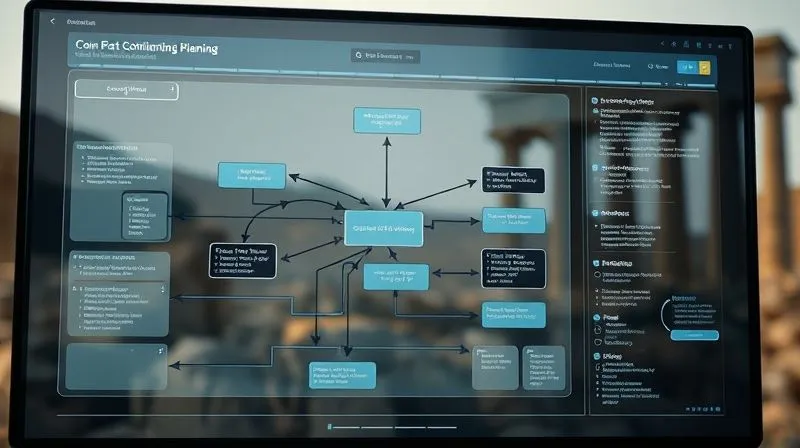
Step-by-Step Contingency Plan Development:
- Comprehensive Risk Assessment: Start by identifying all heritage sites on your itineraries. For each, research its typical operating hours, known conservation projects, local weather patterns, and any historical instances of closures. Categorize risks as high, medium, or low probability.
- Develop Tiered Alternatives: For every high-risk site, develop at least two alternative experiences. These aren't just 'backup' sites; they should offer comparable cultural or historical value, perhaps focusing on a different aspect of the region's heritage.
- Establish Communication Protocols: Define who communicates what, to whom, and through which channels, both internally and externally. Create template messages for different scenarios (e.g., 'site closed, alternative confirmed,' 'site closed, awaiting clarity').
- Financial Impact Analysis: Understand the cost implications of various closure scenarios – refunds, rebooking fees, alternative activity costs. Work with your finance team to set aside emergency funds or secure flexible booking options with suppliers.
- Legal & Insurance Review: Regularly review your terms and conditions regarding unforeseen closures. Ensure your travel insurance policies adequately cover such disruptions for both your company and your clients. Understanding travel insurance coverage is paramount.
Expert Insight: "A robust contingency plan isn't a cost; it's an investment in your brand's reputation and your clients' trust. It transforms potential chaos into a manageable challenge."
Immediate Response: Navigating the Initial Shockwave
When the dreaded news arrives – a heritage site is closed – your immediate response is critical. Speed, clarity, and decisive action are your allies. I've seen operators freeze, leading to hours of wasted time and escalating panic among clients. Don't be that operator.
Key Actions in the First Hour:
- Verify the Information: Do not react based on rumors. Contact the site directly, local tourism boards, or your on-the-ground partners to confirm the closure and its expected duration.
- Assess Immediate Impact: How many groups are affected? What's their current location? When was their planned visit? This rapid assessment helps prioritize your response.
- Activate Internal Communication: Inform your operations team, tour leaders, sales, and customer service departments. Ensure everyone has the same, verified information.
- Initiate Contingency Plan: Based on your risk assessment, immediately identify the pre-planned alternative activities or sites. Check their availability.
- Prepare Initial Client Communication: Even if you don't have all the answers, an initial, empathetic message acknowledging the situation and promising updates is crucial.
Case Study: “Global Heritage Tours” Pivots in Pompeii
Global Heritage Tours had a group en route to Pompeii when news broke of an unexpected, same-day closure due to a local workers' strike. Instead of panic, their pre-defined contingency plan kicked in. Within 30 minutes, their operations team confirmed the closure and secured immediate bookings for a private guided tour of the lesser-known, but equally fascinating, Herculaneum, just a short drive away. Their tour leader was equipped with a pre-written message explaining the situation, offering the alternative, and highlighting its unique benefits. By the time the group arrived in the region, they were already informed and excited about the revised plan, turning a potential disaster into a seamless, enriching experience. This swift action minimized disappointment and reinforced client trust.
Crafting Alternative Narratives: Enriching Plan B Options
An alternative isn't just a placeholder; it's an opportunity to create a new, equally compelling narrative for your travelers. Simply swapping one ruin for another might satisfy logistics, but it won't necessarily satisfy the cultural curiosity of your group. This is where your deep understanding of the destination's heritage comes into play.
Strategies for Creative Alternatives:
- Thematic Alignment: If the closed site was about Roman history, can you find a local museum with an exceptional Roman collection, an archaeological park focusing on a different aspect of Roman life, or even a specialized workshop on Roman crafts?
- Experiential Deep Dive: Instead of just viewing, consider an immersive experience. A cooking class focused on ancient recipes, a traditional music performance, or a meeting with a local artisan who preserves ancient techniques can be incredibly memorable.
- Local Gems & Hidden Histories: Leverage your local contacts to uncover lesser-known, but equally significant, sites or stories. These often provide a more intimate and authentic cultural experience, making the 'Plan B' feel exclusive rather than a compromise.
- Virtual & Augmented Reality: If physical access is impossible, can you arrange a high-quality virtual tour, perhaps led by an expert guide, or a session with VR headsets that transport them to the site? This is becoming an increasingly viable option, especially for long-term closures.
- Community Engagement: Engage with local communities surrounding the closed site. Perhaps there's a village nearby with traditions directly linked to the heritage site, offering a unique opportunity for cultural exchange.
The goal is to frame the alternative not as a loss, but as an unexpected gain – a chance to experience something different, perhaps more profound, than originally planned. This requires creativity, a deep network, and a genuine passion for cultural exploration.
| Scenario | Original Focus | Tier 1 Alternative | Tier 2 Alternative | Experiential Add-on |
|---|---|---|---|---|
| Archaeological Site Closure (e.g., Pompeii) | Ancient Roman City Life, Grand Scale | Herculaneum (Smaller, better preserved, intimate) | National Archaeological Museum of Naples (Artifacts, context) | Roman cooking class or Gladiator school experience |
| Historic Castle Closure (e.g., Neuschwanstein) | Fairytale Architecture, Royal History | Hohenschwangau Castle (Adjacent, family history, less crowded) | Linderhof Palace (Rococo extravagance, unique gardens) | Bavarian folklore evening or traditional craft workshop |
| Ancient Temple Closure (e.g., Angkor Wat section) | Khmer Empire, Spiritual Architecture | Banteay Srei Temple (Intricate carvings, pink sandstone) | Local Artisan Workshops (Stone carving, silk weaving) | Blessing ceremony with local monks or Apsara dance performance |
Mastering Communication: Transparency and Empathy
Communication is the bedrock of trust, especially during a crisis. In my career, I've seen how poor communication can exacerbate client frustration, even when the underlying issue isn't the operator's fault. Conversely, exemplary communication can turn a negative experience into a testament to your professionalism.
Principles of Crisis Communication:
- Be Timely: Provide updates as soon as verified information is available, even if it's just to say, "We are aware of the situation and are working on a solution; expect a full update by [time]."
- Be Transparent: Clearly state the problem (the site closure), the reason (if known and appropriate to share), and what you are doing to resolve it. Avoid jargon or evasiveness.
- Be Empathetic: Acknowledge the disappointment and frustration your clients might feel. Phrases like "We understand this is disappointing..." or "We share your frustration..." go a long way.
- Be Solution-Oriented: Always present the problem alongside the solution or the steps you're taking to find one. "The site is closed, but we have arranged an equally fascinating visit to..."
- Multi-Channel Approach: Use a combination of methods: direct messages to clients (email, SMS), updates to tour leaders, and potentially social media (if the closure is widely known). Ensure consistency across all channels.
- Empower Your Frontline: Your tour leaders and customer service agents are your first line of defense. Provide them with clear talking points, FAQs, and decision-making authority for minor issues.
Remember, your clients are looking for reassurance and solutions, not blame. Your communication strategy should reflect this, building confidence rather than eroding it. I often advise creating a dedicated crisis communication plan, complete with pre-approved messaging templates for various scenarios, to ensure rapid and consistent deployment.
Harvard Business Review offers excellent insights on crisis communication, emphasizing clarity and honesty.Financial Safeguards: Protecting Your Bottom Line
Heritage site closures aren't just about itineraries and emotions; they have significant financial implications. Unmanaged, these can severely impact your profitability and even the viability of your business. I've guided many operators through these choppy waters, and the key is a proactive approach to financial risk mitigation.
Key Financial Management Strategies:
- Supplier Agreements with Flexibility: Negotiate contracts with hotels, transport providers, and other attractions that include clauses for force majeure or unforeseen closures, allowing for penalty-free cancellations or rebookings.
- Travel Insurance for Operators: Beyond client insurance, ensure your business has comprehensive travel industry professional liability insurance that covers losses incurred due to unforeseen operational disruptions.
- Clear Refund & Rebooking Policies: Have transparent, well-articulated policies that are communicated to clients at booking. This manages expectations and reduces disputes during a crisis.
- Contingency Fund: As mentioned in planning, allocate a portion of your revenue to a dedicated contingency fund for unexpected costs, such as last-minute alternative bookings or partial refunds.
- Value-Added Vouchers: Instead of full refunds, consider offering vouchers for future travel with an added incentive (e.g., 110% value). This retains revenue and fosters future bookings.
- Detailed Cost Tracking: During a crisis, meticulously track all additional expenses and lost revenue. This data is crucial for future risk assessment, insurance claims, and internal review.
Expert Insight: "Financial resilience during a crisis isn't about avoiding all costs; it's about minimizing unrecoverable losses and strategically preserving capital through foresight and smart contractual agreements."
Leveraging Technology for Agility and Information
In today's fast-paced world, technology isn't just a convenience; it's a critical tool for crisis management. I've witnessed the evolution from frantic phone calls to sophisticated real-time platforms, and the difference in response time and efficacy is staggering. Embrace technology to enhance your agility and keep everyone informed.
Technological Tools for Crisis Management:
- Real-Time Communication Platforms: Utilize WhatsApp groups, dedicated tour apps, or professional messaging services to instantly communicate with tour leaders and clients. These allow for rapid dissemination of updates and two-way communication.
- Dynamic Itinerary Management Software: Invest in software that allows you to modify itineraries on the fly and push updates directly to clients' devices. This eliminates the need for printing new schedules and ensures everyone has the latest plan.
- Cloud-Based Document Storage: Keep all essential documents – contingency plans, supplier contacts, insurance policies, client manifests – in a secure, cloud-based system accessible from anywhere.
- Social Listening Tools: Monitor social media for early warnings of potential issues (e.g., local protests, weather advisories) or for client feedback during a crisis. This allows you to address concerns proactively.
- Predictive Analytics (Emerging): While still developing, some advanced platforms are beginning to use AI to analyze historical data and predict potential site closures based on weather patterns, local events, or conservation schedules. The impact of AI in travel is rapidly expanding, offering new tools for risk management.
- Virtual Tour Capabilities: As discussed, having high-quality virtual tours or 3D models of key sites can be a valuable fallback, especially for groups with specific academic or research interests.
Post-Crisis Review: Learning and Adapting for the Future
The crisis doesn't end when the tour group returns home. In my experience, the most valuable lessons are learned in the calm after the storm. A thorough post-crisis review is essential for continuous improvement and building a truly resilient operation. This is where you transform reactive measures into proactive strategies.
Conducting an Effective Post-Mortem:
- Debrief Your Team: Gather all involved personnel – tour leaders, operations, sales, customer service. Encourage open and honest feedback: What went well? What could have been better? What unexpected issues arose?
- Gather Client Feedback: Implement a specific survey or follow-up communication to gauge client satisfaction with how the closure was handled. Pay close attention to both positive and negative comments.
- Analyze Financial Impact: Compare the actual costs incurred against your initial financial projections. Identify discrepancies and understand their causes.
- Review Contingency Plan Effectiveness: Did your plan work as intended? Were the alternative sites suitable? Were communication protocols followed? Update the plan based on real-world performance.
- Update Supplier Agreements: Based on the experience, revisit contracts with key suppliers to strengthen flexibility clauses or explore new partnerships.
- Knowledge Sharing & Training: Document key learnings and integrate them into your training programs for new and existing staff. This institutionalizes the lessons learned.
Every crisis, while challenging, is a profound learning opportunity. By diligently reviewing and adapting, you not only improve your crisis management capabilities but also enhance your overall operational excellence, making your business more robust and trustworthy in the long run.
UNESCO provides resources on cultural heritage risk management, which can inform your long-term planning.Frequently Asked Questions (FAQ)
Question? How can I ensure my alternative itineraries genuinely appeal to my clients, rather than feeling like a 'second best' option?
Detailed answer: The key is to shift the narrative from 'alternative' to 'unique opportunity.' Focus on the specific, often more intimate or authentic, benefits of the alternative. For example, if a major site is closed, highlight a lesser-known but equally significant local gem, emphasizing its exclusivity, the absence of crowds, or a deeper connection with local culture. Empower your guides to tell compelling stories about these alternatives, perhaps even offering a unique, unexpected experience like a local tasting or a craft demonstration that wouldn't have been possible at the main site. Pre-emptively gathering a diverse range of high-quality alternatives, thematic links, and local insights during your planning phase is crucial.
Question? What are the legal implications if I have to significantly alter an itinerary due to a heritage site closure?
Detailed answer: This largely depends on the terms and conditions outlined in your booking contract with the client. Most reputable tour operators include 'force majeure' clauses or similar provisions that address unforeseen circumstances beyond their control, such as site closures. These clauses typically allow for reasonable itinerary changes without penalty, provided a suitable alternative is offered. However, if the alteration is deemed 'material' and significantly diminishes the value of the tour, clients might have grounds for partial refunds or cancellation. It's critical to have these clauses clearly defined, transparently communicated, and to consult with legal counsel to ensure your policies comply with relevant consumer protection laws in your operating regions.
Question? How can I manage client expectations regarding potential closures without causing undue anxiety before their trip?
Detailed answer: Transparency is key, but so is reassurance. Instead of presenting closures as a constant threat, frame it as part of responsible and professional tour operation. You can include a brief, positive statement in your booking confirmation or pre-departure information, something like: "While we meticulously plan every detail, unforeseen circumstances can occasionally arise, particularly with historic sites. Rest assured, our experienced team has robust contingency plans in place to ensure your journey remains enriching and memorable, even if minor adjustments are needed." This manages expectations without instilling fear, highlighting your preparedness rather than the risk itself.
Question? Should I offer partial refunds for a closed site if a suitable alternative is provided?
Detailed answer: This is a nuanced decision. If the alternative provided is of comparable value and experience, a refund might not be necessary, especially if your terms and conditions clearly state your right to make reasonable itinerary adjustments. However, if the alternative is demonstrably of lesser value, or if the client expresses significant dissatisfaction despite your efforts, a partial refund or a future travel credit can be a powerful tool for customer retention and reputation management. Weigh the cost of the refund against the potential long-term damage of a dissatisfied client and negative reviews. Flexibility and a client-centric approach often yield better long-term results.
Question? What role do local partners play in managing site closures effectively?
Detailed answer: Local partners, including DMCs (Destination Management Companies), local guides, and ground operators, are absolutely indispensable. They are your eyes and ears on the ground, often receiving real-time information about closures before it reaches official channels. Their local knowledge is invaluable for quickly identifying and securing alternative sites or experiences that might not be on your radar. Furthermore, their established relationships with local authorities and vendors can facilitate faster rebookings or special arrangements. Cultivating strong, trustworthy relationships with local partners is one of the most strategic investments a cultural tour operator can make for crisis resilience.
Key Takeaways and Final Thoughts
- Proactive Planning is Paramount: Don't wait for a crisis to hit. Develop comprehensive contingency plans, risk assessments, and communication protocols well in advance.
- Embrace Flexibility & Creativity: See site closures not as dead ends, but as opportunities to offer unique, enriching alternative experiences that can even surpass initial expectations.
- Master the Art of Communication: Be timely, transparent, empathetic, and solution-oriented in all your client and internal communications. Trust is built in moments of challenge.
- Leverage Technology: Utilize modern tools for real-time updates, dynamic itinerary management, and swift internal coordination.
- Build Strong Partnerships: Your local DMCs and guides are your frontline intelligence and problem-solvers; invest in these relationships.
- Learn from Every Experience: Conduct thorough post-crisis reviews to continuously refine your strategies and enhance your operational resilience.
The cultural travel landscape is dynamic, and unexpected heritage site closures are an inherent, though manageable, risk. By adopting these expert-backed strategies, you're not just reacting to problems; you're building a more resilient, trustworthy, and ultimately, more successful tour operation. Your commitment to preparedness and client satisfaction will not only mitigate potential damage but transform challenges into opportunities to shine, ensuring your tour groups always embark on journeys of discovery, come what may.
Recommended Reading
- RV Road Trip Ready: Master Cross-Country Length & Towing Laws Now!
- Unlock Your Weightless Dream: The Ultimate Guide to Zero Gravity Flight Preparation
- Solo Abroad & Incapacitated: 7 Steps to Ensure Your Rescue
- The Ultimate Guide to Keeping Teenagers Entertained on Family Cruises
- High-Speed Rail Europe: Pro Travel Tips for Seamless Journeys





Your email address will not be published. Required fields are marked *