


How to ensure rescue when incapacitated solo abroad with no contact?
Having spent over two decades immersed in the world of solo travel, I've guided countless adventurers through incredible journeys. But beneath the thrill of discovery, there's a primal fear that often surfaces: what if something goes wrong, and you're utterly alone?
The thought of being incapacitated in a foreign land, unable to call for help, with no one aware of your predicament, is a solo traveler's worst nightmare. It's a scenario that keeps many from ever embarking on their dream trips, or haunts those already on the road, creating an underlying anxiety that can detract from the experience.
But this isn't a problem without solutions. I've developed and refined a multi-layered strategy designed precisely to address this critical vulnerability. In this comprehensive guide, I will walk you through actionable steps, leveraging both cutting-edge technology and time-tested preparedness, to ensure that even in the gravest circumstances, a rescue plan is already in motion, protecting you when you can't protect yourself.
1. The Non-Negotiable Foundation: Comprehensive Travel Insurance
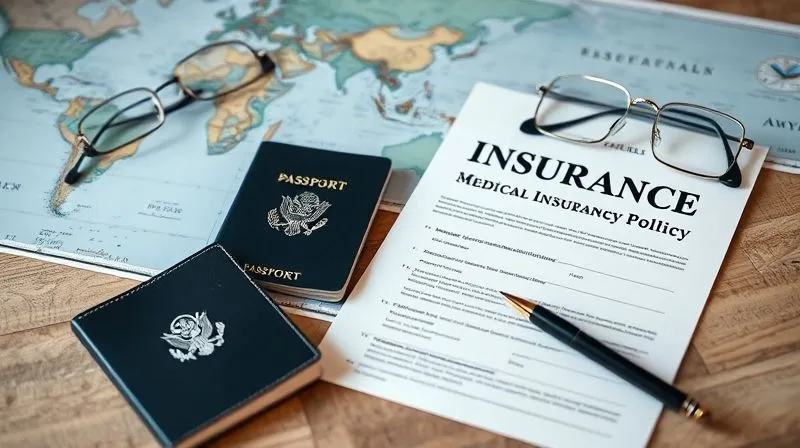
From my extensive experience, I can tell you that the single biggest mistake solo travelers make is skimping on or misunderstanding travel insurance. It's not just about lost luggage or flight delays; it's your lifeline for critical medical emergencies and evacuations.
Understanding Medical Evacuation and Repatriation
Many standard travel insurance policies offer basic medical coverage, but what you absolutely need as a solo traveler is robust medical evacuation and repatriation. This means if you're seriously injured or fall gravely ill in a remote area, or even a city with inadequate medical facilities, your policy will cover the enormous cost of transporting you to a suitable hospital, or even back to your home country. These costs can easily run into hundreds of thousands of dollars, a sum no individual should ever have to bear out-of-pocket.
- Assess Your Risk: Consider your travel style (adventure sports vs. city breaks), destination (remote vs. developed), and pre-existing medical conditions.
- Read the Fine Print: Don't just look at the premium. Scrutinize the maximum coverage limits for medical emergencies, emergency medical evacuation, and repatriation of remains.
- Verify Direct Payment: Some policies require you to pay upfront and then seek reimbursement. Look for policies that can arrange direct payment with medical providers, especially for major incidents.
- Check Exclusions: Be aware of any activities or conditions not covered. For instance, some policies exclude certain adventure sports unless an add-on is purchased.
- Global Assistance Services: Ensure the insurer has a 24/7 global assistance hotline. This is crucial for coordinating your rescue and medical care when you're incapacitated and can't make decisions.
According to a Forbes Advisor report on travel insurance, comprehensive plans are consistently recommended for peace of mind, especially for international travel. This isn't an optional extra; it's a fundamental pillar of safe solo travel.
To illustrate the critical differences, consider this:
| Feature | Medical Coverage | Emergency Evacuation | Repatriation | Assistance Services |
|---|---|---|---|---|
| Basic Travel Insurance | Limited, often reimbursement-only | Often not included or very low limit | Rarely included | Limited hours, basic support |
| Comprehensive Travel Insurance | High limits, often direct payment arranged | High limits, robust coordination | Included, full coordination | 24/7 global hotline, extensive support |
2. Harnessing Technology: Beyond the Smartphone
While your smartphone is indispensable, it's reliant on cellular networks and battery life. When you're incapacitated solo abroad with no contact, you need technology that operates independently of these limitations.
Personal Locator Beacons (PLBs) and Satellite Messengers
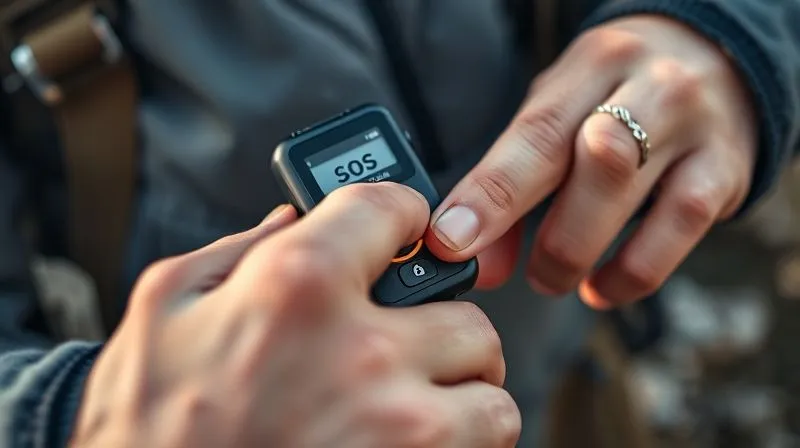
These devices are game-changers for off-grid travel. A Personal Locator Beacon (PLB), once activated, transmits a distress signal to a global satellite network (COSPAS-SARSAT) which then relays your GPS coordinates to rescue authorities worldwide. There's no subscription, but it's purely for emergency signaling. A satellite messenger (like a Garmin inReach or Zoleo) offers more functionality, allowing two-way text communication via satellite, even in remote areas, and also an SOS function that connects you to a dedicated monitoring center.
Wearable Tech with Emergency Features
Modern smartwatches and fitness trackers increasingly incorporate features like fall detection and emergency SOS. Apple Watch's fall detection, for example, can automatically call emergency services if it detects a hard fall and you don't respond. While these typically require a connected phone, some models offer cellular connectivity, making them more independent.
“In an emergency, every second counts. Proactive communication technology isn't just a convenience; it's a critical bridge between isolation and rescue, especially when traditional means fail.”
I always advise my clients to invest in one of these devices, particularly if their itinerary includes remote hiking, sailing, or any activity far from populated areas. The subscription cost for a satellite messenger is a small price for the assurance it provides. For a detailed comparison, check out REI's guide to satellite messengers and PLBs.
3. The Power of a Robust Emergency Contact Network
Even with the best tech, human connection remains paramount. Your emergency contact network acts as your eyes and ears when you cannot. This is about having trusted individuals who know your plans and can initiate help on your behalf.
The 'Check-In' Buddy System
Before you depart, designate 2-3 reliable individuals as your emergency contacts. These aren't just names; they are your 'check-in buddies.' Establish a clear, consistent check-in schedule: daily, every 48 hours, or at specific milestones. Define what constitutes a 'missed check-in' and what actions they should take if you don't respond (e.g., attempt contact via multiple channels, then call your travel insurance provider, then local authorities/embassy).
Local Emergency Contacts & Embassy Registration
Beyond your home network, consider registering your trip with your country's embassy or consulate in your destination (e.g., STEP program for US citizens, Smartraveller for Australians). They can provide assistance, especially during large-scale emergencies, and may be able to help locate you if contacted by your family. Additionally, identify a local contact, if possible – perhaps a reputable hostel manager or tour operator – who knows your itinerary and can be a point of reference for your overseas contacts.
- Choose Wisely: Select contacts who are reliable, calm under pressure, and have access to all your emergency information.
- Brief Them Thoroughly: Share your full itinerary, accommodation details, flight numbers, copies of your passport, visa, and insurance policy.
- Establish Protocols: Clearly define the check-in frequency and the escalation process if you miss a check-in.
- Provide All Contact Info: Give them your travel insurance 24/7 assistance number, the local emergency numbers for your destination, and your embassy's contact details.
Case Study: How Sarah's Check-In System Saved Her Trip
Case Study: How Sarah's Check-In System Saved Her Trip
Sarah, a 32-year-old solo traveler, was trekking in the remote mountains of Patagonia. She had a strict daily check-in routine with her sister via satellite messenger. On day four, after a particularly challenging segment, Sarah took a bad fall, fracturing her ankle and hitting her head, rendering her disoriented. She managed to activate her satellite messenger's SOS, but due to the head injury, couldn't communicate further. Her sister, noticing the missed check-in and then receiving a vague SOS alert from the device's monitoring center, immediately contacted Sarah's travel insurance provider with all the pre-shared details. The insurance company, equipped with her policy number and itinerary, quickly coordinated with local rescue services, using the satellite messenger's GPS coordinates to pinpoint her location. Within hours, Sarah was safely evacuated. This resulted in her receiving prompt medical attention, which was critical given her head injury, all thanks to a well-briefed emergency contact and a robust check-in system.
4. Digital Footprints: Your Lifeline in the Cloud
In today's digital age, your critical documents and emergency information should exist not just physically, but also securely in the cloud. This digital footprint can be accessed by your trusted contacts, enabling them to assist you even when you're unable to communicate.
Emergency Access to Digital Documents
Before you leave, scan and upload copies of your passport, visa, travel insurance policy, flight details, accommodation bookings, medical prescriptions, and a list of important contacts to a secure cloud service (e.g., Google Drive, Dropbox, encrypted vault). Crucially, share access to this specific folder or document with your designated emergency contacts, explaining its purpose. This allows them to retrieve vital information like your policy number or passport details when coordinating with authorities or your insurance provider.
'In Case of Emergency' (ICE) Information on Your Phone
Many smartphones allow you to set up ICE information accessible from your lock screen without needing a password. Populate this with your name, any known allergies, critical medical conditions, blood type, and the phone numbers of your emergency contacts. This provides immediate, vital information to first responders who might find you incapacitated.
Here's a checklist of essential digital documents:
| Document Type | Format | Access Level |
|---|---|---|
| Passport Copy | PDF/JPEG | Shared with contacts |
| Visa/E-visa | Shared with contacts | |
| Travel Insurance Policy | Shared with contacts | |
| Flight/Accommodation Bookings | PDF/Email | Shared with contacts |
| Medical Prescriptions/History | Shared with contacts (if applicable) | |
| Emergency Contact List | Text/PDF | Shared with contacts |
Remember to keep these documents updated and regularly review access permissions. For comprehensive official travel advice, including recommendations on digital copies, refer to the U.S. Department of State's Traveler's Checklist.
5. Physical Preparedness: Low-Tech, High-Impact Solutions
While technology is powerful, sometimes the simplest, most direct methods are the most effective. These physical tools ensure that even without power or network, vital information is immediately available.
Emergency Information Cards (ICE Cards)
Carry a laminated 'In Case of Emergency' (ICE) card in your wallet, backpack, and perhaps even sewn into your jacket. This card should clearly list your name, blood type, any critical medical conditions (e.g., diabetes, severe allergies), medications you take, and the contact details of your primary emergency contacts, including their international dialing codes. It should also state your travel insurance provider's 24/7 assistance number. Make it multilingual if possible, with key phrases in the local language.
Visible Medical Alerts
If you have a chronic medical condition (e.g., severe allergies requiring an EpiPen, diabetes, specific heart conditions), wear a medical alert bracelet or necklace. These are universally recognized and can convey critical information to first responders before they even begin to assess you. This simple piece of jewelry can literally be the difference between life and death, guiding medical professionals to the correct treatment immediately.
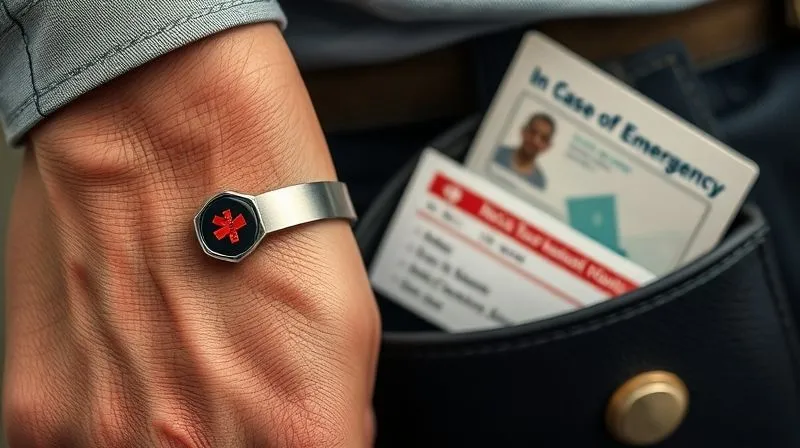
I cannot stress enough the importance of these low-tech solutions. They are foolproof, require no battery, and are often the first thing medical personnel look for. They bridge the gap when you're unable to speak for yourself and when digital devices might be inaccessible or damaged.
6. Local Knowledge & Cultural Sensitivity: Your First Line of Defense
Understanding your immediate surroundings and the local context is an often-overlooked but crucial layer of protection. Being prepared isn't just about what you carry, but what you know.
Researching Local Emergency Procedures
Before arriving at each new destination, research the local emergency numbers (police, ambulance, fire). These vary significantly by country. Know the name and location of the nearest reputable hospital or medical clinic, especially if you're traveling to a rural area. I also recommend familiarizing yourself with any common local scams or safety advisories for tourists. This proactive knowledge empowers you to react effectively rather than being caught off guard.
Basic Language Phrases for Emergencies
Learning a few key phrases in the local language can be incredibly beneficial. Phrases like “Help!”, “Doctor!”, “Hospital!”, “I need help,” “I am sick,” or “Call an ambulance” can make a profound difference in an emergency, allowing you to communicate basic needs even if you're disoriented or in pain. Carry a small phrasebook or use a translation app for more complex communication, but memorize the essentials.
“True preparedness extends beyond gadgets and documents; it encompasses a deep respect for and understanding of the local environment and culture. This knowledge can often be your quickest route to assistance.”
I've seen countless situations where a traveler's ability to articulate even a few words in the local tongue instantly garnered more assistance and empathy from locals. It shows respect and a genuine effort, making others more inclined to help.
7. The Mental Game: Proactive Mindset and Risk Assessment
Finally, your mindset and ability to assess risk are invaluable. While you can't prevent every unforeseen event, you can cultivate a mental preparedness that contributes significantly to your overall safety and ability to cope.
Understanding Your Personal Risk Profile
Be honest with yourself about your comfort levels and physical capabilities. Are you truly prepared for that strenuous hike alone? Do you have underlying health issues that might flare up in certain climates or at high altitudes? Solo travel requires heightened self-awareness. Avoid putting yourself in situations where the risk outweighs your preparedness or capabilities. Trust your gut instinct; if a situation feels off, it probably is. This isn't about fear, but about informed decision-making.
Practicing 'What If' Scenarios
I often advise my clients to mentally walk through 'what if' scenarios. What if my phone dies? What if I get separated from my group (even if you're solo, you might join a day tour)? What if I twist my ankle on this trail? This mental rehearsal isn't about being paranoid; it's about building resilience and having a preliminary plan for common contingencies. According to a study published in the Journal of Applied Psychology, mental rehearsal can significantly improve performance and reduce anxiety in stressful situations by preparing cognitive pathways for action.
A proactive mindset means being observant, making sensible choices, and being ready to adapt. It's the intangible but powerful asset that underpins all the physical and technological preparations you make for solo travel safety.
Frequently Asked Questions (FAQ)
Is standard travel insurance enough if I'm only going for a week? No, in my expert opinion, standard travel insurance is rarely enough for solo international travel, regardless of duration. The critical components like high-limit medical evacuation and repatriation are often absent or severely limited. A week is still enough time for a serious accident or illness, and the costs associated with an emergency abroad can be catastrophic without comprehensive coverage. Always prioritize a policy with robust medical and evacuation benefits.
How do Personal Locator Beacons (PLBs) work if there's no cell service or Wi-Fi? PLBs and satellite messengers operate independently of cellular and Wi-Fi networks. They connect directly to global satellite constellations. When activated, a PLB sends a distress signal to the COSPAS-SARSAT satellite system, which then relays your location to a Mission Control Centre. Satellite messengers use commercial satellite networks (like Iridium or Globalstar) for two-way communication and SOS functions, making them effective even in the most remote areas. This is why they are essential for off-grid solo travel.
What if my emergency contact is unreachable when I miss a check-in? This is why I always recommend having at least two, preferably three, reliable emergency contacts. If your primary contact is unreachable, your secondary contact should be briefed to step in. Additionally, your check-in protocol should include a specific timeframe after a missed check-in before they escalate to your travel insurance provider's 24/7 assistance line or your country's embassy. The more layers of human support you have, the better.
Should I share my detailed itinerary publicly on social media to ensure someone knows where I am? Absolutely not. While it's important for your trusted emergency contacts to have your detailed itinerary, sharing it publicly on social media can pose significant security risks. It can make you a target for theft, stalking, or other dangers. Only share your itinerary with your close, trusted emergency network. You can share general updates or curated photos on social media, but never real-time, detailed location information.
How often should I check in with my emergency contacts, and what should I say? The frequency of check-ins depends on your itinerary and risk level. For remote or high-risk activities, daily check-ins are advisable. For city travel, every 2-3 days might suffice. The key is consistency and pre-agreement. Your message doesn't need to be long; a simple "All good, arrived safely in X, next stop Y" is enough. If you have a satellite messenger, a pre-set 'I'm OK' message is perfect. The goal is to establish a clear pattern that, if broken, signals a potential problem.
Key Takeaways and Final Thoughts
Solo travel is an incredibly enriching and transformative experience, offering unparalleled freedom and personal growth. However, it also demands a heightened sense of responsibility for your own safety, especially when considering the unlikely but critical scenario of being incapacitated with no contact abroad.
- Invest in Comprehensive Travel Insurance: Prioritize policies with robust medical evacuation and repatriation.
- Embrace Satellite Technology: Carry a PLB or satellite messenger for off-grid communication and SOS.
- Build a Strong Emergency Network: Establish a clear check-in system with trusted contacts.
- Leverage Digital & Physical Preparedness: Securely store digital documents and carry essential ICE information physically.
- Cultivate Local Knowledge: Research emergency numbers and learn basic local phrases.
- Develop a Proactive Mindset: Assess risks, trust your instincts, and mentally rehearse 'what if' scenarios.
By implementing these multi-layered strategies, you're not just hoping for the best; you're actively preparing for it. This isn't about fear-mongering; it's about empowering you to travel with confidence, knowing that a comprehensive safety net is in place. Embrace your adventure, explore the world, and do so with the profound peace of mind that comes from being genuinely prepared.
Recommended Reading
- 7 Steps to Secure Hidden Luxury Beach Resorts for VIP Clients
- 5 Steps: High-Impact Volunteer Travel for Your Busy Schedule
- Treehouse Glamping: Is it Safe for Kids? Ultimate Safety Guide
- 5 Crucial Rules: Master Wine Etiquette for Global Business Dinners?
- 7 Steps: Vetting Family Resort Kids Club Staff for Child Safety?




Your email address will not be published. Required fields are marked *