

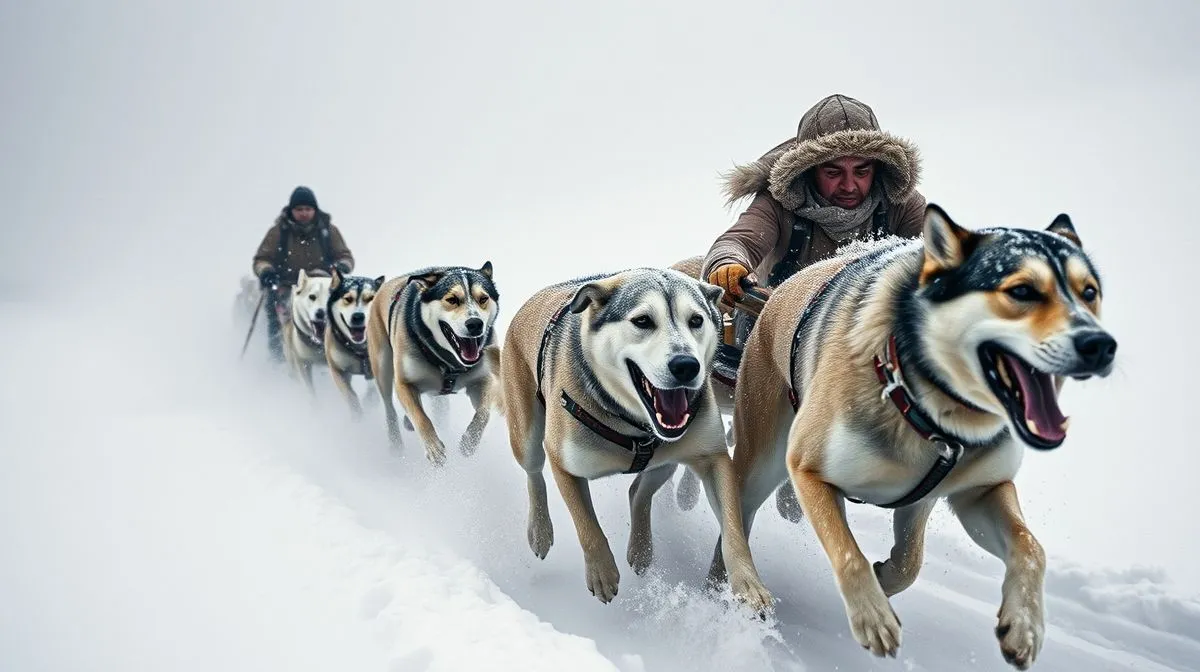
Dog Sledding Gear for Sub-Zero Temperatures: Staying Safe and Warm
Ever wondered what it takes to mush a team of dogs through the Arctic wilderness, where temperatures plummet far below freezing? It's not just about the thrill of the ride; it's about meticulous preparation and having the right gear.
Dog sledding in sub-zero conditions presents unique challenges. Without the right equipment, both you and your canine companions are at risk of frostbite, hypothermia, and other cold-related injuries.
This comprehensive guide will equip you with the knowledge to choose the best dog sledding gear for sub-zero temperatures. You'll learn about essential clothing, dog care products, and sled equipment, ensuring a safe and enjoyable experience. Get ready to conquer the cold!
Understanding the Challenges of Sub-Zero Dog Sledding
Dog sledding in extreme cold isn't just a winter sport; it's a test of endurance against the elements. The combination of freezing temperatures, wind chill, and physical exertion creates a demanding environment for both humans and dogs.
The Impact of Extreme Cold on Humans
Humans are susceptible to several cold-related injuries, including:
- Hypothermia: A dangerous drop in body temperature.
- Frostbite: Tissue damage caused by freezing.
- Dehydration: Cold weather can suppress thirst, leading to dehydration.
The Impact of Extreme Cold on Dogs
Even though sled dogs are bred for cold weather, they're not immune to its effects:
- Frostbite: Especially on paws, ears, and tails.
- Hypothermia: Though less common than in humans, it can still occur.
- Dehydration: Dogs need access to water, even in freezing conditions.
Proper gear is crucial to mitigating these risks and ensuring the well-being of both the musher and the dogs. According to the National Park Service, being prepared for extreme weather conditions is essential for safety in the wilderness.
Essential Clothing for Mushers in Sub-Zero Temps
Your clothing is your first line of defense against the cold. Layering is key to trapping heat and staying dry.
Base Layers
These should be moisture-wicking to keep sweat away from your skin:
- Material: Merino wool or synthetic fabrics like polypropylene.
- Fit: Close-fitting but not restrictive.
Mid Layers
Provide insulation and warmth:
- Material: Fleece or down.
- Function: Traps air to create a barrier against the cold.
Outer Layers
Protect against wind, snow, and water:
- Material: Waterproof and windproof fabrics like Gore-Tex.
- Features: Hood, high collar, adjustable cuffs.
Extremities Protection
Don't neglect your hands, feet, and head:
- Gloves/Mittens: Mittens are generally warmer than gloves. Use a liner glove for extra warmth and dexterity.
- Socks: Wool or synthetic socks. Avoid cotton.
- Headwear: A balaclava or face mask to protect your face from frostbite.
- Boots: Insulated and waterproof boots with good traction.
Remember to choose clothing that allows for a full range of motion. You'll be actively working while mushing, so avoid anything too bulky or restrictive.
Choosing the Right Gear for Your Sled Dogs
Protecting your dogs from the cold is just as important as protecting yourself. Here's what they need:
Dog Booties
Protect paws from ice, snow, and salt:
- Material: Nylon or fleece.
- Fit: Snug but not too tight.
- Benefits: Prevents ice buildup between toes, protects against abrasions.
Dog Coats
Provide insulation and warmth, especially for short-haired breeds:
- Material: Insulated and waterproof fabrics.
- Fit: Covers the back and chest.
- Types: Fleece-lined, insulated, or waterproof.
Blankets and Bedding
Provide a warm and dry place for dogs to rest during breaks:
- Material: Wool or synthetic blankets.
- Placement: Place on the sled or in a sheltered area.
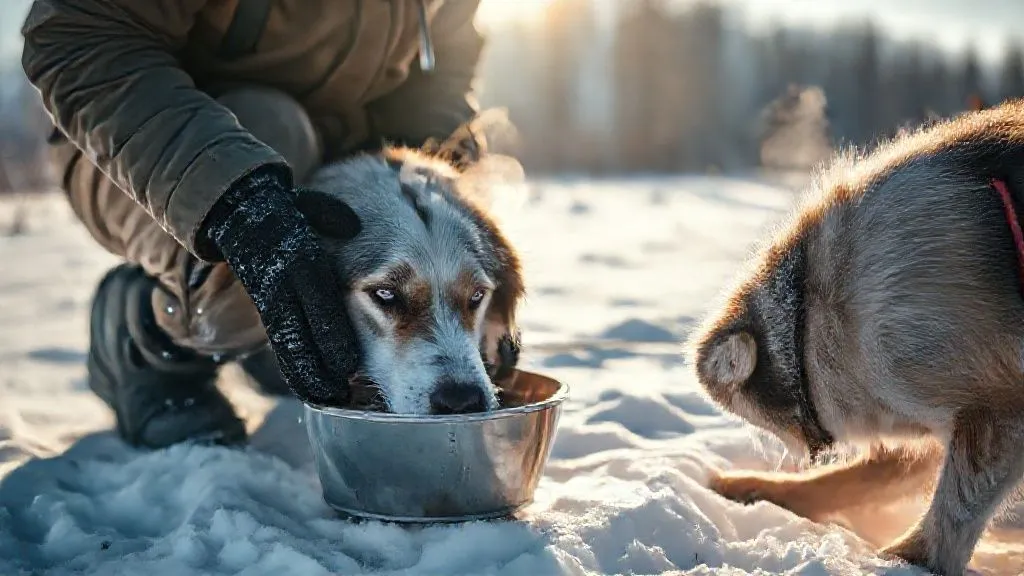
Hydration Gear
Staying hydrated is critical, even in cold weather:
- Insulated Water Bowls: Prevent water from freezing.
- Warm Broth: A palatable way to encourage dogs to drink.
Before using any new gear on your dogs, introduce it gradually to ensure they are comfortable and don't experience any chafing or irritation. Always monitor your dogs for signs of discomfort or cold stress.
Sled and Equipment Considerations for Extreme Cold
The sled itself and its associated equipment also need to be adapted for sub-zero conditions.
Sled Material
Choose a sled made from a durable and cold-resistant material:
- Wood: Traditional and flexible, but requires maintenance.
- Aluminum: Lightweight and strong, but can become brittle in extreme cold.
- HDPE (High-Density Polyethylene): Durable and cold-resistant.
Brake System
A reliable brake is essential for controlling the sled on icy or steep terrain:
- Claw Brake: Digs into the snow for stopping power.
- Drag Mat: Provides friction to slow the sled.
Towline and Harnesses
Ensure these are in good condition and properly fitted:
- Towline: Strong and durable, with a shock-absorbing section.
- Harnesses: Comfortable and properly fitted to each dog.
Repair Kit
Carry a basic repair kit for fixing broken equipment on the trail:
- Tools: Pliers, screwdrivers, duct tape.
- Spare Parts: Brake pads, towline clips, dog booties.
Regularly inspect your sled and equipment for wear and tear. Replace any damaged parts before heading out on the trail. According to a study published in the Journal of Sports Engineering and Technology, proper equipment maintenance is crucial for safety in extreme sports.
Safety Tips for Dog Sledding in Sub-Zero Temperatures
Even with the best gear, safety should always be your top priority.
Monitor Weather Conditions
Check the forecast before heading out and be prepared for changing conditions.
Communicate Your Plans
Let someone know your route and expected return time.
Carry a First-Aid Kit
Include supplies for treating frostbite, hypothermia, and other common injuries.
Stay Hydrated and Nourished
Drink plenty of fluids and eat high-energy snacks.
Watch for Signs of Cold Stress in Your Dogs
Shivering, lethargy, and reluctance to move are all signs that your dogs are getting too cold.
Remember, it's always better to err on the side of caution. If conditions become too dangerous, turn back and wait for better weather.
Frequently Asked Questions (FAQ)
What is the best way to prevent frostbite in my dogs? The best way to prevent frostbite is to use dog booties and coats, monitor their behavior for signs of cold stress, and provide warm shelter during breaks.
How often should I give my dogs water in sub-zero temperatures? Offer water frequently, ideally every hour. Consider using warm broth to encourage them to drink.
What should I do if my dog starts shivering? If your dog starts shivering, immediately provide warm shelter, dry them off, and wrap them in a blanket. If shivering persists, seek veterinary attention.
What is the best material for dog booties in extreme cold? Nylon and fleece are both good options. Nylon is durable and water-resistant, while fleece provides extra warmth.
How can I tell if my sled dog harness fits correctly? A properly fitted harness should be snug but not too tight, allowing for a full range of motion. The harness should not rub or chafe the dog's skin.
Recommended Reading
- Food Photography for Travel Bloggers: Top Tips & Tricks Revealed
- Global Events & Festivals: Your Ultimate Travel Planning Checklist
- Beach Bliss: Best Beach Games for Toddlers With Short Attention!
- Best Age for Disney World with Toddlers: Maximize the Magic!
- Amalfi Coast's Best Michelin Restaurants: Your Exclusive Culinary Guide
Conclusion
Dog sledding in sub-zero temperatures is an exhilarating adventure, but it demands respect for the elements and meticulous preparation. By investing in the right dog sledding gear for sub zero temperatures, including appropriate clothing for yourself and protective gear for your dogs, and by prioritizing safety, you can ensure a memorable and safe experience. So, gear up, embrace the challenge, and experience the magic of mushing through a winter wonderland!

Your email address will not be published. Required fields are marked *