

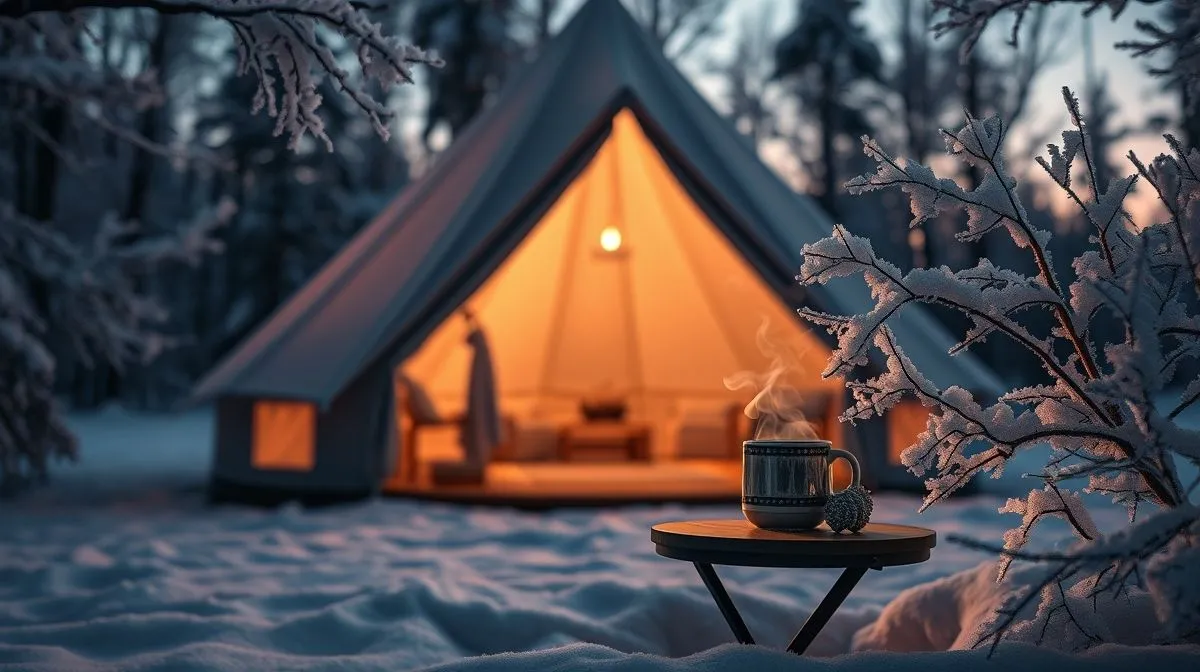
Mastering Comfort: Ensuring Comfort in Cold Weather Glamping Tents
Have you ever dreamt of a winter escape, nestled in a luxurious tent, surrounded by a pristine, snow-dusted landscape, yet secretly worried about freezing temperatures? The allure of glamping, or glamorous camping, promises comfort and style amidst nature's raw beauty. But when the mercury plummets, that promise can quickly turn into a shiver-inducing nightmare if not properly prepared.
The inherent challenge lies in reconciling the desire for an authentic outdoor experience with the need for warmth and coziness when nature turns frigid. How do you bridge the gap between a fragile canvas barrier and the biting cold, transforming a potentially uncomfortable night into a truly memorable, warm, and inviting retreat?
This comprehensive guide will unravel the secrets to not just surviving, but thriving in a cold weather glamping tent. From understanding the science of heat retention to choosing the right gear, implementing smart heating strategies, and managing moisture, you will learn everything required for ensuring comfort in cold weather glamping tents, making your winter adventures truly luxurious.
The Science of Warmth: Understanding Heat Loss in Tents
Before we can keep heat in, we must understand how it escapes. Heat loss in any structure, including a tent, primarily occurs through three mechanisms: conduction, convection, and radiation. Grasping these concepts is fundamental to effective cold-weather glamping.
Conduction, Convection, Radiation Explained
- Conduction is the transfer of heat through direct contact. When you sit on a cold rock, heat flows from your body to the rock. In a tent, heat conducts through the tent fabric, the ground, and any objects in contact with them.
- Convection is heat transfer through the movement of fluids (liquids or gases). Warm air inside your tent rises and escapes through vents or small gaps, while colder, denser air sinks and enters, creating a cycle. This is often the largest source of heat loss.
- Radiation is heat transfer through electromagnetic waves. Your body radiates heat, and the tent walls can radiate it outwards, especially if they are thin or uninsulated. Conversely, a heat source like a stove radiates warmth into the tent.
The Role of Insulation
Insulation works by trapping air, which is a poor conductor of heat. The more trapped air, the better the insulation. Understanding this principle helps in selecting appropriate tent materials, sleeping bags, and floor coverings. An effective insulation strategy minimizes heat transfer across all three mechanisms, creating a warm microclimate within your glamping tent.
Choosing the Right Tent: Structure and Materials
The foundation of a comfortable cold-weather glamping experience begins with the tent itself. Not all tents are created equal when it comes to battling the cold. Your choice of structure and material significantly impacts your ability to retain warmth.
Canvas vs. Synthetic Fabrics
- Canvas Tents: Often made from cotton or polycotton blends, canvas tents are excellent for cold weather. Their thick, breathable fabric offers superior insulation compared to thin synthetics. Canvas also handles condensation better, allowing moisture to wick away rather than condense on interior surfaces. They are heavier and require more maintenance but provide a truly robust and cozy feel.
- Synthetic Tents: While lighter and more portable, standard nylon or polyester tents are generally less insulating. For cold weather, look for synthetic tents with thicker denier fabrics, multiple layers, or specific cold-weather ratings. Some high-end synthetic tents incorporate advanced insulation technologies, but they typically don't match the inherent thermal mass of canvas.
Double-Wall Construction & Groundsheets
A double-wall tent creates an air gap between the inner tent and the outer fly, significantly improving insulation and reducing condensation. This air layer acts as an effective thermal barrier. Furthermore, a robust, insulated groundsheet is absolutely critical. The ground is a massive heat sink, and a thin tarp will do little to prevent heat loss through conduction. Look for groundsheets with integrated insulation or plan to add your own layers.
Heating Solutions: Beyond the Campfire
While a roaring campfire provides ambiance, it's inefficient for heating a tent. Dedicated internal heating solutions are paramount for ensuring comfort in cold weather glamping tents. Each option comes with its own set of advantages and crucial safety considerations.
Wood Stoves: Safety and Efficiency
Wood-burning stoves are the quintessential glamping heating solution, offering radiant heat, a dry warmth, and a comforting glow. They require a tent with a stove jack (a heat-resistant opening for the chimney). Safety is paramount:
- Ventilation: Ensure proper ventilation to prevent carbon monoxide buildup. Always use a carbon monoxide detector.
- Clearances: Maintain adequate distance between the stove and tent walls, using heat shields if necessary.
- Chimney Setup: Ensure the chimney is securely installed and extends well above the tent peak to prevent sparks from landing on the fabric.
- Fuel: Use dry, seasoned wood for efficient burning and minimal smoke.
For more detailed safety guidelines on wood stove operation, consult resources like the EPA's Best Wood Burning Practices.
Propane Heaters: Ventilation is Key
Propane heaters are convenient and offer instant heat. However, they produce carbon monoxide and consume oxygen. They are generally not recommended for overnight use in enclosed spaces without exceptional ventilation.
- Ventilation: Absolutely essential. Crack a window or vent to allow fresh air in and exhaust gases out.
- Carbon Monoxide Detector: Non-negotiable. Always have a working CO detector.
- Tip-Over Protection: Many modern propane heaters have safety features like automatic shut-off if tipped over or if oxygen levels drop.
Electric Heaters: When Power is Available
If your glamping site offers electrical hookups, electric heaters are a safe and clean option. Look for ceramic or oil-filled radiant heaters, which offer consistent, silent warmth without fumes.
- Circuit Capacity: Be mindful of the campsite's electrical capacity to avoid tripping breakers.
- Safety Features: Choose heaters with tip-over and overheat protection.
- Placement: Keep heaters away from flammable materials and out of high-traffic areas.
Passive Heating Strategies
Don't underestimate passive heating. Position your tent to maximize sun exposure during the day. Darker colored tents or external covers can absorb more solar radiation. Strategically placed thermal mass, like rocks heated by the sun, can slowly release warmth into the tent after dark.
Insulation Strategies: Layering Up Your Shelter
Even with a powerful heater, poor insulation will lead to rapid heat loss. Think of your tent as a series of layers, each contributing to a warmer internal environment. This is crucial for truly ensuring comfort in cold weather glamping tents.
Floor Insulation: The Often-Overlooked Element
The ground is your biggest enemy when it comes to heat loss. Cold earth will relentlessly suck warmth from your tent. A multi-layered floor insulation system is vital:
- Heavy-Duty Tarp/Groundsheet: As the first barrier against moisture and cold.
- Insulation Layer: Options include closed-cell foam mats, reflective insulation (like Reflectix), or even thick wool blankets.
- Rug/Carpet: A thick wool or synthetic rug adds another layer of insulation and a touch of luxury underfoot.
Wall and Ceiling Liners
Many cold-weather glamping tents are designed to accommodate internal liners. These often quilted or felted liners create an air gap, significantly improving the tent's R-value (a measure of thermal resistance). They also help manage condensation by providing a surface for moisture to condense on, preventing it from dripping onto occupants.
Window and Door Sealing
Small gaps around windows and doors can lead to significant drafts and heat loss. Use weather stripping, draft stoppers, or even simple towels to seal any obvious gaps. Ensure zippers are fully closed and covered by storm flaps.
Sleeping Systems: Your Personal Comfort Cocoon
No matter how warm your tent is, your personal sleeping system is your ultimate defense against the cold during the night. This is where individual comfort is truly maximized.
The Right Sleeping Bag: EN Ratings Explained
Do not skimp on your sleeping bag. Look for bags with an EN (European Norm) or ISO rating, which provides standardized temperature guidelines:
- Comfort Rating: The temperature at which a 'standard woman' can expect to sleep comfortably.
- Limit Rating: The temperature at which a 'standard man' can sleep for eight hours in a curled position without feeling cold.
- Extreme Rating: The minimum temperature at which a 'standard woman' can survive, though with risk of hypothermia.
Always choose a bag with a comfort rating significantly lower than the lowest expected night temperature. Down insulation offers excellent warmth-to-weight, while synthetic is more resilient to moisture.
Sleeping Pads: R-Value Matters
Often overlooked, a good sleeping pad is as important as your sleeping bag. It insulates you from the cold ground. Sleeping pads are rated by R-value, which indicates their thermal resistance:
- R-value 2-3: Suitable for mild conditions.
- R-value 4-5+: Essential for cold weather.
- Layering Pads: For extreme cold, consider layering two pads, such as a closed-cell foam pad under an inflatable insulated pad, to combine their R-values.
Liners and Base Layers
A sleeping bag liner (silk, fleece, or thermal) can add several degrees of warmth and keep your sleeping bag cleaner. Additionally, sleeping in clean, dry thermal base layers (wool or synthetic) will significantly improve your warmth and comfort. Avoid cotton, as it loses its insulating properties when wet.
Managing Moisture: The Silent Cold Killer
In cold environments, moisture can quickly turn a warm space into a damp, chilling one. Body heat, breathing, cooking, and even melting snow inside the tent contribute to humidity, which then condenses into water. This is a critical aspect of ensuring comfort in cold weather glamping tents.
Condensation Explained
When warm, moist air inside the tent comes into contact with cold surfaces (tent walls, windows), the water vapor cools and turns back into liquid water, forming condensation. This can lead to damp gear, mold, and a feeling of clamminess that makes you feel colder.
Ventilation Strategies
The key to managing condensation is ventilation. While counterintuitive to letting heat out, a balance must be struck. Create a cross-breeze by slightly opening vents or windows at opposite ends of the tent, even during cold weather. This allows moist air to escape and fresh, drier air to enter, without causing significant heat loss.
Moisture Absorbers
Small moisture absorbers (like desiccant packets or even a bowl of rock salt) can help reduce ambient humidity, especially in smaller glamping tents. While not a substitute for ventilation, they can be a helpful supplement.
Essential Gear and Smart Practices
Beyond the major investments, a collection of smaller items and smart habits can make a huge difference in your cold-weather glamping comfort.
Hot Water Bottles & Nalgene Bottles
A classic for a reason. Fill a Nalgene bottle or a dedicated hot water bottle with hot water before bed and place it inside your sleeping bag. It provides localized warmth for hours, warming your core and feet.
Appropriate Clothing Layers
Layering is key. Start with a moisture-wicking base layer, add insulating mid-layers (fleece, down), and finish with a windproof/water-resistant outer layer. Always have dry clothes to change into, especially for sleeping. Wool socks and a warm hat are crucial, as significant heat is lost through the head and extremities.
Nutrition and Hydration
Your body generates heat through metabolism. Eating warm, calorie-dense foods (oatmeal, stews) provides fuel. Staying hydrated is also vital, as dehydration impairs your body's ability to regulate temperature. Warm beverages like tea or hot chocolate are excellent for internal warmth.
Pre-Trip Planning and Site Selection
Research your glamping site's specific conditions and amenities. Choose a spot that offers some wind protection (e.g., behind a natural ridge or dense trees). Clear snow away from the tent footprint to prevent melting and subsequent dampness. Inform someone of your itinerary and expected return.
Frequently Asked Questions (FAQ)
What is the ideal temperature for cold weather glamping? While 'ideal' is subjective, aiming for internal tent temperatures above 40-50°F (5-10°C) is comfortable for most, allowing for a pleasant experience without excessive heating. Your sleeping system will handle the rest.
Can I use a regular tent for cold weather glamping? While possible for mild cold, regular 3-season tents are generally not sufficient for true cold weather. They lack the insulation, robust materials, and ventilation features designed for extreme temperatures. Investing in a 4-season or purpose-built glamping tent is highly recommended for safety and comfort.
How do I prevent pipes from freezing at a glamping site? If your glamping tent has plumbing, ensure all water lines are properly insulated and drained if temperatures drop below freezing. Many sites will have measures in place, but it's wise to confirm with the operator. Using non-toxic RV antifreeze in drains can also help.
What are the biggest mistakes to avoid when glamping in cold weather? The biggest mistakes include underestimating the cold, neglecting proper ventilation (leading to condensation or CO poisoning), not insulating the ground, and relying on cotton clothing. Always prioritize safety and thorough preparation.
Recommended Reading
- Unlock Budget Travel: Master Meal Prep for International Adventures!
- Modern Marvels: Your Guide to the Best Architecture City Breaks Europe
- The Ultimate Guide to Keeping Teenagers Entertained on Family Cruises
- Unlock Peace of Mind: Essential Safety Tips for Solo Global Festival Goers
- Unlock True Impact: What's the Difference Between Volunteer & Social Travel?
Conclusion
Cold weather glamping offers an unparalleled opportunity to connect with nature's serene winter beauty without sacrificing comfort. By understanding the principles of heat retention, investing in appropriate gear, implementing smart heating and insulation strategies, and diligently managing moisture, you can transform a potentially chilly outing into a truly luxurious and memorable experience. The key to ensuring comfort in cold weather glamping tents lies in meticulous preparation and a deep respect for the elements. Embrace the challenge, apply these insights, and unlock the magic of cozy winter nights under the stars.

Your email address will not be published. Required fields are marked *