

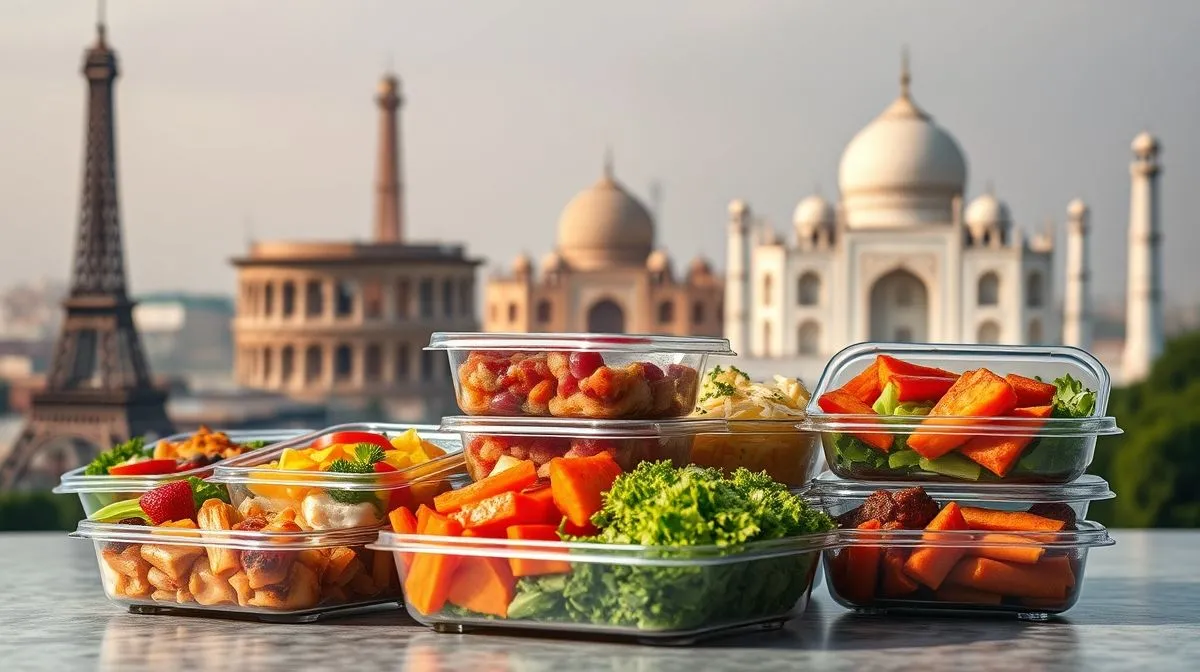
How to Prepare Budget Meals for International Travel: Your Ultimate Guide
Have you ever found yourself gazing longingly at a stunning Parisian café, only to wince at the price of a simple croissant and coffee? Or perhaps you've been halfway across the world, battling jet lag and an empty stomach, and settled for an overpriced, uninspiring airport meal just for convenience? Food, while an integral part of experiencing new cultures, can quickly become one of the most significant and unpredictable expenses when you’re traveling internationally.
The problem is clear: unchecked food costs can derail even the most meticulously planned travel budget, forcing difficult choices between experiencing a local attraction and enjoying a decent meal. Many travelers fall into the trap of convenience eating, which not only drains their wallets but often leads to less healthy choices, leaving them feeling sluggish rather than energized for their adventures.
This comprehensive guide will equip you with the knowledge and practical strategies on how to prepare budget meals for international travel, ensuring you can savor your journey without sacrificing your financial well-being or your health. By the end of this reading, you’ll be empowered to eat well, save money, and maximize every moment of your global explorations.
Understanding the “Why”: The True Cost of Eating Out Abroad
Before diving into the “how,” it’s crucial to understand why budgeting for food is so vital. It’s not just about the sticker price of a dish; it’s about the cumulative impact on your travel experience.
Beyond the Menu Price: Hidden Expenses
When you dine out internationally, you're not just paying for ingredients. You're covering labor, rent, taxes, and often a significant markup for tourist areas. Service charges, tips, and currency conversion fees can further inflate the bill. A “cheap” meal can quickly become expensive, especially if you’re eating out three times a day.
The Health and Energy Drain
Constantly eating out, particularly in unfamiliar places, can lead to less healthy food choices. High-fat, high-sodium, or sugary options are often more accessible and tempting. This can result in feeling sluggish, experiencing digestive issues, and lacking the sustained energy needed for sightseeing and activities. Preparing your own meals allows for greater control over ingredients and nutrition.
Benefits of Budget Meal Prep for International Travel:
- Financial Freedom: Significantly reduce daily expenses, freeing up funds for experiences, tours, or emergencies.
- Nutritional Control: Ensure you're eating healthy, balanced meals that cater to your dietary needs and preferences.
- Time Efficiency: Save time waiting for restaurant service, allowing more flexibility for exploration.
- Cultural Immersion: Shopping at local markets and cooking with regional ingredients offers a deeper dive into the local culture.
- Reduced Stress: Less worry about finding affordable food options, especially in unfamiliar neighborhoods.
Pre-Departure Prep: Laying the Foundation for Savings
The success of your budget meal strategy begins long before you board your flight. Strategic planning can save you hundreds, if not thousands, of dollars.
Researching Local Food Costs and Grocery Stores
Before you even pack, research the typical food costs in your destination. Websites like Numbeo or local expat forums can provide insights into grocery prices. Identify major supermarket chains and local markets in the areas you’ll be staying. Knowing where to shop and what to expect price-wise will prevent sticker shock and guide your budgeting.
Essential Gear: What to Pack for Portable Kitchens
Your packing list should include a few key items that transform any accommodation into a mini-kitchen:
- Reusable Water Bottle: Essential for hydration and saving money on bottled water.
- Compact Cutlery Set: A spork or a small travel set is invaluable.
- Collapsible Bowl/Cup: Great for instant noodles, oats, or a quick salad.
- Small Spice Kit: Decant your favorite spices (salt, pepper, chili flakes) into tiny containers.
- Reusable Shopping Bag: Handy for grocery runs and reducing plastic waste.
- Small Resealable Bags/Containers: For leftovers or packing snacks.
Non-Perishable Staples: Your Travel Pantry
Consider bringing a small selection of non-perishable staples from home, especially if you have specific dietary needs or know certain items are expensive abroad. Remember to check customs regulations for food items before packing.
- Instant Coffee/Tea Bags: Avoid expensive cafe visits.
- Oatmeal Packets/Instant Porridge: Easy, filling breakfast.
- Dried Fruit & Nuts: Excellent energy-boosting snacks.
- Protein Powder Sachets: A quick way to get protein.
- Granola Bars/Energy Bars: Convenient for days on the go.
- Small Bottle of Olive Oil (leak-proof): For cooking or salads.
On-the-Ground Strategies: Navigating Local Markets and Supermarkets
Once you arrive, the real fun begins: immersing yourself in the local food scene, not just through restaurants, but through markets and grocery stores.
Embrace Local Markets: Fresh, Cheap, and Authentic
Farmers' markets, fish markets, and street food stalls are goldmines for budget travelers. Produce is often fresher and significantly cheaper than in supermarkets. You can buy fruits, vegetables, and sometimes even pre-cooked local dishes for a fraction of restaurant prices. Plus, it's an incredible cultural experience. I once found the most incredibly sweet mangoes for mere cents at a market in Thailand – a far cry from the tourist trap prices!
Supermarket Savvy: Reading Labels and Spotting Deals
Major supermarkets are your best friends for daily essentials. Look for store brands, which are usually cheaper. Familiarize yourself with common local ingredients and their uses. Don't be afraid to compare prices per unit, and always check the discount aisles for clearance items – you might find perfectly good bread or produce nearing its “best by” date at a reduced price.
The Art of Bulk Buying (When Appropriate)
If you're staying in one place for a longer period, or traveling with a group, consider buying in bulk for items like rice, pasta, or dried beans. This is often more cost-effective. However, be mindful of storage space and spoilage if you're constantly on the move.
No-Cook & Low-Cook Wonders: Simple Meals for Any Accommodation
You don't need a gourmet kitchen to eat well on a budget. Many delicious and healthy meals require minimal or no cooking, perfect for hostels, guesthouses, or even picnics.
Salad Bowls and Wraps: Freshness on the Go
These are incredibly versatile. Buy fresh greens, tomatoes, cucumbers, and a protein source like canned tuna, chickpeas, or pre-cooked chicken from a deli. Add a small bottle of dressing (or make your own with olive oil and vinegar). Wrap ingredients in tortillas or create a vibrant salad bowl. They're quick, nutritious, and require no cooking.
Overnight Oats and Cereal: Breakfast Made Easy
For breakfast, instant oats or muesli with milk (or non-dairy alternatives) and fresh fruit (bought locally) is a cheap, healthy, and satisfying option. Overnight oats, prepared the night before in your collapsible bowl, are a fantastic grab-and-go meal for early starts.
Canned Goods and Instant Meals: Quick Fixes
Don't underestimate the power of canned goods. Canned beans, lentils, corn, and diced tomatoes can be combined for a hearty, no-cook chili or a base for a simple pasta sauce if you have a hot plate. Instant noodles can be jazzed up with fresh vegetables and a boiled egg for a more substantial meal. Look for options with lower sodium content.
Here are some easy meal ideas:
- “Deconstructed” Sandwich: Bread, cheese, deli meat, and sliced veggies.
- Tuna/Chickpea Salad: Canned tuna or chickpeas mashed with a little mayo or olive oil, salt, pepper, and chopped celery/onion, served with crackers or bread.
- Fruit & Yogurt Parfait: Layers of local yogurt, fresh fruit, and granola (brought from home or bought locally).
- Couscous Salad: Instant couscous rehydrated with hot water, mixed with chopped cucumber, bell peppers, tomatoes, and a can of chickpeas.
Smart Snacking & Hydration: Fueling Your Adventures Affordably
Snacks and drinks can be silent budget killers. A few smart habits can make a big difference.
DIY Snack Packs: Nuts, Seeds, Dried Fruit
Instead of buying overpriced snacks at tourist sites, pack your own. A mix of nuts, seeds, and dried fruit provides sustained energy. Fresh fruit like apples, bananas, or oranges are also excellent, portable options. Always bring a small bag of these essentials for long travel days or unexpected delays.
Reusable Water Bottles: A Lifesaver for Your Wallet and the Planet
This is arguably the most impactful tip for saving money and being eco-friendly. Invest in a good quality reusable water bottle. Many airports, hostels, and public places offer water refill stations. If tap water isn't potable, buy large multi-liter bottles and refill your smaller bottle. This saves a significant amount compared to buying individual plastic bottles, which also contribute to waste. For more on the importance of hydration, you can refer to resources like WHO guidelines on drinking water quality.
Coffee and Tea Hacks: Avoiding Cafe Markups
Love your morning coffee? Bring instant coffee sachets or a small bag of ground coffee and a portable pour-over filter. Many accommodations offer kettles. This simple trick can save you $5-$10 per day, allowing you to splurge on that occasional fancy coffee or local delicacy without guilt.
Safety and Sustainability: Eating Well and Responsibly
Eating on a budget doesn't mean compromising on safety or neglecting your environmental impact.
Food Safety Abroad: Preventing Illness
When preparing your own meals, exercise the same caution you would at home, if not more. Wash all produce thoroughly, especially if you're eating it raw. Be mindful of water sources used for washing or cooking. When buying pre-cooked items from markets, ensure they are hot if meant to be, or properly chilled. Trust your instincts: if something looks or smells off, avoid it. For comprehensive advice on food safety, consider consulting official health organizations like the CDC's Traveler's Health section on Food and Water Safety.
Minimizing Waste: Eco-Friendly Travel Habits
Part of being a responsible traveler is minimizing your environmental footprint. Use your reusable shopping bags. Opt for items with minimal packaging. If you buy fresh produce, try to use all parts of it. Compost food scraps if facilities are available, or dispose of them thoughtfully. Reducing food waste is good for your budget and the planet.
Respecting Local Customs and Cuisine
While preparing budget meals for international travel is smart, don't completely isolate yourself from local culinary experiences. Try street food from reputable vendors, or enjoy a single, well-chosen meal at a local restaurant. This balances your budget with authentic cultural immersion. Ask locals for recommendations for hidden gems – often these are the most affordable and delicious spots.
Overcoming Challenges: Common Pitfalls and Solutions
Even with the best intentions, you might face hurdles. Here’s how to navigate them.
Limited Kitchen Access
Many hostels offer communal kitchens, but private rentals might only have a microwave or basic kitchenette. Plan your meals according to the facilities available. Embrace more no-cook or low-cook options if a full kitchen isn't an option. Portable electric kettles can be a lifesaver for instant noodles, coffee, or even boiling eggs.
Dietary Restrictions Abroad
If you have allergies or dietary restrictions, preparing your own meals offers unparalleled control. Carry translation cards for common allergens in the local language. Focus on whole, unprocessed foods like fruits, vegetables, and grains, which are generally safer bets than complex prepared dishes.
The Temptation of Dining Out (and how to balance it)
It's okay to splurge occasionally! The goal isn't to never eat out, but to do so intentionally and mindfully. Set a budget for dining out each week. Choose one or two special meals that genuinely excite you, rather than mindlessly spending on every meal. Consider a hearty breakfast you prepare, a packed lunch for sightseeing, and then a more modest dinner out, or vice versa.
Frequently Asked Questions (FAQ)
Is it really worth the effort to prepare budget meals for international travel? Absolutely. The financial savings alone are substantial, allowing you to extend your trip, enjoy more experiences, or simply return home with more money in your pocket. Beyond finances, it offers greater control over your health, dietary needs, and can be a unique way to engage with local culture through markets.
What are the best non-perishable foods to pack for international travel? Excellent choices include instant oatmeal, dried fruits, nuts, granola bars, instant coffee/tea bags, and small sealed packets of spices. These are lightweight, don't require refrigeration, and provide versatile meal and snack options. Always check customs regulations for your specific destination.
How can I ensure food safety when cooking in unfamiliar places? Prioritize washing hands and all produce thoroughly. Use bottled or purified water for drinking and washing if tap water quality is uncertain. Ensure meats are cooked to safe temperatures. Pay attention to the cleanliness of shared kitchen spaces and use your own utensils if possible.
Can I bring food through customs when traveling internationally? This varies significantly by country. Generally, processed, commercially packaged foods are more likely to be permitted than fresh produce, meats, or dairy. Always declare any food items you are carrying. Check the specific customs regulations for your destination country well in advance to avoid confiscation or fines.
Recommended Reading
- Wide Feet? The Best Rock Climbing Shoes for Beginners Revealed!
- Travel Dialysis for Seniors: Top Tips for Safe & Worry-Free Trips
- Romantic Escape: Best Designer Hotels for Unforgettable Getaways
- The Ethical Safari Secret: How to Choose a Wildlife Adventure That Protects Animals
- Glamping in the Cold: The Ultimate Packing List for Winter
Conclusion
Mastering how to prepare budget meals for international travel is more than just a money-saving tactic; it's a skill that enhances your entire journey. By planning ahead, embracing local markets, utilizing simple cooking techniques, and making smart choices about snacks and hydration, you gain control over one of your biggest travel expenses. This newfound financial freedom and nutritional well-being will empower you to explore more deeply, worry less, and truly savor every moment of your global adventures. So, pack your bags, prepare your pantry, and get ready to embark on a delicious and budget-friendly journey!




Your email address will not be published. Required fields are marked *