

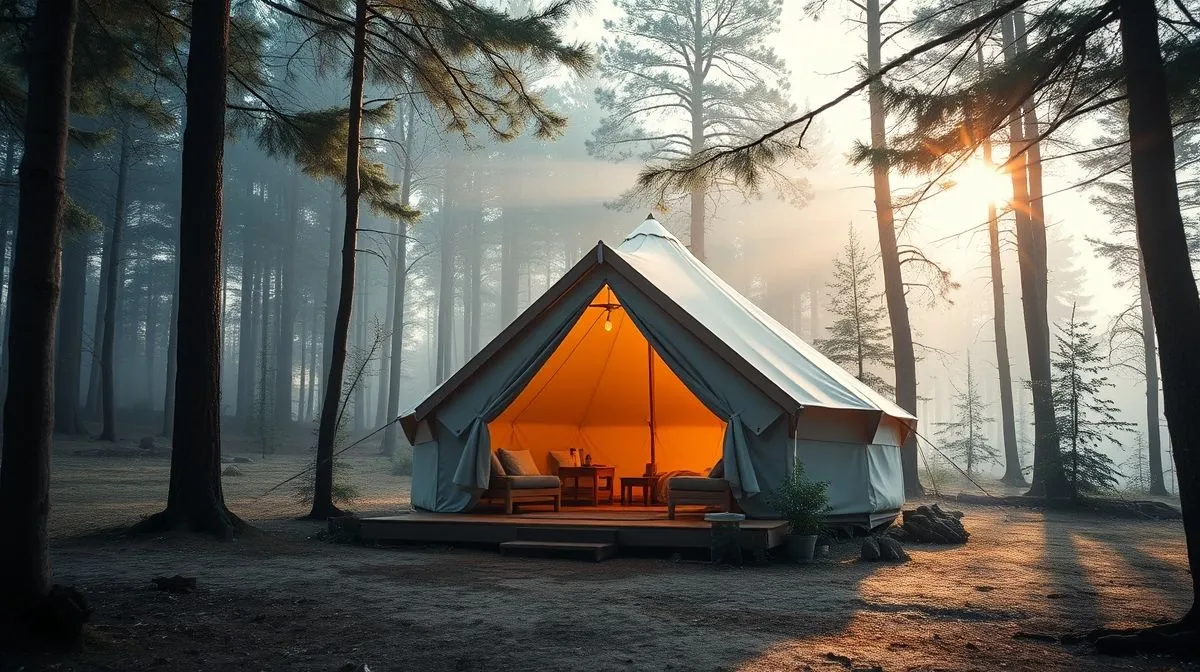
How to Choose a Truly Eco-Friendly Glamping Trip?
Have you ever dreamt of waking up amidst nature's grandeur, surrounded by towering trees or the gentle lapping of waves, without sacrificing comfort? Glamping offers that idyllic escape, blending the wilderness experience with luxurious amenities. But as the popularity of glamping soars, so does the crucial question: how do we ensure our pursuit of nature doesn't inadvertently harm it?
The challenge lies in navigating a landscape increasingly dotted with 'green' claims, some genuine, others merely 'greenwashing.' Distinguishing between a truly sustainable operation and one that only pays lip service to environmental responsibility can be daunting. It requires more than just a quick glance at their website; it demands a deeper understanding of what genuine eco-friendliness entails in the hospitality sector.
This comprehensive guide will equip you with the knowledge and tools to confidently choose a truly eco-friendly glamping trip. By the end, you'll understand the key indicators of sustainability, how to scrutinize glamping sites, and what steps you can take to ensure your adventure leaves nothing but footprints and cherished memories.
Understanding True Eco-Friendliness in Glamping
True eco-friendliness in glamping extends far beyond simply being located in a natural setting. It encompasses a holistic approach to minimizing environmental impact, supporting local communities, and promoting conservation. It's about creating a symbiotic relationship between the guest, the operator, and the environment.
Beyond Greenwashing: What to Look For
Many businesses use terms like 'eco-friendly' or 'sustainable' without genuine commitment. This 'greenwashing' can mislead well-intentioned travelers. To see through it, look for concrete actions and transparent reporting rather than vague statements.
- Specific Certifications: Is the site certified by a recognized eco-tourism body?
- Measurable Practices: Do they detail their energy consumption, water usage, and waste diversion rates?
- Community Engagement: Are there clear initiatives that benefit the local population and economy?
- Conservation Efforts: Do they actively participate in or fund local conservation projects?
Key Pillars of Sustainable Glamping
A genuinely eco-friendly glamping site typically builds its operations upon several foundational pillars. These interconnected principles ensure that every aspect of the experience is designed with sustainability in mind.
Firstly, minimal impact infrastructure is paramount. This means using non-permanent structures, building with recycled or locally sourced materials, and ensuring that construction doesn't disrupt natural habitats. Think about how the tents or cabins are constructed and if they can be easily removed without leaving a trace.
Secondly, resource conservation is critical. This involves efficient water usage, often through rainwater harvesting or greywater recycling systems, and renewable energy sources like solar or wind power. Many leading eco-glamping sites proudly display their energy independence and water-saving initiatives.
Thirdly, waste management is fundamental. A truly eco-friendly site will have robust recycling programs, composting facilities, and efforts to minimize single-use plastics. They might encourage guests to bring reusable water bottles and provide filtered water stations.
Finally, community and biodiversity integration are vital. This means employing local staff, sourcing food and goods from nearby producers, and actively engaging in efforts to protect local flora and fauna. Supporting local economies ensures that the benefits of tourism are shared, fostering a sense of shared responsibility for the environment.
Researching Eco-Certifications and Standards
One of the most reliable ways to ascertain a glamping site's commitment to sustainability is through its eco-certifications. These third-party verifications ensure that an operation meets specific environmental and social standards.
Reputable Certifications to Trust
Several global and regional certifications indicate a high level of environmental responsibility. Familiarizing yourself with these can significantly streamline your search for an authentic eco-friendly glamping trip.
- Green Globe Certification: A worldwide certification program for sustainable tourism.
- LEED (Leadership in Energy and Environmental Design): While primarily for buildings, some glamping structures may pursue this for their permanent facilities.
- B Corp Certification: Though broader than just tourism, B Corps are businesses that meet high standards of verified social and environmental performance, transparency, and accountability.
- Local or Regional Eco-Labels: Many countries or regions have their own stringent eco-tourism labels, such as Ecotourism Australia or the Nordic Swan Ecolabel.
Always verify the certification directly on the certifier's website, as some businesses might falsely claim accreditation. A transparent site will proudly display its certifications and provide links to verification.
Why Certifications Matter
Certifications aren't just badges; they represent a commitment to ongoing improvement and adherence to strict guidelines. They provide a standardized framework for sustainability, making it easier for consumers to make informed choices.
These organizations typically conduct rigorous audits, both initially and periodically, to ensure compliance. This process often involves assessing everything from energy consumption and water management to waste disposal and community engagement. By choosing certified operators, you're supporting businesses that are genuinely accountable for their environmental and social impact. For more information on sustainable tourism certifications, you can consult resources like the United Nations Environment Programme (UNEP) which advocates for responsible tourism practices.
Assessing the Glamping Site's Environmental Footprint
Beyond certifications, a deeper dive into the glamping site's operational practices reveals its true commitment to reducing its environmental footprint. These details often speak louder than any marketing slogan.
Energy and Water Conservation
Enquire about their energy sources. Do they rely on the grid, or do they utilize renewable energy like solar panels or wind turbines? Are there energy-efficient appliances and lighting throughout the site? For water, look for evidence of low-flow fixtures, composting toilets, and greywater recycling systems. Some sites even have their own water filtration systems, reducing the need for bottled water.
A truly eco-friendly glamping site will often educate guests on how to conserve resources during their stay, making it a shared responsibility. This could involve simple requests like turning off lights when leaving the tent or taking shorter showers.
Waste Management and Recycling
Effective waste management is a cornerstone of an eco-conscious operation. Ask about their recycling program: do they separate plastics, glass, paper, and organic waste? Do they compost food scraps? Is there an effort to minimize waste generation in the first place, such as buying in bulk or using reusable containers?
The absence of single-use plastics, from toiletries to food packaging, is a strong indicator of a committed eco-friendly approach. Some sites even have partnerships with local organizations to upcycle materials or manage difficult-to-recycle items.
Local Sourcing and Community Engagement
An eco-friendly glamping trip extends beyond environmental impact to social responsibility. Does the site prioritize sourcing food, beverages, and supplies from local producers? This not only reduces carbon emissions from transport but also supports the local economy. Are local artisans and businesses featured in their gift shops or activities?
Furthermore, assess their engagement with the local community. Do they employ local staff and offer fair wages? Do they contribute to local conservation efforts or social programs? A strong connection to the community ensures that tourism benefits everyone, fostering a sustainable relationship between visitors and residents. The UN World Tourism Organization emphasizes the importance of community involvement in sustainable tourism.
Minimizing Your Personal Impact During Your Stay
Choosing an eco-friendly glamping site is the first step; your actions during the trip are equally important. Being a responsible guest amplifies the site's sustainability efforts and reinforces your commitment to ethical travel.
Responsible Practices On-Site
Once you've arrived at your chosen eco-glamping destination, remember that your behavior can significantly impact its sustainability. Treat the natural environment with respect, as if it were your own backyard, or even better, a precious shared resource.
- Conserve Resources: Turn off lights and electronics when not in use. Take shorter showers and report any leaks.
- Manage Waste: Use designated recycling bins. Avoid leaving any trash behind, even organic waste, as it can disrupt local ecosystems.
- Respect Wildlife: Maintain a safe distance from animals. Do not feed them or disturb their habitats.
- Stay on Trails: When exploring, stick to marked paths to prevent soil erosion and protect delicate vegetation.
Choosing Eco-Conscious Activities
Beyond your immediate glamping unit, consider the environmental impact of the activities you choose. Opt for low-impact adventures that allow you to appreciate nature without causing harm.
Activities like hiking, bird watching, kayaking, and stargazing are excellent choices that typically have minimal environmental footprints. If guided tours are offered, inquire about the operator's environmental policies. Avoid activities that exploit animals, damage natural habitats, or contribute to pollution. Your choices can directly support or undermine the sustainability goals of your glamping destination.
The Benefits of Choosing an Eco-Friendly Glamping Experience
Opting for an eco-friendly glamping trip offers more than just a clear conscience; it provides a richer, more authentic, and often more rewarding experience. The benefits extend to your personal well-being, the local community, and the global environment.
Personal Well-being and Connection
An eco-friendly glamping site is typically nestled in a pristine, undisturbed natural environment. This setting promotes deeper relaxation and a stronger connection to nature, which is scientifically proven to reduce stress and improve mental health. You're breathing cleaner air, hearing natural sounds, and truly disconnecting from the hustle of daily life.
Knowing that your trip is contributing positively, rather than negatively, to the environment also enhances the experience. There's a profound satisfaction in aligning your leisure activities with your values, making your getaway truly regenerative for both you and the planet.
Supporting Local Economies and Conservation
By choosing an eco-friendly glamping site, you directly support businesses committed to responsible tourism. These sites often prioritize local employment, purchase goods from nearby farmers and artisans, and invest in community projects. Your travel dollars directly benefit the people and places you visit, fostering a sense of shared prosperity.
Furthermore, many eco-glamping operations actively participate in conservation efforts, from habitat restoration to wildlife protection. Your stay contributes to these vital initiatives, helping to preserve the very natural beauty you came to enjoy for future generations. This is a powerful way to make your leisure time part of the solution, not the problem.
Common Pitfalls and How to Avoid Them
Even with the best intentions, travelers can fall into traps when trying to choose a truly eco-friendly glamping trip. Awareness of these common pitfalls can help you navigate the options more effectively.
Spotting Greenwashing Tactics
As mentioned, greenwashing is a significant hurdle. Be wary of vague claims without supporting evidence. A glamping site that merely states they are 'green' or 'sustainable' without detailing specific practices or certifications should raise a red flag. Look for transparency: detailed sustainability reports, clear explanations of their initiatives, and third-party verifications are strong indicators of genuine commitment.
Don't be swayed by just a few 'green' features if the core operations remain unsustainable. For example, solar panels are great, but if they're used to power excessive air conditioning in every unit with no water conservation, the overall impact might still be high.
Overlooking Hidden Impacts
Sometimes, the environmental impact isn't immediately obvious. Consider how guests arrive at the site – is it remote and only accessible by car, or are public transport options encouraged? What about the food served? Is it mostly imported, or locally sourced? Even the products offered in the glamping unit, such as toiletries, can have an impact if they contain harmful chemicals or are packaged in single-use plastics.
Ask questions about these less visible aspects of their operations. A truly eco-friendly operator will be transparent and proud to share details about their entire supply chain and operational philosophy. This holistic view is essential for a comprehensive assessment.
Frequently Asked Questions (FAQ)
What is the difference between glamping and eco-glamping? Glamping focuses on luxurious camping. Eco-glamping specifically integrates sustainable practices, minimal environmental impact, and community support into the glamping experience.
Are eco-friendly glamping trips more expensive? Not necessarily. While some may have a premium due to sustainable infrastructure, many are competitively priced. The value often comes from the unique, authentic experience and positive impact.
How can I verify a glamping site's eco-claims? Look for reputable third-party certifications, detailed information on their website about specific sustainable practices (energy, water, waste), and positive reviews mentioning their environmental efforts. Don't hesitate to contact them directly with questions.
Can I truly have a zero-impact glamping trip? Achieving 'zero impact' is extremely challenging, but a 'low impact' or 'net positive' trip is achievable. The goal is to minimize your footprint and support operations that actively contribute to environmental and social well-being.
What should I pack for an eco-friendly glamping trip? Pack reusable water bottles, bags, and coffee cups. Choose eco-friendly toiletries and sunscreens. Minimize single-use items and be mindful of your waste generation throughout your journey.
Recommended Reading
- Dog Sledding Gear: Conquer Sub-Zero Temps Like a Pro!
- Uncover Your True Self: The Power of Solo Mindful Trips for Deepening Self-Awareness
- Unlock the Secrets: How to Stay Safe During River Crossings on Adventure Treks
- The Ultimate Secret: How to Pack Snowboard Boots Efficiently for Travel
- Unlock the Magic: Discover Kid-Friendly Destinations That Offer Educational Fun
Conclusion
Choosing a truly eco-friendly glamping trip is an empowering step towards responsible travel. It's about moving beyond superficial green claims to identify and support businesses that genuinely prioritize environmental stewardship and community well-being. By understanding the pillars of sustainable glamping, scrutinizing certifications, assessing operational footprints, and practicing responsible behavior as a guest, you can ensure your luxurious escape into nature leaves a positive mark.
The beauty of an eco-friendly glamping adventure lies not just in the comfort and stunning surroundings, but in the profound knowledge that your journey contributes to a healthier planet and stronger communities. Embrace the opportunity to connect with nature responsibly, and let your next glamping experience be a testament to sustainable living and conscious exploration.

Your email address will not be published. Required fields are marked *