


Expedition Leader's Plan for Critical Remote Comms Loss?
For over 20 years in the realm of adventure travel, leading expeditions through some of the planet's most formidable landscapes, I've witnessed firsthand the profound impact of a communication breakdown. It’s not just a technical glitch; it's an existential threat that can turn a meticulously planned journey into a terrifying ordeal. The silence, when your primary communication tools fail, isn't just unsettling – it's a stark reminder of your vulnerability.
The pain point for any expedition leader is the gnawing fear of being utterly cut off. Imagine an emergency unfolding – an injury, a sudden weather shift, an unforeseen obstacle – and your lifeline to the outside world goes dead. The stakes are astronomically high. Lives, reputations, and the very spirit of adventure hang in the balance when you can't call for help, update your home base, or even simply reassure worried families.
This guide isn't about hoping for the best; it's about preparing for the worst with a robust, multi-layered framework for an expedition leader's plan for critical remote comms loss. We'll delve into actionable strategies, expert insights, and real-world considerations to ensure that when silence falls, you're not just reacting, but executing a pre-planned, systematic response designed to restore safety, communication, and control.
The Unspoken Truth: Why Comms Fail (And Why Your Plan Must Account For It)
It's easy to assume that with modern technology, communication failures are rare anomalies. However, in the extreme environments of adventure travel, they are an ever-present risk. Understanding the 'why' behind these failures is the first step in building an impenetrable contingency plan.
Beyond Equipment Failure: Environmental and Human Factors
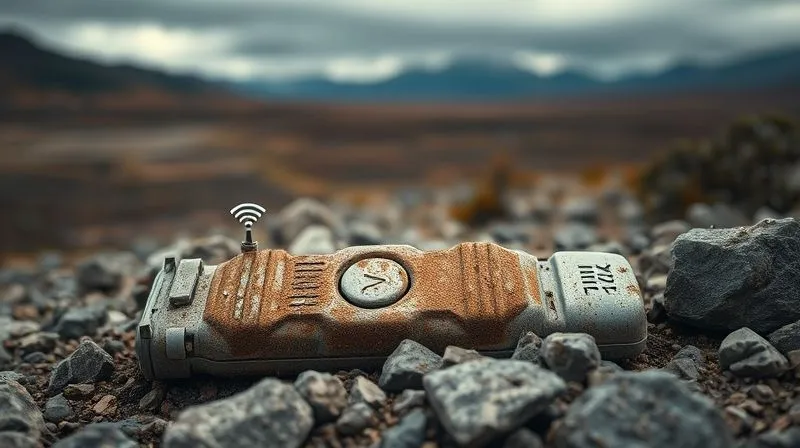
While a faulty battery or a dropped satellite phone is an obvious culprit, the reality of comms loss is far more complex. Environmental factors play a huge role: solar flares can disrupt satellite signals, dense tree cover or deep canyons can block line-of-sight, and extreme cold can drain batteries at an alarming rate. Human error, too, is a factor – improper charging, incorrect settings, or even simply forgetting to pack a crucial cable.
"In the backcountry, Murphy's Law isn't a theory; it's a guiding principle. Whatever can go wrong, will go wrong – especially with your critical communication systems."
My experience has taught me that relying on a single piece of technology, no matter how robust, is a recipe for disaster. A comprehensive expedition leader's plan for critical remote comms loss must anticipate multi-point failures, considering everything from solar activity to human fatigue.
Pre-Expedition: The Foundation of Resilient Communication
The most effective response to a comms failure happens long before you step foot into the wilderness. It's built on meticulous planning, thorough training, and a commitment to redundancy.
Redundancy is Not a Luxury, It's a Lifeline
Never, under any circumstances, should you rely on a single communication method. Think in layers, diversifying your tools and technologies. Each layer should ideally operate on a different principle or network.
- Satellite Phones: Iridium, Inmarsat – global coverage, but susceptible to line-of-sight issues and solar activity.
- Satellite Messengers: Garmin InReach, Spot – smaller, lighter, offer two-way text and SOS, but slower data rates.
- HF/VHF Radios: High-Frequency (HF) for long-range, Very High-Frequency (VHF) for line-of-sight. Independent of satellite networks.
- Personal Locator Beacons (PLBs) / Emergency Position Indicating Radio Beacons (EPIRBs): Single-purpose, one-way distress signals. Essential but not for general comms.
- Visual & Auditory Signals: Flares, signal mirrors, whistles – invaluable for short-range, local emergencies.
Once you have your redundant systems, the next step is rigorous preparation:
- Inventory & Test: Every piece of communication gear, along with its accessories (chargers, spare batteries, antennas), must be inventoried and tested thoroughly before departure. Don't just turn it on; make a successful test call or send a test message.
- Battery Management Plan: Beyond just packing spares, develop a strict charging and power conservation protocol. Understand battery life in extreme temperatures and plan for solar charging or power banks.
- Team Training: Every team member should be familiar with the operation of all communication devices, not just the leader. In an emergency, anyone might need to operate them.
The Master Communication Plan (MCP)
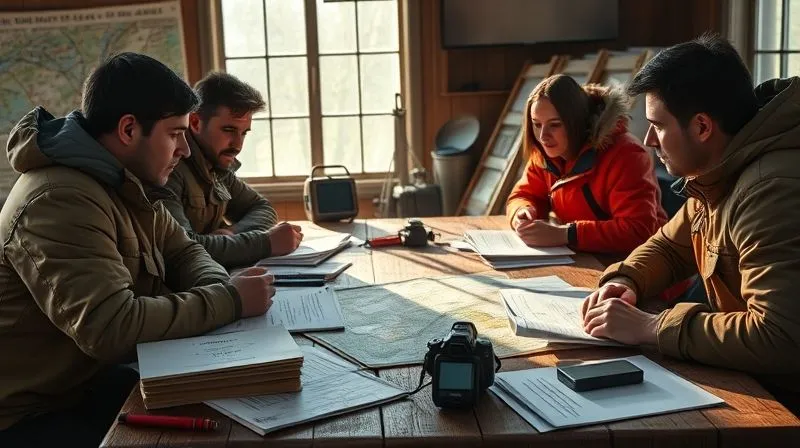
Your MCP is the blueprint for all communication during the expedition. It's a detailed document that everyone understands and has access to (ideally a waterproof, laminated copy).
It should cover:
- Primary, Secondary, and Tertiary Comms: Clearly define which device is used for what purpose and in what order of priority.
- Check-in Schedule: Specific times and frequencies for contacting your home base or emergency contacts. What happens if a check-in is missed?
- Contact Lists: Comprehensive list of all emergency contacts, home base personnel, local authorities, and medical professionals, including alternative numbers.
- Escalation Protocols: Who gets contacted when, and under what circumstances? What constitutes a 'critical' situation requiring an SOS?
- Pre-scripted Messages: Simple, clear messages for common scenarios (e.g., 'All well, on schedule,' 'Minor delay, no emergency,' 'Emergency, require assistance, location: XYZ').
| Communication Device | Backup | Tested Status | Notes |
|---|---|---|---|
| Satellite Phone (Primary) | Satellite Messenger | OK - 2023-10-26 | Extra battery pack charged |
| Satellite Messenger (Secondary) | PLB | OK - 2023-10-26 | Subscription active |
| HF Radio (Tertiary) | VHF Radio | OK - 2023-10-25 | Antenna tuned |
| PLB/EPIRB (Emergency) | Flares/Mirror | OK - 2023-10-26 | Registered with SAR |
Immediate Response: When the Silence Hits
Despite the best preparations, a communication blackout can still occur. Your immediate response is crucial in mitigating panic and initiating your recovery plan.
Step 1: Confirming the Loss – Is It Local or Systemic?
The first rule is: don't panic. A moment of calm, systematic troubleshooting can often reveal a simple fix. Is it just your device, or is the entire system down?
- Check the Device: Is it on? Is the battery charged? Is the antenna extended? Are you in an area with known coverage?
- Try Backup Devices: Immediately attempt to use your secondary and tertiary communication devices. If they also fail, you're likely dealing with a systemic issue (e.g., environmental interference, widespread network outage, or a localized 'dead zone').
- Observe Environment: Are there severe weather conditions? Are you in a deep valley or under dense canopy? Move to higher ground or a clearing if safe to do so.
Step 2: Activating the Emergency Protocol
Once you've confirmed a critical comms loss, it's time to activate the relevant section of your Master Communication Plan. This isn't a time for improvisation.
"The most valuable asset in a crisis isn't technology; it's a calm, decisive leader. Your composure will dictate your team's reaction."
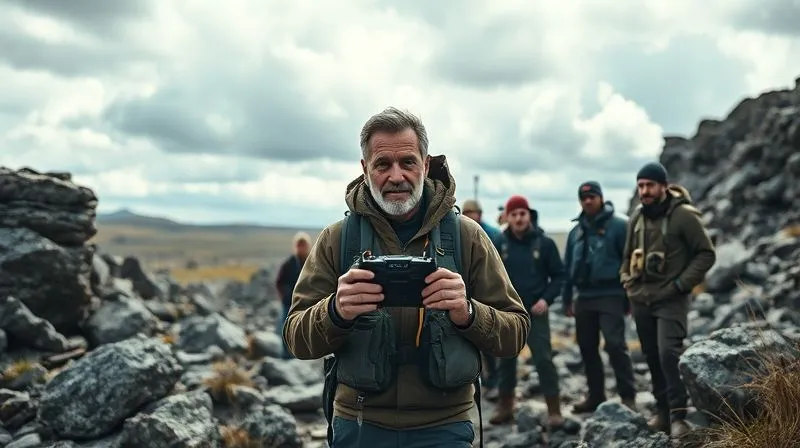
Brief your team clearly and concisely. Explain the situation without alarm, outline the next steps, and assign specific roles if necessary. Focus on reassurance and a clear path forward.
Establishing Alternative Communication Channels
With primary systems down, you must now leverage your redundant options, moving through your communication hierarchy.
Tier 1: Analog and Line-of-Sight
These are often overlooked but can be life-saving in close-quarters or when trying to attract attention from a distance.
- Whistles: Universal distress signal (three short blasts, repeated).
- Signal Mirrors: Effective on sunny days to signal aircraft or distant parties.
- Flares: For immediate, high-visibility distress signaling to air or sea craft.
- Hand Signals: Pre-arranged signals for basic communication within the team or with nearby groups.
Tier 2: Low-Power Digital & Satellite Messengers
These devices, like the Garmin InReach or Spot, are often more resilient to certain types of interference than satellite phones due to their different transmission protocols and lower power requirements.
Case Study: The Patagonian Blackout – How a Timely InReach Message Saved a Team
In 2018, an expedition in the remote Patagonian Andes faced a sudden whiteout blizzard that knocked out their primary satellite phone due to extreme cold and signal obstruction. One team member, suffering early stages of hypothermia, needed immediate evacuation. Expedition leader, Dr. Anya Sharma, quickly switched to their Garmin InReach. While the sat phone failed to connect, the InReach, using a different satellite constellation and a more robust messaging protocol, managed to send a pre-scripted SOS message with their coordinates. The message was received by their home base, who immediately activated search and rescue. Within 12 hours, the team was located and the injured member evacuated. This incident underscored the critical value of diverse communication technologies in a comprehensive expedition leader's plan for critical remote comms loss.
Tier 3: HF/VHF Radio and Beyond
High-Frequency (HF) radio, often called 'shortwave,' can provide long-distance communication independent of satellite networks. It requires specific licensing and expertise but is a powerful tool for truly remote operations. VHF radios are excellent for line-of-sight communication over shorter distances, often used for team-to-team or ground-to-air communication.
"Don't just carry the gear; know how to use it. A powerful HF radio is useless if no one on your team can tune it correctly or understands propagation."
According to NOLS (National Outdoor Leadership School), understanding the limitations and capabilities of each communication device is paramount for effective wilderness risk management.
Navigating and Decision-Making in a Comms Vacuum
When external contact is lost, the expedition leader's role shifts dramatically. You become the sole arbiter of information, the primary decision-maker, and the psychological anchor for your team.
Reverting to Basic Navigation: Map, Compass, Altimeter
GPS devices often rely on satellite signals, which can be affected by the same conditions that take out your comms. This is why foundational navigation skills are non-negotiable. Break out the paper maps, a reliable compass, and an altimeter. Practice makes perfect – ensure your team can interpret terrain, take bearings, and follow a route without digital aids.
Leadership Under Pressure: The Art of Informed Decisions
With limited information and heightened stress, your decision-making process must remain clear and objective. I've found these principles invaluable:
- Safety First: All decisions must prioritize the immediate safety and well-being of the team.
- Conserve Resources: Power, food, water, and even emotional energy become precious commodities. Make every decision with conservation in mind.
- Gather All Available Information: Even without external comms, gather internal data. What's the team's physical and mental state? What are current weather observations? What resources remain?
- Communicate Decisions Clearly: Explain the 'why' behind your choices to maintain team trust and cohesion.
"True leadership isn't about having all the answers, but about maintaining clarity and purpose when the answers are elusive."
As Harvard Business Review frequently highlights, effective crisis leadership hinges on transparent communication and decisive action, even in uncertainty.
Sustained Operations: Living Without External Contact
A comms blackout isn't always a short-term problem. You must be prepared for the possibility of operating for days, or even weeks, without external contact. This is where the depth of your planning and your team's resilience are truly tested.
Resource Management: Power, Food, Water
Every resource becomes critical. Implement strict rationing if necessary. For power, switch off all non-essential electronics. Use solar chargers or hand-crank generators judiciously. Develop a robust water purification strategy and manage food supplies carefully, prioritizing calorie-dense items.
Morale and Team Dynamics
The psychological toll of isolation and uncertainty can be immense. An expedition leader's plan for critical remote comms loss must include strategies for maintaining team morale.
- Regular Team Meetings: Even if there's no new information, daily check-ins help maintain routine and provide an opportunity for team members to voice concerns.
- Assign Tasks: Keep everyone engaged with meaningful tasks. Idleness can breed anxiety.
- Positive Reinforcement: Acknowledge efforts, celebrate small victories, and maintain a positive outlook.
- Listen Actively: Encourage open communication. Be prepared to address fears and manage conflict.

The Extraction Dilemma: When to Self-Rescue vs. Wait for Help
This is perhaps the most difficult decision an expedition leader will face during a comms failure. The choice between attempting to self-rescue or hunkering down to await external help has profound implications for safety and survival.
Factors Influencing the Decision
There's no single right answer; it depends entirely on the specific circumstances:
- Injuries: Are there life-threatening injuries requiring immediate medical attention? Can the injured person be moved safely?
- Weather Conditions: Is the weather deteriorating or improving? Can you safely travel in current conditions?
- Remaining Supplies: How much food, water, and fuel do you have? Can you sustain your team for an extended wait?
- Known Rescue Timelines: Did you leave an itinerary and an 'alarm' time with your home base? How long until they would reasonably initiate SAR?
- Terrain: Is the terrain ahead navigable without comms, or does it pose significant new risks?
- Team Morale & Capabilities: Is the team physically and mentally capable of a self-rescue attempt?
"When in doubt, err on the side of caution. A conservative decision, even if it means discomfort, is almost always safer than a rash, optimistic one."
This decision matrix, adapted from various wilderness emergency protocols, can help guide your thinking:
| Scenario | Self-Rescue Feasibility | Wait for Help Feasibility | Recommended Action |
|---|---|---|---|
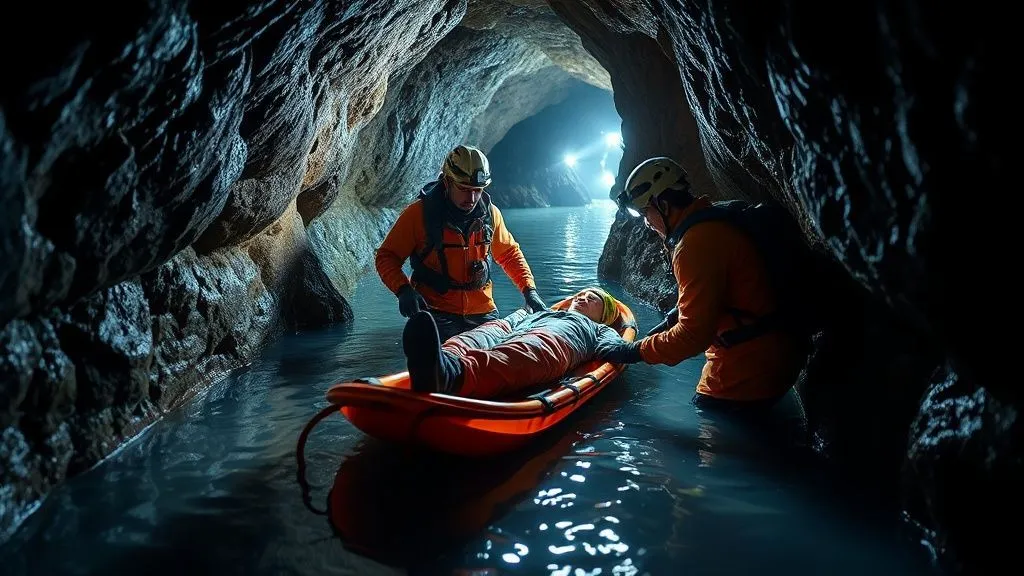
| Severe Injury, Immobile Patient | Low | High (if SAR notified) | Signal for help (PLB/Flares), shelter in place, provide first aid |
| Minor Injury, Mobile Patient | Medium | Medium | Assess proximity to safety, consider slow, cautious self-rescue if feasible |
| No Injuries, Deteriorating Weather | Low (due to risk) | High (if shelter available) | Shelter in place, conserve resources, await weather improvement |
| No Injuries, Good Weather, Known Route to Safety (Short) | High | Low (unnecessary) | Initiate cautious self-rescue, maintain vigilance |
Remember, the goal of an expedition leader's plan for critical remote comms loss is not just survival, but safe return. Sometimes, waiting is the bravest, most strategic option.
Post-Incident Analysis: Learning from the Silence
Once the crisis is averted and you're safely back, the work isn't over. A thorough post-incident analysis is vital for refining your protocols and enhancing future safety.
Debriefing and Documentation
Conduct a comprehensive debrief with your entire team. What went well? What could have been done better? Document everything: the timeline of events, the specific failures, the decisions made, and their outcomes. This isn't about blame; it's about learning.
Refining Future Protocols
Use the insights gained to update your Master Communication Plan, acquire new equipment, or implement additional training. Did a specific piece of gear fail? Was a particular procedure unclear? Every incident, no matter how minor, offers invaluable lessons for improving your preparedness.
Frequently Asked Questions (FAQ)
What's the single most critical piece of backup comms an expedition leader should have? While redundancy is key, a Personal Locator Beacon (PLB) or EPIRB is arguably the most critical single backup. It's a dedicated, one-way distress signal that works independently of other networks and directly alerts search and rescue authorities, providing your exact location. It's a last resort but an absolute lifeline.
How often should we test our comms gear, especially satellite phones and messengers? All critical communication gear should be tested thoroughly before every expedition, not just annually. For satellite phones and messengers, this means making a successful test call/message and verifying GPS accuracy. Batteries should be checked and charged regularly, even between trips. Some services offer a 'test message' feature for satellite messengers, which is highly recommended.
What if our primary and secondary comms fail simultaneously? This is precisely why a multi-layered approach is essential. If your sat phone and messenger both fail, you'd then move to your tertiary options like HF/VHF radio, and critically, your PLB/EPIRB. Beyond electronic means, rely on visual signals (flares, mirrors) and your pre-arranged emergency plan with your home base (e.g., if we don't check in by X time, initiate SAR).
How do I manage team anxiety during a comms blackout? Leadership in a comms blackout requires strong psychological skills. Maintain a calm demeanor, communicate clearly and honestly about the situation, and outline the steps being taken. Keep the team engaged with tasks, encourage open discussion of concerns, and foster a sense of shared purpose. Regular, brief check-ins, even without new information, can help maintain routine and reduce uncertainty.
Is it ever okay to deviate from the comms plan or emergency protocols? Deviation should only occur under extreme and unforeseen circumstances where strict adherence would demonstrably lead to a worse outcome, and only after thorough consultation with the team (if possible) and careful consideration of all risks. Any deviation must be justified by immediate safety concerns. Generally, the plan is there for a reason – it's your best-case scenario for managing a worst-case event.
Key Takeaways and Final Thoughts
Navigating the terrifying reality of a critical remote comms loss is one of the most significant challenges an expedition leader can face. It's a test of preparedness, leadership, and resilience.
- Redundancy is king: Never rely on a single communication method.
- Plan meticulously: Your Master Communication Plan is your lifeline.
- Train your team: Everyone should know how to use all comms gear.
- Stay calm and systematic: Follow your protocols when silence hits.
- Prioritize safety: All decisions must revolve around the well-being of your team.
- Learn and adapt: Every incident offers lessons for future expeditions.
In my decades of experience, the most successful expeditions aren't those that avoid problems, but those that are best prepared to overcome them. By embracing this comprehensive expedition leader's plan for critical remote comms loss, you're not just preparing for an emergency; you're investing in the safety, success, and ultimate triumph of your adventure. Lead with confidence, prepare with diligence, and know that even in silence, you have a plan.
Recommended Reading
- 7 Smart Ways to Budget for Unexpected Festival Travel Costs
- The Ultimate Guide: Maximizing Comfort on Long-Haul Business Class Flights
- Altitude Sickness: Prevent it With This Essential Guide!
- Toddler & Deadlines: 7 Pro Strategies for Traveling Parents
- 5 Steps to Seamless Solo Travel: Work-Life Balance On The Go?




Your email address will not be published. Required fields are marked *