

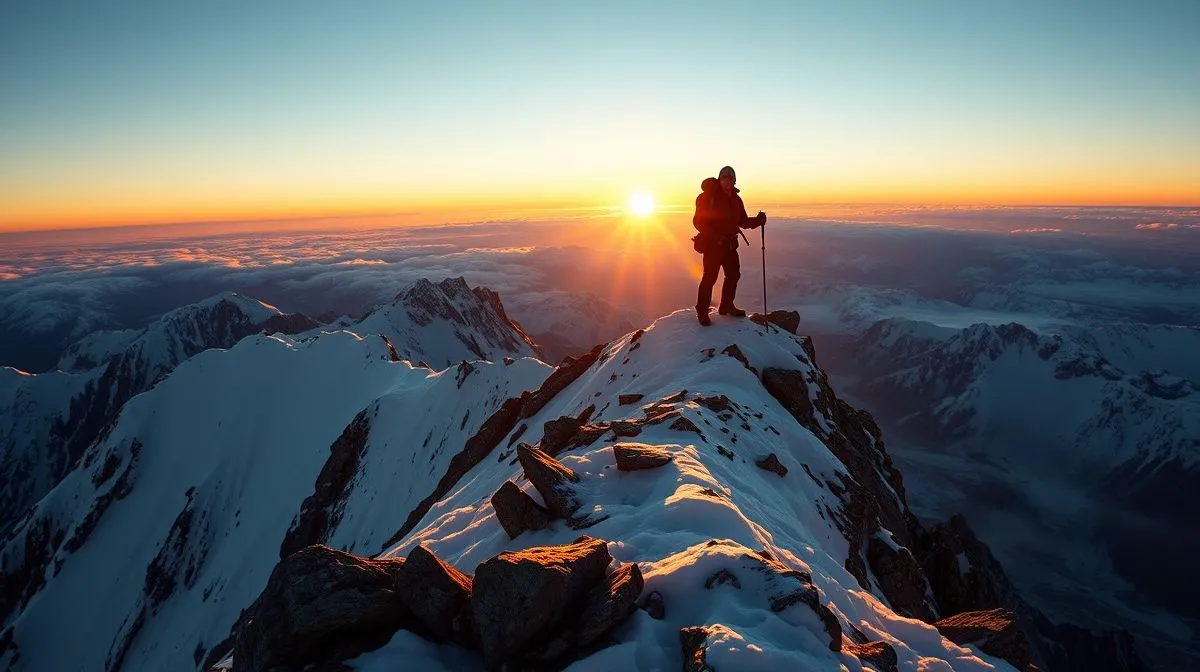
Altitude Sickness: How to Prevent It?
Have you ever dreamed of conquering majestic mountains, only to be sidelined by a debilitating headache, nausea, and fatigue? These are telltale signs of altitude sickness, a condition that can quickly turn an amazing adventure into a miserable experience.
Altitude sickness, also known as acute mountain sickness (AMS), is a real concern for anyone venturing to high altitudes. But the good news is that it's often preventable with the right knowledge and precautions.
In this comprehensive guide, we'll explore practical strategies to prevent altitude sickness, ensuring you can enjoy your high-altitude adventures to the fullest. You'll learn about acclimatization, hydration, diet, medication, and much more, empowering you to take control of your well-being and conquer those peaks with confidence.
Understanding Altitude Sickness
What is Altitude Sickness?
Altitude sickness occurs when your body struggles to adjust to the reduced oxygen levels at high altitudes, typically above 8,000 feet (2,400 meters). As you ascend, the air pressure decreases, leading to lower oxygen availability in your bloodstream. This can trigger a cascade of physiological responses, resulting in various symptoms.
The severity of altitude sickness varies from person to person. Some individuals may experience mild discomfort, while others can develop life-threatening conditions like high altitude pulmonary edema (HAPE) or high altitude cerebral edema (HACE).
Why Does Altitude Sickness Happen?
The primary cause of altitude sickness is the decreased partial pressure of oxygen at higher altitudes. This means that each breath you take contains less oxygen than at sea level. Your body needs time to adapt to this change, and if you ascend too quickly, it may not be able to keep up.
Factors that increase the risk of altitude sickness include:
- Rapid ascent: Climbing too quickly doesn't give your body enough time to acclimatize.
- Pre-existing medical conditions: Certain conditions, such as respiratory or cardiovascular issues, can make you more susceptible.
- Individual susceptibility: Some people are simply more prone to altitude sickness than others, regardless of fitness level.
- Dehydration: Staying properly hydrated is crucial for acclimatization.
- Alcohol and sedatives: These substances can interfere with your body's ability to adapt to altitude.
The Importance of Acclimatization
What is Acclimatization?
Acclimatization is the process by which your body gradually adjusts to the lower oxygen levels at high altitudes. It involves a series of physiological changes that improve oxygen delivery and utilization.
During acclimatization, your body:
- Increases red blood cell production to carry more oxygen.
- Increases breathing rate to take in more oxygen.
- Releases a substance called 2,3-DPG, which helps red blood cells release oxygen to tissues.
- Adjusts fluid balance to improve oxygen delivery.
How to Acclimatize Properly
The key to preventing altitude sickness is to ascend gradually, allowing your body sufficient time to acclimatize. A general rule of thumb is to:
- Avoid flying or driving directly to high altitude. If possible, spend a night or two at an intermediate altitude (e.g., 5,000-8,000 feet) before ascending higher.
- Once above 10,000 feet (3,000 meters), avoid increasing your sleeping altitude by more than 1,000-1,600 feet (300-500 meters) per day.
- Take a rest day every 3-4 days at the same altitude to allow your body to fully adjust.
- Consider the "climb high, sleep low" strategy. This involves ascending to a higher altitude during the day but returning to a lower altitude to sleep.
According to the Centers for Disease Control and Prevention (CDC), gradual ascent is the most effective way to prevent altitude sickness.
Hydration and Diet for High Altitude
The Importance of Hydration
Dehydration can exacerbate altitude sickness symptoms. At high altitudes, your body loses fluids more quickly due to increased respiration and sweating. Therefore, it's crucial to drink plenty of fluids.
Aim to drink at least 3-4 liters of water per day, even if you don't feel thirsty. Avoid sugary drinks and excessive caffeine, as they can have a diuretic effect and lead to dehydration.
Dietary Recommendations
A balanced diet can also help prevent altitude sickness. Focus on consuming:
- Complex carbohydrates: These provide sustained energy and help your body utilize oxygen more efficiently.
- Iron-rich foods: Iron is essential for red blood cell production.
- Antioxidant-rich foods: Antioxidants help protect your cells from damage caused by oxidative stress at high altitude.
- Avoid alcohol: Alcohol can worsen dehydration and interfere with acclimatization.
Some people find that eating small, frequent meals helps to prevent nausea and maintain energy levels. It's also a good idea to avoid salty foods, as they can contribute to fluid retention and worsen altitude sickness symptoms.
Medications for Altitude Sickness Prevention
Acetazolamide (Diamox)
Acetazolamide, commonly known as Diamox, is a medication that can help prevent and treat altitude sickness. It works by increasing the rate of acclimatization and reducing fluid retention.
Diamox is typically taken 1-2 days before ascending to high altitude and continued for a few days after reaching your destination. It's important to consult with your doctor before taking Diamox, as it can have side effects, such as tingling sensations, increased urination, and altered taste.
Dexamethasone
Dexamethasone is a corticosteroid that can provide temporary relief from altitude sickness symptoms. However, it doesn't promote acclimatization and should only be used as a last resort. Dexamethasone can have serious side effects and should only be taken under the supervision of a doctor.
It's crucial to remember that medications are not a substitute for proper acclimatization. They should be used in conjunction with other preventive measures.
Always consult with a healthcare professional before taking any medication for altitude sickness. According to MedlinePlus, a service of the National Library of Medicine, self-treating can be dangerous.
Recognizing and Responding to Symptoms
Common Symptoms of Altitude Sickness
Recognizing the symptoms of altitude sickness is crucial for early intervention. Common symptoms include:
- Headache
- Nausea and vomiting
- Fatigue and weakness
- Dizziness
- Loss of appetite
- Difficulty sleeping
- Shortness of breath
What to Do If You Experience Symptoms
If you experience any of these symptoms, it's important to take action immediately. The first step is to:
- Stop ascending: Don't continue climbing if you're experiencing symptoms.
- Descend: Descending to a lower altitude is the most effective treatment for altitude sickness. Even a small descent of 1,000-2,000 feet can make a significant difference.
- Rest: Avoid strenuous activity and get plenty of rest.
- Hydrate: Drink plenty of fluids.
- Consider medication: If symptoms are severe, consider taking medication like acetazolamide or dexamethasone (under medical supervision).
If symptoms worsen despite these measures, seek medical attention immediately. Severe altitude sickness can be life-threatening.
Practical Tips and Considerations
Planning Your Ascent
Careful planning is essential for a safe and enjoyable high-altitude trip. Consider the following:
- Choose your route wisely: Select a route that allows for gradual acclimatization.
- Check weather conditions: Be aware of potential weather changes and plan accordingly.
- Pack appropriately: Bring warm clothing, rain gear, sunscreen, and a first-aid kit.
- Inform someone of your plans: Let someone know your itinerary and expected return date.
Listen to Your Body
Pay attention to your body's signals and don't push yourself too hard. If you're feeling unwell, don't hesitate to descend or take a rest day. Remember that everyone acclimatizes at a different rate, and there's no shame in turning back if necessary.
Consult resources like the Mountaineers website for more information on safe mountaineering practices.
Frequently Asked Questions (FAQ)
How long does it take to acclimatize to altitude? Acclimatization time varies depending on the individual and the altitude. It can take anywhere from a few days to several weeks.
Can you get altitude sickness at 5,000 feet? While altitude sickness is more common above 8,000 feet, some people may experience symptoms at lower altitudes, especially if they ascend rapidly.
Is altitude sickness more common in fit people? Fitness level doesn't necessarily protect you from altitude sickness. Anyone can be affected, regardless of their physical condition.
What is the best way to treat a headache caused by altitude sickness? Rest, hydration, and over-the-counter pain relievers like ibuprofen or acetaminophen can help alleviate headaches caused by altitude sickness. If the headache is severe or accompanied by other symptoms, descend to a lower altitude.
Can you prevent altitude sickness naturally? Yes, proper acclimatization, hydration, diet, and avoiding alcohol and sedatives can help prevent altitude sickness naturally.
Recommended Reading
- Epic Family Friendly National Park Road Trips USA: Your Ultimate Guide
- Skydiving Risks: First Time Jumpers' Safety Guide Revealed!
- Universal Design Hotels: Booking Tips for Wheelchair Users
- Best Time for Caribbean Ocean Cruises? Unveiling the Perfect Season
- Ultimate Guide: Best Winter Sports Photography Settings
Conclusion
Preventing altitude sickness is crucial for a safe and enjoyable high-altitude experience. By understanding the causes of altitude sickness, prioritizing acclimatization, staying hydrated, eating a balanced diet, and recognizing the symptoms, you can significantly reduce your risk. Remember to listen to your body, plan your ascent carefully, and don't hesitate to descend if you experience any symptoms. With the right preparation and precautions, you can conquer those majestic mountains and create unforgettable memories.


Your email address will not be published. Required fields are marked *