

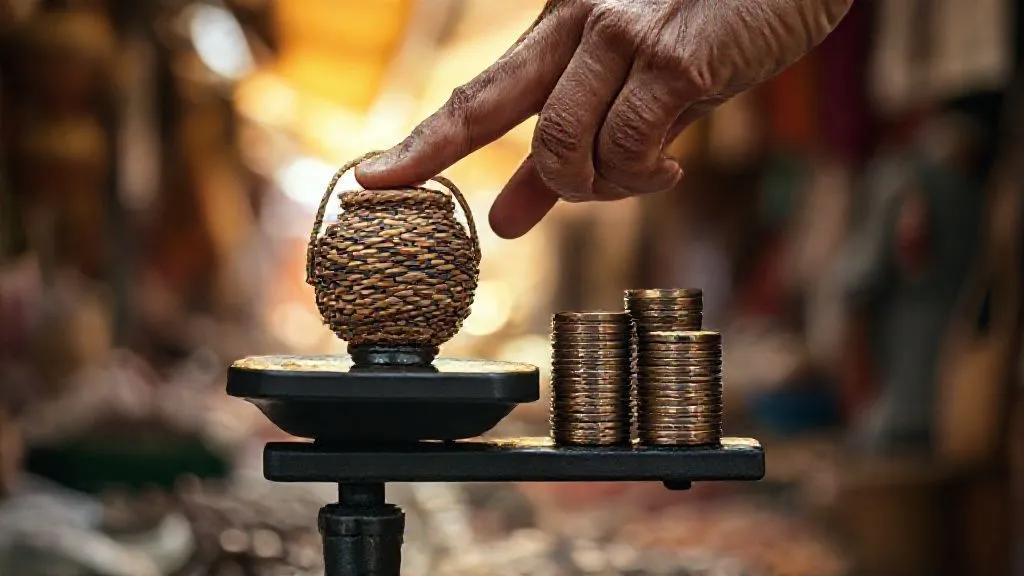
How can cultural travel firms guarantee fair artisan compensation?
For over 15 years in the cultural travel sector, I've had the immense privilege of witnessing the profound beauty of local craftsmanship firsthand. From the intricate textiles of Andean villages to the delicate pottery of Japanese artisans, these crafts are not merely souvenirs; they are living testaments to heritage, skill, and identity. However, I've also seen a recurring, painful mistake: the unintentional, or sometimes deliberate, undervaluation of these invaluable contributions.
The problem is multifaceted. Cultural travel firms, often driven by competitive pricing or a lack of direct market understanding, can inadvertently contribute to a cycle of underpayment. This not only impoverishes individual artisans and their families but also erodes traditional skills, discourages future generations, and ultimately diminishes the very cultural authenticity that travelers seek. The pain point for many firms is a genuine desire to do good, coupled with a lack of clear, actionable strategies to ensure fair and transparent compensation.
This article isn't just about identifying the problem; it's about providing a definitive, expert-led framework for change. I will share actionable strategies, drawing on my extensive experience, to help cultural travel firms guarantee fair artisan compensation. You'll gain insights into building direct relationships, implementing transparent pricing, leveraging technology, and fostering long-term, equitable partnerships that benefit everyone involved.
Understanding the True Value of Artisan Craftsmanship
Before we can talk about fair compensation, we must first understand what we are compensating. In my experience, many firms, and even travelers, often view artisan crafts solely through a transactional lens – a product to be bought and sold. This perspective dangerously overlooks the immense cultural, historical, and personal value embedded in each piece.
The Intrinsic Worth Beyond Price Tags
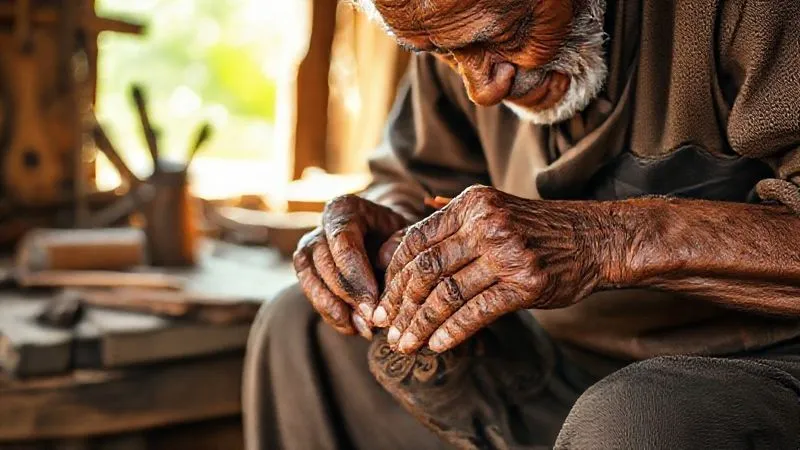
A hand-woven basket isn't just reeds and labor; it's generations of weaving knowledge, specific cultural motifs, the artisan's personal story, and often, a connection to the local ecosystem where the materials are sourced. When I visit artisan communities, I always make it a point to listen to the stories behind the crafts. These narratives reveal the true cost: not just monetary, but the investment of time, the mastery of complex techniques passed down through families, and the cultural significance that makes a piece unique.
“True valuation in cultural travel begins with recognizing the intangible heritage, the stories, and the generations of knowledge that infuse every local craft. Without this understanding, any compensation model will fall short.”
To genuinely value artisan craftsmanship, cultural travel firms must look beyond the immediate production cost. They need to appreciate the:
- Cultural Significance: How does the craft reflect local traditions, beliefs, or history?
- Skill and Expertise: What level of training, practice, and innate talent is required?
- Time Investment: Not just hours of labor, but years of learning and perfecting.
- Material Sourcing: Is it sustainable? Are local, often rare, materials used?
- Artistic Originality: Is there a unique design or creative interpretation?
- Community Impact: How does the craft sustain families and local economies?
By understanding these layers of value, firms can begin to advocate for and implement compensation models that truly reflect the artisans' profound contributions. This foundational shift in perspective is the first, crucial step toward ethical engagement.
Implementing Transparent and Participatory Pricing Models
One of the most effective ways to guarantee fair artisan compensation is through the adoption of transparent and participatory pricing models. I've observed that ambiguity in pricing is often where exploitation can creep in, allowing intermediaries to take disproportionate cuts or firms to inadvertently underpay.
Cost-Plus vs. Value-Based Pricing
Traditionally, many firms might lean towards a cost-plus model, calculating material costs and a basic labor rate. However, for cultural crafts, this often fails to account for the true value. A more ethical approach often combines elements of cost-plus with a value-based perspective, ensuring that the artisan's skill, cultural contribution, and time are adequately recognized.
Here are actionable steps for cultural travel firms to implement more transparent and participatory pricing:
- Engage Artisans Directly in Pricing Discussions: Instead of dictating prices, sit down with artisans or their community representatives. Ask them to outline their costs for materials, labor (including time spent on non-production activities like sourcing or marketing), and a fair profit margin. This ensures their voice is heard and their needs are understood.
- Break Down Costs Clearly: Create a simple, understandable breakdown of how the final price is determined. This might include raw material costs, labor hours (calculated at a fair local wage), overheads (tools, workshop maintenance), and a profit margin for the artisan.
- Benchmark Against Local Living Wages: Research and understand the local living wage in the artisan's community. Ensure that the labor component of the compensation allows artisans to earn at least a living wage, rather than just a minimum wage. Organizations like the Global Living Wage Coalition provide valuable data.
- Factor in Cultural and Artistic Value: Beyond tangible costs, agree on an additional percentage or fixed amount that recognizes the unique cultural, historical, and artistic value of the craft. This is where the 'value-based' aspect comes into play.
- Communicate Pricing to Travelers: Educate your clients on the pricing structure. When travelers understand that a significant portion of their purchase directly benefits the artisan and covers fair costs, they are often more willing to pay a premium.
By involving artisans in the pricing process, firms foster a sense of ownership and respect, building a foundation of trust that is essential for sustainable partnerships. This transparency also allows for easier auditing and accountability, ensuring that promises of fair compensation are truly met.
| Component | Estimated Cost | Notes |
|---|---|---|
| Raw Materials (e.g., yarn, clay) | $5.00 | Locally sourced, sustainable |
| Artisan Labor (10 hours) | $50.00 | Calculated at local living wage ($5/hr) |
| Cultural & Artistic Value Add | $15.00 | Reflects unique skill & heritage |
| Overheads (tools, workshop) | $5.00 | Shared cost across products |
| Artisan Profit Margin | $10.00 | Ensures sustainable income |
| Total Artisan Compensation | $85.00 | Direct payment to artisan |
| Firm's Operating Costs & Margin | $25.00 | Logistics, marketing, profit |
| Final Retail Price for Traveler | $110.00 | Transparent pricing |
Building Direct Relationships: Cutting Out the Middleman
One of the most significant impediments to fair artisan compensation, in my experience, is the proliferation of intermediaries. While some middlemen can play a legitimate logistical role, many simply inflate prices for the end consumer while drastically reducing the payout to the artisan. Direct relationships are the bedrock of truly ethical cultural travel.
The Perils of Intermediaries
I've seen situations where an artisan might receive only 20-30% of the final retail price, with multiple layers of brokers, wholesalers, and exporters taking their cuts. This system not only deprives the artisan of fair income but also disconnects them from the market feedback and appreciation for their work. It obscures the true value chain and makes transparency nearly impossible.
Establishing direct relationships offers numerous benefits:
- Increased Artisan Income: By eliminating unnecessary layers, a larger share of the final price goes directly to the artisan.
- Enhanced Transparency: Direct communication means firms know exactly what artisans are paid, and artisans understand the market value of their products.
- Better Quality Control: Direct feedback loops allow artisans to understand traveler preferences and maintain high standards.
- Stronger Cultural Exchange: Direct interaction fosters genuine connection and understanding between firms, travelers, and local communities.
- Faster Payments: Firms can implement quicker payment cycles, alleviating financial strain on artisans who often operate with limited capital.
Case Study: How Heritage Expeditions Empowered Weavers
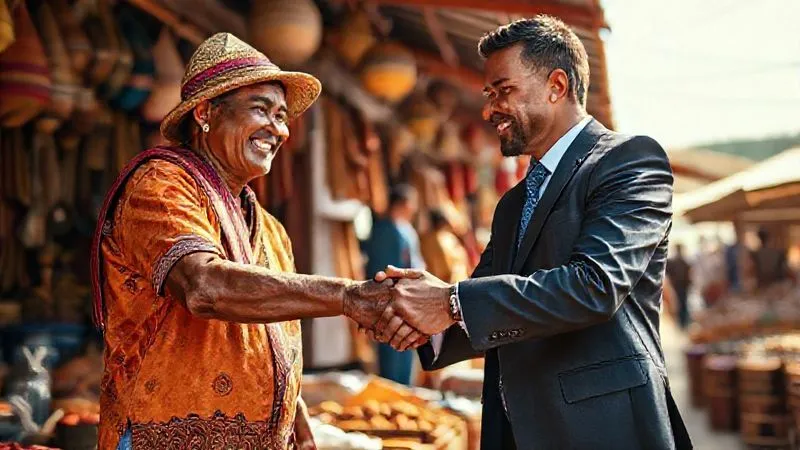
Heritage Expeditions, a mid-sized cultural travel firm I advised, initially sourced textiles through a local market agent in Peru. Artisans were receiving a flat, low rate per piece. By implementing a direct sourcing model, Heritage Expeditions spent six months establishing direct relationships with three weaving cooperatives in the Sacred Valley. They invested in a local project coordinator who could communicate directly with the weavers, negotiate prices based on a transparent cost breakdown (as discussed above), and handle logistics.
This direct engagement resulted in artisans receiving an average of 70% more per textile than before. Beyond monetary gain, the weavers reported a greater sense of dignity and ownership. Heritage Expeditions, in turn, gained exclusive access to higher-quality, authentic products and built a powerful story of ethical impact, which resonated deeply with their clientele, leading to increased bookings for their Peruvian tours. This demonstrates that ethical practices are not just good for artisans, but also a strong competitive advantage for firms.
Investing in Capacity Building and Skill Enhancement
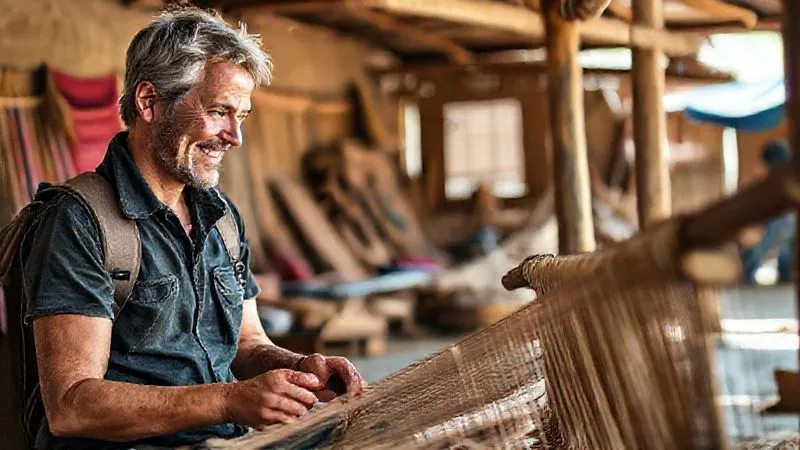
Fair compensation isn't just about the immediate transaction; it's about fostering long-term economic empowerment and sustainability. In my journey, I've learned that truly responsible cultural travel firms go beyond simply buying products; they invest in the artisans themselves, enhancing their skills and business acumen.
Beyond Just Purchases: Sustainable Development
Consider the broader ecosystem. Artisans often operate in isolated communities with limited access to modern business training, market trends, or even basic financial literacy. By investing in capacity building, cultural travel firms can help artisans not only produce better crafts but also manage their businesses more effectively, negotiate more confidently, and even diversify their income streams.
“Empowering artisans with skills and knowledge is a powerful act of sustainable development, transforming transactional relationships into true partnerships for growth.”
Here’s how cultural travel firms can invest in capacity building:
- Skill Enhancement Workshops: Fund or organize workshops on advanced crafting techniques, quality control, or new product development based on market demand (while respecting traditional designs).
- Business Training: Offer training in basic accounting, inventory management, marketing, and customer service. This helps artisans understand the business side of their craft.
- Digital Literacy: Provide access to and training on digital tools for communication, online sales (if applicable), and even basic photography for showcasing their work.
- Design Collaboration: Work collaboratively with artisans on new product designs that appeal to international markets while retaining cultural authenticity. This can open new revenue streams.
- Access to Resources: Help connect artisans with microfinance institutions, grants, or government programs that support small businesses and cultural heritage.
This investment is a win-win. Artisans become more resilient and self-sufficient, leading to higher quality products and more reliable supply. Firms, in turn, secure a more skilled and empowered supply chain, deepening their ethical impact and enhancing their brand reputation. It's a testament to the long-term vision of responsible tourism.
As the UNESCO Creative Cities Network often highlights, supporting traditional crafts is crucial for cultural diversity and sustainable urban development. Firms can align with such global initiatives.
Creating Long-Term Partnerships and Fair Trade Certifications
Ephemeral, one-off purchases do little to provide economic stability for artisans. From my vantage point, the most impactful way cultural travel firms can guarantee fair compensation is by committing to long-term partnerships and, where appropriate, pursuing fair trade certifications. This signals a deep, structural commitment to ethical practices.
The Power of Commitment and Recognition
Imagine the difference for an artisan knowing they have a consistent buyer for their products over several years, versus hoping for sporadic sales. Long-term contracts provide financial predictability, enabling artisans to invest in materials, tools, and even their children’s education. This stability is invaluable.
Key elements of long-term partnerships include:
- Multi-Year Purchase Agreements: Committing to purchase a certain volume of products over a defined period, providing a stable income base.
- Pre-Payment Options: Offering partial pre-payment for orders, which helps artisans cover material costs and reduces their financial risk.
- Joint Planning: Collaborating on production schedules and product development ensures a steady supply that meets market demand.
- Open Communication Channels: Regular check-ins and feedback sessions to address any challenges and celebrate successes.
For firms seeking external validation and a robust framework, fair trade certifications are an excellent pathway. Organizations like the World Fair Trade Organization (WFTO) or Fair Trade Certified provide rigorous standards that encompass fair wages, safe working conditions, environmental protection, and community development.
Benefits of fair trade certification:
- Credibility and Trust: Provides independent verification of ethical practices, building trust with travelers.
- Structured Framework: Offers clear guidelines for pricing, labor practices, and transparency.
- Market Access: Allows firms to tap into the growing market of conscious consumers who actively seek out fair trade products.
- Artisan Empowerment: Often includes requirements for democratic decision-making within artisan groups and capacity building.
While certification can be a significant undertaking, it demonstrates a profound commitment to ethical sourcing and can be a powerful differentiator in the cultural travel market. Even without formal certification, adopting its principles within long-term partnership agreements is a robust step toward guaranteed fair compensation.
Educating Travelers: The Power of Informed Purchasing
In my years of leading cultural tours, I've found that travelers are often eager to support local communities, but they lack the knowledge to do so effectively. Cultural travel firms have a crucial role to play in educating their clients, transforming them from passive consumers into conscious supporters of local artisans.
From Consumers to Conscious Supporters
When travelers understand the story behind a craft – the artisan's journey, the cultural significance, and the impact of their purchase – their appreciation deepens. This understanding not only enhances their travel experience but also encourages them to make more informed and ethical purchasing decisions, even if it means paying a higher price for fair compensation.
Here are effective ways cultural travel firms can educate their clients:
- Pre-Trip Information: Include details in pre-departure packets about the importance of ethical purchasing, explaining how fair compensation benefits artisans and communities. Highlight specific artisan groups your firm supports.
- On-Site Storytelling: Train your tour guides to share the stories of local artisans. When visiting workshops, encourage direct interaction between travelers and artisans, allowing artisans to share their craft and their lives.
- Transparent Signage: At artisan cooperatives or shops you partner with, use clear signage that explains the pricing philosophy, how much goes directly to the artisan, and what the firm does to support fair trade.
- "Meet the Maker" Experiences: Organize exclusive opportunities for travelers to spend time with artisans, learning a craft or sharing a meal. These immersive experiences create powerful personal connections and foster a deeper appreciation.
- Digital Content: Create blog posts, videos, or social media campaigns that showcase your artisan partners, their crafts, and the positive impact of fair compensation. Share these stories widely to build awareness.
When travelers are empowered with knowledge, they become advocates for fair trade themselves. They are more likely to seek out ethically sourced products, share their experiences with others, and even return to destinations where they know their tourism dollars make a genuine difference. This creates a virtuous cycle where informed demand drives ethical supply, reinforcing the commitment to fair artisan compensation.
Leveraging Technology for Transparency and Traceability
In an increasingly digital world, technology offers powerful tools to enhance transparency and traceability in the artisan supply chain, directly contributing to guaranteeing fair compensation. As an industry specialist, I've seen how innovative solutions can bridge geographical gaps and build trust.
Blockchain and Digital Platforms
The journey of an artisan craft from its maker to the traveler can be complex, involving multiple hands. This complexity can make it difficult to verify that fair compensation has been consistently applied at every step. This is where technology steps in.
Here are ways cultural travel firms can leverage technology:
- Digital Payment Systems: Implement secure, direct digital payment systems (e.g., mobile money, direct bank transfers) that transfer funds directly from the firm to the artisan, bypassing cash handling and potential intermediaries. This provides a clear audit trail.
- Blockchain for Supply Chain Transparency: Explore blockchain technology to create an immutable record of a product's journey. Each stage – from artisan creation to shipment to sale – can be logged, showing payment amounts and ensuring authenticity. While still nascent for many small firms, its potential for full transparency is immense.
- Artisan Profiles on Websites/Apps: Create digital profiles for each artisan or cooperative on your firm's website or dedicated app. These profiles can include their story, photos, the specific craft they make, and a breakdown of how their compensation is calculated.
- QR Codes on Products: Attach QR codes to products. When scanned by a traveler, the code can link to the artisan's digital profile, a video of them at work, or a detailed breakdown of the product's ethical sourcing and pricing.
- Impact Reporting Dashboards: Develop internal dashboards to track payments to artisans, measure the increase in their income over time, and report on other social or environmental impacts. This data can be shared with stakeholders and travelers.
By embracing these technological solutions, cultural travel firms can provide irrefutable evidence of their commitment to fair compensation. This not only protects artisans but also builds unparalleled trust with travelers who are increasingly seeking verifiable ethical claims. The digital footprint ensures accountability and provides a tangible demonstration of impact.
Measuring Impact: Beyond Just Monetary Transactions
Guaranteeing fair artisan compensation is a critical benchmark, but truly responsible cultural travel extends beyond just the monetary. As a veteran in this niche, I emphasize the importance of measuring the holistic impact of your firm's actions, understanding that fair pay is a catalyst for broader community well-being.
Holistic Impact Assessment
A fair wage is foundational, but its ripple effects are what truly transform communities. When artisans are fairly compensated, they gain economic stability, which in turn allows them to invest in their families, their health, and their community. This leads to a virtuous cycle of development that cultural travel firms should actively monitor and celebrate.
Metrics to track for a holistic impact assessment:
- Income Stability and Growth: Track artisans' income levels over time, noting increases and consistency. Compare this to local poverty lines or living wage benchmarks.
- Educational Attainment: Monitor school enrollment and completion rates for artisans' children, as increased income often directly correlates with better educational opportunities.
- Health and Well-being: Observe improvements in access to healthcare or nutrition within artisan families and communities.
- Skill Retention and Transmission: Assess whether younger generations are staying in the community and learning traditional crafts, indicating a vibrant future for cultural heritage.
- Community Investment: Note if artisans are able to invest in their homes, workshops, or contribute to community projects (e.g., clean water initiatives, local schools).
- Environmental Stewardship: If applicable, track improvements in sustainable material sourcing or waste reduction practices within artisan groups.
- Artisan Satisfaction: Conduct regular surveys or interviews with artisans to gauge their satisfaction with the partnership, compensation, and overall impact on their lives.
By measuring these broader indicators, cultural travel firms can tell a much richer story of impact. It moves beyond simply "we pay fairly" to "we empower communities, preserve heritage, and foster sustainable development." This comprehensive approach not only reinforces the firm's ethical standing but also provides compelling narratives that resonate deeply with conscious travelers. It's about understanding that fair compensation is not an end in itself, but a powerful means to a much greater, more sustainable good.
Frequently Asked Questions (FAQ)
Is fair trade certification always necessary for guaranteeing fair artisan compensation? No, while fair trade certification offers a robust framework and external validation, it's not always strictly necessary, especially for smaller firms or remote artisan groups where the certification process might be too costly or complex. What is essential is adopting the *principles* of fair trade: transparency, direct relationships, fair pricing, and long-term commitment. Many firms successfully implement these principles without formal certification, building trust through their actions and open communication.
How do small cultural travel firms manage direct sourcing in remote areas? Direct sourcing in remote areas can be challenging but is achievable. Strategies include partnering with local NGOs or community leaders who can facilitate communication and logistics, investing in a dedicated local coordinator, or collaborating with other small ethical tourism operators to share resources and networks. Technology, as discussed, can also play a role in managing payments and communication, even from afar. The key is building strong, trusted relationships on the ground.
What if local cultural norms conflict with Western fair trade ideas, especially regarding individual vs. communal compensation? This is a crucial and sensitive point. Ethical practice requires cultural humility. Instead of imposing Western fair trade models, firms should engage in deep dialogue with the artisan community to understand their existing economic structures, decision-making processes, and compensation norms (e.g., communal sharing, family-based systems). The goal is to ensure compensation is fair within *their* context, respects their traditions, and contributes to *their* definition of well-being, rather than rigidly adhering to external frameworks. Flexibility and respect are paramount.
How can we prevent price inflation for tourists versus locals when implementing fair compensation? This is a valid concern. One approach is to clearly differentiate between products sold for local consumption versus those destined for the international tourism market, which often has different quality standards, packaging, and storytelling requirements. Another is to ensure that the 'fair price' for artisans is based on their costs and labor, irrespective of the final retail price to tourists. The goal is to uplift artisan income, not to make local goods unaffordable for local residents. Transparency with both artisans and travelers about the different market realities can help manage expectations.
What's the biggest mistake cultural travel firms make regarding artisan compensation? In my experience, the biggest mistake is a lack of genuine engagement and transparency. Firms often make assumptions about what artisans need or what constitutes 'fair,' without direct consultation. This leads to transactional relationships rather than true partnerships. The absence of clear communication about pricing, payment terms, and market feedback breeds distrust and prevents the development of sustainable, mutually beneficial relationships. Always prioritize dialogue and openness.
Key Takeaways and Final Thoughts
The question of 'How can cultural travel firms guarantee fair artisan compensation?' is not just an ethical imperative; it's a strategic necessity for the long-term viability and authenticity of cultural tourism. My experience has shown me that firms that genuinely commit to this principle don't just do good; they build stronger brands, attract more conscious travelers, and cultivate resilient, vibrant communities.
To recap the most critical, actionable advice:
- Deeply Understand Value: Look beyond material costs to appreciate the cultural, historical, and personal worth embedded in each craft.
- Prioritize Transparency: Implement participatory pricing models, involving artisans in the process to ensure their costs and needs are met.
- Build Direct Relationships: Cut out unnecessary intermediaries to ensure a larger share of the profit reaches the artisans.
- Invest in Empowerment: Support artisans through capacity building, skill enhancement, and business training for long-term sustainability.
- Foster Long-Term Commitment: Establish multi-year partnerships and consider fair trade certifications to provide stability and credibility.
- Educate Your Travelers: Empower clients with knowledge about ethical purchasing, turning them into advocates for fair compensation.
- Leverage Technology: Utilize digital tools for direct payments, traceability, and transparent communication.
- Measure Holistic Impact: Go beyond monetary metrics to track educational, health, cultural, and environmental benefits.
The journey to guaranteeing fair artisan compensation is continuous, requiring dedication, empathy, and a willingness to evolve. But the rewards – enriched cultural experiences for travelers, empowered communities, and a more ethical global tourism landscape – are immeasurable. Embrace these strategies, and you won't just be running a business; you'll be building a legacy of positive impact, one beautifully compensated craft at a time.
Recommended Reading
- Mastering Cruise ROI: 7 Steps to Measure Themed Campaign Success
- The Ultimate Guide: How to Find Legitimate Volunteer Abroad Programs
- Beat Burnout: 3-Day Wellness Escapes for Busy Professionals?
- 7 Reasons Your Baking Class Bookings Are Low & How to Fix Them Now
- 5 Proven Strategies: How Professionals Find Inner Peace When Always On Call





Your email address will not be published. Required fields are marked *