


Short Wellness Trips for Busy Professionals to Combat Burnout? Your Urgent Solution
For over 15 years in the wellness travel industry, I've observed a pervasive and often devastating pattern: highly driven, successful professionals pushing themselves to the brink, believing that taking a break is a luxury they cannot afford. I've seen countless brilliant minds dimmed by chronic stress, their innovative edge dulled, and their personal lives suffering, all while they chase an elusive finish line that constantly moves.
The modern professional landscape demands relentless performance, constant connectivity, and an 'always-on' mentality. This pressure cooker environment, while fostering incredible achievements, also creates a breeding ground for burnout. The symptoms are insidious: chronic fatigue, cynicism, reduced efficacy, and a creeping sense of dread that even the most passionate among us can succumb to. It's a silent epidemic, eroding not just individual well-being but also organizational productivity and innovation.
But what if I told you that the solution doesn't require a month-long sabbatical or a complete career overhaul? In this definitive guide, I will share expert insights and actionable frameworks for leveraging short wellness trips for busy professionals to combat burnout effectively. You'll learn how to identify the right type of escape, plan it seamlessly, maximize its rejuvenating power, and integrate its benefits into your daily life, proving that even a brief intentional break can be a powerful antidote to professional exhaustion.
The Silent Epidemic: Understanding Professional Burnout in the Modern Age
Burnout isn't just feeling tired; it's a state of emotional, physical, and mental exhaustion caused by prolonged or excessive stress. The World Health Organization (WHO) officially recognized burnout as an occupational phenomenon in its International Classification of Diseases (ICD-11), defining it by three dimensions: feelings of energy depletion or exhaustion; increased mental distance from one’s job, or feelings of negativism or cynicism related to one's job; and reduced professional efficacy. It's a serious condition with profound implications.
In my experience consulting with corporate leaders and high-performers, the insidious nature of burnout often means it's recognized far too late. The drive that propels professionals to success can also blind them to the warning signs. They push harder, work longer, and sacrifice personal time, mistakenly believing that sheer willpower can overcome physiological limits. This relentless cycle only deepens the exhaustion and detachment.
"Burnout is not a sign of weakness; it's a sign that you've been strong for too long. Ignoring it is not resilience; it's a path to breakdown." – An observation I've shared countless times.
Common signs of burnout include:
- Chronic Fatigue: Feeling drained even after sleep.
- Cynicism and Detachment: A growing disinterest or negative attitude towards work and colleagues.
- Reduced Performance: Difficulty concentrating, decreased productivity, and poor decision-making.
- Physical Symptoms: Headaches, digestive issues, weakened immune system.
- Irritability: Short temper and increased frustration.
- Social Withdrawal: Pulling away from friends, family, and hobbies.
According to a Harvard Business Review article on burnout, the costs extend beyond individual suffering, impacting organizational productivity, employee turnover, and healthcare expenses. Recognizing these signs early is the first critical step toward recovery and prevention.
Why Short Wellness Trips Are Not a Luxury, But a Necessity
Many professionals mistakenly view a wellness trip as an indulgence, something to be earned after a major project or saved for retirement. I've spent years advocating for a paradigm shift: these trips are not a luxury; they are a vital investment in your sustained performance, creativity, and overall well-being. Think of it as preventative maintenance for your most valuable asset – yourself.
The physiological and psychological benefits of even a brief, intentional break are profound. They allow your nervous system to downregulate, your prefrontal cortex to rest, and your creative centers to re-engage. This isn't just about 'relaxing'; it's about active rejuvenation, giving your mind and body the space to repair and recharge from the constant demands of high-pressure environments.
The Science of Micro-Breaks
Research consistently shows that brief periods of disengagement from work can significantly improve cognitive function, mood, and resilience. Your brain isn't designed for perpetual 'on' mode. It needs periods of diffuse thinking, where it can process information, consolidate memories, and generate new ideas without the pressure of focused attention. A short wellness trip provides this critical space.
When you step away, even for just a weekend, you disrupt the stress cycle. Cortisol levels begin to drop, heart rate variability improves, and your ability to focus and solve problems increases upon return. It's a reset button, allowing you to return to your responsibilities with renewed vigor and clarity, ultimately making you more effective and less prone to burnout.

Crafting Your Escape: Identifying the Right Type of Short Wellness Trip
The beauty of the wellness travel landscape today is its diversity. There's no one-size-fits-all solution, especially when time is a constraint. In my expert opinion, the key is to match the trip's focus to your specific burnout symptoms and personal preferences. Do you need deep silence, physical movement, or nurturing care?
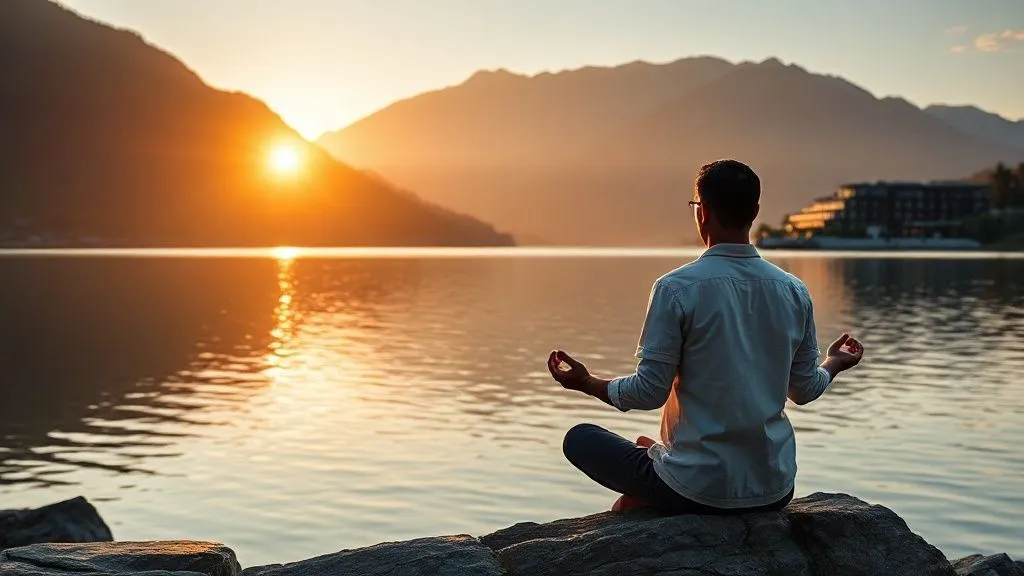
Mindful Meditation Retreats (2-3 Days)
Ideal for those feeling mentally overwhelmed, scattered, or struggling with focus. These retreats often involve guided meditation, mindfulness practices, and periods of silence. They teach you tools to manage stress long after you return home.
How to choose:
- Look for structured programs: Ensure there are experienced facilitators.
- Consider the environment: A serene, quiet setting is crucial.
- Check for digital detox policies: To truly disconnect, choose a place that encourages or enforces limited screen time.
Spa & Detox Weekends
Perfect for professionals experiencing physical exhaustion, muscle tension, or a general feeling of toxicity from poor diet and lack of self-care. These often include massages, body treatments, healthy cuisine, and gentle movement classes.
Nature Immersion & Adventure Breaks
For those feeling stagnant, uninspired, or disconnected from the natural world. This could be a hiking retreat in the mountains, a coastal yoga weekend, or a forest bathing experience. The emphasis is on reconnecting with nature and often includes light physical activity.
To help you decide, here's a quick comparison:
| Trip Type | Duration | Key Benefit | Best For |
|---|---|---|---|
| Mindful Meditation | 2-3 Days | Mental Clarity, Stress Reduction, Focus | Overwhelmed, scattered minds |
| Spa & Detox | 2-4 Days | Physical Rejuvenation, Relaxation, Cleansing | Physically exhausted, tense bodies |
| Nature Immersion | 2-3 Days | Reconnection, Inspiration, Physical Activity | Stagnant, uninspired, nature-deprived |
The Art of Seamless Integration: Planning Your Trip Without Adding Stress
I've seen many professionals hesitate to take a short wellness trip for busy professionals to combat burnout because the thought of planning it feels like another task on an already overflowing plate. The irony isn't lost on me. However, with the right strategy, your escape can be seamless, not stressful.
Pre-Trip Preparation: Delegating and Automating
The secret lies in meticulous, proactive planning weeks, not days, before your departure. This isn't just about booking flights; it's about creating a buffer at work.
- Identify Critical Tasks: Pinpoint what absolutely cannot wait until your return.
- Delegate Effectively: Empower your team. Provide clear instructions and deadlines. Trust them.
- Automate What You Can: Set up out-of-office replies, schedule emails, and use project management tools to keep things moving.
- Communicate Early and Clearly: Inform your team and key clients about your absence and who to contact. Manage expectations.
- Create a 'Return To' List: A simple list of tasks to tackle on your first day back helps ease re-entry anxiety.
During Your Trip: Disconnecting Intentionally
This is where the real work of rejuvenation happens. It's not enough to be physically away; you must mentally disconnect. I advocate for a radical, though temporary, digital detox.
- Designate 'Emergency Only' Contacts: Share this number with only one or two critical individuals.
- Turn Off Notifications: All of them.
- Leave Your Laptop at Home: Seriously. Unless absolutely essential for travel logistics.
- Engage Fully: Immerse yourself in the retreat's activities, nature, or simply quiet reflection.
Post-Trip Re-entry: Sustaining the Calm
The benefits of a short wellness trip can quickly erode if you plunge back into the same old patterns. I advise scheduling a 'buffer day' upon return, if possible, to ease back in. If not, dedicate your first hour at work to reviewing your 'Return To' list and prioritizing, rather than immediately diving into emails.

Beyond the Brochure: What to Look for in a High-Impact Wellness Destination
As someone who has personally visited and vetted dozens of wellness retreats globally, I can tell you that not all are created equal. When seeking a short wellness trip for busy professionals to combat burnout, you need to look beyond the glossy photos and delve into the substance. A truly high-impact destination prioritizes genuine well-being over superficial luxury.
Here are the key criteria I always recommend evaluating:
- Program Quality and Customization: Are the programs structured yet flexible enough to meet individual needs? Are the facilitators credentialed and experienced?
- Location and Environment: Is it truly serene and conducive to relaxation? Away from urban noise, ideally with access to nature.
- Staff-to-Guest Ratio: A higher ratio often means more personalized attention and support.
- Nourishment: Is the food healthy, locally sourced, and tailored to dietary needs? Is there an emphasis on mindful eating?
- Technology Policy: Do they encourage or enforce digital detox? This is crucial for true disconnection.
- Post-Retreat Support: Do they offer tools or resources to help you integrate practices back home?
Case Study: Sarah's Weekend Reboot
Sarah, a marketing director at a fast-paced tech startup, was experiencing severe decision fatigue and chronic headaches. She felt trapped by her schedule and the thought of a long vacation was overwhelming. Following my advice, she booked a 3-day mindful meditation retreat just two hours drive from her city. The retreat had a strict no-phone policy after dinner and offered daily guided meditations, gentle yoga, and locally sourced vegetarian meals.
Initially resistant to the digital detox, Sarah found herself embracing the silence. She learned simple breathing techniques and discovered the joy of walking without a destination. She returned feeling lighter, her headaches significantly reduced, and with a newfound clarity for her upcoming projects. She continued a 10-minute daily meditation practice, which she credits with helping her maintain focus and manage stress more effectively. Her experience underscores that even a short, well-chosen retreat can yield profound, lasting benefits.
For further research on reputable wellness travel options, I often refer to resources like the Global Wellness Institute, which provides comprehensive insights into the industry's best practices and emerging trends.
Maximizing Your Mini-Escape: Practical Strategies for Deep Rejuvenation
Even a short wellness trip for busy professionals to combat burnout can be incredibly effective if approached strategically. It's not just about showing up; it's about actively engaging with the opportunity for rejuvenation. My advice is always to be intentional about your time there.
Here are practical strategies to ensure you get the most out of your mini-escape:
- Embrace the Present Moment: Practice mindfulness. Whether you're eating, walking, or meditating, try to fully experience what you're doing.
- Commit to Digital Detox: Resist the urge to 'just check' emails. Every glance at your phone pulls you back into the stress cycle.
- Prioritize Sleep: Allow yourself to sleep in, take naps, and establish a consistent, early bedtime. Quality sleep is foundational to recovery.
- Nourish Your Body: Pay attention to what you eat. Opt for fresh, whole foods and stay hydrated. Avoid alcohol and caffeine if your goal is detoxification.
- Engage in Gentle Movement: Yoga, walking, swimming – choose activities that feel restorative, not strenuous.
- Reflect and Journal: Use the quiet time to process thoughts, feelings, and gain perspective. This is incredibly therapeutic.
As noted in various studies on well-being and productivity, including those often cited by Harvard Business Review, intentional breaks are crucial for sustained high performance, not merely a reward for it. Think of your trip as a strategic pit stop, not an end-of-race celebration.

Addressing Common Objections: Time, Cost, and Guilt
I frequently encounter three main hurdles when discussing short wellness trips for busy professionals to combat burnout: the perception of not having enough time, the worry about cost, and the burden of guilt. Let's tackle these head-on, as they are often more perceived than real.
"I Don't Have Time"
This is perhaps the most common refrain. My response is always: Can you afford *not* to? Burnout is a productivity killer. It leads to mistakes, missed deadlines, decreased creativity, and eventually, forced time off due to illness. A 2-3 day trip is a minimal investment for a significant return in renewed energy and focus. It's about prioritizing your well-being as a strategic asset, not a disposable commodity. Think of it as a necessary system reboot, not an optional luxury. The time you 'lose' will be more than recouped in improved efficiency and clarity upon your return.
"It's Too Expensive"
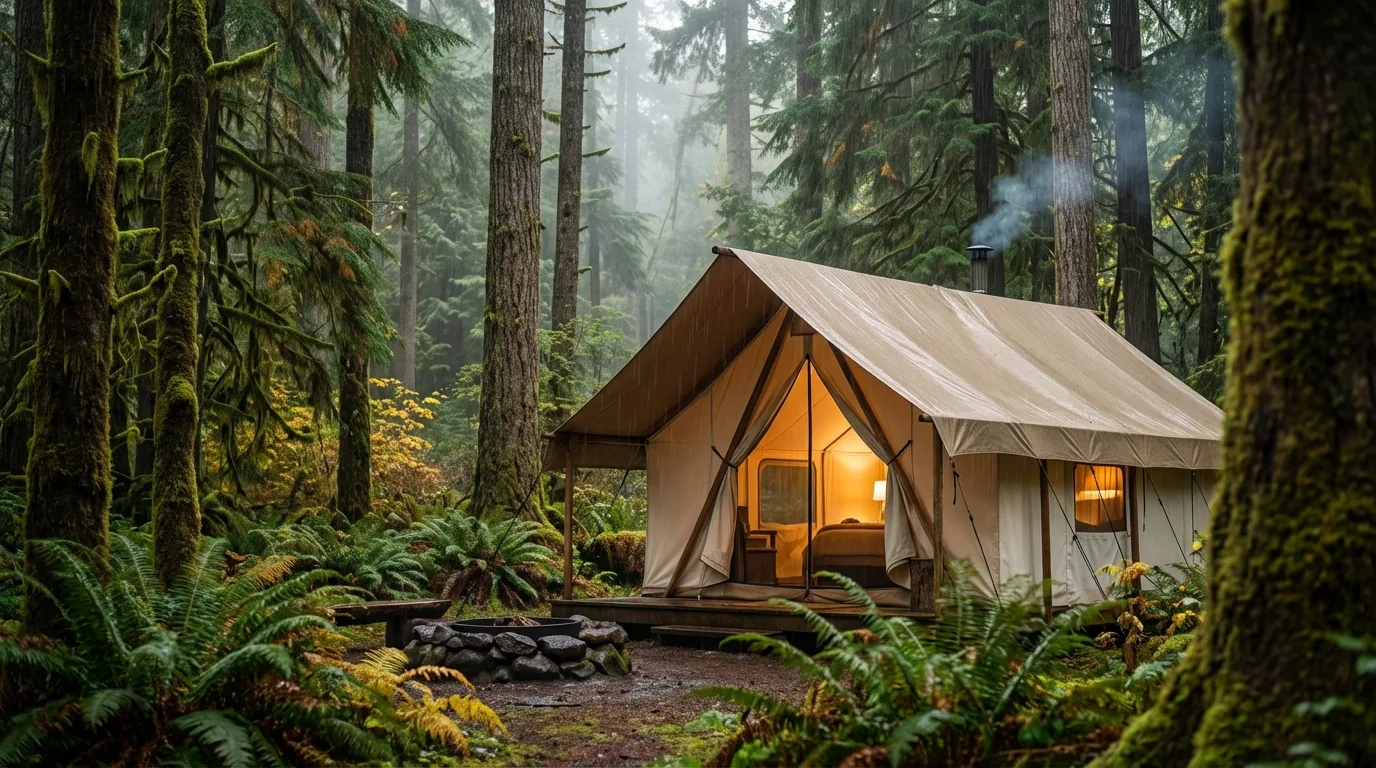
While some luxury retreats can be costly, there are numerous affordable options. Many local spas offer day passes or weekend packages that are surprisingly budget-friendly. Consider glamping, cabin rentals, or even a self-guided 'staycation' where you intentionally unplug and engage in wellness activities in your local area. The cost of chronic stress and burnout – in terms of health, career stagnation, and strained relationships – far outweighs the investment in a short, rejuvenating break. View it as an essential health expense, not discretionary spending.
"I Feel Guilty Leaving Work"
This guilt is often a byproduct of the 'always-on' culture. However, true leadership and professionalism involve understanding your limits and prioritizing self-care to ensure you can consistently perform at your best. A burnt-out leader is ineffective and sets a poor example for their team. By taking a short break, you're not abandoning your responsibilities; you're ensuring you have the mental and emotional reserves to meet them sustainably. Your team and organization benefit from a refreshed, focused you, far more than from an exhausted, resentful version.
| Objection | Expert Solution |
|---|---|
| I don't have time. | Reframe time as a strategic investment; burnout costs more. A 2-3 day trip offers significant ROI. |
| It's too expensive. | Explore budget-friendly options: local spas, glamping, self-guided retreats. Compare cost to burnout's impact. |
| I feel guilty leaving work. | Prioritize self-care as a professional necessity. A refreshed leader is more effective and sets a better example. |
Frequently Asked Questions (FAQ)
How short can a wellness trip really be to be effective? In my experience, even a 2-day, 2-night trip can be profoundly effective if it's intentionally planned and executed. The key isn't just the duration, but the intensity of the disconnection and immersion. A Friday evening to Sunday afternoon escape, fully dedicated to wellness practices and digital detox, can yield significant benefits by disrupting stress patterns and allowing for deep rest. Many of my clients have found micro-retreats of this length to be game-changers for their weekly resilience.
What if I can't afford a fancy retreat? Are there budget-friendly options? Absolutely. Wellness travel doesn't have to mean luxury resorts. Consider local options like a day spa for a full day of treatments and relaxation, or a quiet cabin rental in a nearby natural area where you can practice mindfulness, hike, and cook healthy meals. Even a carefully planned 'wellness staycation' at home, where you commit to a digital detox, meditation, healthy eating, and gentle exercise, can be highly effective. The investment is primarily in your time and intention, not necessarily a hefty price tag.
How do I convince my boss/team I need this, especially when workloads are high? Frame it not as a vacation, but as a strategic investment in your productivity and sustained performance. Explain that a short, focused break will allow you to return refreshed, more creative, and less prone to errors, ultimately benefiting the team and the company. Highlight the preventative aspect of combating burnout before it leads to more significant issues. Offer a detailed plan for your absence, showcasing how you've delegated and prepared, demonstrating your professionalism and commitment. Leadership often respects proactive self-care.
What's the best way to prevent the post-trip "burnout rebound"? The 'rebound' is real, but preventable. The most crucial step is to integrate one or two key practices learned on your trip into your daily routine. This could be a 10-minute morning meditation, a daily walk, or mindful eating during lunch. Also, schedule your first day back strategically: avoid packing it with meetings, use it to organize, prioritize, and ease back in. Remember, the trip is a reset; daily practices are the sustainers.
Are there specific activities I should prioritize on a short trip to maximize impact? Yes, prioritize activities that facilitate deep relaxation and disconnection. This often includes meditation, gentle yoga, forest bathing, journaling, and simply being in nature without distraction. Activities that encourage digital detox and mindful presence are paramount. Avoid anything that feels like 'work' or adds stress, even if it's a popular tourist activity. The goal is restoration, not accumulation of experiences.
Key Takeaways and Final Thoughts
As an industry veteran, I've witnessed firsthand the transformative power of intentional breaks, especially short wellness trips for busy professionals to combat burnout. It's not about escaping your life, but about enriching it, ensuring you have the energy, clarity, and resilience to thrive in both your professional and personal spheres. This isn't a luxury; it's a strategic imperative for sustained success and well-being.
- Burnout is a serious threat: Recognize its signs and understand its costs.
- Short trips are potent: Even 2-3 days can offer significant rejuvenation.
- Choose wisely: Match your trip type to your specific needs (mental clarity, physical detox, nature connection).
- Plan meticulously: Delegate, automate, and communicate to ensure a stress-free departure and return.
- Disconnect intentionally: Embrace digital detox to truly recharge.
- Prioritize self-care: Overcome objections of time, cost, and guilt by viewing wellness as an investment.
- Integrate practices: Carry elements of your trip into daily life to sustain benefits.
Your career is a marathon, not a sprint. By strategically incorporating short wellness trips into your professional life, you're not just preventing burnout; you're cultivating a sustainable path to peak performance, innovation, and profound personal fulfillment. Take that leap, invest in yourself, and watch how a little time away can bring boundless rewards.

Recommended Reading
- 7 Proven Cruise Activities to Combat Executive Burnout Effectively
- Carnival Travel Risks: How Corporate Groups Stay Safe (7 Tips)
- Cruise Safely: 7 Ways to Mitigate Non-Cruise Line Excursion Risks
- 7 Urgent Strategies: Find Business-Appropriate Budget Lodging Fast
- River Cruise for Burnout? 7 Ways to Reclaim Executive Vitality



Your email address will not be published. Required fields are marked *