

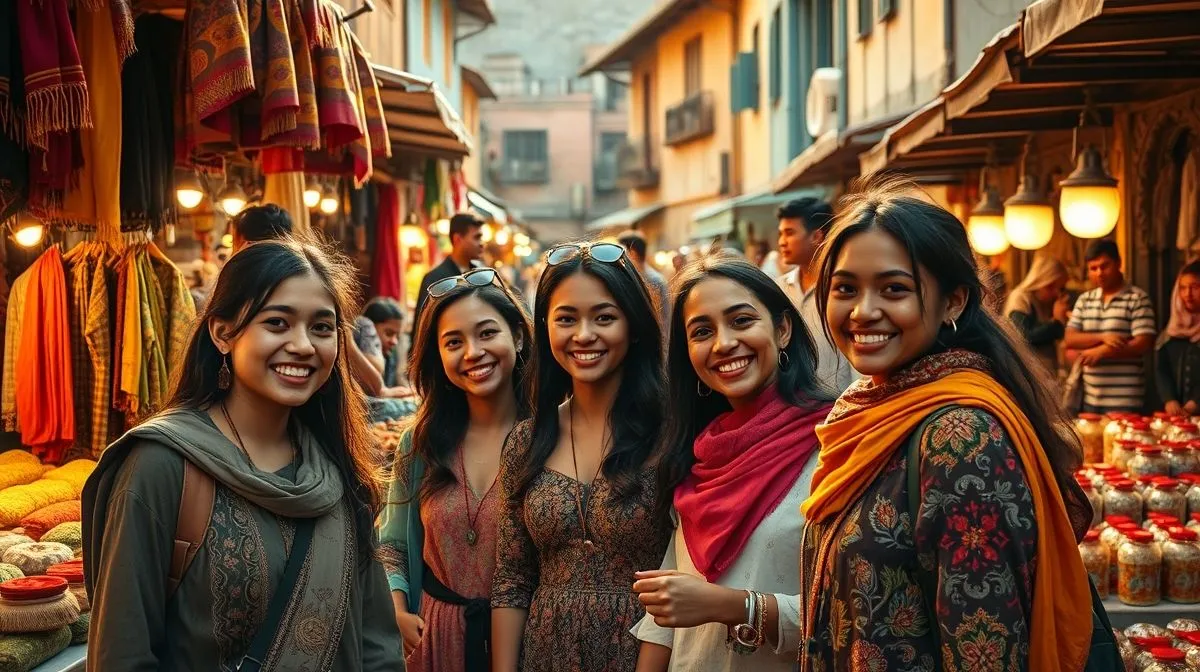
How to Prepare for an Immersive Cultural Exchange Trip: Your Definitive Guide
Have you ever dreamt of truly living a culture, not just observing it from behind a tour bus window? Imagine sipping chai with a local artisan in Jaipur, learning traditional dances in a remote village in Peru, or debating philosophy with students in a Parisian café. These aren't just vacations; they are profound journeys that promise to reshape your understanding of the world and yourself.
Yet, the allure of such deep cultural engagement often comes with a daunting question: how does one truly prepare for an experience that demands more than just a packed suitcase? The thought of navigating unfamiliar customs, language barriers, and potential culture shock can feel overwhelming, turning an exciting prospect into a source of anxiety. Without proper foresight and preparation, even the most enthusiastic traveler can find themselves adrift rather than immersed.
This comprehensive guide is designed to be your compass and map for navigating the complex yet incredibly rewarding journey of an immersive cultural exchange. We will delve into every facet of preparation, from the critical pre-departure research and practical logistics to cultivating the mental and emotional resilience needed to thrive. By the end of this reading, you will possess the knowledge and confidence to transform your dream of deep cultural immersion into a vibrant reality.
Understanding the Essence of Immersive Cultural Exchange
What Defines True Immersion?
True cultural immersion goes far beyond tourism. It's about stepping out of your comfort zone and into the daily rhythm of another society. It involves living among locals, participating in their routines, understanding their perspectives, and allowing yourself to be transformed by the experience. This isn't just about visiting landmarks; it's about making connections, sharing stories, and embracing a new way of life, however temporarily.
It demands an active engagement, a willingness to learn, and a profound respect for differences. Unlike a typical tourist, an immersive traveler seeks to dissolve the boundaries between observer and participant, striving to understand the nuances of a culture from the inside out.
Why Cultural Exchange Matters
The benefits of immersive cultural exchange are multifaceted and deeply personal. They extend far beyond the immediate travel experience, fostering growth that lasts a lifetime. These experiences cultivate a broader worldview and enhance personal development in significant ways.
- Global Citizenship: You gain a nuanced understanding of global issues and the interconnectedness of humanity.
- Empathy and Perspective: Walking in someone else's shoes fosters profound empathy and challenges your preconceived notions.
- Personal Growth: Navigating unfamiliar situations builds resilience, adaptability, and problem-solving skills.
- Cross-Cultural Communication: You develop an invaluable ability to connect with people from diverse backgrounds, often overcoming language barriers.
- Language Acquisition: Living in a country provides the most effective environment for language learning and practice.
- Enhanced Self-Awareness: Seeing your own culture from an external perspective provides unique insights into your own identity and values.
Research and Pre-Departure Learning: Laying the Groundwork
Ultimately, understanding how to prepare for an immersive cultural exchange trip begins long before you pack your bags. The most successful immersive experiences are built upon a foundation of thorough research and genuine intellectual curiosity.
Deep Dive into Your Destination
Before you even book your flights, commit to understanding the place you're going. Research isn't merely about finding tourist attractions; it's about grasping the socio-political landscape, historical context, and prevailing societal norms. This foundational knowledge will inform your expectations and help you interpret the experiences you encounter.
- History and Politics: Understand significant historical events and the current political climate. This context is vital for understanding societal attitudes and behaviors.
- Religion and Belief Systems: Be aware of dominant religions and their influence on daily life, festivals, and social conduct.
- Social Structure: Learn about family dynamics, gender roles, and community structures. How are elders respected? What are the norms for public interaction?
- Economic Landscape: A basic understanding of the economy can help you appreciate local challenges and opportunities, and inform your spending habits.
Engage with documentaries, read non-fiction books by local authors, follow reputable news sources from the region, and seek out podcasts that offer local perspectives. The goal is to build a mental map of your destination that goes beyond the superficial.
Language Basics: More Than Just Greetings
While you don't need to be fluent, learning even basic phrases in the local language can dramatically enhance your experience. It's a powerful sign of respect and can open doors to interactions that would otherwise be impossible. A simple 'hello,' 'thank you,' or 'excuse me' in the local tongue can transform a transactional encounter into a genuine connection.
Focus on conversational phrases that facilitate daily life: ordering food, asking for directions, expressing basic needs, and engaging in simple pleasantries. Utilize language learning apps, online courses, or local community classes. Even if your pronunciation isn't perfect, the effort is almost always appreciated and can bridge cultural gaps in surprising ways. Consider this an essential step in truly preparing for an immersive cultural exchange.
Understanding Local Etiquette and Taboos
Cultural gaffes can range from mildly embarrassing to deeply offensive. Familiarizing yourself with local customs, gestures, and social protocols is paramount. What's polite in one culture might be rude in another. This includes everything from dining manners to appropriate dress codes, and even how to accept or give gifts.
For instance, in some cultures, pointing with a finger is rude; using an open hand is preferred. In others, showing the soles of your feet is offensive. Understanding these subtleties demonstrates respect and helps you avoid unintentional missteps. Resources like the SBS Cultural Atlas can be invaluable for gaining specific insights into etiquette, communication styles, and cultural nuances across various countries.
- Greetings: Learn the appropriate way to greet people (handshakes, bows, kisses on the cheek, etc.).
- Dining Etiquette: Understand table manners, such as how to use chopsticks, whether to finish your plate, or how to accept hospitality.
- Dress Code: Be aware of appropriate attire for different settings, especially religious sites or conservative areas.
- Body Language: Gestures, eye contact, and personal space vary significantly.
- Gift Giving: Learn about common practices for giving and receiving gifts, including what is appropriate and what should be avoided.
Practical Preparations: Logistics and Health
Beyond the cultural learning, the practicalities of travel form a crucial part of how to prepare for an immersive cultural exchange trip. Neglecting these details can quickly turn an exciting adventure into a logistical nightmare.
Visa, Documentation, and Travel Insurance
Begin the process of securing your visa well in advance, as requirements and processing times vary wildly by country. Ensure your passport is valid for at least six months beyond your intended return date and has sufficient blank pages. Make multiple photocopies of all important documents (passport, visa, flight tickets, insurance policy) and store them separately. Keep digital copies on a secure cloud service or email them to yourself.
Travel insurance is non-negotiable for an immersive trip. It should cover medical emergencies, emergency evacuation, trip cancellation, and lost luggage. Understand your policy's terms and conditions, including any exclusions, before you depart. Having comprehensive insurance provides invaluable peace of mind when you're far from home.
Health and Safety Protocols
Your health is paramount. Consult your doctor or a travel clinic at least 4-6 weeks before your departure to discuss necessary vaccinations and prophylactic medications for your destination. Be aware of any endemic diseases and how to prevent them. Carry a basic first-aid kit with prescription medications, over-the-counter remedies, and any personal medical supplies you might need.
Familiarize yourself with local emergency numbers and the location of reputable medical facilities near your accommodation. The CDC's Travelers' Health website is an excellent resource for country-specific health recommendations and alerts.
- Vaccinations: Get all recommended and required vaccinations.
- Prescription Medications: Carry enough for your entire trip, plus a few extra days, and keep them in their original containers with a doctor's note.
- Water Safety: Understand if tap water is safe to drink or if bottled/purified water is necessary.
- Food Safety: Be mindful of street food and restaurant hygiene, especially when adjusting to new cuisines.
- Personal Safety: Research safe neighborhoods, common scams, and local laws. Share your itinerary with a trusted contact.
Financial Planning and Local Currency
Budgeting for an immersive trip requires careful consideration beyond just flights and accommodation. Factor in daily expenses for food, local transportation, activities, and unforeseen costs. Research the local currency and typical costs of living in your destination. Inform your bank and credit card companies of your travel plans to avoid issues with transactions abroad.
Consider having a mix of payment methods: a credit card for larger expenses, a debit card for ATM withdrawals, and some local currency for small purchases. Be aware of exchange rates and ATM fees. It's often advisable to carry a small amount of cash for immediate needs upon arrival.
Smart Packing: Essentials vs. Excess
Packing for an immersive cultural exchange trip is an art. The goal is to be prepared without being burdened. Your packing list should reflect the climate, cultural norms, and activities you plan to undertake. Prioritize versatility, durability, and cultural appropriateness.
- Cultural Sensitivity: Pack clothing that respects local customs. For example, modest attire for visiting religious sites.
- Layering: Versatile layers are key for varying temperatures and different environments.
- Comfortable Footwear: You'll likely be doing a lot of walking.
- Essential Documents & Copies: Keep them secure and accessible.
- Minimalism: The less you carry, the more flexible you are. You can often buy necessities locally.
- Adapters and Converters: For electronics.
Resist the urge to overpack. Remember, you're not moving; you're visiting. Embrace the opportunity to live more simply and rely on local resources.
Mental and Emotional Readiness: Cultivating an Open Mind
Crucially, a significant part of how to prepare for an immersive cultural exchange trip involves cultivating a robust mental and emotional framework. The most profound challenges and rewards of immersive travel are often internal.
Embracing Discomfort and Uncertainty
Immersive travel inherently involves stepping outside your comfort zone. Things will be different: the food, the pace of life, the communication styles, even the concept of time. Embrace this discomfort as a sign of growth, not a problem. Be prepared for things not to go as planned and cultivate a flexible mindset.
Uncertainty is a constant companion on such journeys. Instead of fighting it, learn to flow with it. This adaptability is a muscle that strengthens with practice, making you more resilient not only abroad but also in your daily life back home.
Developing Cultural Humility
Cultural humility is the ability to maintain an interpersonal stance that is open to others, in relation to their cultural identity. It's a lifelong process of self-reflection and self-critique, acknowledging that you don't know everything about another culture and that your own cultural lens shapes your perceptions. Approach every interaction with a learner's mindset, recognizing that locals are the experts on their own culture.
This means listening more than you speak, asking thoughtful questions, and being open to having your own assumptions challenged. It's about respecting different ways of knowing and being, without judgment. According to cross-cultural communication experts, demonstrating cultural humility is the single most effective way to build trust and foster genuine connections.
Strategies for Managing Culture Shock
Culture shock is a natural, almost inevitable part of deep immersion. It's the feeling of disorientation experienced by someone who is suddenly subjected to an unfamiliar culture, way of life, or set of attitudes. Symptoms can include anxiety, frustration, homesickness, irritability, and even physical ailments.
- Acknowledge It: Recognize that what you're feeling is normal and temporary.
- Seek Support: Connect with other travelers, your program coordinators, or even trusted friends and family back home.
- Maintain Routine: Try to establish some familiar routines, like exercise or reading.
- Practice Self-Care: Ensure you're eating well, getting enough sleep, and engaging in activities that bring you joy.
- Engage, Don't Withdraw: While it's tempting to retreat, continued engagement with the local culture is key to overcoming culture shock.
Remember that the 'dip' of culture shock is often followed by a deeper appreciation and integration into the new environment. Patience and self-compassion are your best allies.
Ethical Engagement and Responsible Tourism
An immersive cultural exchange is not just about what you gain; it's also about what you contribute and how you impact the places you visit. Responsible and ethical engagement is a cornerstone of true immersion.
Supporting Local Economies
Make conscious choices to support local businesses and artisans. Choose locally owned guesthouses, eat at family-run restaurants, and purchase souvenirs directly from the creators. This ensures that your money directly benefits the community you are visiting, rather than being siphoned off by large international corporations. Bargain fairly, but always be respectful of the value of local labor and goods.
Environmental Responsibility
Travel leaves a footprint. Minimize yours by being mindful of your environmental impact. This includes reducing waste, conserving water and energy, and respecting local ecosystems. Avoid activities that harm wildlife or natural habitats. Learn about local conservation efforts and contribute if possible. The principles outlined by organizations like the UN World Tourism Organization (UNWTO) provide excellent guidelines for sustainable tourism practices.
Respecting Local Customs and Traditions
This goes beyond avoiding taboos; it's about actively respecting and participating in local life where appropriate. Dress respectfully, especially when visiting religious sites. Ask for permission before taking photos of people. Be mindful of noise levels in residential areas. Attend local festivals or ceremonies with an attitude of reverence and a willingness to learn, not just as a spectacle.
Remember that you are a guest in someone else's home. Your actions reflect not only on you but on your home country. A humble and respectful demeanor will open more doors than any amount of money or privilege.
Maximizing Your Experience On-Location
Seeking Out Authentic Experiences
While tourist attractions have their place, true immersion comes from seeking out the everyday. Wander through local markets, attend community events, or volunteer for a few hours. Accept invitations from locals for meals or social gatherings, provided you feel safe and comfortable. These organic interactions are where the most profound learning happens.
Don't be afraid to get lost (safely, of course) and discover hidden gems. Engage in conversations, even if imperfect. The goal is to move beyond the curated tourist path and experience the authentic pulse of daily life.
Building Genuine Connections
The heart of cultural exchange lies in human connection. Be open to meeting people, both locals and fellow travelers. Learn a few phrases, share stories, and offer to help when appropriate. A simple smile, an open gesture, or a shared laugh can transcend language barriers and create lasting bonds.
Consider staying with a host family if your program allows it. This provides an unparalleled opportunity to live within a local household, participate in family routines, and gain intimate insights into daily life and cultural values. These relationships are often the most memorable part of an immersive trip.
Reflection and Journaling
An immersive experience can be intense and overwhelming. Taking time to reflect on your experiences is crucial for processing new information and integrating your learning. Keep a journal to record your observations, feelings, challenges, and triumphs. This not only helps you process the present but also serves as a valuable record of your journey.
Regular reflection allows you to identify patterns, understand your reactions to new stimuli, and solidify your insights. It transforms fleeting moments into lasting lessons, ensuring that the experience continues to benefit you long after you've returned home.
Common Pitfalls to Avoid
Over-Planning vs. Flexibility
While preparation is key, over-planning every minute of your trip can stifle spontaneity and limit genuine immersion. Leave room for serendipitous encounters and unexpected invitations. A rigid itinerary can prevent you from truly adapting to the local pace and discovering hidden opportunities for connection.
Find a balance between structured preparation and an openness to the unknown. Have a general framework, but allow for detours and changes of plan. The most memorable moments often arise from the unplanned.
Stereotyping and Preconceptions
We all carry preconceived notions. A critical part of immersive travel is recognizing and challenging your own biases. Be wary of falling into the trap of stereotyping or generalizing based on limited interactions or media portrayals. Every individual is unique, and every culture is complex and diverse.
Approach each person and situation with an open mind and a willingness to learn. Your goal is to understand, not to confirm existing beliefs. Be prepared to have your worldview expanded and even overturned.
Neglecting Self-Care
Immersive travel can be exhilarating but also draining. Constantly being in a new environment, navigating cultural differences, and processing new information can lead to mental and physical fatigue. It's vital to prioritize self-care.
This means ensuring you get adequate rest, eating nourishing food, staying hydrated, and taking breaks when you need them. Don't feel guilty about needing downtime. A well-rested and refreshed traveler is better equipped to engage meaningfully with their surroundings.
Frequently Asked Questions (FAQ)
What is the biggest challenge of an immersive cultural exchange trip? The biggest challenge is often navigating culture shock and the discomfort of unfamiliarity. It requires significant mental and emotional resilience to adapt and find your footing in a new environment.
How long should an immersive cultural exchange trip be to be effective? While even a short, intentional trip can be impactful, a minimum of 2-3 weeks is generally recommended for true immersion to begin. Longer durations (months or even a year) allow for deeper understanding and integration into the local community.
Can I do an immersive cultural exchange if I don't speak the local language? Yes, but it will be more challenging. While not speaking the language perfectly is fine, learning basic phrases is highly recommended. Many immersive experiences are designed for non-speakers, but your level of engagement will be greatly enhanced with some linguistic ability.
How can I stay safe during an immersive cultural exchange trip? Prioritize safety by researching local crime rates, avoiding risky areas, being aware of your surroundings, and securing your belongings. Trust your instincts, avoid walking alone at night, and be discreet with valuables. Always share your itinerary with a trusted contact.
What's the difference between tourism and cultural exchange? Tourism often involves observing a culture from a distance, focusing on landmarks and curated experiences. Cultural exchange, conversely, is about active participation, living within the culture, building genuine relationships, and allowing the experience to profoundly change your perspective.
Recommended Reading
- Unlock City Secrets: Best Urban Exploration Apps for City Breaks
- Unlock Budget Travel: Master Meal Prep for International Adventures!
- Treehouse Glamping: Is it Safe for Kids? Ultimate Safety Guide
- Tuscany's Best Pasta Class for Beginners: The Secret to Authentic Flavors
- Best Short-Term Volunteer Abroad Projects: Make a Real Impact!
Conclusion
Embarking on an immersive cultural exchange trip is an extraordinary opportunity for personal growth, global understanding, and unforgettable adventures. Mastering how to prepare for an immersive cultural exchange trip is not just about logistics; it's about cultivating a mindset of openness, respect, and resilience.
From meticulous research and practical planning to nurturing your mental fortitude and committing to ethical engagement, every step you take before and during your journey contributes to its depth and impact. Embrace the discomfort, celebrate the differences, and allow yourself to be transformed by the rich tapestry of human experience. The world awaits your curious spirit – go forth and immerse yourself fully.





Your email address will not be published. Required fields are marked *