


How to achieve profit sustainably in biodiversity hotspots?
For over 20 years in the eco-tourism and conservation finance sectors, I’ve witnessed firsthand the often-conflicting desires to protect our planet’s most precious ecosystems and to generate economic prosperity. It's a delicate dance, a tightrope walk between preservation and progress, particularly in biodiversity hotspots – those irreplaceable areas teeming with unique life, yet under constant threat.
Many well-intentioned ventures in these regions falter, either by failing to generate sufficient returns to be viable long-term, or worse, by inadvertently contributing to the very degradation they aimed to prevent. The inherent fragility of these environments, coupled with complex socio-economic dynamics, makes achieving true sustainable profit a formidable challenge.
This article isn't about quick fixes or greenwashing platitudes. Instead, I'll share actionable frameworks, grounded in my extensive experience and supported by real-world case studies, that demonstrate precisely how to achieve profit sustainably in biodiversity hotspots. We'll explore strategies that foster genuine community benefit, robust conservation outcomes, and enduring financial viability.
Understanding the Unique Ecosystem of Biodiversity Hotspots
Before we delve into strategies, it's crucial to grasp what makes biodiversity hotspots so unique and challenging. These are regions with high levels of endemic species (found nowhere else on Earth) that have lost at least 70% of their original habitat. They represent both incredible natural heritage and critical conservation priorities.
The inherent conflict lies in their very definition: they are under threat. This means any economic activity, no matter how well-intentioned, carries a greater risk of impact. The ecosystems are often fragile, the local communities frequently marginalized, and the balance between short-term economic gain and long-term ecological health is exceptionally precarious.
“In biodiversity hotspots, profit without preservation is exploitation, and preservation without profit is unsustainable. The true genius lies in weaving them into an interdependent, flourishing tapestry.”
Achieving sustainability here means more than just 'doing less harm'; it requires a proactive, regenerative approach that enhances both ecological integrity and community well-being. It’s about creating symbiotic relationships where the natural capital is valued, protected, and becomes the very engine of prosperity.
Strategy 1: Community-Centric Eco-Tourism Development
In my experience, no initiative in a biodiversity hotspot can truly be sustainable or profitable without the genuine involvement and benefit of local communities. They are the frontline stewards, possess invaluable traditional ecological knowledge, and their buy-in is paramount.
Empowering Local Stakeholders
This isn't about token gestures; it’s about deep integration. When communities are true partners, they become powerful advocates for conservation, understanding that their livelihoods are directly linked to the health of their environment.
- Participatory Planning: Involve community members from the initial conceptualization phase of any eco-tourism project. Their insights into local culture, land use, and resource management are irreplaceable.
- Capacity Building: Invest in training programs that empower locals with skills in hospitality, guiding, marketing, and business management. This creates direct employment and entrepreneurial opportunities.
- Equitable Benefit Sharing: Establish clear, transparent mechanisms for sharing revenue. This could involve direct wages, community funds for infrastructure, or support for local enterprises.
- Cultural Preservation: Ensure that tourism activities respect and celebrate local traditions, rather than commodifying or eroding them.
Case Study: The Tambopata Ecotourism Cooperative
I recall a project in the Peruvian Amazon, near the Tambopata National Reserve, where a local indigenous community struggled with poverty and illegal logging. By facilitating the formation of an eco-tourism cooperative, we helped them develop a small, community-owned lodge and guided tours. The community members were trained as naturalists, cooks, and managers. Within five years, not only did their household incomes increase by an average of 40%, but illegal logging in their territory plummeted. They became fierce protectors of their forest, understanding its intrinsic value and its economic potential. This resulted in a thriving, self-sufficient enterprise that directly funded local schools and healthcare, proving that local ownership is a powerful conservation tool.

Strategy 2: Innovative Conservation Finance Mechanisms
Traditional funding often falls short in covering the long-term costs of conservation. To achieve profit sustainably in biodiversity hotspots, we must look beyond conventional tourism revenue and embrace diverse financial instruments that directly link conservation outcomes to economic returns.
Beyond Traditional Funding
This involves creating revenue streams that reward environmental stewardship, turning ecological assets into financial ones without commodifying nature itself.
- Carbon Credits: Projects that protect forests can generate carbon credits, which can be sold to companies seeking to offset their emissions. This provides a direct financial incentive for forest preservation.
- Biodiversity Offsets: In some cases, developers impacting biodiversity elsewhere are required to fund conservation efforts in a biodiversity hotspot to compensate.
- Payment for Ecosystem Services (PES): This involves direct payments to landowners or communities for managing their land in ways that provide ecological benefits, such as clean water, pollination, or soil health.
- Impact Investment: Attracting investors who seek both financial returns and measurable positive social and environmental impact. These investments often have a longer time horizon and are more patient with returns.
| Mechanism | Primary Goal | Revenue Source | Example Project |
|---|---|---|---|
| Carbon Credits | Climate Change Mitigation | Sale of verified carbon units | Reforestation, avoided deforestation |
| Biodiversity Offsets | Net Biodiversity Gain | Developer compensation fees | Habitat restoration, protected area expansion |
| Payment for Ecosystem Services (PES) | Ecosystem Health | Beneficiary payments (e.g., water users) | Watershed protection, sustainable farming |
| Impact Investment | Financial Return + Social/Environmental Impact | Equity, debt, or hybrid structures | Sustainable agriculture, eco-tourism ventures |
According to a report by the International Union for Conservation of Nature (IUCN), global conservation finance needs are estimated to be significantly higher than current investments. Innovative mechanisms are critical to bridge this gap and create self-sustaining models.
Strategy 3: Developing High-Value, Low-Impact Experiences
The key to sustainable profit in fragile ecosystems is often found in attracting fewer visitors who are willing to pay more for exceptional, deeply immersive experiences, rather than mass tourism. This approach minimizes ecological footprint while maximizing economic yield per visitor.
Quality Over Quantity
Focusing on high-value experiences means crafting unique offerings that resonate with discerning travelers who prioritize authenticity, education, and genuine connection with nature and culture.
- Specialized Wildlife Safaris: Offering expert-guided tours focused on specific endemic species, led by highly trained local naturalists.
- Scientific Expeditions: Collaborating with research institutions to offer citizen science opportunities, where guests contribute to ongoing conservation research.
- Luxury Eco-Lodges: Developing accommodations that are architecturally harmonious with the environment, use renewable energy, minimize waste, and offer unparalleled comfort and service while adhering to strict sustainability protocols.
- Cultural Immersion Programs: Providing opportunities for respectful engagement with local communities, learning traditional crafts, cooking, or storytelling.
“The most valuable experiences in a biodiversity hotspot are not about what you consume, but what you contribute, learn, and leave untouched.”
These types of experiences naturally attract a demographic that is more environmentally conscious, respectful of local cultures, and often more willing to adhere to conservation guidelines. They become ambassadors for the region, not just tourists.
Strategy 4: Robust Certification and Transparent Reporting
In an era of increasing scrutiny and consumer awareness, credibility is your most valuable asset. For businesses operating in biodiversity hotspots, demonstrating a genuine commitment to sustainability through robust certification and transparent reporting is non-negotiable.
Building Trust and Credibility
Greenwashing is a significant risk in eco-tourism. Authentic certification and clear reporting build trust with consumers, investors, and local communities, differentiating truly sustainable ventures from those merely claiming to be.
- Global Sustainable Tourism Council (GSTC) Criteria: Adhering to internationally recognized standards like the GSTC Criteria provides a comprehensive framework for sustainability across management, socio-economic impact, cultural impact, and environmental impact.
- Third-Party Verification: Seek independent audits and certification from reputable organizations. This adds an external layer of credibility that self-declarations cannot match.
- Impact Reporting: Regularly publish detailed reports on your environmental and social performance. This should include metrics on energy consumption, waste reduction, water usage, local employment, community investment, and conservation contributions.
- Blockchain for Transparency: Explore emerging technologies like blockchain to track supply chains, verify impact, and ensure funds reach intended conservation projects or community beneficiaries.
As the Global Sustainable Tourism Council (GSTC) emphasizes, credible sustainability standards are vital for protecting destinations, empowering communities, and informing travelers. This commitment to transparency is a powerful marketing tool, attracting a growing segment of responsible travelers and impact investors.
Strategy 5: Strategic Partnerships and Cross-Sector Collaboration
No single entity can tackle the complexities of operating sustainably in a biodiversity hotspot alone. The most successful ventures I've seen are those that proactively forge diverse partnerships, leveraging the strengths of different organizations to achieve shared goals.
Synergies for Success
Collaboration amplifies impact, shares risks, and brings together a wider range of expertise and resources than any individual organization could muster.
- NGOs and Conservation Organizations: Partner with established conservation NGOs for scientific expertise, community engagement, and monitoring. They can provide invaluable guidance on best practices and help ensure your activities are genuinely beneficial to the ecosystem.
- Research Institutions and Universities: Collaborate on research projects, offering your site as a living laboratory. This can enhance your understanding of the local ecology, contribute to global knowledge, and attract a unique segment of educational tourism.
- Local Government and Indigenous Authorities: Build strong relationships with local governance bodies. Their support is crucial for permits, land tenure, and ensuring your operations align with regional development plans and traditional laws.
- Other Businesses: Form alliances with other sustainable businesses in the region, such as local artisans, organic farms, or transport providers, to create a holistic sustainable supply chain and visitor experience.
Strategy 6: Leveraging Technology for Monitoring and Engagement
Technology, when applied thoughtfully, can be a game-changer for conservation and sustainable business operations in biodiversity hotspots. It offers unprecedented tools for monitoring impact, enhancing visitor experience, and improving operational efficiency.
Smart Conservation and Visitor Management
From tracking wildlife to managing visitor flows, technology can help mitigate negative impacts and demonstrate positive contributions.
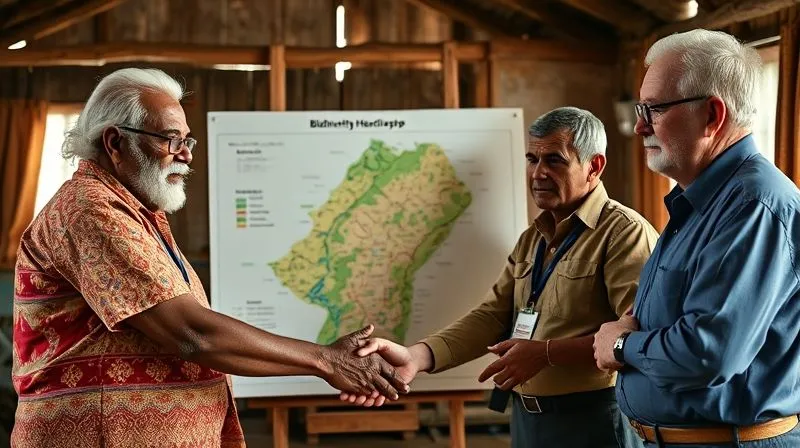
- Remote Sensing and GIS: Utilize satellite imagery, drones, and Geographic Information Systems (GIS) to monitor habitat health, deforestation, and wildlife populations in real-time. This data is crucial for adaptive management.
- AI and Data Analytics: Employ artificial intelligence to analyze vast datasets on visitor behavior, ecological changes, and resource consumption. This informs decision-making and helps optimize operations for sustainability and profit.
- Visitor Management Systems: Implement online booking platforms that cap daily visitor numbers, manage permits, and provide pre-arrival education on responsible tourism practices.
- Mobile Apps for Engagement: Develop apps that offer interactive guides, species identification tools, and opportunities for citizen science contributions, enhancing the visitor experience and fostering a deeper connection to nature.
- Renewable Energy Solutions: Integrate solar, wind, or micro-hydro power into your infrastructure to minimize reliance on fossil fuels, reducing your carbon footprint and operational costs.
As highlighted by a recent article in Nature Communications, technological advancements are rapidly transforming conservation, enabling more precise interventions and broader monitoring capabilities. Embracing these tools is not just about efficiency; it's about elevating your commitment to the environment.
Strategy 7: Diversifying Revenue Streams Beyond Tourism
While eco-tourism is a powerful driver for sustainable profit, relying solely on it can be risky, especially given global events like pandemics or economic downturns. Building resilience means diversifying your revenue portfolio, creating multiple income streams that are also aligned with conservation goals.
Resilience Through Multiple Sources
This strategy cushions your operation against market fluctuations and strengthens the economic case for conservation by demonstrating its multifaceted value.
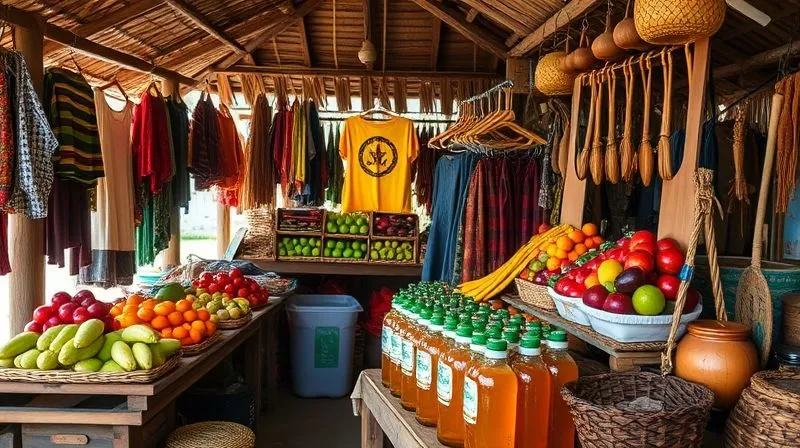
- Sustainable Agriculture and Agroforestry: Develop and market sustainably grown local produce, coffee, cacao, or other crops. This can provide income for local communities and reduce pressure on natural forests.
- Non-Timber Forest Products (NTFPs): Harvest and sustainably process products like medicinal plants, resins, nuts, or fibers. This provides economic value to standing forests, incentivizing their protection.
- Local Crafts and Artisanal Products: Support and market high-quality, ethically sourced handicrafts created by local communities, reflecting their cultural heritage and providing fair trade income.
- Bioprospecting (Ethical & Regulated): Under strict ethical guidelines and benefit-sharing agreements, explore the potential for discovering new compounds from local flora and fauna for pharmaceutical or cosmetic industries. This must be done with full community consent and equitable profit sharing.
| Revenue Stream | Product Examples | Conservation Link |
|---|---|---|
| Sustainable Agriculture | Organic coffee, cacao, spices | Discourages deforestation, promotes biodiversity-friendly farming |
| Non-Timber Forest Products (NTFPs) | Medicinal herbs, wild honey, natural dyes | Increases economic value of intact forests, reduces logging pressure |
| Artisanal Crafts | Hand-woven textiles, carved wood, traditional jewelry | Supports local culture, provides alternative livelihoods |
| Ethical Bioprospecting | Novel compounds for medicine/cosmetics | Funds conservation, provides equitable benefit sharing |
Navigating Ethical Dilemmas and Future Challenges
Even with the best intentions, operating in biodiversity hotspots presents ethical dilemmas and unforeseen challenges. From potential greenwashing to managing visitor expectations and the ever-present threat of climate change, vigilance is key.
“True sustainability is a journey, not a destination. It requires constant adaptation, rigorous self-assessment, and an unwavering commitment to ethical principles.”
I’ve seen projects struggle when they fail to address issues like benefit-sharing transparency, or when they scale too quickly without adequate safeguards. The future also holds challenges like adapting to climate-induced ecosystem shifts and evolving global travel trends. A truly sustainable enterprise must be agile, resilient, and deeply rooted in its ethical foundation, always prioritizing the long-term health of the hotspot and its communities over short-term gains.

Frequently Asked Questions (FAQ)
How do I ensure local communities truly benefit from eco-tourism projects? The most effective way is through genuine co-ownership and co-management models. This includes involving communities in decision-making from the outset, providing comprehensive training, establishing clear and equitable revenue-sharing agreements, and supporting local entrepreneurial initiatives that directly link to the project. Transparency in all financial dealings is also paramount.
What are the biggest risks in investing in biodiversity hotspots? Key risks include political instability, inadequate infrastructure, land tenure disputes, insufficient market demand for high-value eco-tourism, and the inherent fragility of the ecosystems themselves. Climate change also poses a significant, evolving risk. Thorough due diligence, strong community partnerships, and robust risk mitigation strategies are essential.
Is it possible to scale eco-tourism without harming the environment? Scaling in biodiversity hotspots requires a different approach. Instead of increasing visitor numbers exponentially, focus on increasing the value per visitor through unique, high-quality experiences. This ‘quality over quantity’ approach, combined with strict carrying capacity limits, advanced monitoring, and robust impact management plans, allows for sustainable growth without compromising ecological integrity.
What role does government policy play in achieving sustainable profit? Government policy is critical. Supportive policies around land tenure, protected area designation, clear environmental regulations, incentives for sustainable businesses, and investment in infrastructure (like renewable energy) can significantly enable sustainable profit. Conversely, weak governance or corruption can undermine even the best-intentioned projects. Advocating for sound policy is part of the long-term strategy.
How can small businesses or startups compete in this specialized market? Small businesses can thrive by focusing on niche markets, leveraging unique local cultural assets, and building strong, authentic relationships with communities. Collaboration with larger entities, utilizing digital marketing to reach specific audiences, and emphasizing a compelling story of genuine impact can give them a competitive edge. Don't try to be everything to everyone; focus on being exceptional in a specific area.
Recommended Reading
- 7 Pillars: Differentiating Luxury Yurt Glamping in Saturated Markets
- Short Winter Hikes: 7 Ways to Boost Clarity When Time's Tight
- Unlock the World: Safest Ways for Solo Travelers to Meet People Abroad
- 5 Crucial Rules: Master Wine Etiquette for Global Business Dinners?
- Europe on a Shoestring: Family Travel Tips That Won't Break the Bank
Main Points and Final Considerations
Achieving profit sustainably in biodiversity hotspots is undeniably complex, but it is not an impossible dream. My two decades in this field have taught me that success hinges on a blend of ethical commitment, innovative thinking, and relentless practical application. Here are the main takeaways:
- Prioritize Community: Genuine local involvement and equitable benefit-sharing are non-negotiable foundations for success and conservation.
- Diversify Finance: Look beyond traditional tourism revenue to embrace innovative conservation finance mechanisms.
- Value Over Volume: Focus on high-value, low-impact experiences that attract discerning, environmentally conscious travelers.
- Build Credibility: Robust certification and transparent impact reporting are essential for trust and market differentiation.
- Collaborate Widely: Strategic partnerships with NGOs, researchers, and local governments amplify impact and share risks.
- Embrace Technology: Utilize smart tools for monitoring, management, and enhancing visitor engagement while reducing footprint.
- Diversify Revenue: Build resilience by developing multiple, conservation-aligned income streams beyond tourism.
The path to sustainable profit in these precious regions demands patience, adaptability, and a deep respect for both nature and people. It's a journey that challenges conventional business models, but the rewards – in terms of financial viability, ecological preservation, and human well-being – are immeasurable. As seasoned experts in this field, it is our responsibility to champion these integrated approaches, ensuring that the pursuit of profit becomes a powerful force for global good, preserving our planet’s most vital treasures for generations to come.





Your email address will not be published. Required fields are marked *