

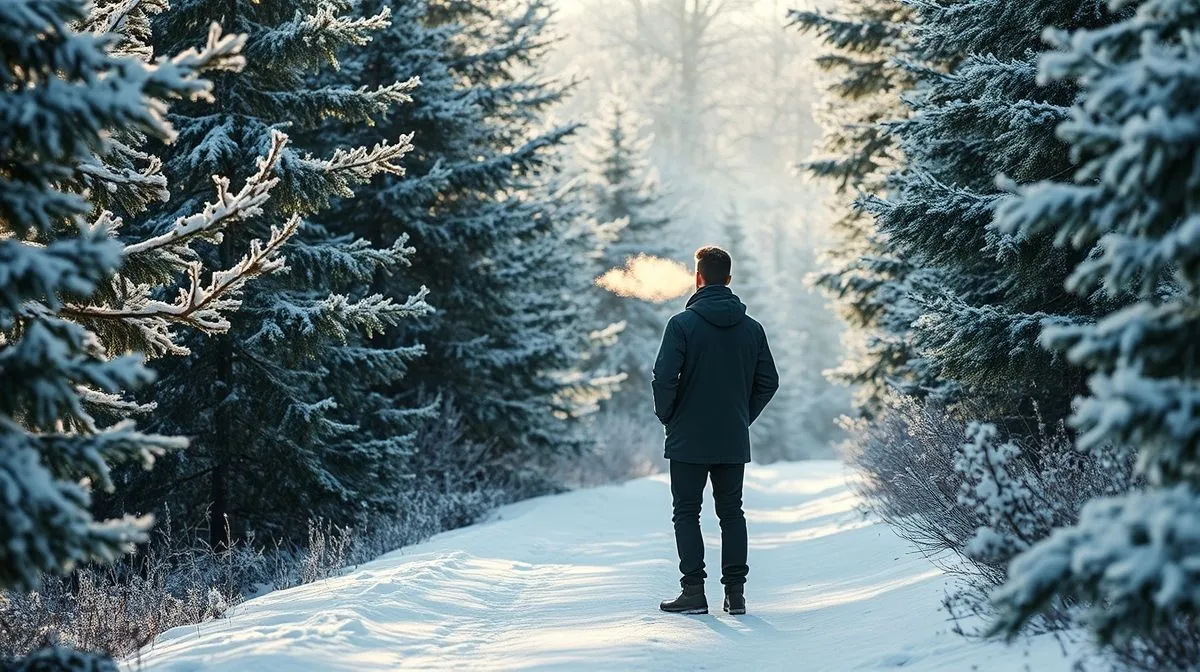
Maximize Mental Clarity from Winter Hikes, Time-Crunched? Absolutely.
For over three decades navigating the world of winter sports, from the backcountry trails to the serene, snow-laden paths less traveled, I've observed a profound truth: the crisp air and hushed beauty of winter offer an unparalleled sanctuary for the mind. Yet, in our relentlessly paced modern lives, the idea of 'finding time' for a soul-refreshing winter hike often feels like a luxurious impossibility, especially when we're battling deadlines, family commitments, and the sheer inertia of cold mornings.
The pain point is palpable: a yearning for mental clarity, a quiet space amidst the internal noise, but a calendar that screams 'no time!'. Many believe a significant time investment is required for true cognitive recalibration in nature, leading them to forgo the benefits entirely. This misconception deprives countless individuals of one of the most accessible and potent forms of natural therapy.
This isn't just about 'going for a walk.' It's about intentional engagement with the winter environment, even in short bursts. In this definitive guide, I'll share expert insights, actionable frameworks, and proven strategies derived from years of experience to demonstrate precisely how you can maximize mental clarity from winter hikes, even when you're incredibly time-crunched. Prepare to transform your approach to winter wellness.
The Core Principle: Intentional Micro-Dosing Nature
Forget the notion that you need hours to reap nature's rewards. My experience has shown me that consistency and intentionality, even in brief encounters, far outweigh sporadic, lengthy excursions. This is about 'micro-dosing' nature – injecting short, potent doses of the winter environment into your day to recalibrate your mind.
"It's not the duration, but the immersion that counts. A focused ten minutes can be more impactful than an unfocused hour."
The key here is not just being *in* nature, but being *present* in it. This means engaging your senses, setting an intention, and actively allowing the environment to influence your mental state. It's a fundamental shift from passive observation to active participation in your own mental well-being.
Why Micro-Hikes Work for Clarity
Short winter hikes are potent because they leverage several powerful mechanisms: cold exposure, sensory stimulation, and the inherent calming effect of natural environments. Even a 15-minute walk can significantly reduce cortisol levels and improve mood, as highlighted in numerous studies on nature exposure.
- Reduced Cognitive Load: Nature provides 'soft fascination,' allowing your mind to wander gently without demanding directed attention, which can reduce mental fatigue.
- Enhanced Blood Flow: Moderate exercise, even brief, boosts circulation to the brain, improving oxygen and nutrient delivery.
- Sensory Reset: The unique sights, sounds, and smells of winter offer a refreshing contrast to indoor environments, stimulating new neural pathways.
- Mindfulness Amplifier: The stark beauty and quiet of winter naturally encourage presence and observation.
Pre-Hike Rituals: Setting the Stage for Mental Gains
Even with limited time, a brief pre-hike ritual can amplify the clarity you gain. This isn't about complexity; it's about intention. I've seen countless individuals rush into their outdoor experience, only to find their minds still tethered to their to-do lists. A little preparation goes a long way.
The 5-Minute Mindset Shift
- Set an Intention: Before you even step out, take 60 seconds. What do you want from this walk? Clarity? Calm? A fresh perspective on a problem? State it silently.
- Brief Breathwork: Practice 2-3 minutes of deep, diaphragmatic breathing. Inhale slowly through your nose for a count of four, hold for seven, exhale slowly through your mouth for eight. This signals your nervous system to calm down.
- Gear Check: Ensure you're dressed appropriately. Being cold or uncomfortable is a major distraction. Quick checks on layers, gloves, hat, and footwear prevent mental friction once outside.
Example: I recall a particularly harried client, a CEO named Sarah, who initially scoffed at the idea of 'pre-hike rituals' with her limited time. After a week of incorporating just the 5-minute mindset shift before her quick midday walks, she reported a dramatic increase in her ability to focus and problem-solve post-hike. "It's like hitting a mental reset button before I even leave the office," she told me.
Optimizing Your Route: Proximity and Purpose
When time is of the essence, your choice of route is paramount. This isn't about finding the most epic vista, but the most accessible pocket of nature that allows for immediate immersion.
Proximity is Your Ally
- Local Parks & Green Spaces: Often overlooked, these urban oases can be surprisingly effective. Look for areas with mature trees, even if small.
- Backyard or Neighborhood Trails: If you have a larger yard or a quiet street with trees, don't underestimate its potential.
- Workplace Surroundings: Does your office park have any tree lines, a small pond, or even just a quieter street for a loop? Explore it.
The goal is to minimize travel time to maximize 'nature time.' My own experience has taught me that a consistent 15-minute walk from my doorstep is far more beneficial than waiting for a free hour to drive to a distant trailhead.
Engaging Your Senses: The 'Winter Immersion' Technique
This is where the magic happens for mental clarity. Simply walking isn't enough; you must actively engage with your surroundings. I call this the 'Winter Immersion' technique, and it's transformative even in short durations.
Step-by-Step Sensory Engagement ( for Actionable Steps)
- Sight (3 minutes): Start by noticing the details. The intricate patterns of frost on a branch. The way light filters through bare trees. The subtle variations in snow texture. Don't just see; observe.
- Sound (3 minutes): Close your eyes briefly if safe to do so. What do you hear? The crunch of snow underfoot, the rustle of dry leaves, the distant call of a bird, the quiet hum of the wind. Notice the absence of sound too.
- Smell (2 minutes): Breathe deeply. The crisp, clean scent of cold air. The earthy aroma of damp soil beneath melting snow. The subtle pine or evergreen notes.
- Touch/Feel (2 minutes): Notice the sensation of cold on your skin (where exposed, like cheeks). The feeling of your breath in your lungs. The texture of your gloves as you clench your hands. The solid ground beneath your feet.
- Movement (Remaining time): Focus on the rhythm of your steps. How your body moves. The gentle sway of your arms. Let your mind synchronize with your physical movement, creating a walking meditation.
"True clarity isn't found in avoiding thoughts, but in anchoring your awareness in the present moment, using your senses as guides."
Overcoming the 'Too Cold' Barrier: Smart Layering & Mindset
One of the biggest hurdles to maximizing mental clarity from winter hikes, time-crunched, is the perceived discomfort of the cold. Many give up before they even start. From my years in the field, I can tell you: there's no bad weather, only bad gear choices, and a hesitant mindset.
Essential Layering Principles for Quick Comfort
- Base Layer: Wicking material (merino wool or synthetic) against the skin. This manages sweat, which is crucial for staying warm.
- Mid-Layer: Insulating layer (fleece or light down) for warmth.
- Outer Layer: Wind and water-resistant shell. This is your shield against the elements.
- Extremities are Key: A good hat (you lose a lot of heat through your head), warm, waterproof gloves or mittens, and insulated, waterproof footwear are non-negotiable for comfort.
Case Study: The Urban Commuter's Winter Boost
Case Study: How 'Mindful Micro-Hikes' Transformed Sarah's Commute
Sarah, a marketing manager in a bustling city, felt perpetually stressed and mentally drained by mid-afternoon. Her office building was adjacent to a small, underutilized park. She dismissed it, believing only 'real' nature offered benefits. After applying the 'Winter Immersion' technique and smart layering, she started taking 15-minute walks during her lunch break, focusing intently on her senses. Within two weeks, she reported feeling significantly more refreshed and focused in the afternoons, with a noticeable reduction in afternoon slumps. She realized the quality of immersion, not the grandiosity of the location, was the key to maximizing mental clarity from winter hikes, time-crunched.
Integrating Cold Exposure for Enhanced Focus
Beyond comfort, embracing the cold can actually be a powerful tool for mental clarity. Brief, intentional exposure to cold has been shown to increase alertness and improve mood. According to a study published in the New England Journal of Medicine, cold exposure can activate the sympathetic nervous system, leading to a release of norepinephrine, a neurotransmitter that improves focus and vigilance.
Mindful Cold Integration
- Start Gradually: Don't shock your system. Allow your body a few minutes to acclimate to the cold once outside.
- Breathe Deeply: Focus on slow, deep breaths. This helps regulate your body's response to cold and promotes a sense of calm control.
- Embrace the Sensation: Instead of resisting the cold, acknowledge it. Feel the crisp air on your face, the invigorating chill. This mindful acceptance shifts your perception from discomfort to invigoration.
This isn't about enduring pain, but about recognizing the physiological benefits that a brief cold stimulus can provide for your cognitive function.
Post-Hike Integration: Solidifying Your Clarity
The benefits of your short winter hike don't end when you step back inside. A brief post-hike ritual can help you solidify the mental clarity you've gained and carry it into the rest of your day. This is crucial for truly maximizing mental clarity from winter hikes, time-crunched.
The 2-Minute Reflection
- Journal a Single Thought: Immediately upon returning, jot down one key observation or feeling from your walk. It could be a color, a sound, or a feeling of peace. This anchors the experience.
- Deep Breath & Intention: Take a few more deep breaths. Reaffirm your intention for the rest of your day, carrying the clarity from your hike into your next task.
- Hydrate & Warm Up: A warm drink (tea, coffee, or hot water) helps regulate your body temperature and provides a comforting transition back to indoor life.
As renowned author and speaker Leo Babauta often emphasizes in his work on mindfulness, consistency in small habits yields profound results. This applies directly to integrating your micro-hikes.
The Habit Loop: Making Clarity a Daily Practice
The true power in maximizing mental clarity from winter hikes, time-crunched, lies in consistency. A single hike, no matter how profound, is fleeting. Regular, brief engagements build resilience and sustained clarity.
Building Your Winter Clarity Habit
- Schedule It: Treat your micro-hike like an important meeting. Block out 15-20 minutes in your calendar.
- Identify Your Trigger: What cues can remind you? Is it after your morning coffee? Before lunch? When you hit a mental block?
- Reward Yourself: The clarity itself is a reward, but a small, immediate reward can reinforce the habit (e.g., a special tea, a few minutes of quiet reading).
According to research from institutions like Harvard University, establishing routines around beneficial activities significantly increases adherence and long-term success. Don't wait for motivation; build the system.
Frequently Asked Questions (FAQ)
Question? I live in an urban area with very little 'nature.' Can I still benefit from these micro-hikes?
Absolutely. My experience has shown that even a small patch of green space – a park, a street with trees, or even a quiet side street – can offer significant benefits. The key is your intentionality and sensory engagement. Focus on the sky, the wind, the few trees you can find. It's about finding 'nature' where you are, not necessarily a pristine wilderness. The effect of 'soft fascination' and sensory input is still present.
Question? What if it's snowing heavily or the conditions are too icy to safely walk?
Safety is always paramount in winter sports. On days with extreme conditions, prioritize safety. However, remember that 'winter hike' can be broadly interpreted. If walking is unsafe, consider standing by a window and engaging your senses with the falling snow, or taking a few minutes to observe the winter scene from a sheltered porch. Sometimes, simply observing the winter environment from a safe vantage point can offer a degree of mental reset. For truly adverse conditions, focus on indoor mindfulness practices or stretching.
Question? How can I stay motivated to go out when it's so cold and dark?
Motivation often follows action, not the other way around. My advice? Have your gear ready. Lay out your hat, gloves, and jacket the night before. Remind yourself of the immediate benefits – the invigorating rush, the clearer mind – rather than focusing on the initial discomfort. Consider inviting a friend for accountability, or use a simple timer to commit to just 10-15 minutes. The hardest part is often just stepping out the door. Once you're out, the environment does much of the work.
Question? Is there a minimum effective dose for these winter micro-hikes?
While longer is often better, studies suggest that even 10-15 minutes of intentional nature exposure can yield significant benefits for mood and cognition. For maximum clarity when time-crunched, aim for at least 15 minutes. However, if all you have is 5 minutes, use it! A focused 5 minutes of sensory immersion is infinitely more beneficial than no time at all. Consistency, as I've noted, builds cumulative benefits.
Question? I suffer from Seasonal Affective Disorder (SAD). Can these short hikes help?
While I'm not a medical professional, many individuals with SAD find exposure to natural light and outdoor activity beneficial. The combination of daylight (even on cloudy days), fresh air, and moderate exercise can help regulate circadian rhythms and boost mood. The mindful engagement with the winter environment can also provide a sense of connection and presence that counters feelings of lethargy or isolation. Always consult with a healthcare provider for personalized advice on managing SAD, but these micro-hikes can certainly be a valuable complementary strategy. Further research on light therapy and its benefits can be found at reputable sources like the Mayo Clinic.
Recommended Reading
- Master Solo Business Trips: 7 Ways to Reduce Travel Stress
- The Ultimate Guide: Unlocking Adventurous Family Travel with Toddlers
- Ultimate Guide: Best Winter Sports Photography Settings
- Space Tourism for All? The Future of Affordable Space Travel
- Master Your First White Water Rafting Trip: Essential Prep Guide
Key Takeaways and Final Thoughts
- Intentionality is Paramount: Even short winter hikes can profoundly impact mental clarity if approached with intention and sensory engagement.
- Proximity & Preparation Matter: Minimize travel time and ensure comfort with smart layering to maximize your 'nature time' and minimize friction.
- Embrace the Cold: Brief, mindful cold exposure can boost alertness and focus, transforming perceived discomfort into invigoration.
- Consistency Over Duration: Regular, short doses of nature are more effective for sustained clarity than sporadic long excursions. Make it a non-negotiable part of your routine.
- Integrate & Reflect: A quick post-hike reflection solidifies the benefits, ensuring the clarity gained carries into your day.
As a veteran of countless winters spent outdoors, I can assure you that the quest to maximize mental clarity from winter hikes, time-crunched, is not just achievable, but incredibly rewarding. Don't let the clock dictate your access to profound inner peace and sharper focus. The winter landscape offers a unique invitation to reset, to breathe, and to reconnect with a clarity that is always within reach. Step out, even for a moment, and discover the transformative power of a winter micro-adventure.



Your email address will not be published. Required fields are marked *