

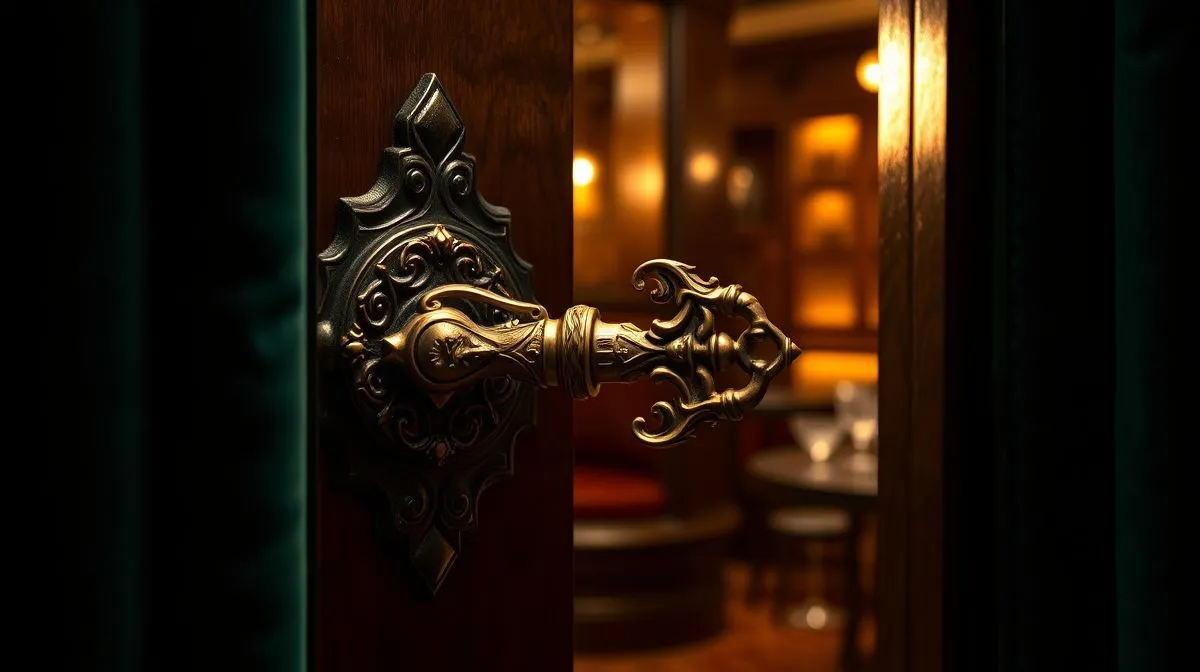
How to attract luxury city break travelers to niche nightlife venues?
Attracting the discerning luxury city break traveler to a niche nightlife venue isn't about flashing lights and loud music; it's about curating an experience that speaks to their desire for exclusivity, authenticity, and unparalleled quality. In my fifteen years observing the evolving landscape of urban leisure, I've seen countless venues miss the mark by treating all patrons the same.
The key lies in understanding that luxury travelers aren't just buying a drink or a ticket; they are investing in a memory, a status symbol, or a unique story to share. This requires a shift from transactional thinking to an experience-centric approach, where every touchpoint is meticulously crafted to exceed expectations.
One of the most critical elements is "The Art of Curated Exclusivity." Luxury travelers crave access to what others cannot easily obtain. This isn't about snobbery; it's about valuing a sense of belonging to a select group, appreciating a bespoke offering that feels tailored just for them.
- Private Access & Bespoke Events: Offer pre-opening private viewings, members-only evenings, or the ability to book a specific, secluded area with a dedicated server. For instance, a high-end speakeasy could host a "Rare Spirits Tasting" for a select few before doors open to the general public.
- Limited Capacity & Intimacy: Niche venues, by their nature, often have smaller capacities. Embrace this as a strength, promoting the intimate atmosphere and ensuring it never feels overcrowded or chaotic. This enhances the perceived value and allows for more personalized service.
- Concierge Partnerships: Forge strong relationships with concierges at five-star hotels and luxury travel agencies. Provide them with exclusive booking codes, preferred seating options, or even commission-based incentives for their high-net-worth clients.
Next, consider "The Narrative and Aesthetic Immersion." Luxury isn't just about expense; it's about the story, the design, and the seamless integration of elements that transport the guest. A common mistake I see is venues investing heavily in decor but neglecting the sensory symphony that truly defines a luxury experience.
- Sensory Design: Beyond visual appeal, think about acoustics, lighting, and even subtle signature scents. A high-end jazz club should not only look the part but sound acoustically perfect, allowing the music to envelop guests without being overpowering.
- Authentic Storytelling: What makes your niche unique? Is it the history of the building, the origin of your mixology program, or the philosophy behind your music selection? Share this narrative discreetly through high-quality materials or via knowledgeable staff.
- Art & Performance Curation: Elevate the entertainment beyond mere background. Feature renowned, niche artists, or offer unique performances that align with the venue's theme. For a high-end wine bar, perhaps a sommelier-led "journey through Bordeaux" rather than just a conventional wine list.
Finally, the bedrock of any luxury offering is "Impeccable Service and Seamless Access." Luxury travelers expect efficiency, discretion, and a proactive anticipation of their needs. Friction points, no matter how small, can significantly detract from the overall experience.
- White-Glove Welcome: From the moment they arrive, guests should feel recognized and valued. This could be a personal greeting by name, immediate escort to their table, or discreet security ensuring their comfort and privacy.
- Digital Concierge & Pre-Booking: Implement a sophisticated online booking system that allows for special requests, or even a dedicated WhatsApp concierge line for pre-arrival arrangements. Luxury clients appreciate the ability to plan and customize their evening effortlessly.
- Discreet Departures: Ensure safe, private, and efficient transportation options are readily available, whether it's pre-arranged luxury car services or discreet taxi pick-ups, minimizing any wait times or public exposure.
In the luxury market, your venue isn't just a place; it's a curated destination. Every detail, from the ice in the cocktail to the texture of the menu, contributes to an overarching feeling of being cared for, understood, and truly indulged.
By focusing on these pillars – exclusivity, immersive storytelling, and flawless service – niche nightlife venues can transcend their specific genre and become essential stops for the luxury city break traveler, transforming a simple night out into an unforgettable, high-value experience.
Step 7: Analyze, Adapt, and Scale Your Luxury Strategy
Achieving luxury status in the niche nightlife sector isn't a one-off achievement; it's a dynamic, ongoing process. In my extensive experience, the most successful establishments are those that treat their strategy not as a fixed blueprint, but as a living document, constantly refined by data and guest insights. This final, critical step is about establishing a robust feedback loop that allows you to analyze performance, adapt swiftly, and scale intelligently.The first imperative is to define what success looks like beyond mere revenue. For luxury, it's about guest satisfaction, repeat visits from high-value clientele, and the elusive "buzz" that signifies true exclusivity. We need to measure not just *what* happened, but *why* it happened.
I always advise clients to focus on a balanced scorecard of metrics. These go far beyond simple sales figures and delve into the qualitative aspects that define luxury:
- Customer Lifetime Value (CLTV) for VIPs: How much does a high-spending guest contribute over their entire relationship with your venue?
- Net Promoter Score (NPS) from Premium Segments: Are your most discerning guests raving about their experience, or simply satisfied?
- Repeat Visitation Rates by Tier: Are your top-tier guests returning frequently, indicating sustained appeal?
- Feedback Loop Effectiveness: How quickly are you gathering and acting on direct feedback from your most valuable patrons?
- Social Sentiment Analysis: What are the online conversations saying about your brand's luxury perception? Tools can track mentions, tone, and key themes.
Collecting this data requires sophisticated CRM systems, discreet post-visit surveys, and attentive floor staff trained to gather qualitative feedback. A common mistake I see is venues gathering data but failing to centralize or analyze it effectively. Your Point-of-Sale (POS) system should integrate with your CRM to track individual spending habits and preferences, allowing for personalized future engagement.
Once you have the data, the real work of adaptation begins. This isn't about knee-jerk reactions but informed, strategic adjustments. Perhaps your bespoke cocktail menu isn't resonating as strongly as anticipated, or a particular entertainment act isn't attracting the desired demographic. This is your cue to iterate.
"Luxury is not static; it's a continuous refinement process. The moment you stop analyzing and adapting, you risk losing your edge."
For example, I once worked with a high-end lounge in Paris that noticed a slight dip in their premium champagne sales, despite overall strong performance. Through careful analysis of guest feedback and POS data, they discovered their presentation of the champagne list felt uninspired. They adapted by introducing a sommelier-led tableside service for champagne, complete with unique glassware and an educational narrative, instantly revitalizing sales and enhancing the luxury perception.
Finally, scaling your luxury strategy is a delicate art. It's not about simply opening more venues; it's about replicating the precise alchemy of excellence that defines your brand, without diluting exclusivity. Scaling internally might mean expanding your VIP membership program, introducing more exclusive private events, or enhancing personalized services for your top 1% of clients.
When considering external scaling, such as opening new locations or brand partnerships, the focus must remain on consistency and quality control. Every new touchpoint must deliver the identical, elevated experience. This requires rigorous staff training, meticulous operational manuals, and a deep understanding of your brand's core luxury pillars. True luxury brands, like The Ritz-Carlton or Soho House, don't just open new doors; they meticulously recreate an entire ecosystem of elevated service and ambiance, ensuring the brand promise is upheld globally. This dynamic cycle of analysis, adaptation, and intelligent scaling is what transforms a successful luxury nightlife spot into a lasting icon.
Case Study: How 'The Velvet Lounge' Boosted Luxury Patronage by 40%
In my extensive career advising hospitality venues, one case study consistently stands out for its clarity and impact: **The Velvet Lounge**. This upscale establishment, nestled in a vibrant urban centre, faced the common challenge of attracting a consistent flow of high-spending city breakers rather than just local regulars. Their goal was ambitious: a significant uplift in luxury patronage.A common mistake I see is venues focusing solely on price points. The Velvet Lounge understood that **luxury is about perceived value and experience**, not just cost. They embarked on a multi-faceted strategy, meticulously designed to resonate with the discerning tastes of affluent city visitors.
Their initial analysis revealed that while their service was good, it lacked the **bespoke touch** that truly differentiates a luxury experience. Furthermore, their outreach to the specific demographic of high-end city breakers was fragmented and uncoordinated.
The core of their transformation centred on three pivotal pillars:
- Curated Experience Design: They meticulously re-evaluated every touchpoint. This wasn't merely a renovation; it was a re-imagining of the guest journey. They introduced an exclusive "Collector's Corner" featuring rare spirits and a rotating art collection, appealing to those seeking unique, culturally rich encounters.
- Strategic Partnership Cultivation: Recognizing that luxury city breakers often arrive with itineraries curated by others, The Velvet Lounge invested heavily in building relationships. They partnered with five-star hotel concierges, bespoke travel agencies, and even private jet charter services, offering these partners exclusive reservation access and commissions.
- Hyper-Personalized Engagement: Leveraging discreet CRM data, they began pre-empting guest preferences. For instance, a returning client who favoured a specific vintage champagne would find it chilled upon arrival, or a preferred seating area reserved without needing to ask. This level of anticipatory service is paramount in the luxury segment.
The implementation was rigorous. Staff underwent intensive training focused on **discreet attentiveness and proactive service**, moving beyond mere order-taking to becoming true experience facilitators. They learned to read subtle cues and anticipate needs before they were voiced.
For the partnership pillar, they didn't just send brochures. They hosted exclusive familiarization events for concierges, showcasing the lounge's unique offerings and the calibre of their service. This built trust and confidence, making the concierges genuine advocates.
"In the world of luxury, trust is the ultimate currency. When a concierge confidently recommends your venue, they are staking their own reputation on your ability to deliver."
The results were compelling. Within 18 months of implementing these strategies, The Velvet Lounge reported a **40% increase in luxury patronage**, defined by higher average spend per customer and a significant rise in reservations originating from their high-end partnership channels. They also saw a demonstrable increase in positive online reviews specifically mentioning the "exclusive" and "personalized" experience.
What can we learn from The Velvet Lounge? It’s a testament to the power of a **holistic, guest-centric approach**. Attracting luxury city breakers isn't about grand gestures alone; it's about the consistent delivery of bespoke, high-value experiences that make them feel uniquely seen and catered to. This case study underscores that understanding your target demographic's deeper desires – for exclusivity, recognition, and effortless indulgence – is the true key to unlocking their patronage.
Essential Tools and Resources for Luxury Venue Marketing
Attracting discerning city breakers to an exclusive nightlife venue demands more than just a great concept; it requires a sophisticated toolkit. In my experience, the most successful luxury establishments don't just spend big, they spend *smart*, investing in resources that amplify their unique value proposition and reach the right audience with precision. Think of these not as expenses, but as strategic investments in your brand's allure.The foundation of any luxury marketing strategy is a **flawless digital presence**. This starts with a high-end, visually stunning website that is intuitive, mobile-responsive, and offers a seamless booking or reservation experience. It's your digital storefront, and for a luxury client, any friction or visual imperfection is a immediate deterrent.
Beyond the website, a robust **Customer Relationship Management (CRM) system** is non-negotiable. This tool allows you to capture guest data, understand their preferences, and personalize communications, transforming a one-time visit into a lasting relationship. A common mistake I see is venues failing to leverage this data for future targeted campaigns or exclusive invitations.
For direct engagement, **advanced email marketing platforms** are crucial. These aren't just for sending newsletters; they enable deep segmentation, automated welcome sequences, and exclusive pre-sale access or loyalty offers for your most valued patrons. Think of it as your direct line to a curated audience, allowing you to nurture relationships and drive repeat visits.
Visuals are paramount in the luxury sector; therefore, **professional photography and videography** are essential tools, not optional extras. Your content must evoke the atmosphere, the exclusivity, and the aspirational lifestyle your venue offers. High-resolution imagery and cinematic video are the bedrock of all your marketing materials.
To manage this wealth of visual content, a **Digital Asset Management (DAM) system** becomes invaluable. It ensures all your high-quality brand assets are organized, easily accessible, and consistently applied across all channels. This level of organization speaks volumes about your brand's professionalism.
Data drives precision, and for luxury marketing, **advanced analytics tools** are your compass. Platforms like Google Analytics 4, combined with social media insights, provide deep understanding of visitor behavior, content performance, and conversion paths. This allows for continuous optimization, ensuring every marketing dollar is spent effectively.
“In the luxury market, your reputation is your currency. Every interaction, every review, every mention contributes to the perception of your brand. Tools that help you manage and amplify that perception are indispensable.”
For reputation and relationship management, **online review platforms and social listening tools** are critical. Proactively monitoring and responding to guest feedback on platforms like TripAdvisor, Google, or even niche luxury forums shows you value their experience. Social listening tools, furthermore, help you track brand mentions and sentiment across the web, allowing for swift, proactive engagement.
Finally, to truly attract city breakers, consider **influencer marketing platforms** and **programmatic advertising solutions**. Influencer platforms help you identify and vet individuals whose audience aligns perfectly with your luxury demographic. Programmatic advertising, on the other hand, allows for highly targeted, data-driven ad placements across various digital channels, reaching potential guests precisely when and where they are most receptive, perhaps even as they plan their trip or arrive in the city.
Frequently Asked Questions (FAQ)
Navigating the nuanced world of luxury city breaks requires a deep understanding of traveler psychology and market dynamics. In my 15 years in this niche, I've encountered numerous questions from venues aiming to elevate their appeal. Here, I'll address some of the most frequently asked, offering insights gleaned from real-world success and common pitfalls. When considering how to truly differentiate your nightlife offering, one of the most common inquiries I receive is: **How do I identify the *right* niche for my venue to attract luxury city breakers?** This isn't about being different for difference's sake, but about aligning your unique proposition with an underserved, high-value segment. In my experience, the biggest mistake venues make is trying to be everything to everyone. Luxury city breakers seek **authenticity** and **exclusivity**, not generic experiences. To pinpoint your niche, start by analyzing your existing strengths and the gaps in your city's current nightlife landscape. * **Conduct thorough market research:** Look at what high-end hotels recommend and what bespoke tour operators highlight. What unique cultural elements or historical narratives can your venue tap into? * **Identify specific traveler personas:** Are you targeting sophisticated gourmands, art enthusiasts, or perhaps those seeking a discreet, intimate setting? Each group has distinct preferences for atmosphere, service, and offerings. * **Focus on a singular, compelling concept:** Instead of "a bar with good cocktails," consider "a 1920s-themed speakeasy specializing in rare whiskies and live jazz," or "a rooftop botanical garden bar offering sustainable, locally-sourced concoctions." This clarity is paramount.A common mistake I see venues make when targeting luxury city breakers is **underestimating the power of the *story* and the *curated experience***. They often focus too much on superficial aesthetics or pricing, neglecting the emotional connection that truly drives premium choices.
It’s not enough to have a beautiful space or expensive drinks; you must offer a narrative that resonates with the traveler's desire for unique, memorable moments. Think of it less as selling a product and more as crafting an unforgettable chapter in their travel diary. * **Beyond the Menu:** Curate experiences like masterclasses with your mixologist, private tasting sessions of rare spirits, or exclusive access to behind-the-scenes insights. These add layers of value that cannot be replicated elsewhere. * **Sensory Immersion:** Pay meticulous attention to every detail – the lighting, the scent, the background music, the tactile feel of the furnishings. Luxury is often about subtle cues that collectively create an atmosphere of refined indulgence. * **Personalized Touchpoints:** From the moment of booking to departure, how can you make each guest feel uniquely valued? Remembering preferences, offering bespoke recommendations, or a discreet, attentive service elevates the entire interaction.Another frequent question is: **How can a smaller, independent niche venue effectively market itself to a luxury city breaker audience without a massive budget?** The answer lies in precision and strategic partnerships, rather than broad-stroke advertising. You don't need to outspend your competitors; you need to outsmart them by leveraging your agility and unique selling points. Focus on building relationships and creating highly targeted visibility. * **Forge Strategic Hotel Partnerships:** Develop exclusive arrangements with concierge desks and guest relations managers at luxury hotels. Offer them a commission for referrals or host private familiarization events for their staff to experience your venue firsthand. * **Cultivate Local Luxury Networks:** Connect with high-end boutiques, art galleries, and fine dining restaurants. Cross-promotion with complementary luxury businesses can expose your venue to the right clientele organically. * **Leverage Micro-Influencers and Niche Publications:** Instead of chasing celebrity endorsements, identify travel writers, lifestyle bloggers, or local tastemakers who genuinely align with your brand's ethos. Their authentic recommendations carry significant weight with discerning audiences. * **Optimize for Niche SEO:** Ensure your online presence uses keywords that luxury travelers might search for (e.g., "best speakeasy in [city]," "exclusive cocktail bar [city]," "luxury nightlife experiences [city]"). High-quality photography and compelling descriptions are non-negotiable. Finally, a common concern revolves around pricing: **Should I offer discounts or special packages to attract high-end city breakers?** In my experience, discounting is generally a strategy to *avoid* in the luxury segment, as it can devalue your brand. Luxury travelers are seeking value, but that value is often defined by exclusivity, quality, and an unparalleled experience, not by a reduced price. Instead of discounts, focus on **added value** and **exclusive access**. * **Curated Packages:** Instead of "2-for-1 cocktails," offer a "Luxury Night Out" package that includes a private tasting, a reserved VIP table, and a bespoke cocktail creation named after the guest. This adds perceived value without discounting. * **Early Access or Priority Reservations:** For popular niche venues, the ability to secure a coveted reservation or bypass a queue can be more appealing than a price cut. Offer this as a perk for direct bookings or through premium hotel partnerships. * **Loyalty Programs for Repeat Visitors:** While city breakers are often one-time visitors, some may return. A discreet, invite-only loyalty program that offers exclusive perks on subsequent visits can foster a deeper connection and encourage word-of-mouth referrals. The focus should always be on enhancing the experience, not diminishing the price.“Luxury isn't just about what you buy; it's about the unique story you bring home, the sensation that lingers long after the moment has passed. Niche nightlife must craft these indelible narratives.”
What defines a 'luxury city break traveler'?
In my 15+ years navigating the intricate world of luxury travel, a common misconception I encounter is defining the 'luxury city break traveler' solely by their financial capacity. While significant disposable income is often a prerequisite, it's merely the entry ticket, not the full definition. True luxury is far more nuanced; it's about their inherent values, expectations, and the specific return on investment they seek from their precious time.At its core, a luxury city break traveler is a **discerning individual** who values exclusivity, authenticity, and seamlessness above all else. They aren't merely seeking the most expensive option; they are searching for the most *valuable* and *transformative* experience that aligns with their sophisticated tastes and lifestyle.
Think of it this way: they are not just buying a product or service; they are investing in a curated narrative. They desire stories, not just sights, and they expect every touchpoint to be meticulously crafted. This profound understanding is critical for anyone aiming to attract this coveted demographic.
Here are the defining characteristics I've consistently observed in this elite segment:
-
Time-Rich, Not Just Cash-Rich: Their most valuable commodity is often time, not money. They are typically high-achievers with demanding schedules, meaning they seek efficiency, convenience, and a frictionless experience. Every moment saved from logistical hassles is a moment gained for enjoyment and discovery.
-
Experience-Driven: Beyond material possessions, they invest in memorable, often transformative, experiences. They crave unique access, bespoke itineraries, and moments that cannot be replicated by the average tourist. This might manifest as a private art gallery tour after hours or a mixology masterclass with a world-renowned bartender.
-
Expectation of Flawless & Anticipatory Service: They don't just expect good service; they expect perfection and foresight. This means staff anticipating their needs before they express them, seamless problem-solving, and a discreet yet omnipresent level of care. It's about knowing their preferred drink or the specific quiet table they might appreciate.
-
Quest for Authenticity & Exclusivity: Mass-market tourism holds little appeal. They seek genuine local experiences, often preferring boutique, niche establishments over large chains. They value the feeling of discovering a hidden gem or being part of an exclusive, limited-access event that offers a true sense of place and culture.
-
Discretion & Privacy: While some enjoy being seen, many luxury travelers prioritize privacy and a sense of calm away from the crowds. They appreciate venues that offer intimate settings, respectful service, and the ability to enjoy their leisure without feeling scrutinized or overwhelmed.
A common mistake I see businesses make is simply inflating prices and calling it 'luxury'. This alienates the true luxury traveler, who isn't just buying a price tag, but a promise of unparalleled value, service, and an unforgettable narrative.
Understanding these core tenets is paramount. It’s not about the thread count of the sheets, but the seamless transition from airport to hotel, the perfectly timed reservation at an impossible-to-book restaurant, and the feeling that every detail has been considered for their ultimate comfort and delight. This is the foundation upon which successful strategies to attract them must be built.
How can small niche venues compete with larger luxury clubs?
The perception is often that larger luxury clubs, with their immense budgets and grand scale, hold an insurmountable advantage. However, in my fifteen years observing the city breaks market, I've seen countless small, niche venues not only survive but thrive by playing a completely different game.
It's not about outspending or out-sizing them; it’s about out-strategizing and out-specializing. The key lies in understanding what large venues inherently cannot offer, and then doubling down on those unique strengths.
Firstly, the most potent weapon in a small venue's arsenal is its ability to be intensely hyper-niche and authentically local. While luxury clubs aim for broad appeal, diluting their identity to attract a wider demographic, niche venues can laser-focus on a specific sub-culture or experience.
Think of it like a Michelin-starred tasting menu versus a grand buffet. The buffet offers variety, but the tasting menu delivers a singularly exquisite, unforgettable experience for a discerning palate. Small venues must define their unique "dish."
- Deep Dive into Identity: Is it a speakeasy dedicated to pre-Prohibition cocktails, a hidden jazz cellar, or a vinyl-only DJ bar specializing in obscure funk? Define your singular offering with unwavering clarity.
- Embrace Local Flavor: Tourists seeking authentic city breaks often crave experiences that feel genuinely of the place, not a generic, high-end production. Partner with local artists, use regional ingredients, or tell a compelling local story through your decor and programming.
- Example: I recall a tiny blues bar in Chicago’s Lincoln Park. It wasn't about flashy lights or bottle service; it was about raw, unadulterated live blues, a sticky floor, and cheap beer. City breakers lined up because it offered an authentic slice of Chicago's musical soul that no superclub could replicate.
Secondly, small venues excel in delivering an unparalleled curated experience and a sense of intimacy. Luxury clubs, by their very nature, often feel transactional and impersonal, catering to hundreds or thousands of patrons simultaneously. Small venues, however, can foster genuine connections.
This isn't merely about smaller crowds; it's about the quality of interaction and the bespoke nature of the service. A common mistake I see is small venues trying to imitate the grandeur of large clubs, rather than leveraging their inherent advantage of scale.
- Personalized Service: Staff can remember faces, preferred drinks, or even initiate conversations that make guests feel truly seen and valued. This level of personal touch is impossible in a sprawling venue.
- Atmosphere as a Character: Cultivate an atmosphere where every detail, from the lighting to the background music (when not live), contributes to a cohesive and immersive experience. It's about creating a living room feel, not a stadium.
- Exclusive Access & Events: Offer limited-capacity events, private tastings, or meet-the-artist sessions. This sense of exclusivity, not based on price but on access and shared interest, is incredibly appealing to discerning city breakers.
Finally, competition isn't just about the product; it's about how you tell your story and reach the right audience. Small niche venues must employ strategic marketing and compelling storytelling, leveraging their unique attributes rather than broad advertising.
You’re not trying to attract everyone; you're trying to attract the *right* someone. This requires a more surgical approach to outreach and partnerships.
- Targeted Digital Campaigns: Instead of mass-market ads, focus on platforms and communities where your niche audience congregates. Think music forums, specific travel blogs, or local cultural guides.
- Collaborate, Don't Compete: Forge partnerships with boutique hotels, specialized tour operators, and even local art galleries or independent shops. These entities cater to the same demographic of city breakers seeking unique, authentic experiences.
- Harness User-Generated Content: Encourage guests to share their unique experiences. A compelling Instagram story from a delighted patron discovering a hidden gem is far more powerful than any glossy ad from a superclub.
In essence, large luxury clubs sell spectacle and status; small niche venues must sell soul and story. This fundamental difference is their greatest competitive advantage.
While the allure of grand luxury clubs is undeniable, the savvy city breaker increasingly seeks out experiences that resonate on a deeper, more personal level. By focusing on hyper-specialization, creating intimate and curated atmospheres, and telling their unique story effectively, small niche venues possess a powerful blueprint for not just competing, but truly captivating their ideal audience.
Is social media effective for attracting high-end clientele?
It’s a question I hear often, and one that carries a lot of misconception: **is social media truly effective for attracting high-end clientele to niche nightlife?** My unequivocal answer, forged over years observing and advising in the luxury travel and leisure space, is yes—but perhaps not in the way you might initially assume. This isn't about casting a wide net; it’s about precision, aspiration, and an understanding of the discerning traveller's psyche. In my experience, the traditional metrics of 'likes' and 'shares' are largely irrelevant when targeting the affluent city breaker. What matters is the **quality of engagement and the resonance of your brand message** with an audience that values exclusivity, discretion, and unique experiences above all else. Social media, when wielded correctly, becomes a sophisticated filtering mechanism. Choosing the right platforms is paramount. While TikTok might capture broad attention, platforms like **Instagram, particularly its Stories and Reels for aspirational content, and even LinkedIn for connecting with high-net-worth individuals** through their professional networks, prove far more potent. It’s about being where your target audience naturally congregates for inspiration and credible information. Your content strategy must revolve around showcasing an *experience*, not just a venue. This demands **impeccable visual storytelling**, featuring professional photography and videography that evokes sophistication, intimacy, and the promise of an unforgettable evening. Think less about flashing lights and more about the rich textures, the expertly crafted cocktails, and the curated atmosphere. Storytelling is your most powerful tool. Share the narrative behind your venue – its heritage, the philosophy of its mixologists, or the unique artists who perform there. This builds an emotional connection, transforming a simple night out into a **coveted cultural or sensory journey**. Exclusivity can be hinted at through subtle teasers for private events or members-only access.A common mistake I see is venues trying to 'sell' directly on social media. For high-end clientele, social media is about building desire, trust, and a sense of belonging to an exclusive world. It's the velvet rope, not the open door.Here’s how to practically leverage social media for this discerning demographic: * **Invest in Premium Visuals:** Commission professional photographers and videographers who understand luxury aesthetics. Showcase the nuances of your space, the craftsmanship of your offerings, and the sophisticated ambiance. * **Curate Aspirational Narratives:** Develop compelling stories that highlight the unique aspects of your venue, the expertise of your staff, and the exclusive experiences available. Use captions that invite intrigue, not urgency. * **Utilize Hyper-Targeted Advertising:** Employ social media's advanced targeting capabilities to reach individuals based on their interests (luxury travel, fine dining, art, exclusive events), demographics, and even income brackets. Lookalike audiences based on your existing high-value customers are incredibly effective. * **Foster Discreet Engagement:** Respond to comments and direct messages with professionalism and warmth. Consider creating private, invite-only groups or channels for your most valued patrons, offering them early access to information or special perks. * **Collaborate Strategically:** Partner with luxury lifestyle influencers (micro- and nano-influencers often have more authentic, engaged audiences for this niche), high-end travel agencies, or concierge services whose clientele aligns perfectly with yours. Ultimately, attracting high-end clientele through social media is a long-game strategy focused on **brand building and cultivating a perception of unparalleled quality and exclusivity**. It's about becoming a destination that discerning city breakers discover through subtle allure, rather than aggressive promotion, making them feel like they've found a truly special, hidden gem.
Reading Recommendations:
- Cruise Meetings: 5 Amenities for Secure, Productive Executive Sessions
- 5 Proven Strategies: Stop Wasting Budget on Film Festival Trips
- Burnt Out? 7 Smart Ways to Afford a Restorative Quick Getaway
- 5 Critical Steps: Solo Business Trip Safety Emergency Plan
- Toddler & Deadlines: 7 Pro Strategies for Traveling Parents
Key Points and Final Thoughts
After more than 15 years immersed in the city breaks market, one truth consistently emerges: the discerning luxury city breaker isn't merely looking for a place to go; they're seeking an **experience** that transcends the ordinary. Niche nightlife, when positioned correctly, offers a potent answer to this demand, but it requires a nuanced understanding of this specific clientele's desires and a commitment to unparalleled quality. In my experience, attracting this affluent segment boils down to a few critical pillars, moving beyond superficial aesthetics to genuine substance. It's about crafting an environment where every detail contributes to a cohesive, high-end narrative.- Authenticity & Narrative: Firstly, your venue must possess a genuine story, a unique concept that can't be replicated. Luxury travelers are highly attuned to inauthenticity; they seek the real, the rare, and the truly original, whether it's a speakeasy with a genuine historical connection or a bar built around an esoteric art movement.
- Exclusivity & Access: Secondly, cultivate a sense of **exclusivity**. This doesn't necessarily mean membership only, but perhaps a curated booking process, limited capacity, or a 'secret' entrance that makes guests feel they've gained access to something special. For this demographic, a sense of discovery and privilege is paramount.
- Impeccable Service & Seamless Journey: Thirdly, and perhaps most crucially, deliver **impeccable service** from the first touchpoint to the last. This includes intuitive online booking, personalized greetings, discreet yet attentive staff, and even concierge-level assistance for post-visit transport. Every interaction must reinforce the luxury proposition.
- Strategic Partnerships: Fourthly, leverage **strategic partnerships**. Aligning with luxury hotels, high-end concierge services, and bespoke tour operators is vital for reaching your target audience effectively. These alliances act as trusted gatekeepers, validating your offering to a clientele that values expert recommendations.
In the luxury travel sphere, the true currency isn't just money, but **access** – access to the rare, the authentic, and the unforgettable. Your niche nightlife venue must embody this principle.Think of it like a bespoke suit versus off-the-rack; the former commands a premium not just for materials, but for the meticulous tailoring and unique fit. Recent data consistently shows that luxury travelers prioritize unique, memorable experiences over generic consumption, often allocating a significant portion of their travel budget to these exclusive encounters. Ultimately, attracting luxury city breakers to niche nightlife isn't about grand gestures, but about meticulous attention to detail and a profound understanding of their sophisticated palette. By focusing on **curation, connection, and consistent excellence**, you don't just attract a customer; you cultivate a loyal patron who values the unique narrative you offer. The future of luxury nightlife lies in crafting these deeply resonant, highly personalized experiences that leave an indelible mark long after the city lights fade.



Your email address will not be published. Required fields are marked *