

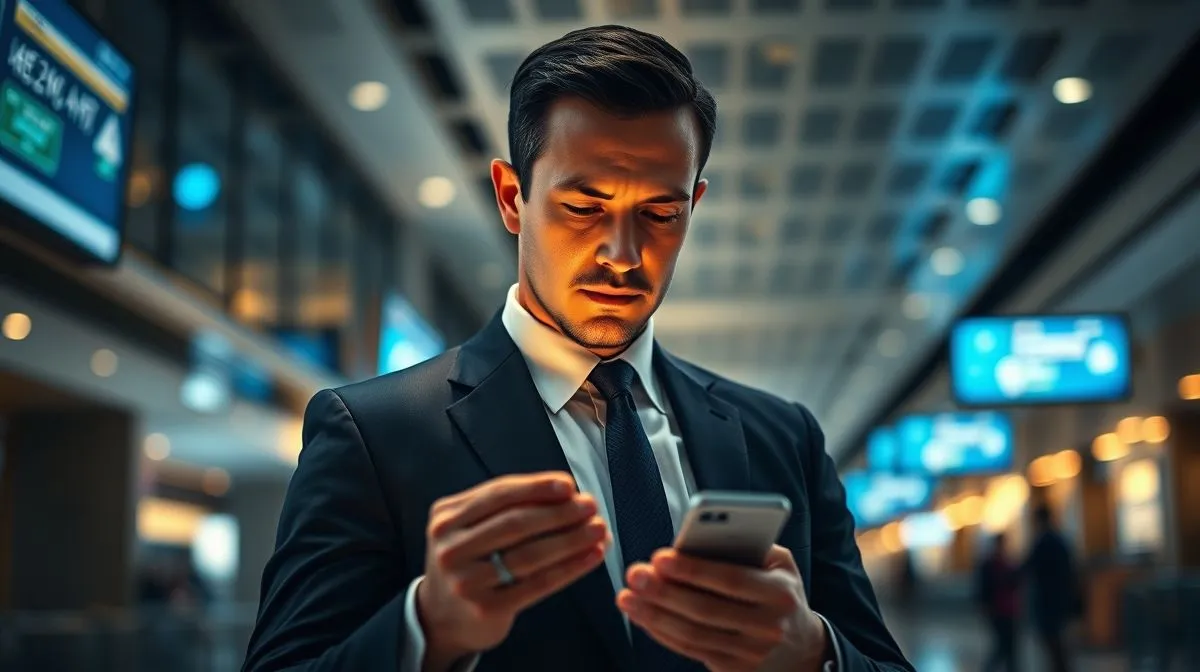
What to do if facing a safety emergency on a solo business trip?
For over two decades, I've crisscrossed the globe, often alone, on countless business assignments. While the allure of new cities and professional growth is undeniable, I've also witnessed – and sometimes experienced firsthand – the unique vulnerabilities that come with solo business travel. It’s a different ballgame when you're thousands of miles from your support system, and suddenly, the unexpected strikes.
The stark reality is that emergencies, whether medical, security-related, or logistical, don't discriminate. They can hit when you least expect them, transforming a productive trip into a stressful, potentially dangerous ordeal. The difference between a minor setback and a full-blown crisis often hinges on one crucial factor: preparedness.
In this definitive guide, I'll draw upon my extensive experience to provide you with a robust framework for handling a safety emergency on a solo business trip. We’ll cover everything from proactive planning to immediate response and post-crisis recovery, ensuring you have the actionable insights and expert strategies to navigate any challenge with confidence and competence.
The Proactive Pillar: Building Your Emergency Readiness Kit
True safety begins long before you even pack your suitcase. It's about meticulously building a 'readiness kit' – not just physical items, but a comprehensive mental and digital framework. This proactive approach is the bedrock of secure solo travel.
Digital & Document Preparation
Your essential documents are your lifeline abroad. Losing them or having them compromised can paralyze your ability to navigate an emergency. I've seen countless travelers scramble when they realize their only copy of a passport is gone.
- Scan and Digitize Everything: Create digital copies of your passport, visa, flight tickets, hotel reservations, travel insurance policy, credit cards (front and back, noting emergency numbers), and driver's license. Store these securely in a cloud service (e.g., Google Drive, Dropbox) that you can access from any device.
- Physical Backups: Carry a separate, physical set of photocopies in a different bag than your originals. This redundancy is crucial.
- Emergency Contact Card: Keep a laminated card in your wallet with emergency contacts (family, employer, embassy/consulate, travel insurance, local emergency numbers).
“Trust your gut. Your intuition is your most powerful security tool, especially when traveling solo.” – Gavin de Becker, Security Expert.
Communication Protocol
Isolation amplifies risk. Establishing a clear communication plan ensures someone knows your whereabouts and can act if you don't check in.
- Primary and Secondary Contacts: Designate reliable contacts at home and at your workplace. Share your full itinerary, including flight details, hotel addresses, and meeting schedules, with them.
- Regular Check-ins: Agree on a regular check-in schedule (e.g., once a day, after arrival, before bed). A simple text or email can suffice.
- Local SIM Card/eSIM: Upon arrival, acquire a local SIM or activate an eSIM for reliable and affordable local communication. Don't rely solely on hotel Wi-Fi.
Financial Safeguards
Financial distress can severely complicate an emergency. Diversifying your access to funds is non-negotiable.
- Notify Banks: Inform your bank and credit card companies of your travel dates and destinations to prevent fraud alerts from blocking your cards.
- Multiple Payment Methods: Carry at least two different credit/debit cards from different banks. Keep them in separate locations.
- Emergency Cash: Always have a small amount of local currency, and a few hundred USD/EUR, hidden in a secure, non-obvious location. This is for immediate needs if cards fail or are stolen.
Situational Awareness: Your First Line of Defense
Being 'aware' isn't about being paranoid; it's about being present and perceptive. This skill is paramount, especially when you're the only one looking out for yourself.
Researching Your Destination
Ignorance is not bliss when it comes to personal safety. I always deep-dive into the local context before I go.
- Local Crime Rates & Hotspots: Understand the general safety landscape. Are there specific areas known for petty crime or more serious incidents?
- Cultural Norms: Research local customs, dress codes, and social etiquette to avoid inadvertently offending anyone or drawing unwanted attention.
- Travel Advisories: Consult your government's travel advisories (e.g., U.S. State Department, UK Foreign Office) for up-to-date information on political stability, health risks, and security threats. I frequently check the U.S. Department of State's travel advisories before any international trip.
Observing Your Surroundings
Your five senses are your best security tools. Pay attention to what's happening around you.
- Avoid Distractions: Limit phone usage while walking. Keep your head up, observe people, and be aware of exits and potential threats.
- Trust Your Instincts: If a situation or person feels 'off,' it probably is. Your gut feeling is a powerful early warning system. Remove yourself from uncomfortable situations immediately.
- Blend In: Dress modestly and avoid flashy jewelry or designer items that could mark you as a wealthy tourist. Try to look confident and purposeful, even if you’re lost.
Hotel & Accommodation Security
Your hotel room should be your sanctuary, but it requires diligence.
- Check Locks: Upon entering your room, check all locks, including the deadbolt and chain. Ensure windows and balcony doors are secure.
- Avoid Ground Floors: If possible, request a room on a higher floor (but not too high, for fire safety reasons).
- Use the Safe: Store passports, extra cash, and valuables in the in-room safe.
- Don't Announce Your Room Number: Be discreet when checking in. If someone asks your room number, avoid stating it aloud where others can hear.
Immediate Response: When Crisis Strikes
No amount of preparation can prevent all emergencies. The true test of your readiness comes down to your ability to react calmly and effectively when a safety emergency on a solo business trip unfolds.
The 'Assess, Act, Alert' Framework
This simple framework provides a mental checklist for immediate action.
- Assess the Threat: Quickly evaluate the situation. What is happening? Who is involved? What is the immediate danger? Is it a medical emergency, a security threat, or a logistical problem?
- Act to Mitigate: Take immediate steps to reduce harm. This might mean seeking shelter, de-escalating a confrontation, or administering first aid. Your primary goal is personal safety.
- Alert Authorities & Contacts: Once you've secured your immediate safety, contact local emergency services, your employer, your family, and your travel insurance provider.
Medical Emergencies
Falling ill or getting injured far from home is particularly daunting when you're alone. Your first priority is always your health.
- Contact Travel Insurance: Your travel insurance provider should be your first call (after local emergency services if immediate help is needed). They can guide you to approved medical facilities, arrange direct billing, and facilitate medical evacuation if necessary.
- Local Emergency Services: Know the local equivalent of 911 (e.g., 112 in Europe, 999 in the UK). Don't hesitate to call if you require urgent medical attention.
- Notify Employer & Family: Inform your designated emergency contacts. Provide them with details of your condition and location.
- Share Medical Information: If conscious, provide medical history, allergies, and current medications to medical personnel. If unconscious, an emergency contact card with this information can be life-saving.
Case Study: Sarah's Unexpected Allergy Attack in Tokyo
Sarah, a marketing consultant, experienced a severe allergic reaction while dining alone in Tokyo. Having pre-registered with her travel insurance and embassy, she immediately contacted her insurer via their app, who guided her to a nearby English-speaking hospital. Her pre-shared emergency contacts were also notified. This preparedness allowed for swift and effective medical intervention, ensuring her recovery and safe return.
Theft or Loss of Valuables
A stolen passport or wallet can feel catastrophic. Act quickly and methodically.
- Report to Police: File a police report immediately. You'll need this for insurance claims and replacing documents. Get a copy of the report.
- Contact Your Embassy/Consulate: For a lost or stolen passport, contact your country's embassy or consulate. They can issue an emergency travel document.
- Cancel Cards: Immediately call your banks/credit card companies to report theft and cancel cards. Use the emergency numbers you stored digitally.
- Replace Phone: If your phone is stolen, use a public phone or a colleague's phone to access your cloud backups and contacts. Consider using 'Find My Phone' features.
Confrontational Situations
Encountering aggressive individuals or being targeted for robbery is a terrifying prospect. Your goal is de-escalation and escape.
- Don't Resist: If confronted by an armed assailant demanding valuables, comply. Your life is worth more than any possession.
- Stay Calm (as much as possible): Panicking can escalate the situation. Speak in a clear, calm voice.
- Observe Details: Subtly note details about the assailant(s) – height, build, clothing, distinguishing features, direction of escape – to report to authorities later.
- Seek Safety: As soon as possible, remove yourself from the situation and go to a safe, public place.
Leveraging Your Network: Embassy, Employer, and Insurance
Remember, you are not truly alone. There are established networks designed to assist citizens and employees facing difficulties abroad. Knowing how to leverage them is key to managing a safety emergency on a solo business trip.
Embassy/Consulate Support
Your country's diplomatic mission is an invaluable resource, though their capabilities are often misunderstood.
- Emergency Travel Documents: They can issue temporary passports if yours is lost or stolen.
- Legal and Medical Referrals: They can provide lists of local lawyers, doctors, and hospitals, though they cannot pay your bills or offer legal advice.
- Contacting Family: In severe emergencies, they can assist in notifying your family.
- Evacuation Assistance: In extreme circumstances (e.g., natural disaster, civil unrest), they can facilitate evacuation, though you are usually responsible for the cost. As a Forbes article on business travel safety emphasizes, understanding consular services is paramount for preparedness. Read more on Forbes regarding enhancing business travel safety.
Employer's Role & Policies
Your company has a duty of care. Understanding their protocols is vital.
- Know Company Policy: Familiarize yourself with your company's travel safety policies, emergency contact procedures, and who to call in a crisis.
- Emergency Contact Information: Ensure your employer has up-to-date emergency contact details for you.
- Travel Risk Management Providers: Many larger companies use specialized travel risk management firms. Know how to contact them and what services they offer (e.g., 24/7 global assistance lines, security alerts).
Travel Insurance: Your Safety Net
This is not an optional extra; it's a critical safety net. I've seen too many travelers regret not having robust coverage.
- Medical Coverage: Ensure it covers emergency medical treatment, hospitalization, and crucially, medical evacuation back home.
- Trip Interruption/Cancellation: Covers costs if your trip is cut short or canceled due to unforeseen events.
- Baggage & Personal Effects: Provides reimbursement for lost, stolen, or damaged luggage and valuables.
- Emergency Assistance: Most policies include 24/7 assistance lines that can help with everything from rebooking flights to finding legal aid. A Deloitte report highlights the increasing importance of comprehensive travel risk management for businesses. Learn more about Deloitte's insights on global mobility and risk.
Post-Emergency Protocol: Recovery and Review
The immediate crisis may pass, but the aftermath requires careful attention, both for logistical reasons and for your personal well-being. This phase is crucial for learning and preventing future incidents, especially after a safety emergency on a solo business trip.
Documenting the Incident
Thorough documentation is essential for insurance claims, employer reports, and personal records.
- Collect Evidence: Take photos or videos of any damage, injuries, or the scene if safe to do so.
- Obtain Reports: Secure copies of police reports, medical records, and any official statements related to the incident.
- Witness Information: If applicable, collect contact details of any witnesses.
- Chronology of Events: As soon as you can, write down a detailed, chronological account of what happened, including dates, times, and people involved.
Mental Health and Well-being
Experiencing an emergency can be traumatic. Don't underestimate the emotional toll.
- Acknowledge Your Feelings: It's normal to feel fear, anxiety, anger, or sadness after a distressing event.
- Seek Support: Talk to trusted friends, family, or colleagues. Your employer may offer an Employee Assistance Program (EAP) with counseling services.
- Professional Help: If feelings of distress persist, consider speaking with a mental health professional. Organizations like the American Psychological Association offer resources.
- Self-Care: Prioritize rest, healthy eating, and activities that help you relax and de-stress upon your return.
Debriefing and Learning
Every incident, no matter how minor, offers an opportunity for learning and improvement.
- Internal Review: Once back, debrief with your employer or travel manager. Discuss what went well and what could have been handled better.
- Update Your Plan: Use the insights gained to refine your personal emergency preparedness plan for future solo trips.
- Share Lessons Learned: If appropriate and comfortable, share your experience with colleagues who also travel solo. Collective knowledge enhances overall safety. As the Harvard Business Review often stresses, reflective practice and learning from crises are vital for resilience. See HBR's insights on crisis leadership.
Essential Gear: Tech & Tools for Solo Safety
Beyond documents and plans, certain physical and digital tools can significantly enhance your safety and ability to manage a safety emergency on a solo business trip.
- Portable Power Bank: Keep your phone charged at all times. This is non-negotiable.
- Local SIM/eSIM: As mentioned, for reliable communication and data.
- Offline Maps: Download Google Maps or other mapping apps for offline use. This is critical if you lose connectivity.
- Safety Apps: Apps like Noonlight, bSafe, or emergency alert apps can connect you to emergency services or trusted contacts with a single tap.
- Personal Safety Alarm: A small, loud alarm can deter attackers and draw attention.
- Basic First-Aid Kit: For minor injuries and common ailments (band-aids, antiseptic wipes, pain relievers, any personal medications).
- Door Stop Alarm: A small wedge door alarm can provide an extra layer of security for your hotel room door.
Frequently Asked Questions (FAQ)
What if my phone is stolen and it's my only way to contact anyone? This is why multi-pronged preparation is key. First, ensure you have physical copies of emergency numbers in a separate wallet or bag. Second, know the landline numbers for your hotel reception and the local emergency services. Third, consider carrying a small, inexpensive burner phone with a local SIM for emergencies, especially if you're in a high-risk area or heavily rely on your smartphone for work. Finally, always have your employer's 24/7 global assistance line memorized or on a physical card.
Should I carry a self-defense weapon on a business trip? Generally, no. Carrying a self-defense weapon (like pepper spray or a knife) is often illegal in many countries and can complicate legal issues if you're involved in an incident. It can also be confiscated at airports. Your best self-defense is situational awareness, avoiding dangerous situations, and knowing how to de-escalate or escape. Focus on non-lethal deterrents like a personal safety alarm.
How do I know if my company's travel insurance is sufficient? Request a copy of the full policy document from your HR or travel department. Pay close attention to medical coverage limits (especially for medical evacuation), coverage for lost/stolen items, trip interruption clauses, and any exclusions. If you have specific health concerns or are traveling to a high-risk area, consider purchasing supplemental personal travel insurance. Never assume your company's policy covers everything you might need.
What's the most common safety mistake solo business travelers make? In my experience, the most common mistake is a lack of situational awareness combined with over-reliance on technology. Travelers often walk around distracted by their phones, making them easy targets. They might also trust public Wi-Fi networks too readily or share too much information on social media about their current location. Staying present, observing your surroundings, and limiting public disclosures are vital for solo travelers.
Is it better to blend in or stand out if I feel threatened? In most situations, blending in is your safest bet. Avoid drawing attention to yourself through flashy clothing, loud conversations, or obvious tourist behavior. However, if you feel directly threatened or are being followed, sometimes making eye contact, asserting confidence, or quickly entering a busy public place can deter a potential assailant. The key is to project confidence and awareness, not vulnerability.
Recommended Reading
- Unlock Your Cosmic Journey: How to Pass Fitness Tests for Space Tourism Training
- Cozy Cabin Glamping: Your Ultimate Cold Weather Escape Guide
- 7 Crucial Steps to Safeguard Employees on Corporate Cruise Trips
- Cross Country Skiing for Beginners? Essential Tips You Need Now!
- Reduce Travel Carbon Footprint Responsibly: The Ultimate Guide
Key Takeaways and Final Thoughts
- Proactive Preparation is Paramount: Your readiness kit – digital documents, communication plans, and financial safeguards – is your first line of defense.
- Situational Awareness is Your Superpower: Stay present, observe your surroundings, and trust your instincts. Your perception is your primary security tool.
- Act Decisively, Then Alert: In an emergency, prioritize immediate safety, then follow the 'Assess, Act, Alert' framework.
- Leverage Your Support Network: Don't hesitate to contact your embassy, employer, and travel insurance provider. They are there to assist you.
- Document and Debrief: Post-emergency, thoroughly document the incident and use it as a learning opportunity to refine your future travel safety protocols.
Solo business travel offers incredible opportunities, but it also demands a heightened sense of responsibility for your own well-being. By internalizing these strategies and making preparedness a habit, you're not just reacting to potential dangers; you're proactively building resilience. My hope is that you never have to face a safety emergency on a solo business trip, but should you, you'll be equipped with the knowledge and confidence to navigate it successfully and return home safely. Travel smart, travel safe.



Your email address will not be published. Required fields are marked *