

How to avoid budget overruns on European business train trips?
For over 15 years in the European train travel sector, I've seen countless businesses and individual professionals fall into the same trap: underestimating the true cost of their rail journeys. What starts as an efficient, eco-friendly alternative to flying often spirals into a budget overrun, turning a smart business decision into a financial headache.
The problem isn't always the ticket price itself; it's the hidden fees, the last-minute changes, the suboptimal choices, and the lack of a cohesive strategy. Many assume train travel is inherently cheaper or simpler, only to be blindsided by dynamic pricing, unexpected accommodation needs, or inefficient expense tracking.
In this definitive guide, I'll share my battle-tested strategies and insider insights to help you navigate the complexities of European business train travel. You'll learn not just how to save money, but how to implement actionable frameworks, leverage smart booking tactics, and maintain robust financial control to genuinely avoid budget overruns on European business train trips.
Mastering Advance Booking & Dynamic Pricing
The single most impactful strategy I can offer for controlling costs on European business train trips is to book as far in advance as possible. Just like airlines, European railway operators like SNCF (France), DB (Germany), Trenitalia (Italy), and Renfe (Spain) utilize dynamic pricing models. This means ticket prices fluctuate based on demand, time of booking, and specific train routes.
I've observed that the sweet spot for securing the best rates is typically 2-3 months ahead of your travel date. For popular routes or peak seasons, this window might even extend to 4-6 months. Waiting until the last minute almost guarantees you'll pay a premium, sometimes double or triple the early-bird fare. These last-minute bookings are a primary culprit behind budget overruns.
Expert Insight: "Early birds don't just catch the worm; they catch the best seat at the best price. Proactive planning is your most potent weapon against dynamic pricing surges."
Consider the flexibility needed for your business. While the cheapest tickets are often non-refundable and non-changeable, the savings gained from early booking can sometimes offset the cost of a slightly more flexible fare. Always weigh the potential for changes against the immediate savings. For critical meetings, a semi-flexible ticket booked well in advance might still be cheaper than a rigid, last-minute purchase.
Strategic Rail Pass Utilization for Business
When your European business itinerary involves multiple cities or countries, a point-to-point ticket strategy can quickly become prohibitively expensive. This is where strategic rail pass utilization becomes a game-changer for avoiding budget overruns on European business train trips.
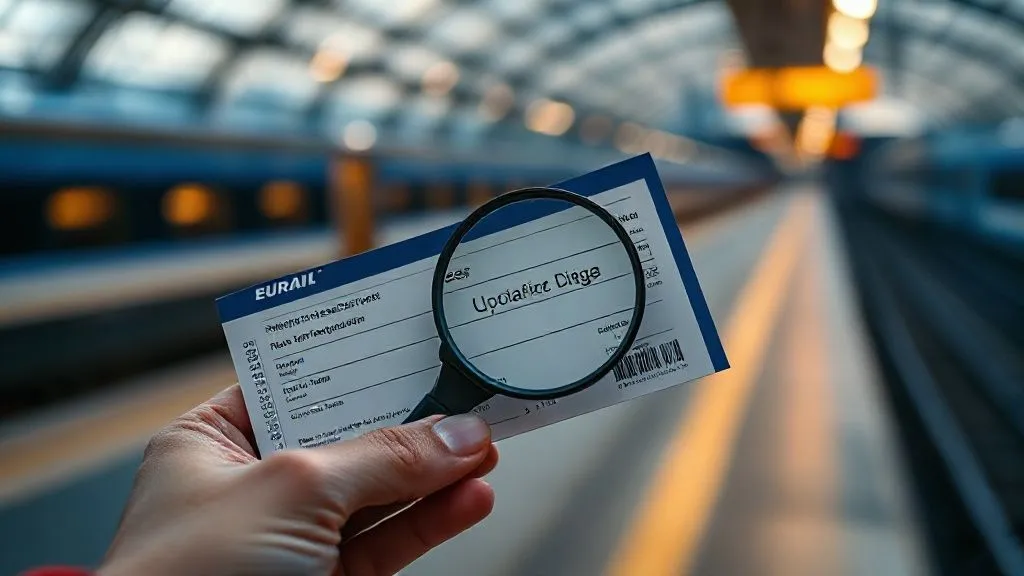
While often associated with backpackers, passes like Eurail (for non-European residents) or Interrail (for European residents) offer flexible travel days across extensive networks. The key is to analyze your itinerary meticulously. If you're making 3-4 significant train journeys within a short period, a pass often provides superior value. For instance, a '4 days in 1 month' pass can be incredibly cost-effective compared to buying individual high-speed tickets.
- Map Your Route: List all your intended train journeys, including origin, destination, and approximate dates.
- Estimate Individual Fares: Use national railway websites (e.g., DB Bahn, SNCF, Trenitalia) to get an estimate of point-to-point ticket costs for each leg.
- Compare Pass Options: Visit the official Eurail website or Interrail website to compare the cost of relevant passes (e.g., One Country Pass vs. Global Pass) against your estimated total individual fares.
- Factor in Reservation Fees: Remember that many high-speed and overnight trains require mandatory seat reservations, even with a pass. These are typically small fees (e.g., €5-€15 per journey) but add up.
- Assess Flexibility Needs: Passes offer immense flexibility – you decide on the day of travel. If your schedule is fluid, this flexibility can be invaluable and prevent costly change fees on individual tickets.
I've guided many business travelers who initially dismissed passes, only to find they could save hundreds of euros by embracing this flexible option for multi-stop tours. It's not always the right solution, but when it is, the savings are substantial.
| Trip Segment | Point-to-Point (Estimated) | Pass + Reservation (Estimated) |
|---|---|---|
| Paris to Frankfurt | €80-€150 | €0 + €10 |
| Frankfurt to Berlin | €60-€120 | €0 + €5 |
| Berlin to Amsterdam | €50-€100 | €0 + €15 |
| Amsterdam to Brussels | €30-€70 | €0 + €5 |
| Up to €400+ | Eurail Global Pass (4 days in 1 month) |
Optimizing Seat Classes and Onboard Services
One of the most common questions I get is about the value of first-class travel. While the allure of more space, complimentary snacks, and quieter carriages is strong, it's crucial to evaluate if these benefits truly justify the higher cost for your specific business needs.
Second class in most European high-speed trains is perfectly comfortable, offering ample legroom, power outlets, and often Wi-Fi. For shorter journeys (under 3 hours) or when you primarily need to focus on work without distractions, second class can be a smart budget choice. It significantly helps to avoid budget overruns on European business train trips.
- First Class Benefits: More spacious seats, often 1-2 configuration vs. 2-2, complimentary drinks/snacks, sometimes a meal, quieter atmosphere, dedicated waiting lounges at major stations, better Wi-Fi in some cases.
- When to Choose First Class: For long journeys (4+ hours) requiring sustained concentration, important client calls, or when the cost difference is negligible after corporate discounts. The added comfort can boost productivity and arrive refreshed.
- When Second Class Suffices: Shorter trips, when the primary goal is getting from A to B efficiently, or when budget constraints are tight. Many modern second-class carriages are surprisingly good.
- Night Trains: If you're traveling overnight, consider sleeper options (couchettes or private compartments) instead of a hotel. While not always cheaper than a budget hotel, they save a full day of travel time and potentially a hotel night, providing a unique blend of transport and accommodation.
I've seen companies mandate second-class travel for all employees, and others allow first-class for journeys over a certain duration. The key is to have a clear policy that balances comfort, productivity, and cost-effectiveness. Don't pay for perks you don't need or won't utilize.
Leveraging Corporate Accounts & Travel Agencies
For businesses with frequent European train travel, relying solely on individual bookings is an open invitation for budget overruns. Implementing corporate accounts with major rail operators or partnering with a dedicated Travel Management Company (TMC) can unlock significant savings and streamline processes.
Corporate accounts often come with negotiated rates, which can be 5-20% lower than public fares, especially on frequently traveled routes. Beyond direct cost savings, these accounts offer centralized billing, detailed reporting, and sometimes even dedicated support, which can be invaluable for expense reconciliation and policy enforcement. This structured approach is fundamental to how to avoid budget overruns on European business train trips.
Case Study: How TechSolutions Co. Streamlined European Rail Budgets
TechSolutions Co., a mid-sized software firm with offices across Europe, faced consistent budget overruns on their inter-office train travel. Employees booked ad-hoc, often last-minute, and without a unified strategy. Their travel expenses were chaotic and unpredictable, hitting 25% over budget annually.
By partnering with a TMC and establishing corporate accounts with key national rail providers, TechSolutions implemented a strict booking policy. The TMC negotiated preferred rates and managed all bookings, ensuring employees adhered to advance booking rules and optimal class choices. Within six months, their rail travel costs stabilized and then decreased by 18%, saving them over €50,000 annually. The real-time reporting from the TMC also provided unprecedented visibility into their travel spend, allowing for continuous optimization.
TMCs bring expertise in fare optimization, policy compliance, and crisis management. They can also bundle rail, hotel, and local transport, often securing better overall package deals. For a deeper dive into the benefits of TMCs, I recommend exploring resources from the Business Travel News Group.
Smart Accommodation & Local Transport Integration
Train travel isn't just about the journey; it's about the entire trip experience, from hotel to local commutes. Overruns often stem from neglecting these 'last mile' costs. A crucial strategy to avoid budget overruns on European business train trips involves integrating your accommodation and local transport choices seamlessly with your rail journey.
- Proximity to Stations: Prioritize hotels within walking distance or a very short, direct public transport ride from the main train station. This drastically cuts down on expensive taxi fares, especially if you're arriving late or departing early.
- Public Transport Passes: Many European cities offer excellent public transport networks. Instead of individual tickets or taxis, purchase multi-day public transport passes or city cards. These often provide unlimited travel on trams, buses, and metros, and sometimes include discounts on attractions.
- Walking & Cycling: For short distances, embrace walking. It's free, healthy, and a great way to see a city. Some cities also offer bike-sharing schemes, which can be a fun and cheap alternative for quick trips.
- Avoid Peak Hour Taxis: If a taxi is unavoidable, try to avoid booking during peak rush hours when surge pricing or traffic delays can inflate costs significantly. Plan your arrivals and departures accordingly.
I've personally seen the difference a well-located hotel makes. Saving €20-€30 on a taxi ride multiple times over a trip quickly adds up. These seemingly small decisions collectively contribute to a more controlled and efficient budget.
Effective Expense Tracking & Policy Adherence
Even with the best booking strategies, budget overruns can occur if expenses aren't meticulously tracked and aligned with company policy. This is where robust expense management systems and clear, communicated travel policies become indispensable.
I advise businesses to move away from manual, paper-based expense reports. Invest in digital expense management tools (e.g., Expensify, SAP Concur, Rydoo). These platforms allow employees to capture receipts instantly, categorize expenses, and submit reports electronically. This not only saves administrative time but also provides real-time visibility into spending, allowing for proactive intervention if a budget is being exceeded.
| Expense Category | Tracking Method | Policy Guideline |
|---|---|---|
| Train Tickets | Corporate Account/TMC | Book X weeks in advance, Y class maximum |
| Seat Reservations | Digital Expense App | Reimbursable with ticket |
| Accommodation | Corporate Booking Tool | Max Z EUR per night, proximity to station |
| Local Transport | Digital Expense App | Public transport preferred, taxi for emergencies |
| Meals & Per Diems | Digital Expense App | Adhere to per diem limits |
Expert Insight: "Visibility is the cornerstone of control. If you can't see where money is going in real-time, you can't stop the leaks. Digital expense tracking is not just convenient; it's financially imperative."
Furthermore, ensure your corporate travel policy is clear, concise, and regularly communicated. It should explicitly state rules regarding: advance booking requirements, approved travel classes, per diem limits, preferred vendors, and the process for expense submission. A well-understood policy empowers employees to make budget-conscious decisions and significantly helps to avoid budget overruns on European business train trips. For more insights on corporate expense management, a resource like Harvard Business Review often publishes relevant articles.
Navigating Cancellations, Changes, and Insurance
Even the most meticulously planned business trip can be derailed by unforeseen circumstances – a sudden meeting cancellation, a delayed connection, or a personal emergency. How you prepare for these eventualities can dramatically impact your budget. This is a critical aspect of how to avoid budget overruns on European business train trips.
When booking, understand the flexibility of your ticket. The cheapest fares are often non-refundable and non-changeable. While they offer initial savings, a single change can mean losing the entire ticket cost and having to buy a new, expensive last-minute one. For business travel where schedules are often dynamic, I strongly advocate for a slightly more flexible fare if there's any doubt about fixed plans.
- Assess Flexibility Needs: For critical, unchangeable dates, a rigid cheap ticket might be fine. For evolving projects, a 'semi-flexible' or 'fully flexible' ticket, though pricier upfront, can save you more in the long run by allowing changes or cancellations for a fee or even free.
- Understand Operator Policies: Each national railway has different rules. Familiarize yourself with the change and cancellation policies of the operators you're using.
- Invest in Business Travel Insurance: This is non-negotiable for frequent business travelers. A comprehensive policy should cover trip cancellation/interruption, medical emergencies, lost luggage, and travel delays. The cost of a good policy is a fraction of what you could lose if something goes wrong.
- Document Everything: In case of a claim, keep all receipts, booking confirmations, and any communication regarding delays or cancellations.
I've seen too many businesses absorb significant losses because they opted for the absolute cheapest, non-flexible ticket only to have plans shift. Think of travel insurance and flexible fares as an investment in budget stability, not an added expense. For reliable information on business travel insurance, consult reputable financial news sources or dedicated insurance providers like CNBC's Personal Finance section.
Frequently Asked Questions (FAQ)
Is 1st class always worth it for business travel on European trains? Not always. While 1st class offers more space, quieter environments, and sometimes complimentary services, modern 2nd class in many high-speed trains is very comfortable. It's worth it for long journeys (4+ hours) where productivity is paramount, or if the cost difference is minimal after corporate discounts. For shorter trips, 2nd class is often perfectly adequate and a significant cost-saver.
How far in advance should I book European train tickets for the best rates? Generally, 2-3 months in advance is the sweet spot for securing the lowest fares, especially for popular routes and high-speed trains. Some operators release tickets even earlier (up to 6 months), so it's worth checking as soon as your travel dates are firm. Booking last-minute almost always results in higher prices due to dynamic pricing.
Can I use consumer rail passes like Eurail for business trips? Yes, absolutely. While commonly associated with leisure travel, Eurail (for non-European residents) and Interrail (for European residents) passes can be highly cost-effective for business travelers undertaking multiple train journeys across different cities or countries within a short timeframe. You'll need to factor in mandatory seat reservation fees for most high-speed trains.
What are the best apps for managing train travel expenses in Europe? For effective expense tracking, I recommend digital expense management platforms like Expensify, SAP Concur, and Rydoo. These apps allow you to capture receipts on the go, categorize expenses, and submit reports electronically, providing real-time visibility and streamlining the reimbursement process.
What if my business plans change last minute? How can I avoid financial loss? To mitigate financial loss from last-minute changes, consider purchasing slightly more flexible train tickets (which allow changes or cancellations, often for a fee). More importantly, invest in comprehensive business travel insurance. This policy can cover trip cancellations, interruptions, and other unforeseen events, protecting your budget from significant losses.
Key Takeaways and Final Thoughts
- Book Early: Leverage dynamic pricing by booking 2-3 months in advance for significant savings.
- Strategic Pass Usage: Evaluate rail passes for multi-stop itineraries to potentially save more than point-to-point tickets.
- Smart Class Selection: Choose seat classes based on journey length and productivity needs, not just habit.
- Corporate Tools: Utilize corporate accounts and Travel Management Companies for negotiated rates and streamlined operations.
- Integrate & Track: Plan accommodation near stations, use public transport, and implement digital expense tracking with clear policies.
- Prepare for the Unexpected: Opt for flexible tickets and comprehensive business travel insurance to safeguard against unforeseen changes.
Avoiding budget overruns on European business train trips isn't about cutting corners; it's about smart, proactive planning and informed decision-making. By implementing these expert-backed strategies, you'll transform your rail journeys from potential financial drains into efficient, predictable, and genuinely cost-effective components of your business operations. Take control of your travel budget, and enjoy the unparalleled convenience and comfort of European train travel without the financial surprises.
Recommended Reading
- 5 Proven Strategies: Executives Truly Unplug on Cruise Packages?
- Elevate Luxury: 7 Ways to Integrate Railway Museums into High-End Train Tours
- Navigate Recovery: Essential Guide to Accessible Post-Treatment Travel Care
- The Ultimate Guide: How to Rent Accessible Vans for Disabled Travel
- Unlock the Secret: How to Pick Teen Friendly Family Trip Destinations



Your email address will not be published. Required fields are marked *