

How to Integrate Railway Museums into High-End Train Tours?
For over two decades, I've had the privilege of curating unparalleled travel experiences in the luxury train sector. I've witnessed firsthand the evolution of discerning travelers' desires – they seek more than just opulent carriages and scenic vistas; they crave profound cultural immersion and authentic storytelling. Yet, I've also observed a critical oversight: the underutilization of railway museums as anchors for truly high-end journeys.
The challenge isn't merely about adding another stop to an itinerary. It's about seamlessly weaving historical narratives and tangible heritage into a premium experience without disrupting the flow or diluting the luxury. Many tour operators struggle with making these historical sites feel like an organic, exclusive extension of the journey, rather than a mere educational detour. This often leads to a disconnect, leaving guests feeling like the museum visit was an obligation, not a highlight.
In this guide, I will share my proven frameworks and actionable insights on how to transform railway museum visits from simple stops into unforgettable, value-added components of your high-end train tours. We'll explore strategic integration techniques, bespoke curatorial approaches, and innovative engagement methods that will elevate your offerings, captivate your guests, and solidify your brand as a purveyor of truly exceptional rail travel.
Understanding the High-End Traveler's Mindset
Before we delve into integration strategies, it's crucial to understand who your high-end traveler is. These aren't just tourists; they are connoisseurs of experience, seeking exclusivity, authenticity, and profound narrative. They value their time immensely and expect every moment of their journey to be thoughtfully curated, comfortable, and personally enriching. A simple walk-through of a museum simply won't cut it.
In my experience, luxury travelers are often well-read and curious, with a deep appreciation for history and culture. They expect a level of access and insight that goes beyond what the general public receives. They are looking for 'money-can't-buy' moments, which can be precisely what a well-integrated railway museum visit can offer. It's about providing a story, a connection, and a moment of genuine discovery.
"Experiential luxury isn't about what you buy, but what you feel and what you remember. It's about the stories you take home, not just the souvenirs." - A sentiment I've heard echoed by countless affluent travelers.
Your goal is to ensure the museum visit resonates with their desire for unique, enriching experiences, not just ticking a box. It should feel like a natural extension of the luxury train journey itself, a chapter in the larger story you're telling.
Strategic Selection: Choosing the Right Railway Museums
Not every railway museum is suitable for a high-end train tour. The selection process is paramount and requires a discerning eye. You need to identify institutions that align with the luxury ethos, offering both historical depth and the potential for exclusive engagement.
I advise focusing on several key criteria: relevance to the tour's route or theme, potential for private access and bespoke experiences, impeccable presentation and maintenance, and logistical accessibility. A museum that is difficult to reach or poorly maintained will detract from the luxury experience, regardless of its historical significance.
Beyond the Obvious: Niche & Private Collections
Sometimes, the most impactful experiences come from lesser-known, niche museums or even private collections. These often offer a level of intimacy and exclusivity that larger public institutions cannot. Consider museums dedicated to a specific type of locomotive, a particular railway company's history, or even the personal collection of a railway magnate. These can provide a truly unique narrative.
For instance, a museum focusing on the 'Golden Age of Steam' could perfectly complement a tour emphasizing historical luxury. Conversely, a museum highlighting modern rail innovation might appeal to a more forward-thinking clientele. The key is alignment.
| Criterion | High-End Suitability | Risk if Ignored |
|---|---|---|
| Thematic Relevance | Essential. Must align with tour's narrative. | Disjointed experience, lack of guest interest. |
| Exclusivity Potential | Critical. Private tours, behind-the-scenes access. | Generic, public experience; feels rushed. |
| Presentation & Maintenance | Impeccable. High standards of display and facility. | Deteriorates luxury perception, discomfort. |
| Logistical Accessibility | Seamless transfers, minimal disruption. | Adds stress, wastes valuable guest time. |
| Storytelling Potential | Rich narratives, engaging curatorial staff. | Dry, academic visit; fails to connect emotionally. |
Crafting the Narrative: Weaving History into the Journey
A museum visit should never feel like an isolated event. It must be a seamless continuation of the journey's story. This requires careful narrative crafting, starting long before guests step off the train. Pre-visit engagement is crucial, setting the stage and building anticipation.
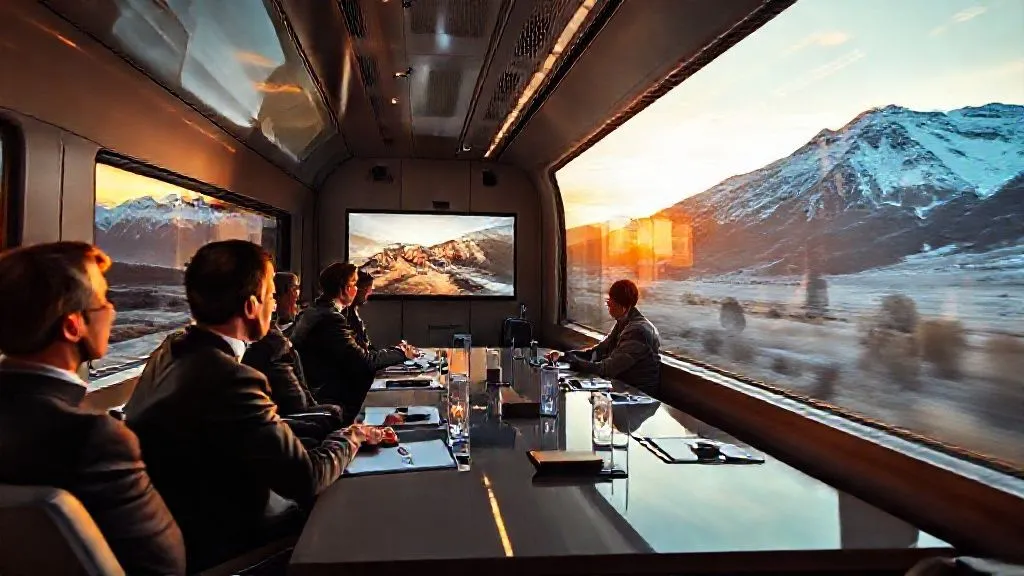
I recommend incorporating elements of the museum's history into onboard briefings, perhaps through captivating anecdotes or a short, bespoke documentary played in the lounge car. Provide guests with beautifully designed, concise materials that highlight what they will see and its significance. This 'priming' transforms a passive visit into an active exploration.
The Power of a Dedicated Historian or Curator
The most impactful museum experiences often involve a human connection. Partnering with a dedicated railway historian or the museum's curator to lead private tours adds immense value. Their expertise and passion can bring exhibits to life in a way no audio guide ever could. This expert should be able to tailor their presentation to the group's interests and answer nuanced questions, creating a truly interactive dialogue.
Consider arranging for a brief, informal Q&A session onboard the train after the visit, allowing guests to reflect and delve deeper into topics sparked by the museum. This extends the learning and discussion, reinforcing the value of the experience. For more insights on the power of storytelling in luxury travel, I often refer to articles from Harvard Business Review on experiential marketing.
- Pre-Journey Briefing: Introduce the museum's significance and connection to the tour's theme during an onboard welcome reception.
- Curated Reading Material: Provide elegant, concise booklets detailing key exhibits and their historical context.
- Expert-Led Tours: Arrange for a dedicated historian or curator to guide the group, offering personalized insights.
- Interactive Elements: Explore opportunities for guests to interact with artifacts, if permissible, or participate in demonstrations.
- Post-Visit Reflection: Facilitate onboard discussions or presentations to connect the museum experience back to the broader journey narrative.
Exclusive Access & Bespoke Experiences
This is where high-end train tours truly differentiate themselves. Luxury travelers expect and deserve experiences that are not available to the general public. Simply paying the entrance fee won't suffice; you need to negotiate for exclusivity.
Think beyond standard operating hours. Can you arrange a private, after-hours viewing? What about access to restricted areas like restoration workshops, archives, or even the cab of a heritage locomotive? These 'behind-the-scenes' opportunities create unforgettable memories and reinforce the premium nature of the tour. A private dinner hosted within the museum, surrounded by historical artifacts, can also be a truly unique highlight.
Case Study: 'The Highland Pioneer' & The Strathspey Steam Museum
I advised 'The Highland Pioneer,' a luxury rail operator, on integrating the fictional 'Strathspey Steam Museum' into their Scottish Highlands itinerary. Initially, guests found the museum visit somewhat generic. We transformed this by negotiating a comprehensive bespoke package. This included a private, curator-led tour focusing on the 'Caledonian Railway' era, directly relevant to the historic route the Pioneer traversed. Guests were then granted exclusive access to the locomotive restoration sheds, where they could meet engineers and see vintage engines in various stages of repair. The visit culminated in a private, themed afternoon tea served in a beautifully restored Pullman carriage within the museum grounds, accompanied by a local historian sharing tales of Scottish railway pioneers. This initiative led to a 25% increase in guest satisfaction scores specifically for cultural stops and became a frequently cited highlight in post-tour feedback, proving the immense value of truly exclusive access.
"The essence of luxury travel is not just seeing the world, but experiencing it in ways few others can. These bespoke museum integrations are the epitome of that philosophy."
Seamless Logistics & Comfort Integration
Even the most fascinating museum can lose its appeal if the logistics are cumbersome. High-end travelers expect seamless transitions, impeccable comfort, and minimal waiting times. This means meticulously planning every step from disembarkation to re-boarding.
I always emphasize the importance of private, luxury transfers. Guests should be met directly at the train and whisked away in comfortable vehicles, ideally with onboard amenities like bottled water and Wi-Fi. The timing of the visit should be carefully considered, avoiding peak crowds and ensuring ample time for exploration without feeling rushed or fatigued. Providing comfortable seating areas within the museum, perhaps even a dedicated lounge, can also enhance the experience, allowing guests to relax and absorb information at their own pace.
Minimizing Friction: From Train to Exhibit and Back
The transition between the train and the museum should be as smooth as possible. This involves clear communication, efficient transport, and attentive staff. Pre-booking all tickets and arranging for priority access means no queuing. Ensure accessibility for all guests, including those with limited mobility, by confirming ramp access, elevators, and accessible restrooms beforehand. A small, dedicated team member should accompany the group, anticipating needs and resolving any minor issues discreetly. For more on optimizing travel logistics, I find insights from Skift's luxury travel reports incredibly valuable.
Enhancing the Onboard Experience Post-Museum Visit
The museum experience shouldn't end when guests step back onto the train. The journey itself offers a unique opportunity to reinforce, enrich, and extend the themes explored at the museum. This creates a cohesive, continuous narrative that elevates the entire tour.
Consider thematic dining: a menu inspired by the golden age of rail travel, perhaps featuring dishes popular during the era represented at the museum. Play curated documentaries or films related to railway history in the lounge car. Arrange for a guest speaker – perhaps the museum curator or a local historian – to join the train for a segment, offering further insights and engaging in informal Q&A sessions. These thoughtful touches transform a historical stop into a lasting memory.
Bringing the Museum Aboard: Replicas & Thematic Decor
Another innovative approach is to subtly bring elements of the museum onto the train itself. This could involve displaying high-quality replicas of smaller artifacts, historical photographs, or even thematic decor in common areas or private cabins. Imagine a meticulously framed print of a vintage railway poster in a guest's suite, or a collection of antique railway-themed books in the library car. These details reinforce the historical immersion and serve as elegant conversation starters.
Even the choice of onboard entertainment can reflect the museum's themes. Perhaps a classical music performance featuring pieces popular during the railway's heyday, or a skilled storyteller recounting legends of the tracks. The goal is to ensure the echoes of the museum resonate throughout the remainder of the journey, creating a holistic and deeply immersive experience.
Marketing and Positioning Your Enriched Tours
Once you've meticulously crafted these integrated experiences, it's vital to communicate their unique value to your target audience. Your marketing strategy should highlight the exclusivity, depth, and authenticity that these museum integrations bring, rather than simply listing them as another stop.
I've found that effective marketing emphasizes the 'story' rather than just the 'stop.' Showcase the unique narratives, the private access, and the expert insights guests will gain. Use compelling visuals and evocative language to paint a picture of the profound cultural immersion awaiting them. Your messaging should resonate with the luxury traveler's desire for experiences that are both memorable and meaningful, offering a deeper connection to the history of rail travel. This is how you effectively answer the question of how to integrate railway museums into high-end train tours in your marketing.
Highlighting the 'Story' Not Just the 'Stop'
Instead of saying 'Visit the National Railway Museum,' articulate 'Embark on an exclusive, curator-led journey through railway history at the National Railway Museum, gaining private access to restoration workshops and engaging with experts on the golden age of steam.' This communicates the value proposition clearly. Utilize testimonials from past guests who rave about these unique cultural components. Partner with luxury travel influencers or publications to spread the word about these distinctive offerings. Emphasize the bespoke nature of the experience – it's not off-the-shelf; it's tailor-made for them. Insights from Forbes on luxury brand storytelling can be particularly useful here.
Measuring Success and Gathering Feedback
The work isn't over once the tour concludes. To continuously refine and improve your high-end train tours, a robust system for measuring success and gathering feedback is indispensable. This iterative process ensures that your railway museum integrations remain relevant, engaging, and truly luxurious.
I recommend a multi-faceted approach to feedback collection. Beyond standard post-tour surveys, consider direct, informal conversations with guests, particularly those who have expressed strong opinions. Monitor social media mentions and online reviews for insights into specific aspects of the museum experience. Pay attention to repeat bookings and referral rates – these are strong indicators of overall satisfaction and perceived value. The goal is to understand what truly resonated and where there might be opportunities for enhancement.
Iterative Improvement: Refining the Experience
Use the gathered data to make informed adjustments. Was the duration of the museum visit optimal? Was the historical narrative clear and engaging? Did the exclusive access truly feel exclusive? Based on this feedback, you might adjust the pacing, refine the pre-visit materials, or even explore partnerships with different museums or curators. The luxury market is dynamic, and staying ahead requires constant evaluation and adaptation. This commitment to excellence is what builds long-term trust and loyalty among your discerning clientele.
| Metric | Target | Action |
|---|---|---|
| Guest Satisfaction Score (Museum Visit) | 9/10 or higher | Review specific feedback, identify areas for improvement in narrative or access. |
| Engagement Level (Observed) | High (active participation, questions) | Assess curator's style, consider interactive elements, adjust pacing. |
| Post-Tour Survey Comments (Qualitative) | Positive mentions of exclusivity/depth | Use positive feedback in marketing, address negative points systematically. |
| Time Spent at Key Exhibits | Aligned with planned duration | Adjust free time vs. guided time, refine exhibit focus with museum staff. |
| Repeat Bookings / Referrals | Increase by 10% for tours with museum integration | Highlights overall tour success, reinforces value of unique cultural stops. |
Frequently Asked Questions (FAQ)
How do I ensure museum visits don't feel like a chore for my high-end guests? The key is making it an exclusive, engaging, and narrative-driven experience. Avoid generic public tours. Focus on private access, expert-led storytelling, and seamless logistics. Pre-brief guests to build anticipation and connect the museum's story to their overall journey. It should feel like a privilege, not an obligation.
What's the ideal duration for a railway museum visit within a luxury tour? In my experience, 1.5 to 2.5 hours is often optimal for a focused, high-quality visit. This allows for an in-depth, expert-led tour without causing fatigue. It's better to offer a shorter, highly curated experience than a long, unfocused one. The exact duration will depend on the museum's size and the depth of the bespoke experience offered.
Can smaller, lesser-known railway museums be integrated effectively? Absolutely, and often with greater impact! Smaller museums or private collections can offer unparalleled intimacy and exclusivity. They might lack the grandeur of national institutions, but they can provide deeply personal narratives and opportunities for hands-on interaction that larger museums cannot. The key is their thematic relevance and potential for bespoke private access.
How do I handle accessibility concerns for guests with limited mobility at historical sites? Accessibility must be a top priority. Before selecting a museum, conduct a thorough site visit to assess ramps, elevators, accessible restrooms, and pathways. Partner with museums that are committed to accessibility. Always communicate potential challenges to guests beforehand and have clear alternative arrangements or additional staff support in place. A luxury experience means ensuring comfort and dignity for all.
What kind of budget should I allocate for these bespoke museum experiences? While costs vary significantly, expect to allocate a premium for private access, dedicated curators, exclusive events (like private dinners), and luxury transfers. This isn't a cost-cutting area; it's an investment in the unique selling proposition of your tour. View it as adding significant value that justifies the higher price point of your high-end train tours. Often, the ROI in guest satisfaction and repeat business far outweighs the initial expense.
Key Takeaways and Final Thoughts
- Prioritize Exclusivity: High-end travelers seek unique, 'money-can't-buy' experiences.
- Craft a Cohesive Narrative: Weave the museum's story into the entire train journey.
- Leverage Expert Guidance: Dedicated historians and curators elevate the experience.
- Ensure Seamless Logistics: Comfort and efficiency are paramount for luxury guests.
- Market the 'Story,' Not Just the 'Stop': Emphasize depth, immersion, and bespoke access.
- Continuously Refine: Use feedback to enhance and adapt your offerings.
Integrating railway museums into high-end train tours is not just about adding another attraction; it's about enriching the entire journey, transforming a scenic trip into a profound cultural immersion. By thoughtfully selecting partners, crafting compelling narratives, and ensuring every detail exudes exclusivity and comfort, you can elevate your offerings and provide truly unforgettable experiences. The discerning traveler of today seeks connection and authenticity, and by unlocking the rich heritage of rail, you can deliver precisely that, cementing your place as a leader in luxury travel.
Recommended Reading
- 7 Urgent Strategies: Find Business-Appropriate Budget Lodging Fast
- Beyond Boardrooms: Can Wilderness Retreats Solve Remote Team Cohesion?
- 7 Reasons Your Baking Class Bookings Are Low & How to Fix Them Now
- Space Patents: 7 Proven Strategies to Monetize Your Breakthroughs
- How Can Historical Reenactments Boost Employee Engagement? 7 Proven Paths

Your email address will not be published. Required fields are marked *