

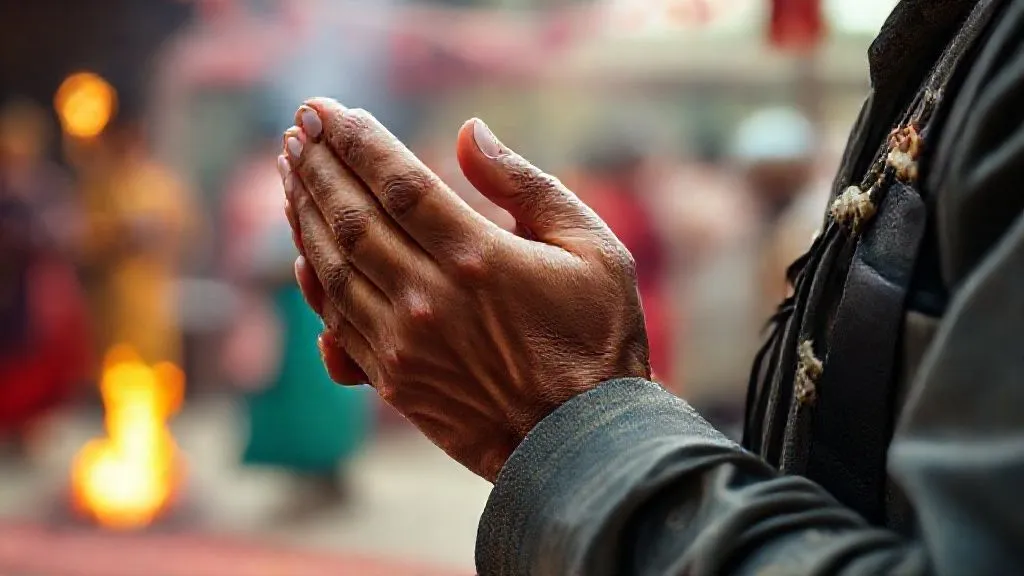
How to Avoid Disrespect During Sacred Ceremony Visits?
For over 15 years, navigating the intricate tapestry of global cultural travel, I've witnessed countless breathtaking traditional ceremonies – from the sun-drenched rituals of Andean communities to the hushed, ancient rites in remote Southeast Asian villages. These experiences are profound, transformative, and deeply enriching. However, I've also observed, with a heavy heart, instances where well-intentioned visitors inadvertently caused discomfort, offense, or even lasting damage to the sanctity of these sacred moments. It’s a delicate dance, this journey into another culture's spiritual heartland.
The problem isn't usually malicious intent. Most travelers genuinely seek connection and understanding. Yet, a lack of awareness about local customs, spiritual significance, and appropriate etiquette can transform a respectful encounter into an awkward intrusion. This not only diminishes the visitor's own experience but, more importantly, can erode trust, commodify sacred practices, and leave a lingering sense of disrespect among the host community. The very essence of these ceremonies – their power, their meaning, their tradition – can be undermined by a single misplaced gesture or an ill-timed flash photograph.
This comprehensive guide is born from years of immersion and learning, designed to equip you with the frameworks, actionable steps, and expert insights needed to navigate sacred ceremony visits with profound respect and genuine appreciation. We’ll delve into pre-visit preparation, on-site demeanor, ethical photography, and even how to gracefully recover from an accidental misstep. My goal is to empower you not just to observe, but to truly connect, to learn, and to leave a positive, lasting impression, ensuring your presence honors the very traditions you've come to witness. Let’s embark on this journey together to understand how to avoid disrespect during sacred ceremony visits.
Understanding the 'Sacred' Context: More Than Just a Spectacle
Before you even consider attending a traditional ceremony, it's crucial to grasp the fundamental distinction between a performance designed for tourists and a truly sacred event. While both can offer insights into a culture, their underlying purpose and the expected visitor conduct differ dramatically. A sacred ceremony is typically rooted in spiritual beliefs, community identity, and ancient practices, often serving purposes like healing, blessing, remembrance, or initiation. It's not staged for an audience; rather, visitors are often allowed to observe as guests, not as ticket-holders.
The Deeper Meaning of Sacred Ceremonies
I've often heard travelers describe a ceremony as 'interesting' or 'colorful,' without truly comprehending the generations of meaning woven into each gesture, chant, or offering. This superficial understanding is where the potential for disrespect often begins. These are not mere cultural shows; they are living traditions, vital to the identity and spiritual well-being of the communities that practice them. According to an ethnographic study published by the Journal of Anthropological Research, the commodification of sacred rituals can lead to a loss of authenticity and community ownership, highlighting the importance of respectful engagement.
"True cultural immersion isn't just about seeing; it's about understanding the unseen, the unspoken, the deeply felt significance that gives life to a tradition. Without this foundational reverence, our presence can become an extraction, not an exchange."
When you approach a ceremony with an open heart and a genuine desire to understand its spiritual depth, you transform from a passive observer into a respectful guest. This shift in mindset is the bedrock for all subsequent actions and decisions you'll make during your visit. It’s about recognizing the privilege of being allowed into such intimate moments.
Pre-Visit Preparation: Your First Step Towards Respect
In my experience, almost every instance of unintentional disrespect can be traced back to a lack of adequate preparation. Thinking you can "wing it" in a foreign cultural setting, especially concerning sacred events, is a recipe for awkwardness at best, and offense at worst. Preparation isn't just about reading a travel guide; it's about active, targeted research that demonstrates your commitment to cultural sensitivity.
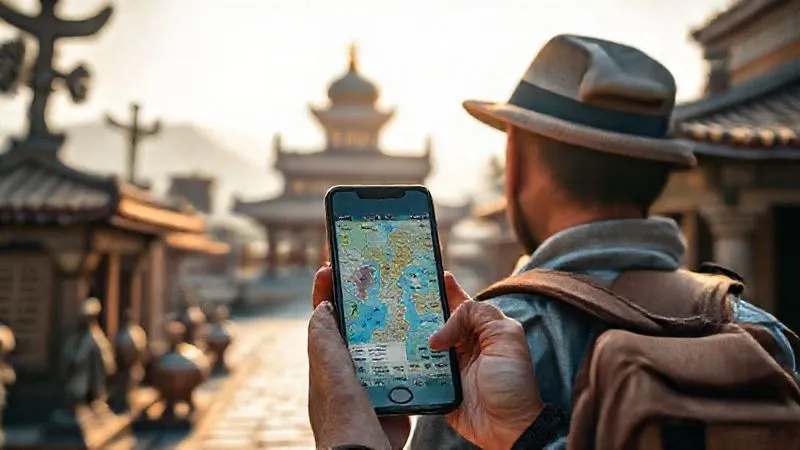
Here’s how to conduct thorough pre-visit research:
- Identify Local Customs and Taboos: Go beyond general etiquette. Are there specific greetings? Gestures to avoid? Rules about touching people or objects? For instance, in many Buddhist cultures, pointing with your feet is highly offensive, and touching someone’s head is taboo.
- Understand the Dress Code: Modesty is a universal sign of respect in most sacred contexts. Research specific requirements – head coverings, covered shoulders/knees, specific colors to avoid, or even removal of shoes. Never assume your "resort casual" is appropriate.
- Clarify Photography Rules: This is paramount. Some ceremonies forbid photography entirely. Others allow it without flash, or only from designated areas, or only with explicit permission from individuals. Always clarify this beforehand with local guides or community elders.
- Inquire About Appropriate Offerings or Gifts: In some cultures, bringing a small, respectful offering (e.g., flowers, incense, specific food items) is a customary way to show respect. However, bringing the wrong item or attempting to offer something inappropriate can also be offensive. Research what is considered suitable, if anything, and how it should be presented.
- Learn Basic Phrases: A simple "hello," "thank you," and "please" in the local language, along with "excuse me," can go a long way in demonstrating respect and openness.
Dress Code and Demeanor: Blending In, Not Standing Out
Your appearance and physical presence speak volumes before you even utter a word. In sacred settings, your attire and demeanor are direct reflections of your respect for the place and the people. The goal isn't to draw attention to yourself, but to blend in reverently with the solemnity of the occasion.
Modesty and Cultural Appropriateness
I've seen visitors arrive at sacred sites in attire more suited for a beach, completely oblivious to the discomfort they cause. This isn't about shaming, but about educating. When in doubt, err on the side of conservatism. Loose-fitting, opaque clothing that covers shoulders, chest, and knees is almost universally appropriate for sacred spaces.
- For Women: Consider long skirts or loose trousers, and shirts with sleeves. A shawl or scarf is often useful for covering shoulders or head if required.
- For Men: Long trousers and collared shirts are generally appropriate. Avoid sleeveless tops or shorts unless specifically indicated as acceptable.
- Footwear: Be prepared to remove shoes if entering temples, homes, or specific ceremonial areas. Wear footwear that is easy to slip on and off.
- Colors: While less common, some cultures have specific color associations. For funerals, black or white might be traditional; for celebrations, vibrant colors. A quick check can help you avoid unintended faux pas.
"Your humility in dress is a silent bow to the culture you are entering. It shows you value their customs over your personal comfort or style."
Beyond clothing, your demeanor is equally critical. Keep your voice low, avoid boisterous laughter or loud conversations, and maintain a respectful distance from the ceremonial proceedings. Remember, you are a guest in a sacred space, not an audience member at a show.
Photography Ethics: Capturing Moments Without Exploitation
In our hyper-visual world, the impulse to capture every moment is strong. However, nowhere is the need for ethical consideration more pronounced than during sacred ceremonies. A camera, in the wrong hands or used at the wrong time, can transform a deeply spiritual moment into a mere photo opportunity, stripping it of its dignity.
Ethical Photography Guidelines for Sacred Ceremonies
I cannot stress enough the importance of restraint and permission. My rule of thumb is: if you have to question it, don't do it. Here are actionable steps to ensure your photography is respectful:
- Always Seek Explicit Permission: Before raising your camera, ask a local guide or community elder if photography is permitted at all. If it is, clarify what can be photographed and from where.
- Respect "No" Immediately: If permission is denied, or if an individual signals discomfort, put your camera away without argument. Their comfort and the sanctity of the ceremony outweigh your desire for a photo.
- Avoid Interrupting the Ceremony: Never step into a sacred space, block someone’s view, or move around excessively to get a better shot. Observe from a respectful distance, remaining as unobtrusive as possible.
- No Flash Photography: Flash can be incredibly disruptive and startling, especially in dimly lit ceremonial spaces, and can be seen as highly disrespectful. It also often trivializes the atmosphere.
- Focus on the Overall Scene, Not Just Individuals: If individual portraits are not explicitly permitted, avoid close-ups of participants. If you do get permission for individual photos, always show the person the picture afterwards and offer to send it to them if possible.
- Consider the Impact of Sharing: Think carefully before posting images on social media. Are you commodifying a sacred moment? Are you exposing individuals or traditions to unwanted attention? As National Geographic's ethical photography guidelines often suggest, consider the dignity of your subjects above all else.
Active Observation vs. Passive Spectatorship: Engaging Mindfully
There's a significant difference between merely watching a ceremony unfold and truly engaging with it mindfully. The former often leads to boredom or superficial judgments; the latter fosters genuine connection and understanding. Sacred ceremonies are not passive entertainment; they are active expressions of belief.
Participating Respectfully (If Invited)
Unless explicitly invited to participate, your role is that of a respectful observer. This means being present, attentive, and open to the experience, rather than treating it like a show put on for your benefit. If you are invited to participate, do so with humility and follow all instructions carefully.
- Be Present: Put away your phone (unless using it for pre-approved photography). Silence your notifications. Focus your attention on the ceremony.
- Observe and Learn: Pay attention to the details – the expressions, the movements, the symbols, the sounds. Try to understand the flow and rhythm of the ceremony.
- Refrain from Commentary: Avoid whispering, making jokes, or offering loud opinions. If you have questions, save them for your guide or host after the ceremony, away from the sacred space.
- Follow Cues: If people sit, sit. If they stand, stand. If they bow, consider a respectful nod. Let the actions of the locals guide your physical responses.
To highlight the difference, consider this table:
| Action | Respectful Approach | Disrespectful Approach |
|---|---|---|
| Taking Photos | Ask permission, no flash, observe from distance, prioritize experience over photo | Shoot freely, use flash, get close, interrupt proceedings for a shot |
| During Ceremony | Silent, attentive, follow local cues, reflect internally | Chatting loudly, checking phone, taking calls, making jokes, standing out |
| Attire | Modest, covered shoulders/knees, blend in | Revealing clothing, beachwear, drawing attention |
| Engagement | Seek to understand, open to learning, express gratitude | Treat as entertainment, make demands, leave quickly without appreciation |
Verbal and Non-Verbal Communication: Bridging the Cultural Divide
Even without a shared language, communication is constant. Your body language, gestures, and the tone of any verbal interactions can either build bridges of understanding or erect walls of misunderstanding. Navigating these subtleties is key to how to avoid disrespect during sacred ceremony visits.
Learning Basic Phrases and Gestures
As I mentioned, a few local phrases are invaluable. Beyond words, however, non-verbal cues carry immense weight. I recall an instance in Laos where a simple, respectful 'wai' (a prayer-like gesture with hands pressed together) from a tourist instantly diffused a tense situation caused by a language barrier, showing genuine respect.
- Greetings: Learn the appropriate local greeting. Is it a handshake, a bow, a 'namaste,' or a specific verbal phrase?
- Eye Contact: In some cultures, direct eye contact is a sign of respect and honesty; in others, it can be seen as aggressive or challenging. Observe local norms.
- Hand Gestures: Be mindful of hand gestures. What is innocuous in your culture could be deeply offensive elsewhere (e.g., the "thumbs up" gesture, pointing with a finger).
- Personal Space: Respect varying norms of personal space. In some cultures, people stand closer; in others, more distance is preferred.
- Tone of Voice: Keep your voice soft and calm, especially in sacred settings. Avoid raising your voice, even if you are excited or trying to be heard over ambient noise.
- Listening: Practice active listening, even if you don't understand the words. Show you are attentive through your posture and facial expressions.
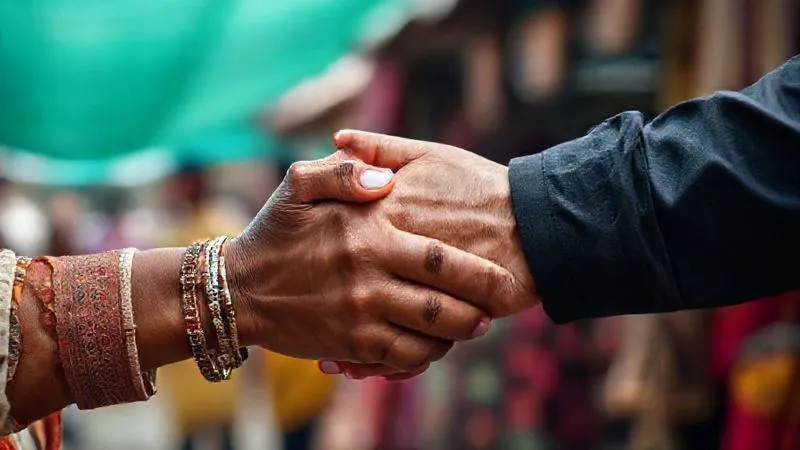
Navigating Offerings and Gifts: When and How to Give
The act of giving, whether an offering at a temple or a gift to a host, is laden with cultural significance. What seems like a kind gesture to you might be misinterpreted or even offensive if not done according to local customs. This is a nuanced area where expert guidance is particularly valuable.
Case Study: The Misunderstood Offering in Bhutan
Years ago, I observed a well-meaning tourist in Bhutan attempt to offer a handful of small coins at a local temple, believing it was a respectful donation. While the intention was good, in that specific context, small coins were often associated with begging or were considered insufficient for the sanctity of the offering. The local monk, though polite, gently guided him to a designated offering box for larger notes, explaining the cultural significance. The tourist was mortified, realizing his gesture, meant to show respect, had subtly highlighted his ignorance. This underscores the need for specific knowledge.
When considering offerings or gifts:
- Research Specifics: What is traditionally offered? Flowers, incense, candles, specific foods, or monetary donations? How are they presented?
- Avoid "Gifts" That Create Dependency: Giving money or large gifts directly to children, for example, can inadvertently foster a begging culture or create economic disparities within a community. Instead, consider donating to reputable local charities or community development projects.
- Quality Over Quantity: If bringing a gift for a host, focus on quality and thoughtfulness rather than expense. A small, culturally appropriate item from your home country, or a high-quality local product, is often more appreciated than a generic, expensive item.
- Present with Respect: Often, gifts are presented with both hands, accompanied by a slight bow or respectful words. Never simply toss a gift or offering.
- Understand Reciprocity: In some cultures, receiving a gift obligates the receiver to reciprocate. Be aware of these dynamics and don't create uncomfortable situations. Organizations like the Centre for Responsible Travel (CREST) provide excellent resources on ethical engagement with local communities.
Post-Ceremony Reflection: Integrating the Experience Ethically
The experience of witnessing a sacred ceremony doesn't end when you leave the site. The most profound learning often happens in the quiet moments of reflection afterward. How you process and share that experience is another critical aspect of how to avoid disrespect during sacred ceremony visits.
Sharing Your Experience Mindfully
Resist the urge to immediately sensationalize or trivialise your experience. Instead, take time to digest what you've seen and felt.
- Journal Your Thoughts: Write down your observations, feelings, and any questions that arose. This aids in deeper understanding and personal growth.
- Educate, Don't Exploit: If sharing your experience with others, aim to educate them about the cultural significance and the importance of respect, rather than simply recounting an exotic anecdote.
- Protect Privacy: Be extremely cautious about sharing images or stories that might identify individuals, especially if you didn't have explicit, informed consent for public dissemination.
- Support the Community: Consider how you can continue to support the community whose traditions you've witnessed – perhaps by purchasing local crafts, staying in community-run accommodations, or donating to their cultural preservation efforts.

Addressing Mistakes: What to Do When You Slip Up
Despite all the best intentions and preparations, cultural missteps can happen. We are all human, and cross-cultural communication is inherently complex. The true measure of respect isn't in never making a mistake, but in how you handle it when you do. Panicking or becoming defensive only exacerbates the situation.
Apologizing Effectively and Learning from Errors
If you realize you’ve made a faux pas, immediate and sincere action is crucial:
- Acknowledge the Mistake: Don't pretend it didn't happen. Acknowledge your error, even if you're not entirely sure what you did wrong.
- Apologize Sincerely: Offer a genuine apology. A simple "I am so sorry, I did not mean to offend" can go a long way. If you know the local phrase for apology, use it.
- Show Humility: Your posture, tone, and facial expression should convey humility and regret, not defensiveness or anger.
- Ask for Guidance (If Appropriate): If the situation allows, you might respectfully ask "Could you please explain what I did wrong so I can learn?" This shows a genuine desire to understand and improve.
- Learn and Move On: Once you've apologized and, ideally, understood your mistake, make a mental note for future interactions. Don't dwell on it to the point of paralyzing yourself, but internalize the lesson.
"Cultural competence is a journey, not a destination. Mistakes are inevitable teachers, but only if we approach them with humility and a genuine desire to learn."
Here’s a quick guide to common pitfalls and how to address them:
| Potential Pitfall | Solution | Prevention |
|---|---|---|
| Taking photos without permission | Immediately lower camera, apologize sincerely, offer to delete photos if requested. | Always ask first, respect 'no'. |
| Inappropriate attire | If possible, discreetly cover up or leave to change. Apologize for oversight. | Research dress codes thoroughly, carry a shawl/scarf. |
| Loud conversation/laughter | Immediately lower voice, apologize quietly to those nearby. | Be mindful of environment, observe local volume. |
| Accidentally touching a sacred object | Apologize immediately, perhaps ask a local if there's a specific purification or remedy. | Keep respectful distance, heed 'do not touch' signs. |
Frequently Asked Questions (FAQ)
What if I don't understand the language spoken during the ceremony? Lack of linguistic understanding should not be a barrier to respect. Focus on non-verbal cues: observe body language, tone, and the actions of the locals. Your respectful presence, quiet demeanor, and attentiveness communicate volumes. If you have a trusted local guide, they can offer whispered explanations or clarify points afterward, but never interrupt the ceremony for translation.
Is it ever okay to participate without an explicit invitation? Generally, no. Unless you are directly and clearly invited by a ceremony leader or respected community member, assume your role is that of an observer. Attempting to join in without an invitation can be seen as presumptuous, intrusive, or even sacrilegious, as certain rituals may only be for initiates or community members. Err on the side of respectful restraint.
How do I know if a ceremony is authentic or performed for tourists? While it can sometimes be difficult to discern, several clues can help. Authentic ceremonies are usually not advertised like commercial events, may have strict rules about photography or participation, and often take place in less accessible, community-specific locations. "Cultural shows" designed for tourists are usually well-advertised, have clear ticket prices, and often have more relaxed rules about photography and audience interaction. Your local, reputable guide can often provide the clearest insight.
What's the best way to show appreciation afterwards? Beyond a heartfelt "thank you" in the local language, consider supporting the community economically and respectfully. This could mean purchasing local handicrafts directly from artisans, eating at community-run establishments, or making a donation to a local organization dedicated to cultural preservation or community development. Always ensure your support is empowering, not disempowering.
Are there any specific cultural taboos I should always look out for, regardless of location? While specifics vary, some near-universal taboos in sacred contexts include: pointing with your finger (especially at people or sacred objects), showing the soles of your feet to others, public displays of affection, excessive noise, and disrespectful physical contact (especially with elders or religious figures). Always aim for modesty, quietness, and a humble demeanor.
Key Takeaways and Final Thoughts
Navigating sacred ceremony visits with respect is not just about avoiding offense; it's about fostering genuine connection, preserving cultural integrity, and enriching your own understanding of humanity's diverse spiritual landscape. It demands humility, diligent preparation, and a commitment to mindful engagement. My years in cultural travel have unequivocally taught me that the most rewarding experiences are those where you approach a culture not as a consumer, but as a student and a respectful guest.
- Prioritize Preparation: Research local customs, dress codes, and photography rules meticulously before your visit.
- Embrace Humility: Your presence is a privilege. Dress modestly, speak softly, and maintain a respectful demeanor.
- Seek Permission for Photography: Never assume it's okay to take photos. Always ask, and respect any denial.
- Be an Active, Mindful Observer: Engage with the ceremony with your full attention, avoiding distractions and unnecessary commentary.
- Learn from Mistakes: If you err, apologize sincerely, learn from the experience, and move forward with greater awareness.
- Support Ethically: When showing appreciation, ensure your actions genuinely benefit the community without fostering dependency or commodifying their traditions.
By integrating these principles into your cultural travel ethos, you not only ensure your visits are respectful and enriching but also contribute positively to the delicate balance of cultural exchange. You become an ambassador for thoughtful tourism, leaving behind not just footprints, but a legacy of understanding and appreciation. Go forth, explore, and connect – with an open mind, an open heart, and profound respect for the sacred.
Recommended Reading
- Beyond Basics: 7 Ways to Elevate Luxury Cruise Activities & Boost Retention
- Cozy Cabin Glamping: Your Ultimate Cold Weather Escape Guide
- Unlock the Secrets: What's the True Difference Between Ultra-Luxury and Luxury Cruises?
- Transform Your Day: The Power of Short Mindfulness Breaks for Busy Pros
- 7 Proven Strategies: VIP Privacy on Popular Tropical Beaches



Your email address will not be published. Required fields are marked *