

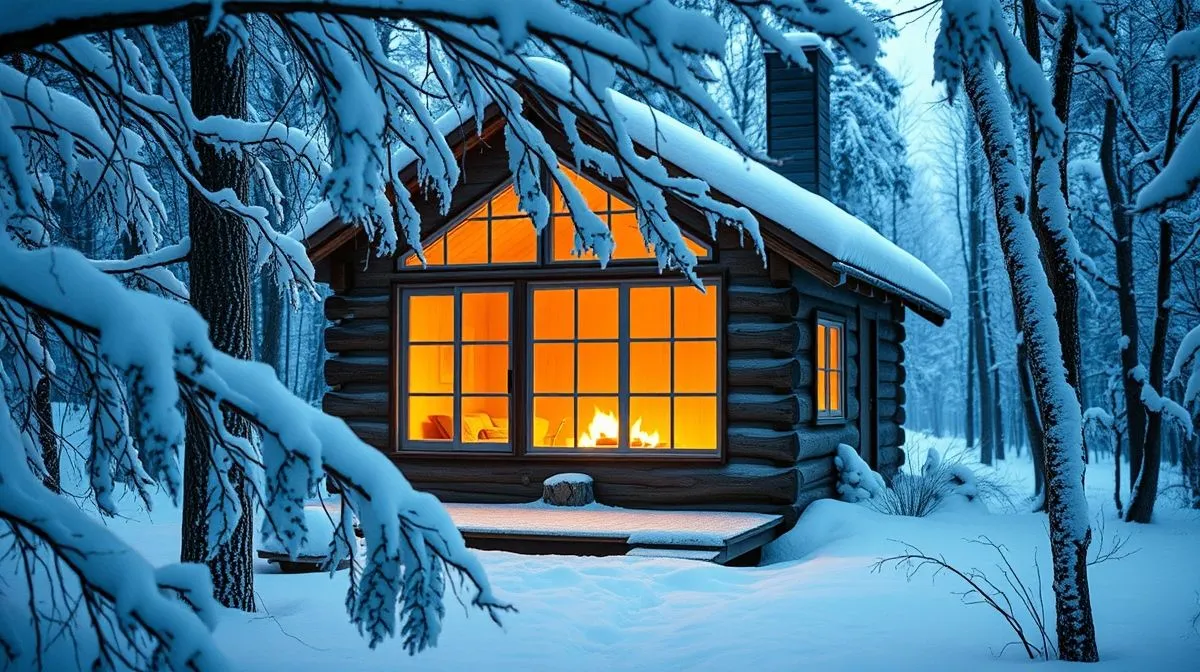
Cozy Cabin Glamping for Cold Weather: Your Winter Escape
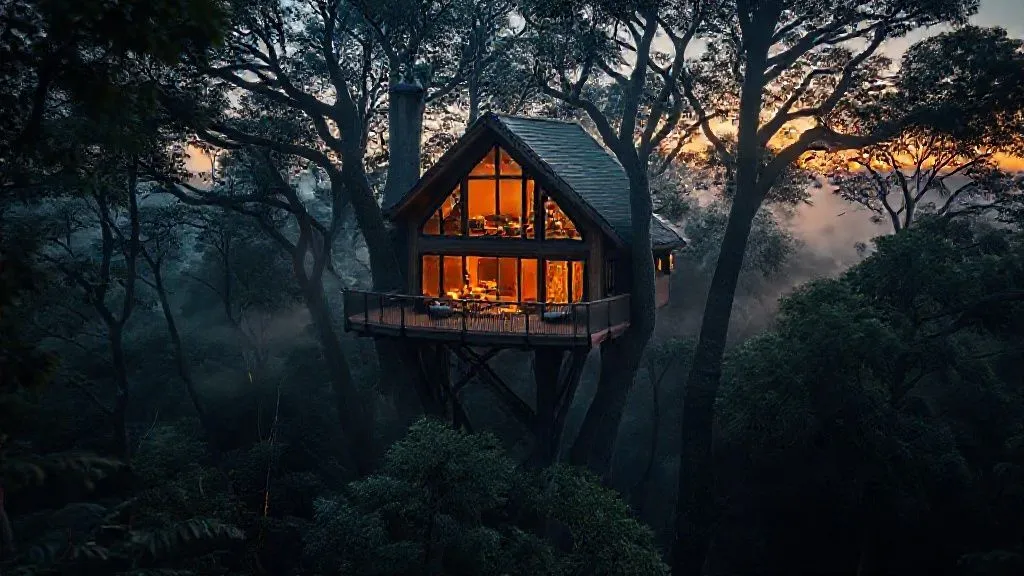
Imagine yourself nestled in a warm, inviting cabin, surrounded by a pristine blanket of snow. The fire crackles merrily, casting dancing shadows on the walls, while the wind howls softly outside. Is this just a dream? Not anymore!
Many people believe that glamping is only for the summer months. But what if you could experience the magic of the outdoors in the heart of winter, without sacrificing comfort and warmth? The question is: how do you make cozy cabin glamping a reality when the temperature drops?
This guide will provide you with all the essential tips and tricks for creating the perfect cozy cabin glamping experience in cold weather. From choosing the right cabin and packing the appropriate gear to staying warm and enjoying winter activities, you'll discover everything you need to know for an unforgettable winter escape.
Choosing the Perfect Cozy Cabin for Winter Glamping
The foundation of any successful cold weather glamping trip is selecting the right cabin. Here's what to look for:
Location, Location, Location
Consider the cabin's proximity to winter activities like skiing, snowboarding, or snowshoeing. Also, ensure easy access in case of heavy snowfall. A remote location is great, but accessibility is key. Check road conditions and accessibility during winter months. For example, some cabins might require a 4x4 vehicle or snow chains to reach safely.
Essential Amenities
- Heating: A reliable heating system is non-negotiable. Look for cabins with a wood-burning stove, fireplace, or central heating.
- Insulation: Proper insulation will keep the cabin warm and prevent drafts. Check reviews or ask the owner about the cabin's insulation quality.
- Hot Water: A hot shower or bath is a must after a day in the cold. Ensure the cabin has a reliable hot water supply.
- Kitchen Facilities: Having a kitchen allows you to prepare warm meals and drinks, adding to the cozy atmosphere.
Size and Layout
Choose a cabin that comfortably accommodates your group size. Consider the layout and whether it provides enough space for everyone to relax and move around. A common area with a fireplace is a great addition.
Packing Essentials for Cold Weather Glamping
Packing the right gear is crucial for staying warm and comfortable during your winter glamping adventure.
Clothing
- Base Layers: Moisture-wicking base layers are essential for keeping you dry and warm. Merino wool or synthetic fabrics are excellent choices.
- Insulating Layers: Fleece jackets, down vests, or insulated pants will provide extra warmth.
- Waterproof Outerwear: A waterproof and windproof jacket and pants are essential for protection from the elements.
- Warm Accessories: Don't forget a warm hat, gloves or mittens, and a scarf to protect your extremities.
- Warm Socks: Pack plenty of warm socks, preferably wool or synthetic blends.
Gear
- Sleeping Bag: A sleeping bag rated for temperatures well below freezing is essential for a comfortable night's sleep.
- Sleeping Pad: A sleeping pad provides insulation from the cold ground.
- Headlamp or Flashlight: Essential for navigating around the cabin at night.
- First-Aid Kit: Be prepared for minor injuries with a well-stocked first-aid kit.
Comfort Items
- Books and Games: For entertainment during downtime.
- Cozy Blankets: Extra blankets for snuggling up by the fire.
- Hot Water Bottle: For extra warmth in bed.
Staying Warm and Cozy in Your Cabin
Even with the right cabin and gear, it's important to take extra steps to stay warm and cozy during your winter glamping trip.
Maximize Heating
Utilize the cabin's heating system effectively. If using a wood-burning stove or fireplace, ensure you have enough firewood and know how to operate it safely. Keep the fire burning steadily throughout the day and night. According to the U.S. Energy Information Administration, wood is a renewable resource, but it's important to burn it efficiently and safely [1].
Insulate Windows and Doors
Cover windows with blankets or heavy curtains to prevent heat loss. Use draft stoppers along the bottom of doors to block cold air from entering. You can make your own draft stoppers by filling old socks with rice or beans.
Layer Up
Wear multiple layers of clothing to trap warm air. Avoid cotton, which can retain moisture and make you feel colder. Stick to wool or synthetic fabrics.
Stay Hydrated
Drink plenty of warm fluids, such as tea, coffee, or hot chocolate, to stay hydrated and warm from the inside out.
Eat Warm Meals
Prepare warm and hearty meals, such as soups, stews, or chili, to fuel your body and provide warmth. A slow cooker is a great tool for preparing meals while you're out exploring.
Enjoying Winter Activities Around Your Cabin
One of the best parts of winter glamping is the opportunity to enjoy a variety of outdoor activities.
Snowshoeing
Explore the winter wonderland on snowshoes. Many cabins are located near snowshoeing trails. Snowshoeing is a great way to get exercise and enjoy the scenery. Check local trail conditions before heading out.
Cross-Country Skiing
If you're a skier, consider cross-country skiing. It's a great workout and a fun way to explore the outdoors. Rent skis from a local shop or bring your own.
Building a Snowman or Snow Fort
Embrace your inner child and build a snowman or snow fort. It's a fun activity for all ages. Don't forget to bring carrots for the snowman's nose!
Stargazing
Winter nights are often clear, making them perfect for stargazing. Bundle up and head outside to admire the night sky. Use a stargazing app to identify constellations.
Always be aware of the weather conditions and dress appropriately for outdoor activities. Check local weather forecasts and trail conditions before heading out. The National Weather Service provides reliable weather information [2].
Safety Considerations for Cold Weather Glamping
Safety should always be a top priority when glamping in cold weather.
Carbon Monoxide Safety
Install a carbon monoxide detector in the cabin to protect against carbon monoxide poisoning. Ensure proper ventilation when using wood-burning stoves or fireplaces. Carbon monoxide is a colorless, odorless gas that can be deadly.
Fire Safety
Keep a fire extinguisher readily available and know how to use it. Never leave a fire unattended. Clear away any flammable materials from around the fireplace or stove.
Hypothermia and Frostbite
Be aware of the signs of hypothermia and frostbite, and take steps to prevent them. Dress in layers, stay dry, and seek shelter if you start to feel cold. Hypothermia occurs when your body loses heat faster than it can produce it, while frostbite is the freezing of body tissues.
Wildlife Awareness
Be aware of local wildlife and take precautions to avoid encounters. Store food properly to prevent attracting animals. Never feed wildlife.
Cozy Cabin Ambiance: Creating the Perfect Atmosphere
Enhance your glamping experience by creating a cozy and inviting atmosphere inside your cabin.
Lighting
Use warm, soft lighting to create a relaxing ambiance. String lights, candles (safely!), or lanterns can add a touch of magic. Avoid harsh overhead lighting.
Decor
Bring along some cozy decor items, such as throw pillows, blankets, and rugs. Personalize the space to make it feel like home.
Music
Create a playlist of your favorite relaxing music to set the mood. A portable Bluetooth speaker is a great addition.
Scents
Use scented candles or essential oil diffusers to create a pleasant aroma. Scents like pine, cinnamon, or vanilla can enhance the cozy atmosphere.
Frequently Asked Questions (FAQ)
What is the best way to heat a cabin without electricity? Wood-burning stoves or propane heaters are excellent options. Ensure proper ventilation and follow safety guidelines.
What type of sleeping bag is best for cold weather glamping? A sleeping bag rated for temperatures well below freezing is recommended. Look for a bag with a temperature rating of at least -20°F (-29°C).
How can I prevent my pipes from freezing in a cabin? Keep the heat on, even when you're not there. Insulate exposed pipes and let faucets drip slightly.
What are some fun activities to do inside a cabin during winter? Board games, card games, reading, puzzles, and watching movies are all great options.
How can I keep my phone and other devices charged in a cabin without electricity? Bring a portable power bank or solar charger. Conserve battery life by turning off unnecessary features.
Recommended Reading
- Best Time for Caribbean Ocean Cruises? Unveiling the Perfect Season
- Tuscany's Best Pasta Class for Beginners: The Secret to Authentic Flavors
- Ultimate Guide: Best Winter Sports Photography Settings
- Wellness Travel for Stress: Your Ultimate Unwinding Guide
- Volunteer for Sea Turtles: Your Ultimate Guide to Conservation
Conclusion
Cozy cabin glamping for cold weather? is more than just a trend; it's an opportunity to reconnect with nature, enjoy the serenity of winter, and create lasting memories. By choosing the right cabin, packing the appropriate gear, and taking necessary safety precautions, you can transform a simple getaway into an extraordinary adventure. Embrace the cold, immerse yourself in the beauty of the season, and discover the magic of winter glamping. Now it's time to plan your own unforgettable cozy cabin escape!

Your email address will not be published. Required fields are marked *