


Introduction: How to Avoid Perpetuating Dependency in Local Community Projects?
For over 15 years in the volunteer travel sector, I've had the privilege of witnessing incredible transformations, but also the painful experience of seeing well-intentioned projects inadvertently create more harm than good. It's a paradox many development professionals grapple with: the very act of offering help can sometimes undermine the resilience and self-sufficiency of the communities we aim to support.
This isn't about blaming volunteers or organizations; it's about acknowledging a complex challenge. The insidious cycle of dependency often emerges when external aid overshadows local initiative, leading to a community that waits for the next handout rather than building its own solutions. It’s a disempowering dynamic that strips away dignity and hinders genuine, long-term progress.
In this definitive guide, I'll share actionable frameworks, grounded in years of field experience and best practices, to help you understand and actively prevent this dependency. You’ll learn how to shift from a 'doing for' mindset to a 'doing with' approach, ensuring your efforts truly empower local communities to thrive independently. This isn't just theory; it's about practical, ethical volunteering that leaves a lasting, positive legacy.
Understanding the Roots of Dependency: More Than Just Aid
The journey to truly empowering communities begins with a deep understanding of how dependency takes root. It’s rarely malicious; often, it springs from a desire to help quickly, to alleviate immediate suffering, without fully considering the long-term implications. This 'band-aid' approach, while offering temporary relief, can erode a community's capacity to solve its own problems.
When external resources consistently fill gaps that local ingenuity could address, the incentive for local action diminishes. Communities may come to expect external intervention, rather than developing their own sustainable systems. This shift in mindset is the subtle, yet powerful, beginning of a dependency cycle.
The "White Savior" Complex and Its Manifestations
A significant contributing factor to dependency is what's often termed the 'white savior' complex, though it extends beyond race to any external actor assuming superiority. This manifests as a paternalistic approach where outsiders believe they inherently know what's 'best' for a community, sidelining local knowledge and leadership. It’s about being the hero, rather than the facilitator.
This mindset often leads to projects that are designed and implemented *for* the community, rather than *by* and *with* them. The results are often unsustainable, culturally inappropriate, and ultimately disempowering, as local voices are muted and their agency undermined.
"True empowerment doesn't come from giving people fish, or even teaching them to fish, but from enabling them to own the pond, build the boat, and manage the entire fishing enterprise themselves." – A core principle for sustainable development.
Short-Term Solutions vs. Long-Term Capacity Building
Many projects focus on immediate, tangible outputs – building a school, digging a well, distributing food. While these can be vital, if they aren't part of a larger strategy for long-term capacity building, they can create dependency. A school built by foreigners might lack local teachers or maintenance funds; a well might break down without local repair skills.
The focus must shift to processes that strengthen local institutions, transfer skills, and foster self-reliance. This means investing in training, education, and supporting local governance, rather than just delivering finished products. It's about empowering the community to maintain and expand these assets long after external support has ceased.
Prioritizing Local Ownership and Leadership
The single most critical element in avoiding dependency is ensuring genuine local ownership. This isn't just about token consultation; it's about placing the community at the helm of project design, implementation, and evaluation. When locals feel a true sense of ownership, they are invested in the project's success and sustainability.
I've seen projects flounder when external teams arrive with pre-conceived notions, only to be met with apathy or even resistance. Conversely, projects that emerge from community-identified needs and are led by local champions consistently demonstrate greater resilience and long-term impact. This requires humility and a willingness to step back and listen.
Steps for Genuine Community Engagement from Project Inception
- Active Listening and Participatory Needs Assessment: Before any project concept is finalized, engage in extensive dialogue with various community stakeholders. Conduct workshops, focus groups, and one-on-one interviews to understand their self-identified needs, priorities, and existing resources. Use tools like Participatory Rural Appraisal (PRA) to facilitate this.
- Joint Decision-Making and Co-Creation: Project goals, strategies, and implementation plans must be developed collaboratively. This means sharing power in decision-making, allowing local leaders and community members to shape the project's direction. Their insights into local customs, challenges, and opportunities are invaluable.
- Establishing Local Project Committees: Formally empower a local committee or group to manage the project. This committee should have clear roles, responsibilities, and decision-making authority. Provide training and mentorship to strengthen their leadership and organizational capacity.
- Resource Mobilization from Within: Encourage the community to contribute what they can – labor, materials, local knowledge, or even small financial contributions. This fosters a sense of investment and reduces reliance solely on external funds.
"The best development projects are not those that bring solutions, but those that unlock a community's inherent capacity to find its own." – A lesson learned from countless initiatives.
Fostering Skill Transfer and Capacity Building
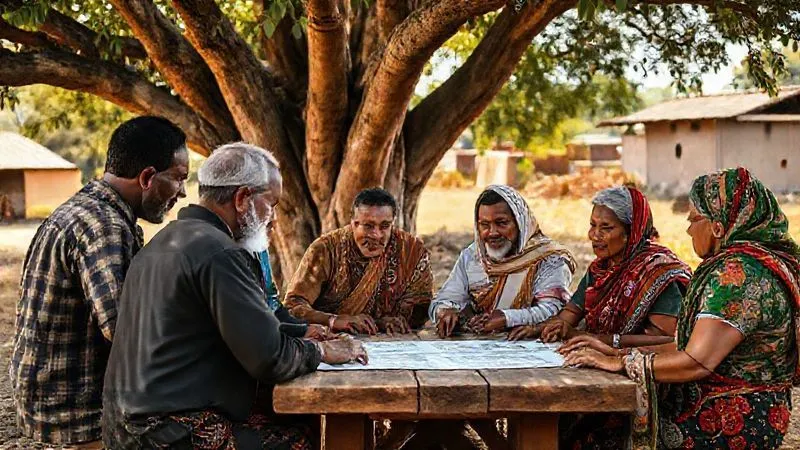
The true measure of a successful volunteer project isn't just what gets built, but what knowledge and skills are left behind. If a project relies solely on external expertise, it creates a vacuum that will inevitably lead to failure once the volunteers depart. Our role as external partners should be to facilitate, educate, and empower, not to permanently replace local capabilities.
Capacity building is about strengthening the ability of individuals, organizations, and communities to perform functions, solve problems, and achieve objectives. It's a long-term investment that ensures the community can sustain and evolve its own development initiatives. This requires a deliberate shift from doing tasks *for* people to teaching them *how* to do it themselves.
Designing Projects for Knowledge Exchange
Every project component should be designed with a clear 'exit strategy' for skill transfer. This means pairing volunteers with local counterparts, creating mentorship opportunities, and structuring activities as training sessions rather than just labor assignments. For example, if building a water system, local technicians should be trained in installation, maintenance, and repair.
- Structured Training Programs: Develop formal or informal training sessions on relevant skills, such as project management, financial literacy, specific trades (e.g., carpentry, plumbing, basic IT), health and hygiene education, or agricultural techniques.
- Peer-to-Peer Learning: Facilitate opportunities for community members to learn from each other, leveraging existing local expertise. Volunteers can act as catalysts, connecting individuals with complementary skills.
- Resource Development: Create accessible educational materials (e.g., manuals, guides, visual aids) in local languages that communities can refer to long after volunteers are gone.
- Technology Transfer: Introduce appropriate and sustainable technologies, ensuring locals are fully trained in their operation and maintenance, and that spare parts or local alternatives are available.
Measuring Success Through Empowerment Metrics
Traditional metrics like 'number of wells built' or 'number of students educated' are important, but they don't capture the essence of capacity building. To truly avoid perpetuating dependency, we need to track indicators of empowerment and self-sufficiency. These metrics focus on the *process* of change, not just the *output*.
According to a Stanford Social Innovation Review article, measuring social impact effectively requires going beyond simple outputs to assess long-term outcomes and systemic change. This means looking at who is leading, who is making decisions, and whose skills are growing.
| Metric | Definition | Target (Initial) | Target (Exit) |
|---|---|---|---|
| Local Project Leadership Rate | Percentage of project decisions made by local committee members. | 40% | 90%+ |
| Skill Transfer Completion | Percentage of local counterparts trained and certified in key project skills. | 25% | 80%+ |
| Community Contribution Ratio | Ratio of local (labor, materials, funds) to external resources for project. | 20:80 | 60:40+ |
| Post-Project Maintenance Autonomy | Percentage of project assets maintained by local teams 1-2 years post-exit. | N/A | 75%+ |
Embracing Sustainable Financial Models and Local Economies
Dependency is often deeply rooted in economic imbalances. When communities rely solely on external funding for their development projects or even basic services, their long-term autonomy is compromised. A responsible approach to volunteer travel and community projects must actively seek to bolster local economies and foster financial independence.
This involves strategic financial planning that prioritizes local resources, cultivates entrepreneurship, and builds robust economic foundations within the community. It's about empowering people to earn a living, manage their finances, and invest in their own futures, rather than being perpetual recipients of aid.
Supporting Local Businesses and Resources
Every dollar spent within a community has the potential to circulate and multiply, strengthening the local economy. Projects should consciously integrate local businesses and resources into their operations wherever possible. This is a direct way to stimulate economic growth and reduce reliance on external supply chains.
- Local Procurement: Purchase materials, supplies, and services from local vendors and suppliers. This could include food for volunteers, construction materials, transportation, or office supplies.
- Local Hiring: Prioritize hiring local staff for project coordination, translation, skilled labor, and administrative roles. Ensure fair wages and provide opportunities for professional development.
- Ethical Tourism Practices: If your project involves volunteer tourism, ensure that local homestays, restaurants, and guides benefit directly from the presence of volunteers. Avoid creating parallel economies that bypass local enterprises.
Micro-financing and Entrepreneurship Initiatives
Beyond direct spending, supporting local entrepreneurship is a powerful tool for economic empowerment. Micro-financing initiatives, when implemented thoughtfully, can provide the capital needed for individuals to start or expand small businesses, creating jobs and fostering self-reliance. This approach aligns with the principles of microfinance as a tool for poverty alleviation.
Projects can facilitate access to micro-loans, provide business training, or connect aspiring entrepreneurs with mentors. The goal is to equip community members with the skills and resources to generate their own income, reducing their dependence on external aid and fostering a vibrant local economy.
The Exit Strategy: Planning for Project Autonomy from Day One
Perhaps the most challenging, yet crucial, aspect of avoiding dependency is the development and implementation of a clear exit strategy. A truly successful project is one that can continue to thrive and evolve without the constant presence of external support. This means planning for handover and local autonomy from the very first day of engagement.
An exit strategy isn't a failure; it's the ultimate success indicator. It signifies that the community has gained the capacity, resources, and confidence to manage its own development. Without a clear plan for withdrawal, projects risk becoming perpetual fixtures, inadvertently fostering the very dependency they sought to alleviate.
Defining Clear Milestones for Handover
The transition to full local ownership should be gradual and well-defined, not abrupt. This requires establishing clear, measurable milestones that track the community's progress towards self-sufficiency. These milestones should be agreed upon collaboratively with local leaders and regularly reviewed.
- Capacity Assessment Benchmarks: Regularly assess the local committee's or organization's capacity in areas like financial management, project planning, resource mobilization, and governance. Set benchmarks for improvement.
- Phased Reduction of External Support: Gradually reduce the level of external funding, personnel, and technical assistance. This encourages the community to fill the gaps with their own resources and initiatives.
- Formal Handover Agreements: Draft clear agreements outlining responsibilities, ownership of assets, and ongoing support (e.g., remote consultation) during the transition phase.
- Sustainability Plans: Ensure the local team has developed and validated its own long-term sustainability plan for the project, including funding sources, maintenance schedules, and future expansion plans.
Post-Project Monitoring and Support
An exit doesn't mean abandonment. Responsible organizations often implement a post-project monitoring phase, offering remote support, periodic check-ins, or access to a network of resources. This provides a safety net while allowing the community to truly lead its own path.
"The ultimate goal of all aid is to make itself unnecessary." – A timeless truth in development work.
Ethical Volunteer Recruitment and Preparation
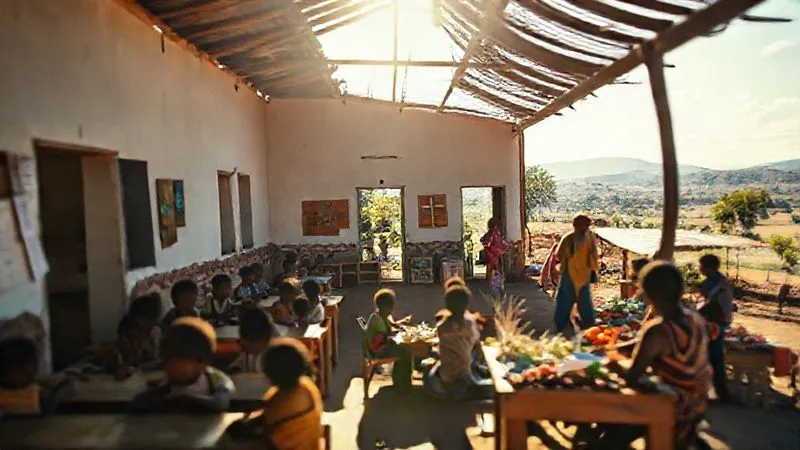
The volunteers themselves are integral to either perpetuating dependency or fostering empowerment. Their mindset, skills, and preparation directly influence the project's long-term impact. Ethical volunteer recruitment goes beyond simply filling spots; it's about finding the right people, with the right motivations, and equipping them with the knowledge to be true partners.
I've witnessed firsthand how ill-prepared volunteers, despite their good intentions, can inadvertently create more work for local staff, disrupt community routines, or even displace local labor. Conversely, well-prepared volunteers can be powerful catalysts for skill transfer and cultural exchange, significantly contributing to sustainable development.
Pre-Departure Education and Cultural Sensitivity Training
Before stepping foot in a host community, volunteers must undergo comprehensive pre-departure training. This training should cover not only logistical details but, crucially, cultural sensitivity, ethical considerations, and the specific dynamics of dependency. Understanding the local context, customs, and power structures is paramount.
- Cultural Immersion: Provide resources and training on local customs, language basics, social etiquette, and historical context to help volunteers integrate respectfully.
- Ethical Volunteering Principles: Educate volunteers on the 'do's and don'ts' of responsible engagement, emphasizing listening over leading, supporting over directing, and humility over heroism.
- Dependency Awareness: Explicitly discuss the risks of perpetuating dependency and provide practical strategies for avoiding it, such as asking 'how can I support?' instead of 'how can I help?'.
Matching Skills to Genuine Community Needs
One of the biggest pitfalls is sending unskilled volunteers to perform tasks that skilled local labor could, or should, be doing. This can strip away local employment opportunities and undermine the perceived value of local expertise. Ethical recruitment focuses on matching a volunteer's genuine skills to a community's identified gaps, not creating roles for volunteers.
For instance, if a community needs help with financial literacy, a volunteer with a background in accounting or business management would be invaluable. If a school needs painting, consider whether local painters are available and could benefit from the work, or if the project can provide training to local community members in painting techniques. Always ask: 'Is this a task that genuinely requires external, specialized skills, or can it be done by, or taught to, a local?' The Responsible Travel guidelines for volunteering offer excellent insights into this.
Case Study: From Aid Dependency to Community-Led Flourishing
How the "Hope Village Initiative" Transformed Its Approach
The Hope Village Initiative, operating in a remote region of Southeast Asia, initially focused on providing direct aid: food distribution, emergency shelter, and building basic infrastructure with external labor. While well-intentioned, after five years, the community of Ban Mae still struggled with high unemployment, limited local leadership, and a pervasive expectation of external support for every challenge.
Recognizing this troubling pattern, the Hope Village Initiative underwent a radical shift. They paused all direct aid and convened extensive community dialogues. Instead of asking 'What do you need?', they asked, 'What challenges do you face, what resources do you have, and how do you envision solving them?'. This led to the formation of the Ban Mae Community Development Council (BMCDC), a locally elected body.
The Initiative then transitioned to a purely facilitative role. They provided training to the BMCDC in project management, grant writing, and financial oversight. Instead of building a new school, they offered technical advice and partial seed funding for the BMCDC to manage the construction, utilizing local carpenters and masons, and developing a community fund for future maintenance. Volunteers, previously builders, became mentors, offering workshops on sustainable agriculture and small business development, always paired with local apprentices.
The results were transformative. Within three years, the BMCDC successfully secured funding from a regional government agency, launched a community-owned eco-tourism venture providing jobs, and established a local savings and loan cooperative. The school, built by the community, was maintained with local funds. The Hope Village Initiative gradually phased out its presence, leaving behind a self-reliant, empowered community. This success story, though fictional, embodies the principles outlined by organizations like the USAID Local Capacity Development Policy.
Navigating Challenges: When Things Don't Go to Plan
Even with the best intentions and meticulous planning, community projects are inherently complex and rarely unfold perfectly. Cultural misunderstandings, unexpected political shifts, natural disasters, or simply human error can derail even the most well-designed initiatives. The ability to adapt, learn, and persevere is crucial in avoiding dependency.
I've learned that true expertise isn't about having all the answers, but about knowing how to navigate the inevitable challenges with grace, resilience, and an unwavering commitment to the community's best interests. This often means being humble enough to admit mistakes and flexible enough to pivot when necessary, always keeping the goal of empowerment in sight.
Adaptability and Continuous Feedback Loops
Rigid project plans are often doomed in dynamic community settings. Instead, foster an environment of continuous learning and adaptation. Regularly solicit feedback from community members, local partners, and volunteers. Use this feedback to make informed adjustments to project activities, timelines, and strategies.
- Regular Review Meetings: Schedule frequent, participatory review meetings with the local committee to discuss progress, challenges, and lessons learned.
- Monitoring and Evaluation (M&E) Systems: Implement simple, locally managed M&E systems that track both project outputs and, crucially, indicators of capacity building and empowerment.
- Flexibility in Funding: Where possible, advocate for flexible funding models that allow for adjustments based on evolving community needs and unforeseen circumstances.
Conflict Resolution and Cultural Misunderstandings
Working across cultures inevitably leads to misunderstandings or even conflicts. It's essential to have mechanisms in place for respectful dialogue and resolution. Ignoring these issues can erode trust and jeopardize the entire project, pushing communities back towards external reliance.
Encourage open communication, provide cultural mediators if necessary, and ensure that all parties feel heard and respected. Remember that what might seem like a minor issue to an outsider could have significant cultural implications, impacting the community's trust and willingness to engage.
"The path to empowerment is rarely straight; it’s a winding road of learning, adapting, and relentless commitment to shared vision." – A guiding principle for resilient development.
Frequently Asked Questions (FAQ)
Q: How can I, as an individual volunteer, ensure I'm not perpetuating dependency? A: Focus on skill transfer, not just task completion. Ask 'How can I support you in doing this?' rather than 'Let me do this for you.' Prioritize listening, learning, and amplifying local voices. Be a mentor, not a savior. Ensure your presence doesn't displace local labor and always respect local leadership and customs.
Q: What are the key indicators that a community project is truly sustainable? A: Key indicators include: the project continuing to operate effectively after external support has ended; local leaders making independent decisions and mobilizing resources; the community adapting and evolving the project to meet new needs; and a noticeable increase in local skills and self-reliance related to the project's focus. Financial independence and local ownership are paramount.
Q: Is it ever okay to provide direct financial aid? If so, when and how? A: Direct financial aid can be appropriate in genuine emergency situations (e.g., natural disaster relief). In non-emergency contexts, it's generally best to avoid direct handouts. If financial support is necessary for a project, it should be provided as part of a structured, jointly managed fund, with clear accountability, capacity-building components (e.g., financial literacy training), and a plan for reducing reliance on external funds over time. Prioritize micro-loans or seed funding for local enterprises over grants.
Q: How do we balance urgent needs with long-term capacity building? A: This is a constant challenge. The best approach integrates both. Address urgent needs in a way that simultaneously builds local capacity. For example, providing emergency food aid can be paired with training in sustainable farming practices or food preservation. Building a temporary shelter can involve training local construction workers. Always look for opportunities to embed skill transfer and local leadership, even in crisis response.
Q: What role does cultural sensitivity play in avoiding dependency? A: Cultural sensitivity is foundational. Lack of it can lead to projects that are inappropriate, rejected by the community, or that inadvertently undermine local social structures. Understanding local decision-making processes, communication styles, and values ensures that interventions are respectful, relevant, and more likely to be embraced and sustained by the community itself, fostering genuine partnership rather than a top-down imposition.
Key Takeaways and Final Thoughts
Avoiding the perpetuation of dependency in local community projects is not merely an ethical ideal; it is the cornerstone of truly effective and sustainable development. It requires a profound shift in mindset, moving away from a 'doing for' mentality towards genuine partnership and empowerment. Our ultimate goal should be to make ourselves obsolete, leaving behind communities that are stronger, more resilient, and fully capable of charting their own futures.
- Prioritize Local Ownership: Ensure projects are conceived, designed, and led by the community from the outset.
- Focus on Capacity Building: Embed skill transfer and knowledge exchange into every aspect of the project.
- Foster Economic Self-Reliance: Support local businesses, procurement, and entrepreneurial initiatives.
- Plan for a Clear Exit: Develop a robust exit strategy with measurable milestones for local autonomy.
- Recruit Ethically: Prepare volunteers with cultural sensitivity and match their skills to genuine needs.
- Embrace Adaptability: Be prepared to learn, adjust, and resolve conflicts with humility and respect.
The journey of responsible volunteering and community development is complex, but immensely rewarding. By committing to these principles, we can move beyond simply 'helping' to truly empowering, fostering a future where communities flourish through their own strength and ingenuity. This is the real legacy we should all aspire to leave. For further resources and ethical guidelines, consider exploring organizations like GlobalGiving's learning resources.
Recommended Reading
- Unlocking Global Adventures: Your Ultimate Guide to Accessible Travel Insurance for Disabled Tourists
- Unlock the Secret: Secure Very Cheap Accommodation for a Month!
- Top 5 Luxury Cruise Lines for Corporate Retreats with Stellar Wi-Fi?
- Nature Therapy ROI: 7 Steps to Justify Corporate Wellness Investment
- Uncover the Overlooked Essentials You Need for Your Next Road Trip Adventure




Your email address will not be published. Required fields are marked *