

Uncover the Overlooked Essentials You Need for Your Next Road Trip
Imagine this: You're miles from civilization, the sun dips below the horizon, and suddenly, a minor inconvenience spirals into a major headache because of one tiny, forgotten item. Perhaps it's a dead phone battery with no charger, a mysterious rattle from under the hood, or an unexpected chill that cuts through your unprepared layers. Road trips are synonymous with freedom and adventure, but the open road can also present unforeseen challenges that turn dreams into dilemmas.
The common packing lists cover the basics: clothes, toiletries, maps (or GPS), and snacks. But what about the truly overlooked essentials? The items you don't think about until you desperately need them? These are the silent heroes of a successful journey, the unsung items that transform a potential disaster into a minor blip, or simply elevate your comfort from acceptable to exceptional.
This comprehensive guide will delve deep into the often-missed yet crucial items and preparations that can make or break your road trip. From advanced safety measures and unexpected comfort enhancers to smart digital solutions and critical vehicle checks, you'll learn exactly what overlooked essentials do I need for road trip to ensure a smooth, enjoyable, and unforgettable adventure. Prepare to pack smarter, travel safer, and truly savor every mile.
Beyond the Obvious: Advanced Emergency & Safety Gear
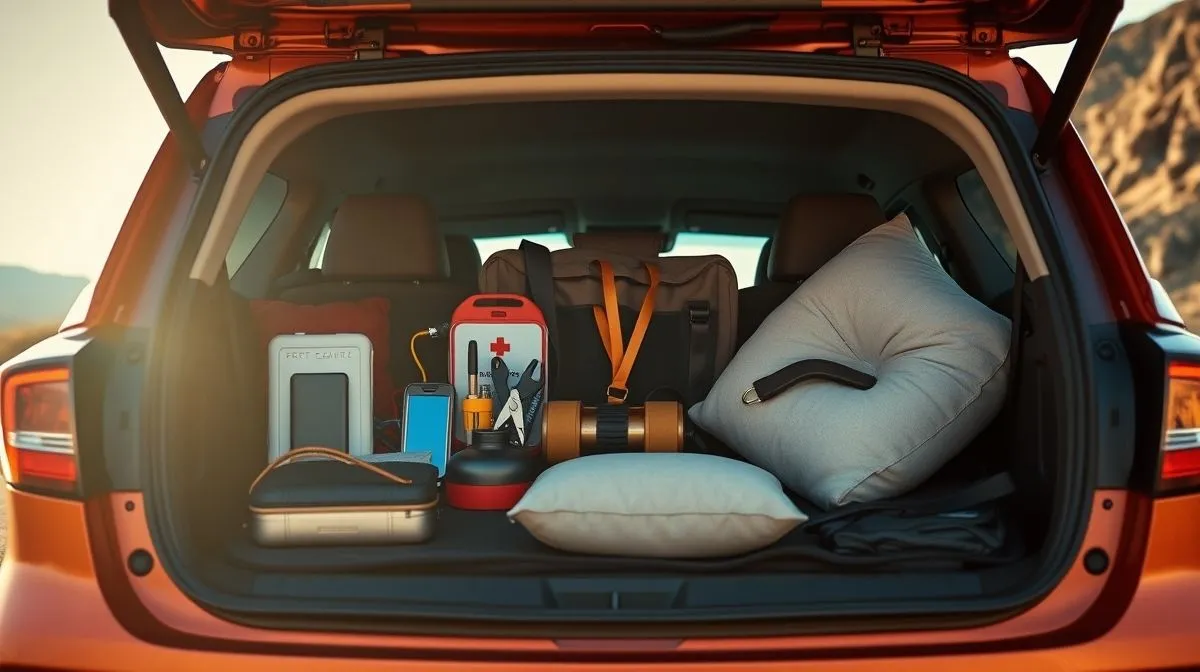
While most travelers remember a basic first-aid kit, the true preparedness enthusiast goes a step further. Roadside emergencies can range from a flat tire to a more serious breakdown, often occurring in remote areas where help is not immediate. Having the right tools can make all the difference, providing peace of mind and self-sufficiency.
Vehicle-Specific Emergency Tools
- Portable Air Compressor: A slow leak can quickly become a flat. A compact compressor allows you to re-inflate a tire temporarily to reach the nearest service station, saving you from a full tire change on the shoulder of a busy highway.
- Tire Plug Kit: For small punctures, a plug kit can be a lifesaver, offering a quick, temporary repair. It's not a permanent fix, but it can get you out of a bind.
- Jumper Cables (Heavy Duty): Standard cables might not cut it for modern, larger vehicles. Invest in high-gauge cables, or even a portable jump starter pack for ultimate independence.
- Basic Tool Kit: Include a multi-tool, duct tape, zip ties, a wrench, and screwdrivers. These can help with minor repairs, securing loose parts, or even opening stubborn packaging.
Personal Safety & Visibility
- Reflective Triangle/Flares: Essential for visibility if you break down on the side of the road, especially at night or in adverse weather. They alert oncoming traffic to your presence.
- High-Visibility Vest: Wearing one while working on your vehicle on the roadside significantly increases your safety, making you more visible to passing drivers.
- Emergency Whistle: For attracting attention if you're in distress and cell service is unavailable.
- Fire Extinguisher (Small Automotive): A small, easily accessible extinguisher can prevent a minor engine fire from becoming a catastrophic event.
According to AAA, roadside assistance calls often surge during peak travel seasons, underscoring the importance of self-reliance for common issues like flat tires and dead batteries. Being prepared not only saves time but can also mitigate dangerous situations. Learn more about common roadside issues from AAA.
The Digital Nomad's Toolkit: Connectivity & Charging Solutions
In our hyper-connected world, losing power or signal can feel like being stranded on an island. While it's tempting to disconnect on a road trip, having reliable power and connectivity for navigation, emergencies, or even just entertainment is paramount. These aren't just conveniences; they're often necessities.
Powering Your Devices
- High-Capacity Power Bank: Not just for phones, but for tablets, e-readers, and cameras. A power bank with multiple ports and a large capacity (20,000mAh+) is ideal for charging multiple devices or sustaining one for days.
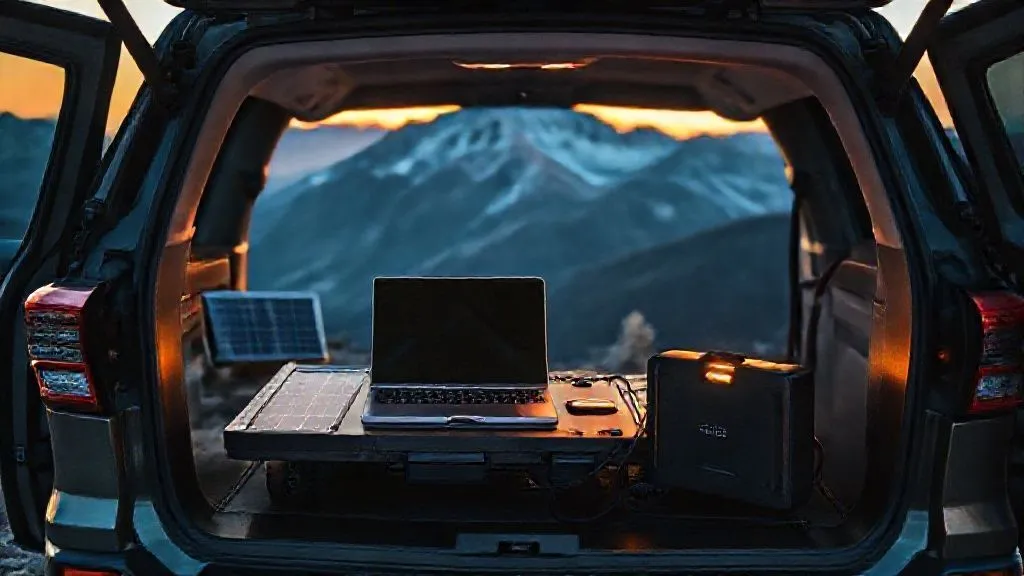
- Car Power Inverter: Converts your car's DC power to AC, allowing you to plug in laptops, small appliances, or even charge drone batteries. Choose one with enough wattage for your needs.
- Multi-Port USB Car Charger: Essential for charging multiple phones, tablets, or other USB-powered devices simultaneously, preventing arguments over who gets to charge their device next.
- All Necessary Charging Cables (and Spares): It sounds obvious, but forgetting a specific cable (e.g., for a camera or a niche gadget) can be frustrating. Pack spares for your most critical devices.
Staying Connected (or Finding Your Way)
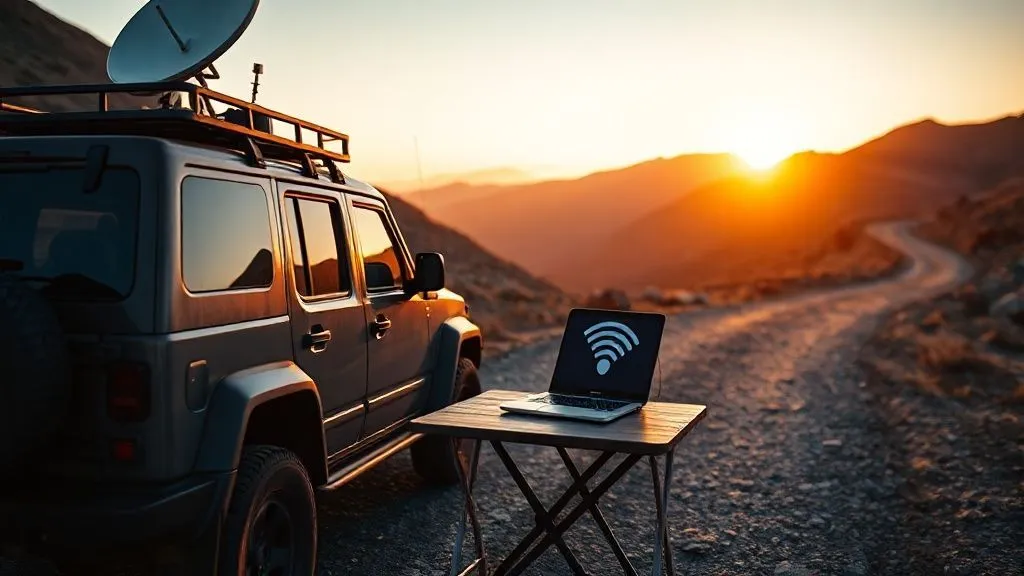
- Portable Wi-Fi Hotspot: If your phone plan doesn't offer robust hotspot capabilities or you're traveling with multiple people, a dedicated hotspot ensures consistent internet access for everyone, especially in areas with spotty cell service.
- Offline Maps: Download maps for your entire route on your phone or GPS device before you leave. GPS signals can be unreliable in remote areas, and cell service can disappear without warning. Google Maps and Apple Maps both offer offline map features.
- Dash Cam: While primarily for safety and insurance purposes, a dash cam can also capture incredible scenic footage, making it a dual-purpose overlooked essential.
Ensuring you have consistent power and access to navigation can alleviate significant stress, allowing you to focus on the journey itself. It's about preparedness for both pleasure and potential problems.
Wellness on Wheels: Health & Hygiene Necessities
Long hours in a car, varying climates, and irregular schedules can take a toll on your body. Beyond a basic first-aid kit, there are several often-forgotten items that contribute significantly to your comfort, health, and overall well-being on the road. Prioritizing these can prevent minor discomforts from escalating into major issues.
Personal Health & Comfort
- Personal Medication & Copies of Prescriptions: Always carry more than you think you'll need, especially for prescription medications. A copy of your prescription can be invaluable if you need a refill while far from home.
- Motion Sickness Remedies: Even if you don't usually get car sick, long, winding roads or reading in the car can trigger it. Pack anti-nausea medication or ginger chews.
- Sunscreen & Lip Balm with SPF: Prolonged sun exposure through car windows can lead to sunburn, even on cloudy days. Protect your skin and lips.
- Eye Drops: Dry air in the car or long hours of driving can cause eye strain and dryness.
- Hand Sanitizer & Wet Wipes: Essential for quick clean-ups, especially before eating or after touching gas pumps and public surfaces.
- Travel-Sized Toiletries & Dry Shampoo: For quick freshen-ups at rest stops or when camping. Dry shampoo is a godsend for extending time between washes.
Maintaining Hygiene & Cleanliness
- Small Trash Bags: To keep your car tidy and contain any waste until you find a proper disposal bin.
- Microfiber Towels: Multi-purpose for spills, drying hands, or even a quick wipe-down of surfaces. They dry quickly and are compact.
- Seat Covers (Temporary): Especially if you're traveling with pets, kids, or plan on getting dirty during outdoor activities. They protect your car's upholstery.
The Centers for Disease Control and Prevention (CDC) provides extensive guidelines on staying healthy while traveling, emphasizing hygiene and preparedness for common ailments. Consult CDC travel health recommendations here.
Culinary Comforts: Smart Snacking and Hydration
While roadside diners and fast food are part of the road trip experience, relying solely on them can lead to unhealthy eating, budget overruns, and limited options, especially in rural areas. Preparing smart snacks and maintaining hydration are often overlooked aspects that significantly impact energy levels and overall enjoyment.
Strategic Snacking
- Non-Perishable, High-Energy Snacks: Think nuts, dried fruit, granola bars, jerky, and protein bars. These provide sustained energy without needing refrigeration.
- Reusable Water Bottles & Gallon Jugs: Staying hydrated is crucial. Refillable bottles reduce waste, and a gallon jug ensures you have backup water for drinking or emergencies.
- Portable Cooler with Ice Packs: For perishable items like sandwiches, cheese sticks, yogurt, and fresh fruit. This allows for healthier meal options and cost savings.
- Reusable Cutlery & Plates: Reduce waste from single-use plastics and make it easier to enjoy packed meals.
- Small Spice Kit/Condiments: If you plan on camping or cooking, a small kit with salt, pepper, and your favorite sauces can elevate simple meals.
Coffee & Beverage Solutions
- Travel Coffee Mug: Keep your beverages hot or cold for hours.
- Portable Coffee Maker (Optional): For serious coffee enthusiasts, a small AeroPress or French press with pre-ground coffee can provide a superior brew to gas station options.
Planning your food and drink strategy not only keeps you energized and healthier but also allows for more spontaneous stops in scenic areas, transforming a mere drive into a gourmet picnic.
Navigating the Unexpected: Documentation & Contingency Plans
While we hope for smooth sailing, unexpected events—from minor detours to serious emergencies—can arise. Having critical documents readily accessible and a clear contingency plan can prevent stressful situations from becoming crises. These are the logistical overlooked essentials that provide a safety net.
Crucial Documents (Physical & Digital Copies)
- Driver's License & Vehicle Registration: Always keep these updated and accessible.
- Proof of Insurance: Both car insurance and health insurance cards.
- Emergency Contacts List: A physical list of family, friends, and doctors, in case your phone is lost or dead.
- Roadside Assistance Membership Card: If you have AAA or another service, keep the card handy.
- Vehicle Manual: Essential for understanding warning lights or performing basic troubleshooting.
- Copies of Reservations: Hotel, campsite, or activity bookings.
- Physical Maps: A backup to your GPS, especially for remote areas. Even a state map can be invaluable for understanding the bigger picture of your route.
Financial & Communication Contingencies
- Diversified Payment Methods: Don't rely solely on one credit card. Carry a secondary card and some cash for tolls, small purchases, or emergencies where cards aren't accepted.
- List of Important Phone Numbers: Including your bank's fraud department, credit card companies, and insurance providers, in case your cards are lost or stolen.
- Small Notepad & Pen: For jotting down directions, contact info, or observations.
Having these documents and plans in place ensures that you're prepared for any administrative or financial hurdle, allowing you to focus on resolving the issue rather than scrambling for information. The U.S. Department of State offers comprehensive travel checklists, many principles of which apply to domestic road trips.
Entertainment & Engagement: Keeping Spirits High
Long stretches of highway can lead to boredom, especially for passengers. While beautiful scenery is often entertainment enough, having a backup plan for keeping minds engaged and spirits high is an often-overlooked aspect of a successful road trip, preventing arguments and ensuring a more harmonious journey.
Audio & Visual Entertainment
- Downloaded Music, Podcasts & Audiobooks: Don't rely on streaming, as cellular service can be spotty. Create diverse playlists and download hours of audio content in advance.
- Portable Speaker: For listening to music outside the car, at a picnic spot, or campsite.
- Tablets/E-readers with Downloaded Content: Movies, TV shows, and books for passengers, especially children, during long stretches or at rest stops.
- Headphones (Noise-Canceling): For individual listening, providing personal space, or blocking out road noise.
Interactive & Analog Fun
- Travel Games: Compact card games, magnetic board games, or classic road trip games (e.g., I Spy, 20 Questions) can provide hours of entertainment without screens.
- Sketchbook/Journal & Pens/Pencils: For creative expression, documenting memories, or simply doodling.
- Binoculars: For spotting wildlife, distant landmarks, or simply appreciating the landscape more closely.
- Guidebooks & Local Maps: To learn about the areas you're passing through, identify points of interest, or plan spontaneous detours.
Engaging activities not only pass the time but can also foster shared experiences and create lasting memories, transforming dead air into lively conversation and laughter.
Vehicle Preparedness: Pre-Trip Checks You Can't Skip
While not an item to pack, a thorough pre-trip vehicle inspection is arguably the most critical overlooked essential. Many travelers simply fill the tank and go, but a few simple checks can prevent breakdowns, ensure safety, and save significant time and money on the road.
Essential Vehicle Checks
- Tires (Including Spare): Check tire pressure (including the spare), tread depth, and for any signs of wear or damage. Proper inflation improves fuel efficiency and safety.
- Fluid Levels: Engine oil, coolant, brake fluid, power steering fluid, and windshield washer fluid. Top up or change as needed.
- Lights & Wipers: Ensure all headlights, taillights, turn signals, and brake lights are working. Check wiper blades for effectiveness and fill the washer fluid reservoir.
- Brakes: Listen for any unusual sounds and check brake pedal feel. If in doubt, have them inspected by a professional.
- Battery: Check terminals for corrosion and ensure the battery is securely mounted. If your battery is old, consider having it tested.
- Belts & Hoses: Look for cracks, fraying, or bulges. These can lead to serious issues if they fail.
- Air Filter: A dirty air filter can reduce fuel efficiency and engine performance.
Emergency Kit for the Car Itself
- Full-Size Spare Tire (if applicable) & Jack: Ensure you know how to use them.
- Tire Pressure Gauge: A reliable one for accurate readings.
- Gallon of Water: Not just for drinking, but for an overheating engine or cleaning.
- Roll of Paper Towels: For spills, checking dipsticks, or general clean-up.
Investing a few hours in these checks before you leave can prevent days of delays and costly repairs on the road. It's the ultimate proactive measure for a stress-free journey.
Comfort & Convenience: Small Luxuries, Big Impact
Beyond survival and functionality, there are small, often overlooked items that significantly enhance comfort and convenience, transforming a good road trip into a great one. These are the thoughtful additions that make the journey feel less like travel and more like an extension of home.
Enhancing Your Personal Space
- Travel Pillow & Blanket: A comfortable neck pillow and a soft, compact blanket can make napping in the car or staying warm during cool evenings much more pleasant.
- Eye Mask & Earplugs: Essential for light sleepers or when trying to rest in noisy environments (e.g., busy rest stops).
- Comfortable Footwear: Easy-on, easy-off shoes or slippers for comfort during long drives and quick stops.
- Small Fan (Battery-Operated): For personal cooling, especially if your car's AC isn't strong or you're camping.
Organizational & Practical Aids
- Car Organizer/Seat Back Organizer: Keeps essentials like snacks, drinks, tissues, and charging cables within easy reach and prevents clutter.
- Headlamp/Flashlight (with extra batteries): Far more practical than a phone flashlight for hands-free illumination, especially at night for roadside checks or finding things in the trunk.
- Small Laundry Bag: To separate dirty clothes from clean ones, keeping your luggage fresh.
- Reusable Shopping Bags: Handy for groceries, souvenirs, or carrying items from the car to your accommodation.
- Car Diffuser/Air Freshener: To keep the car smelling fresh, especially on longer journeys.
These seemingly minor additions can collectively elevate your road trip experience, demonstrating that true preparedness extends to every facet of your journey, ensuring you truly enjoy every moment on the open road. These are truly what overlooked essentials do I need for road trip to maximize comfort.
Frequently Asked Questions (FAQ)
What's the single most overlooked essential for a road trip? While many items are forgotten, a portable jump starter or a tire plug kit is often the most overlooked essential that can save you from being stranded in a critical situation. It provides immediate self-sufficiency for common vehicle issues.
How can I pack light but still bring all the essentials? Focus on multi-purpose items (e.g., a multi-tool, microfiber towels), travel-sized toiletries, and clothing that can be layered and mixed-and-matched. Utilize packing cubes to compress clothes and organize small items. Prioritize items that address safety, health, and navigation first.
Should I bring a physical map if I have GPS on my phone? Absolutely. While GPS is convenient, cell service can be unreliable in many remote areas. A physical map serves as a crucial backup, allowing you to navigate even without power or signal. It also provides a broader overview of your route.
What are some non-obvious items for kids on a road trip? For kids, consider a small, personal backpack with their own entertainment (books, small toys), a spill-proof water bottle, a small pillow and blanket, motion sickness bags, and a dedicated trash bag for their area. Headphones are also a must for individual screen time.
Recommended Reading
- Unlock the Secret: Secure Very Cheap Accommodation for a Month!
- Unlock the Secret: How to Prevent Snow from Sticking to Snowshoes Permanently
- Unlock Ancient Worlds: How to Truly Immerse in History at Cultural Sites?
- Uncover Your True Self: The Power of Solo Mindful Trips for Deepening Self-Awareness
- High-Speed Rail Europe: Pro Travel Tips for Seamless Journeys
Conclusion
Embarking on a road trip is an exhilarating experience, a journey of discovery that promises freedom and adventure. However, the success and enjoyment of that journey often hinge not just on the grand plans, but on the meticulous attention to the small, often overlooked essentials. From the advanced emergency tools that offer peace of mind to the thoughtful comfort items that enhance every mile, being truly prepared means anticipating the unexpected and equipping yourself for every eventuality. By integrating these forgotten yet crucial items and adopting a proactive mindset, you transform potential pitfalls into minor detours and elevate your road trip from a mere drive to an unforgettable, seamless adventure. So, pack smart, stay safe, and let the open road unfold its wonders.


Your email address will not be published. Required fields are marked *