

How to Choose Eco-Friendly Beach Activities for Kids?
Have you ever watched your child's eyes light up at the sight of the ocean, only to then worry about the plastic bottle rolling in the waves or the litter on the sand? The beach is a magical classroom and playground, a place where memories are made and imaginations soar. Yet, our precious coastlines face unprecedented threats from pollution and unsustainable practices.
The challenge for modern parents is how to balance endless summer fun with teaching vital lessons about environmental responsibility. How can we ensure our children enjoy the beach to its fullest without contributing to its degradation? This dilemma often leaves families searching for ways to combine recreation with conservation.
This comprehensive guide will equip you with the knowledge and practical strategies to confidently choose eco-friendly beach activities for kids. By the end of this reading, you will learn how to transform a simple beach trip into a powerful lesson in sustainability, creating unforgettable, guilt-free memories while safeguarding our planet for future generations.
Understanding Eco-Friendly Principles for Beach Fun
Before diving into specific activities, it's crucial to grasp the core principles that define eco-friendly beach practices. These aren't just rules; they are a mindset that encourages respect for nature and minimizes human impact on delicate coastal ecosystems. Embracing these principles ensures that fun doesn't come at the expense of the environment.
What Does "Eco-Friendly" Mean at the Beach?
At its heart, being eco-friendly at the beach means acting in a way that preserves the natural environment and its inhabitants. It involves reducing waste, conserving resources, and avoiding harm to marine life and coastal habitats. This approach extends to the products we use, the activities we engage in, and the lessons we impart.
- Minimizing Waste: Focusing on reusable items and avoiding single-use plastics.
- Protecting Wildlife: Ensuring activities do not disturb or harm marine animals or their habitats.
- Conserving Resources: Being mindful of water usage and energy consumption, even in small ways.
- Supporting Sustainability: Choosing products and practices that have a minimal environmental footprint.
The Importance of Sustainable Beach Practices
Our oceans are vital for life on Earth, producing much of the oxygen we breathe and regulating global climate. Unfortunately, they are under immense pressure from human activities. Practicing sustainability at the beach directly contributes to the health of these critical ecosystems.
Educating children about these practices instills a lifelong sense of responsibility and stewardship. According to a study published by the National Oceanic and Atmospheric Administration (NOAA), marine debris, particularly plastics, poses a significant threat to marine ecosystems globally. Teaching kids to be part of the solution is more important than ever. You can learn more about marine debris efforts at NOAA's Marine Debris Program.
Choosing the Right Gear: Eco-Conscious Beach Essentials
The items we bring to the beach can significantly impact our environmental footprint. Making thoughtful choices about beach gear is a fundamental step in ensuring your family's outing is truly eco-friendly. Smart selections can reduce waste and prevent harmful chemicals from entering the ocean.
Reusable vs. Disposable: A Critical Choice
One of the easiest ways to be eco-friendly is to swap disposable items for reusable alternatives. This simple change dramatically cuts down on the amount of waste generated during a beach trip. It also teaches children the value of long-term thinking and resourcefulness.
- Water Bottles: Ditch plastic bottles for reusable stainless steel or glass containers.
- Snack Containers: Pack snacks in bento boxes or reusable silicone bags instead of single-use plastic wraps.
- Bags: Bring large, sturdy canvas or mesh bags for towels, toys, and any collected treasures.
- Utensils: Carry a small set of reusable cutlery from home for picnics.
Non-Toxic and Biodegradable Options
Beyond reusability, consider the materials your beach essentials are made from. Many conventional products contain chemicals that can be harmful to marine life once they enter the water. Opting for non-toxic and biodegradable options is a proactive way to protect the ocean.
When selecting sunscreen, look for mineral-based formulas that are reef-safe, avoiding oxybenzone and octinoxate, which are known to harm coral reefs. Choose beach toys made from sustainable materials like recycled plastic, bamboo, or natural rubber. Even beach towels can be made from organic cotton or bamboo fibers, offering a more sustainable choice. Prioritize items that will break down naturally or can be recycled at the end of their life cycle, minimizing their lasting impact on the environment.
Engaging Activities That Nurture Environmental Stewardship
The beach offers endless opportunities for fun, but some activities are inherently more eco-friendly and educational than others. By choosing wisely, you can foster a deep appreciation for nature in your children while having a blast. These activities encourage interaction with the environment in a respectful and conservational manner.
Beach Clean-Ups: Making a Direct Impact
Turning a beach clean-up into an engaging activity is a powerful way to teach kids about pollution and personal responsibility. Provide small gloves and a designated bag, and make it a game to see who can find the most unusual piece of litter. This hands-on experience directly benefits the environment and shows children that their actions can make a tangible difference.
Focus on visible debris like plastic bottles, caps, and fishing line. Explain why each item is harmful to marine animals. Many organizations, like the Environmental Protection Agency (EPA), provide resources on how to properly dispose of collected trash and highlight the dangers of marine litter. You can find valuable information on their website at EPA Trash Free Waters program.
Nature Scavenger Hunts: Learning Through Discovery
Create a list of natural items for kids to find, such as a specific type of shell, a smooth pebble, a piece of driftwood, or a feather. Emphasize that nothing living should be disturbed or removed. This activity encourages observation skills and a deeper connection to the natural world without causing harm.
For older children, you can include identifying different types of seaweed or noting bird species. This turns a simple walk into an educational adventure, fostering curiosity about coastal ecosystems. It's an excellent way to teach children about biodiversity and the interconnectedness of nature.
Creative Play with Natural Materials
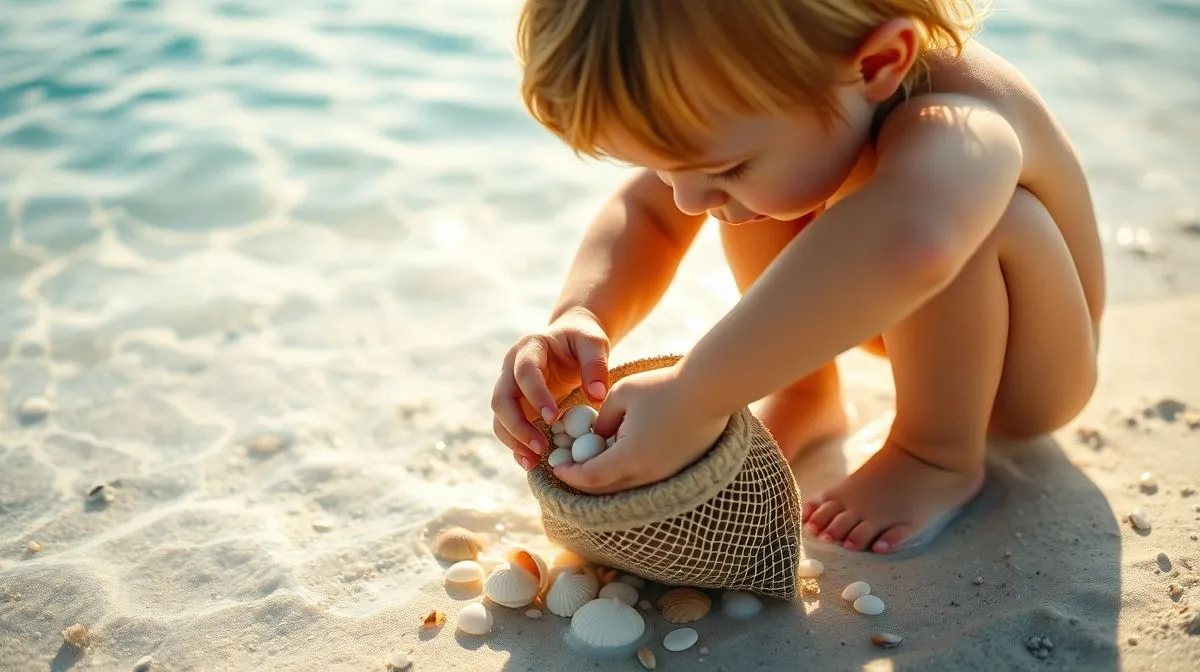
Encourage building sandcastles with natural decorations like shells, pebbles, and seaweed, rather than relying on plastic toys. Bring buckets and spades made from recycled plastic or sustainable wood. You can also create natural art using beach finds, arranging them into patterns or pictures on the sand.
This type of play sparks creativity and resourcefulness, showing children that fun doesn't require manufactured items. It also helps children develop fine motor skills and an understanding of natural textures and forms. Always remember to leave natural items on the beach after playtime, returning them to their environment.
Beyond Play: Integrating Education and Awareness
An eco-friendly beach trip is more than just avoiding harm; it's about fostering understanding and empathy for the marine environment. Integrating educational moments into your beach day can leave a lasting impression on young minds, shaping them into future environmental advocates.
Marine Life Observation and Respect
Teach children how to observe marine life from a distance without disturbing it. Discuss tide pools and the small creatures that live within them, explaining their importance to the ecosystem. Use a simple guide to identify fish, crabs, or birds. Emphasize that these creatures are in their natural home and should not be touched or removed.
For example, explain that starfish are delicate and cannot survive long out of water, or that disturbing nesting birds can prevent them from raising their young. This practice instills a deep respect for wildlife and its habitats, which is crucial for conservation. Encourage quiet observation and drawing what they see.
Storytelling and Discussion about Ocean Health
While enjoying the beach, engage children in conversations about ocean health. Tell stories about marine animals impacted by pollution, or discuss how simple actions like picking up litter can help them. Use age-appropriate language to explain concepts like plastic pollution, climate change, and coral bleaching.
These discussions can be powerful teaching moments, connecting their beach experience to broader environmental issues. For instance, you might talk about how sea turtles mistake plastic bags for jellyfish, or how healthy oceans provide us with the air we breathe. These conversations make abstract concepts relatable and encourage critical thinking about our shared planet.
Avoiding Common Pitfalls: Mistakes to Steer Clear Of
Even with the best intentions, it's easy to inadvertently cause harm to the beach environment. Being aware of common mistakes can help families minimize their impact and ensure their eco-friendly efforts are truly effective. Vigilance and education are key to responsible beach visits.
Overlooking Hidden Plastics
Many beachgoers focus on obvious trash, but tiny plastic fragments, known as microplastics, are a pervasive problem. These are often overlooked but are highly damaging. Educate your children about these small dangers and encourage them to look for them during clean-ups.
Microplastics come from the breakdown of larger plastic items, microbeads in cosmetics, and synthetic clothing fibers. They are ingested by marine life and can enter the food chain. Emphasize the importance of preventing plastics from reaching the ocean in the first place, by reducing consumption and proper disposal. A report by the Pew Charitable Trusts and SYSTEMIQ highlighted the scale of the plastic pollution problem and potential solutions, emphasizing the importance of preventing plastic waste at its source. You can find their comprehensive report, "Breaking the Plastic Wave," through environmental research organizations.
Disturbing Wildlife and Habitats
It's tempting to get close to marine animals or collect unique shells, but this can be detrimental. Disturbing nesting birds, touching sea turtles, or taking live shells can disrupt delicate ecosystems. Teach children to admire wildlife from a distance and leave natural items as they found them.
Even walking on sand dunes can damage fragile plant life that helps prevent erosion. Stick to marked paths and designated beach access points. Respecting these boundaries ensures that habitats remain undisturbed, allowing nature to thrive without human interference.
Ignoring Local Regulations
Beaches often have specific rules regarding fires, fishing, pet access, and prohibited items. These regulations are in place to protect the local environment and ensure public safety. Always check local signage or websites before your visit.
Adhering to these rules is a fundamental part of being an eco-friendly visitor. For example, some beaches prohibit bonfires to protect nesting sea turtles or restrict pet access to protect sensitive bird breeding grounds. Following these guidelines demonstrates respect for the local ecosystem and community efforts to preserve it.
Planning Your Eco-Adventure: Practical Tips for Parents
Successful eco-friendly beach trips require a bit of foresight and preparation. By integrating these practical tips, you can ensure your family's outing is enjoyable, educational, and genuinely sustainable. These small steps make a big difference in the long run.
Pre-Trip Preparation
Before heading out, involve your kids in packing eco-friendly essentials. This includes reusable water bottles, snack containers, and a bag for any trash you might collect. Discuss the day's plans and the eco-friendly principles you'll be following. This preparation sets a positive tone and reinforces good habits.
Check the weather forecast and pack appropriate clothing, including sun protection like hats and rash guards to reduce the need for excessive sunscreen. Plan your meals and snacks to minimize packaging waste. A little planning goes a long way in ensuring a smooth and sustainable beach day.
Leading by Example
Children learn best by observing. Your actions at the beach will be their most impactful lesson in environmental stewardship. Consistently demonstrate responsible behavior, such as picking up any litter you see (even if it's not yours) and properly disposing of your own waste.
Show enthusiasm for eco-friendly activities like beach clean-ups and nature observation. Your genuine commitment to protecting the environment will inspire your children to adopt similar values. Be a role model for respect, mindfulness, and care for our planet.
Making it Fun and Engaging
The key to successful eco-friendly beach activities for kids is to make them enjoyable and not feel like chores. Frame clean-ups as a treasure hunt for "bad guys" (litter), or turn nature observation into a detective game. Keep activities varied and age-appropriate to maintain their interest.
Celebrate their efforts and discoveries, reinforcing the positive impact they are having. Remember, the goal is to foster a love for the ocean and a desire to protect it, not to create a rigid set of rules. Fun and engagement are the most effective tools for instilling lasting environmental values.
Frequently Asked Questions (FAQ)
What are some simple eco-friendly beach activities for toddlers? For toddlers, focus on simple, sensory activities like building sandcastles with natural elements (shells, pebbles), gentle beach clean-ups (with supervision, using gloves), and observing sea creatures from a safe distance.
How can I teach my kids about marine pollution without scaring them? Focus on solutions and positive actions. Explain that while pollution is a problem, we can all be part of the solution. Emphasize the good deeds, like picking up litter or using reusable items, and how these actions help animals.
Are all sunscreens bad for marine life? No, not all sunscreens are harmful. Look for "reef-safe" sunscreens that use mineral blockers like zinc oxide and titanium dioxide, and specifically avoid ingredients like oxybenzone and octinoxate, which are toxic to coral reefs and marine life.
What should I do if my child finds an injured animal on the beach? Do not touch or approach the animal. Instead, contact local wildlife rescue organizations, lifeguards, or park rangers immediately. Teach your child the importance of getting help from professionals.
Can we take shells or sand from the beach? It's generally best to leave natural elements like shells and sand on the beach. They are part of the ecosystem and provide homes or resources for other creatures. Some beaches also have regulations against removal to protect their natural state.
Recommended Reading
- Unlocking the Style Secrets: What to Wear to a Fancy Rooftop Bar in a City Break?
- Best Cruise for Toddlers with Food Allergies: Safe Sailing Guide
- Best Short-Term Volunteer Abroad Projects: Make a Real Impact!
- Uncover Your True Self: The Power of Solo Mindful Trips for Deepening Self-Awareness
- Unlock Europe: The Ultimate Guide to Interrail Travel Days Explained
Conclusion
Choosing eco-friendly beach activities for kids is more than just a trend; it's an essential step towards nurturing a generation of environmentally conscious citizens. By embracing sustainable practices, opting for eco-conscious gear, and transforming playtime into educational experiences, we empower our children to become stewards of our planet's precious coastal ecosystems. Every mindful choice, from the reusable water bottle to the respectful observation of marine life, contributes to a healthier ocean and a brighter future. Let's make every beach trip an opportunity to connect with nature, learn, and protect the world our children will inherit.




Your email address will not be published. Required fields are marked *