

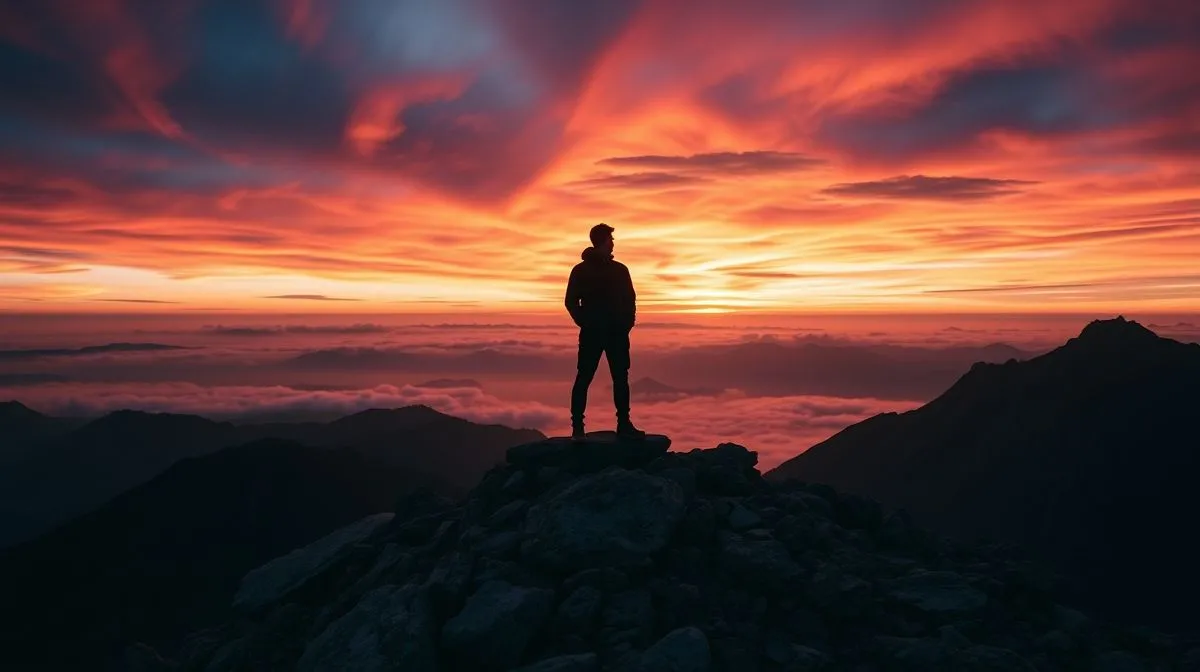
Unlocking Your Inner World: Deepening Self-Awareness Through Solo Mindful Trips
Have you ever wondered if the key to truly understanding yourself lies not in external validation or constant connection, but in profound solitude and intentional presence? The modern world, with its relentless demands and distractions, often pulls us away from our inner landscape, leaving us feeling disconnected from our true selves. But what if the answer to this pervasive disconnect, and the path to deepening self-awareness through solo mindful trips, was simpler, yet more profound than we imagine?
Many of us navigate life on autopilot, reacting to external stimuli rather than responding from a place of inner knowing. We might feel a vague sense of unease or a persistent question about our purpose, yet the constant noise of daily life makes it difficult to hear the whispers of our own intuition. The challenge isn't a lack of desire for self-understanding, but a lack of dedicated space and time to cultivate it.
This article will guide you through the transformative potential of embarking on a solo mindful trip. You will learn what constitutes such a journey, why it's uniquely effective for personal growth, how to plan and execute your own adventure, and practical exercises to maximize your insights. By the end, you'll have a clear roadmap to embark on your own powerful journey of self-discovery.
What Exactly Are Solo Mindful Trips?
A solo mindful trip is far more than just a vacation taken alone; it's a deliberate journey undertaken with the specific intention of fostering self-awareness and inner connection. It's about stepping away from your routine environment and the people who define you, to create a crucible for introspection and personal growth.
More Than Just a Vacation
Unlike a typical holiday focused on sightseeing or relaxation, a solo mindful trip prioritizes inner exploration. The destination becomes a backdrop for internal work, not the sole focus. It's about the journey within, facilitated by the quietude and novelty of a new external setting.
- Intentionality: Every aspect of the trip, from planning to daily activities, is geared towards self-reflection.
- Presence: A strong emphasis on being fully present in each moment, rather than rushing through experiences.
- Solitude: Embracing alone time as an opportunity for deep introspection, rather than avoiding it.
- Growth: Viewing challenges and discomfort as catalysts for learning and expansion.
The Pillars of a Mindful Journey
Several core principles underpin a truly mindful solo trip, ensuring it serves its purpose of enhancing self-awareness. These pillars create a framework for profound personal engagement.
- Disconnection from the Familiar: This involves not just physical removal from your home environment, but also a conscious effort to reduce digital distractions and social obligations.
- Engagement with the Present Moment: Practicing mindfulness in everyday activities, whether it's eating, walking, or simply observing your surroundings. This can involve formal meditation or informal awareness practices.
- Openness to Experience: Approaching new situations, emotions, and thoughts with curiosity and non-judgment. This allows for genuine learning and adaptation.
- Radical Self-Responsibility: Recognizing that you are solely responsible for your experiences, reactions, and well-being on the trip. This fosters independence and resilience.
Why Solo Travel Accelerates Self-Awareness
The act of traveling alone, coupled with a mindful approach, creates a unique environment for accelerated self-discovery. It strips away layers of external influence, forcing you to confront your authentic self.
Escaping the Echo Chamber
In our daily lives, we are constantly influenced by the expectations, opinions, and habits of others. Friends, family, and colleagues often reinforce existing narratives about who we are. Solo travel provides a much-needed escape from this echo chamber.
- Without the constant feedback of others, you are free to explore your own thoughts and feelings without external validation or judgment.
- You make all decisions independently, from where to eat to what activities to pursue, which strengthens your inner compass.
- This independence reveals your true preferences, strengths, and weaknesses, unclouded by social pressures.
Confronting Inner Dialogues
When external distractions are minimized, the internal world becomes louder. This can initially be uncomfortable, but it's precisely where profound self-awareness begins. You are forced to listen to your own thoughts, fears, and desires.
As noted by psychologists, solitude can lead to increased self-reflection and a deeper understanding of one's inner landscape. It's an opportunity to engage in a conversation with yourself, addressing long-ignored questions or emotions. This process is crucial for understanding your motivations and patterns.
Embracing Discomfort and Growth
Solo travel inevitably presents moments of discomfort – whether it's navigating an unfamiliar city, dealing with loneliness, or overcoming an unexpected challenge. These moments are not obstacles but opportunities for growth.
When you successfully navigate these situations on your own, you build immense confidence and resilience. You learn that you are capable of handling whatever comes your way, fostering a profound sense of self-reliance. This growth directly contributes to a more robust and authentic sense of self-awareness.
Planning Your Transformative Solo Mindful Trip
A successful solo mindful trip requires thoughtful preparation, not just for logistics, but for cultivating the right mindset. It's about setting the stage for introspection.
Choosing Your Destination Wisely
The ideal destination for a solo mindful trip is one that offers a balance of safety, natural beauty, and opportunities for quiet contemplation. Consider places that resonate with your personal goals for the trip.
- Nature Retreats: Mountains, forests, or coastal areas are excellent for disconnecting and finding peace.
- Quiet Towns or Villages: Less bustling than major cities, offering a slower pace of life.
- Spiritual Centers: Some choose retreats or ashrams that provide structured mindfulness practices.
- Avoid overly touristy or party-centric destinations if deep introspection is your primary goal.
Setting Intentions, Not Itineraries
While some planning is necessary, the focus should be on setting clear intentions for your inner journey rather than rigid daily schedules. This allows for flexibility and spontaneity, which are crucial for authentic self-discovery.
Before you leave, ask yourself: What do I hope to learn about myself? What emotions do I want to explore? What habits do I want to cultivate or break? Write these intentions down. This acts as your internal compass, guiding your choices throughout the trip.
Packing for Mindfulness
Your packing list should reflect your intention for a mindful trip. Beyond essentials, consider items that support introspection and well-being.
- A journal and pen for daily reflections.
- A book that inspires contemplation or personal growth.
- Comfortable walking shoes for mindful strolls.
- Minimalist clothing to reduce decision fatigue.
- Any personal meditation tools, if applicable.
- A small first-aid kit and necessary medications.
Remember to pack light, both physically and mentally. The less you carry, the freer you'll feel to explore.
Practices for Deepening Self-Awareness During Your Trip
Once on your solo mindful trip, engaging in specific practices can significantly enhance your journey towards greater self-awareness. These are not just activities, but tools for introspection.
Mindful Walking and Observation
Turn your daily walks into moving meditations. Pay attention to your breath, the sensation of your feet on the ground, and the sights, sounds, and smells around you. This practice anchors you firmly in the present moment.
Instead of rushing, take your time. Observe the intricate details of nature, the faces of strangers, the architecture of buildings. This heightened awareness of your surroundings often mirrors a heightened awareness of your inner landscape. For more on mindful walking, you might refer to resources like Wikipedia's entry on Mindfulness.
Journaling for Clarity
Journaling is perhaps the most powerful tool for processing thoughts and emotions during a solo mindful trip. Dedicate time each day to write freely, without judgment or censorship.
Use prompts like: What am I feeling right now? What insights have I gained today? What challenges did I face, and how did I respond? What am I grateful for? This practice helps to organize your thoughts, identify patterns, and uncover deeper truths about yourself.
Digital Detox and Presence
One of the most crucial elements of a mindful trip is minimizing digital distractions. Put your phone away, limit social media, and resist the urge to constantly document every moment. The goal is to experience, not just to record.
By reducing screen time, you create space for boredom, which often sparks creativity and deeper contemplation. It allows you to be fully present with your experiences, fostering genuine connection with yourself and your environment.
Engaging with Local Culture Mindfully
While the trip is about internal focus, engaging respectfully with the local culture can provide profound external insights. This is not about being a tourist, but a respectful observer and participant.
- Try local foods with an open mind.
- Learn a few phrases of the local language.
- Visit local markets or community spaces.
- Observe daily life without judgment.
These interactions, even brief ones, can broaden your perspective and challenge your assumptions, contributing to a more expansive self-awareness.
Overcoming Challenges on Your Solo Journey
Even the most well-planned solo mindful trip will present challenges. How you navigate these moments is integral to your growth and the deepening of your self-awareness.
Dealing with Loneliness and Fear
It's natural to experience moments of loneliness or fear, especially when you're far from your comfort zone. Instead of resisting these feelings, acknowledge them.
Recognize that loneliness is a feeling, not a permanent state. Explore its roots: Is it boredom? A desire for connection? Use it as an opportunity to practice self-compassion. For safety concerns, ensure you have emergency contacts and understand local emergency procedures. Resources like the U.S. Department of State travel advisories can be helpful for pre-trip planning regarding safety.
Navigating Unexpected Situations
Travel is inherently unpredictable. Flights get delayed, reservations go awry, and unexpected situations arise. Your solo trip is a perfect laboratory for practicing adaptability and problem-solving.
Instead of panicking, take a breath. Assess the situation calmly. What are your options? Who can you ask for help? Each time you successfully navigate an unforeseen challenge, you build confidence in your own capabilities, reinforcing your self-reliance.
Staying Safe and Prepared
While embracing spontaneity, never compromise on safety. Prioritize your well-being so you can fully engage in the mindful aspects of your trip.
- Share your itinerary with a trusted person back home.
- Keep important documents secure and copies separate.
- Be aware of your surroundings, especially at night.
- Trust your intuition; if a situation feels off, remove yourself.
- Have a fully charged phone and a portable charger.
A sense of security allows you to relax into the present moment and focus on your inner work. For general travel health advice, the CDC's Travelers' Health section is a valuable resource.
The Lasting Impact: Integrating Insights Back Home
The true measure of a solo mindful trip's success isn't just the insights gained while away, but how those insights are integrated into your daily life upon return. The journey of self-awareness is continuous.
Sustaining New Habits
You've likely cultivated new routines and perspectives during your trip. The challenge is to maintain them amidst the familiar pressures of home. Schedule time for journaling, mindful walks, or quiet contemplation.
Start small and be consistent. Perhaps it's just 10 minutes of silent reflection each morning. By consciously integrating these practices, you ensure that the benefits of your solo mindful trip extend far beyond the travel dates, becoming a permanent part of your lifestyle.
Sharing Your Transformation (Wisely)
You might feel eager to share your profound experiences and newfound self-awareness with friends and family. While sharing is good, choose your audience wisely.
Not everyone will understand the depth of your journey, and trying to explain it to those who don't resonate can be frustrating. Share with those who are genuinely curious and supportive. Most importantly, live the changes you've embraced; your actions will speak louder than words.
The Continuous Journey of Self-Discovery
A solo mindful trip is not a one-time fix for self-awareness; it's a powerful catalyst. Self-awareness is a lifelong pursuit, an ongoing process of learning and evolving. View your trip as a significant chapter in your personal narrative, not the final page.
Consider making solo mindful trips a regular practice, perhaps annually or bi-annually. Each journey can build upon the last, offering new layers of insight and understanding. The world is vast, but the inner world is even vaster, always waiting to be explored.
Frequently Asked Questions (FAQ)
How long should a solo mindful trip be? The ideal duration varies, but a minimum of 5-7 days allows for true disconnection and initial introspection. Two weeks or more can facilitate deeper insights and habit formation.
Is it safe for women to travel solo for self-awareness? Absolutely. With proper planning, research, and adherence to safety guidelines, solo female travel can be incredibly empowering. Choose destinations known for safety and trust your instincts.
Do I need to meditate to have a mindful trip? While formal meditation is a powerful tool, it's not strictly necessary. Mindfulness is about being present and aware. Mindful walking, journaling, quiet observation, and conscious eating are all forms of mindfulness.
What if I get lonely or scared during my trip? These feelings are normal. Acknowledge them without judgment. Remind yourself of your intentions. Carry a comfort item, call a trusted friend (briefly), or engage in a distracting but mindful activity like reading or drawing. Remember, facing these emotions builds resilience.
Can a solo mindful trip help with anxiety or stress? For many, yes. By disconnecting from stressors, practicing presence, and gaining self-awareness, solo mindful trips can significantly reduce anxiety and stress. However, if you have severe mental health conditions, consult a professional before embarking on such a trip.
Recommended Reading
- The Ultimate Guide: How to Ensure Authentic Farm-to-Table Dining Experiences
- Unlock Winter Fun: Your Guide to Non-Skiing Destinations
- Modern Marvels: Your Guide to the Best Architecture City Breaks Europe
- Wide Feet? The Best Rock Climbing Shoes for Beginners Revealed!
- High-Speed Rail Europe: Pro Travel Tips for Seamless Journeys
Conclusion
The journey of deepening self-awareness through solo mindful trips is not merely a vacation; it's an investment in your most important relationship: the one with yourself. By intentionally stepping out of your comfort zone and into solitude, you create a fertile ground for profound introspection, personal growth, and a clearer understanding of who you truly are.
From choosing your destination with purpose to embracing the quiet moments of reflection, every aspect of a solo mindful trip contributes to a richer inner life. The challenges faced become stepping stones, and the insights gained become guiding lights. Embrace the call of your inner world, pack your bags with intention, and embark on the most transformative journey of your life. Your authentic self awaits.



Your email address will not be published. Required fields are marked *