

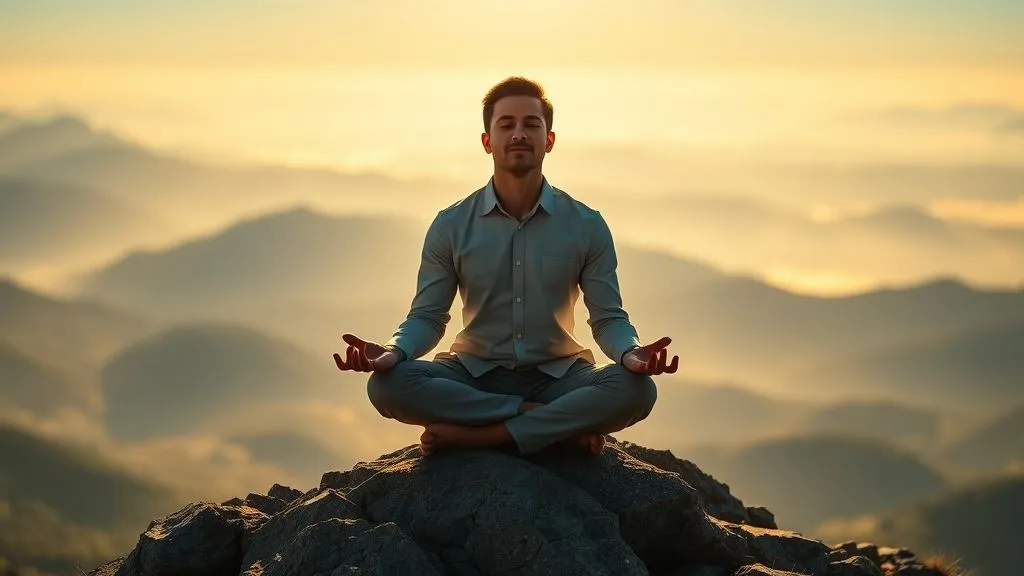
How to Choose Meditation Getaways to Prevent Professional Burnout?
For over 15 years, I've dedicated my career to the realm of wellness travel, guiding countless individuals toward profound rejuvenation. What I've observed time and again, particularly among high-achieving professionals, is a silent epidemic: burnout. It’s not merely stress; it’s a deep, pervasive depletion that erodes passion, productivity, and personal well-being, often leading to a profound sense of disillusionment.
Many of us push through, believing ‘more effort’ is the answer, or that a typical vacation will suffice. However, traditional breaks often fall short, failing to address the root causes of professional exhaustion. They might offer a temporary reprieve, but the underlying patterns that lead to burnout remain intact, waiting to resurface the moment you return to your desk.
This comprehensive guide is designed to be your expert compass. I’ll walk you through a proven framework, born from years of industry insight and personal experience, on **how to choose meditation getaways to prevent professional burnout**. You'll gain actionable strategies, backed by real-world examples and expert insights, to select a retreat that doesn't just offer an escape, but a genuine pathway to sustainable recovery and renewed purpose.
Understanding Professional Burnout: More Than Just Stress
Before we can effectively address burnout, we must truly understand its nature. It's a state of emotional, physical, and mental exhaustion caused by prolonged or excessive stress. Unlike general stress, which can be short-lived and even motivating, burnout is insidious, creeping into every facet of your life and leaving you feeling overwhelmed, drained, and unable to meet constant demands.
The World Health Organization (WHO) officially recognized burnout as an occupational phenomenon in its International Classification of Diseases (ICD-11), characterizing it by three dimensions:
- Feelings of energy depletion or exhaustion.
- Increased mental distance from one’s job, or feelings of negativism or cynicism related to one’s job.
- Reduced professional efficacy.
In my experience, many professionals initially mistake burnout for simple fatigue. They believe a long weekend or a beach holiday will fix it. However, the deep-seated cynicism and reduced efficacy associated with burnout require a more intentional and restorative intervention than a mere change of scenery. It demands a recalibration of mind, body, and spirit, which is precisely where a well-chosen meditation getaway excels.

Defining Your Burnout Profile: What Kind of Retreat Do You Need?
Not all burnout is created equal, and therefore, not all meditation getaways are suitable for every individual. Your first critical step is to honestly assess your current state. Are you experiencing mild exhaustion, or are you on the verge of a complete professional breakdown? Understanding your unique burnout profile is paramount to selecting a retreat that will genuinely serve your needs.
Consider these questions to help clarify your profile:
- Severity: Are you simply tired and needing a refresh, or are you experiencing chronic fatigue, emotional numbness, and a complete loss of motivation?
- Symptoms: Is your burnout primarily physical (insomnia, headaches, digestive issues), emotional (irritability, anxiety, sadness), or cognitive (difficulty concentrating, memory lapses)?
- Triggers: Is it work overload, lack of control, unfair treatment, value conflicts, or a lack of community? Identifying triggers helps in choosing a retreat that offers tools to address them.
- Desired Outcome: Do you primarily seek deep rest, emotional processing, skill-building (e.g., mindfulness techniques), or a complete life re-evaluation?
For instance, someone with mild exhaustion might benefit from a gentle, restorative yoga and meditation retreat in nature. Conversely, an individual grappling with severe emotional numbness and cynicism might require a more structured, therapeutically-oriented retreat with strong psychological support and silent periods for deep introspection. This initial self-assessment is the bedrock of a successful retreat choice.
The Spectrum of Meditation Getaways: From Silent Retreats to Active Wellness
The term ‘meditation getaway’ is incredibly broad, encompassing a wide array of experiences. Understanding this spectrum is crucial for matching your burnout profile with the right environment and programming. In my extensive travels and consultations, I've categorized these into several key types:
Silent Vipassana or Insight Meditation Retreats
These are often intensive, highly structured retreats rooted in Buddhist traditions. They emphasize extended periods of silent meditation, often for 10 days or longer, with minimal interaction. The focus is on developing deep awareness of one's mind and body. While profoundly transformative, they can be challenging for those new to meditation or experiencing severe emotional fragility due to burnout, as they offer little external distraction.
Yoga & Meditation Retreats
Perhaps the most popular category, these retreats combine daily yoga practice (often Hatha, Vinyasa, or restorative styles) with guided meditation sessions. They typically offer a balanced schedule of physical activity, mindfulness, healthy food, and some free time. They are excellent for those seeking both physical rejuvenation and mental clarity, providing a gentle entry point into deeper meditative practices.
Mindfulness & Stress Reduction Retreats
Often secular in nature, these getaways focus on practical mindfulness techniques applicable to daily life. They might incorporate elements of Mindfulness-Based Stress Reduction (MBSR) programs, workshops on emotional regulation, and gentle movement. These are ideal for professionals who need concrete tools to manage stress and integrate mindfulness into their demanding work environments.
Spiritual or Contemplative Retreats
These retreats are often rooted in specific spiritual traditions (e.g., Christian contemplative practices, Sufi meditation, indigenous wisdom). They offer an opportunity for deeper spiritual inquiry and connection, often in a community setting. They can be incredibly healing for those whose burnout has a strong existential component, leading to questions about purpose and meaning.
Luxury Wellness & Spa Retreats with Meditation Components
These are high-end retreats that combine luxurious amenities (gourmet healthy food, spa treatments, beautiful accommodations) with meditation, yoga, and other wellness activities. They offer comfort and pampering alongside mindfulness practices. While effective for gentle rejuvenation, ensure the meditation component is substantial and not just an add-on if deep healing is your primary goal.
The choice here hinges on your comfort level, your existing experience with meditation, and the depth of inner work you're prepared to undertake. A critical consideration, which I've seen overlooked countless times, is the intensity. Don't jump into a 10-day silent retreat if you've never meditated before and are on the brink of collapse. Start gently, build your practice, and allow for a gradual unfolding of healing.
7 Essential Criteria for Selecting Your Ideal Burnout-Busting Retreat
Having understood your burnout profile and the spectrum of available retreats, you're now ready to apply a structured approach to selection. This isn't about finding the 'best' retreat universally, but the 'best' retreat for *you*. Here are my 7 essential criteria:
-
1. Program Structure & Philosophy
Dive deep into the retreat's daily schedule and underlying philosophy. Does it resonate with your personal beliefs and needs? Some retreats are very structured, with strict adherence to schedules and rules, while others offer more flexibility. Consider the specific meditation techniques taught (e.g., Vipassana, Zen, Transcendental Meditation, secular mindfulness). Are there other complementary activities like yoga, breathwork, workshops, or therapeutic sessions?
For someone battling professional burnout, a program that includes elements of mindful movement, stress-reduction techniques, and perhaps even workshops on setting boundaries or emotional intelligence can be incredibly beneficial. Avoid programs that feel overly rigid if you're seeking gentle restoration, or too unstructured if you need clear guidance.
-
2. Location & Environment
The physical setting plays a profound role in healing. Do you thrive in serene natural environments like mountains, forests, or by the ocean? Or do you prefer a more contained, quiet sanctuary away from external stimuli? Consider accessibility – a remote location might be ideal for a true digital detox, but if travel itself adds stress, a closer option might be better.
A retreat nestled in nature, away from urban noise and digital distractions, can significantly amplify the restorative process. The natural world offers an inherent calming effect that supports mindfulness and introspection. Ensure the environment promotes a sense of safety and tranquility.
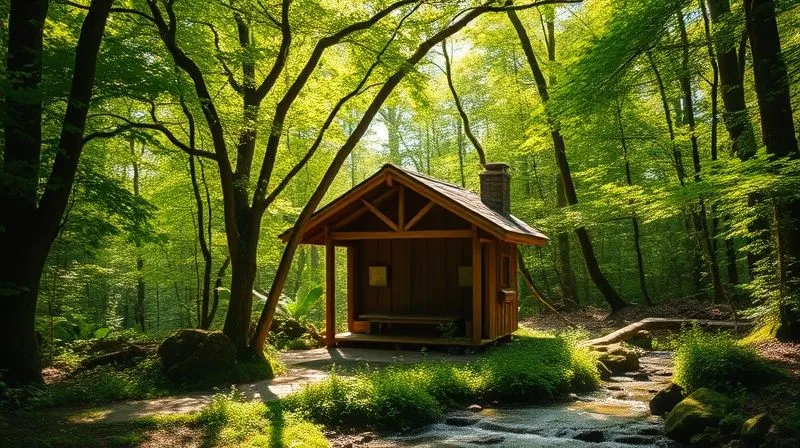
A tranquil, secluded meditation hut nestled in a lush, vibrant green forest, with dappled sunlight filtering through the canopy. A gentle stream flows nearby, and the air feels still and peaceful. Photorealistic, professional photography, 8K, cinematic lighting, sharp focus, depth of field, shot on a high-end DSLR. -
3. Facilitator Expertise & Support
This is arguably one of the most critical factors. The quality of your experience will largely depend on the wisdom, compassion, and experience of the retreat facilitators. Research their backgrounds, qualifications, and teaching styles. Look for credentials, years of practice, and testimonials. Are they equipped to handle individuals experiencing significant emotional distress?
A good facilitator creates a safe, supportive container for your healing journey. They should be able to guide you through challenging emotional moments with empathy and skill, offering personalized insights rather than generic advice. Don't hesitate to reach out to the retreat center with specific questions about their team's expertise in burnout recovery.
-
4. Comfort Level & Amenities
While some retreats advocate for simplicity and minimal comfort, your state of burnout might require a certain level of physical ease. Consider the accommodation (private vs. shared, en-suite vs. communal bathrooms), food (dietary restrictions, quality, and type of cuisine), and other amenities (heating/cooling, comfortable bedding, access to quiet spaces). For someone profoundly depleted, a certain degree of comfort can prevent additional stress.
However, be wary of overly luxurious offerings that might distract from the core purpose of introspection and healing. The goal is comfort that supports your recovery, not indulgence that deters deep work. A balanced approach is key.
-
5. Duration & Timing
The length of your retreat should align with the severity of your burnout and your practical constraints. Weekend retreats offer a quick reset but might not be enough for deep healing. A 5-7 day retreat is often ideal for a significant shift, allowing time to settle in, engage with practices, and begin processing. Longer retreats (10+ days) are for profound transformation but require a greater commitment.
Timing is also crucial. Can you truly disconnect from work during this period? Choosing a time when your professional responsibilities are manageable will allow you to be fully present and maximize the benefits. Avoid trying to squeeze in a retreat during a peak project phase.
-
6. Cost & Value Proposition
Retreat costs vary wildly. While it’s tempting to choose the cheapest option, remember that you’re investing in your health and future. Evaluate what’s included in the price: accommodation, meals, all programs, one-on-one sessions, post-retreat support? Sometimes a slightly more expensive retreat offers significantly more value in terms of expert guidance and comprehensive programming.
Consider the long-term cost of *not* addressing burnout – diminished productivity, health issues, potential career impact. A well-chosen retreat is an investment, not an expense. Look for transparent pricing and read reviews regarding value for money.
-
7. Post-Retreat Integration Support
A retreat is a powerful experience, but the real work begins when you return to your daily life. Does the retreat offer tools, resources, or a community to support your integration? This might include follow-up online sessions, recommended readings, access to an alumni network, or practical strategies for maintaining mindfulness practices in a busy professional environment.
Without a plan for integration, the benefits of a retreat can quickly dissipate. The best retreats empower you with sustainable practices and a framework to navigate the challenges of your professional life with renewed resilience. This foresight is a hallmark of truly effective wellness interventions.
| Criteria | Key Considerations | Burnout Relevance |
|---|---|---|
| Program Structure | Techniques, schedule, complementary activities | Matches need for guidance vs. self-direction |
| Location & Environment | Nature, accessibility, digital detox potential | Supports mental calm, reduces external triggers |
| Facilitator Expertise | Qualifications, experience, testimonials | Ensures safe, effective guidance through emotional work |
| Comfort & Amenities | Accommodation, food, facilities | Provides necessary physical ease for recovery |
| Duration & Timing | Length, personal/professional availability | Allows sufficient time for deep healing without added stress |
| Cost & Value | Inclusions, transparency, long-term benefit | Investment in health, not just an expense |
| Integration Support | Follow-up, tools, community | Sustains benefits and builds long-term resilience |
Navigating Common Pitfalls: What to Avoid When Choosing a Retreat
Even with a clear framework, pitfalls can emerge. In my years of consulting, I've seen several common mistakes professionals make when seeking a meditation getaway to prevent professional burnout. Avoiding these can significantly enhance your chances of a successful and restorative experience.
Firstly, don't choose solely based on aesthetics or social media hype. A retreat might look stunning on Instagram, but its underlying program and facilitator quality might be lacking. Prioritize substance over superficial appeal. Secondly, avoid the 'quick fix' mentality. Burnout is a complex issue, and while a retreat can be a powerful catalyst for change, it's not a magic bullet. Be realistic about what one retreat can achieve and commit to ongoing self-care.
"The most profound healing doesn't happen in the absence of challenges, but in the presence of unwavering support and intentional practice." – An experienced wellness expert
Another common error is underestimating the need for a digital detox. Many professionals go to a retreat only to find themselves checking emails or social media, negating much of the benefit. Choose a retreat that enforces or strongly encourages digital disconnection. Finally, don't ignore your gut feeling. If something about a retreat doesn't feel right after your research, trust that intuition. It’s your inner wisdom guiding you toward what you truly need.
Case Study: Sarah's Journey from Corporate Chaos to Calm Clarity
Case Study: How Sarah, a Marketing Director, Found Her Way Back from Burnout
Sarah, a 38-year-old marketing director at a high-pressure tech firm, found herself increasingly irritable, insomniac, and dreading Monday mornings. Her creativity, once her greatest asset, had flatlined. She recognized the signs of severe professional burnout after a colleague recommended she read an article on the topic from Harvard Business Review.
Using the framework I've outlined, Sarah first assessed her burnout profile: deep emotional exhaustion, cynicism, and a profound need for mental clarity and emotional regulation tools. She realized a silent Vipassana might be too intense, and a purely luxury spa might lack the depth she needed.
She researched mindfulness-based stress reduction retreats in tranquil, natural settings. She prioritized programs with experienced facilitators known for their empathetic approach and those offering post-retreat integration support. After careful consideration, she chose a seven-day retreat nestled in the Blue Ridge Mountains, which combined daily guided meditation, gentle yoga, workshops on emotional intelligence, and a strict digital detox policy.
During the retreat, Sarah experienced initial resistance and emotional release. However, the consistent practice, the nurturing environment, and the skilled guidance allowed her to process deep-seated stress. She learned practical mindfulness techniques to observe her thoughts and emotions without judgment.
Upon returning to work, Sarah wasn't 'cured' instantly, but she possessed new tools. She implemented a 15-minute daily meditation practice, set clearer boundaries with her team, and delegated more effectively. Her cynicism began to recede, replaced by a renewed sense of purpose and a calmer, more focused approach to her work. Her story is a testament to the power of choosing the *right* meditation getaway to prevent professional burnout.
Preparing for Your Retreat: Maximizing the Benefits
The journey to a successful meditation getaway begins even before you pack your bags. Proper preparation can significantly enhance your experience and ensure you arrive ready to embrace the healing process. Think of it as setting the stage for transformation.
Firstly, inform your work and personal contacts. Set clear expectations about your unavailability. Delegate tasks, set an out-of-office message, and commit to a true digital detox. This means leaving your work phone at home or turning it off completely. As a veteran in this field, I've seen too many individuals sabotage their retreat by constantly checking emails or engaging in work-related calls. True disconnection is vital.
Secondly, set an intention for your retreat. What do you hope to gain? Is it deep rest, clarity, emotional healing, or new coping mechanisms? Having a clear, yet flexible, intention can help focus your mind and guide your experience. However, be open to whatever arises; sometimes the most profound insights are unexpected.
Finally, pack thoughtfully. Most retreats emphasize comfort and simplicity. Bring loose, comfortable clothing suitable for meditation and movement. Consider layers, as temperatures can fluctuate. A journal, a good book (non-work related), and any personal items that bring you comfort (e.g., a favorite tea, a warm shawl) can be helpful. Remember, the goal is to minimize external distractions and maximize internal focus.
Integrating Your Retreat Experience into Daily Professional Life
The true measure of a successful meditation getaway isn't just the peace you find during the retreat, but how effectively you integrate that peace and those practices into your demanding professional life. This is where the long-term prevention of professional burnout truly takes root.
Start small and consistently. Don't try to replicate the retreat schedule immediately. Begin with 5-10 minutes of mindfulness meditation daily. This consistent, small effort builds new neural pathways and reinforces the habits learned. Many find apps like Calm or Headspace helpful for guided meditations. I often recommend my clients explore resources from organizations like Mindful.org for practical tips.
Establish clear boundaries. A significant contributor to burnout is the erosion of personal boundaries between work and life. Use the clarity gained from your retreat to re-evaluate your work habits. This might mean:
- Setting specific 'off-hours' for emails and calls.
- Learning to say 'no' to non-essential tasks.
- Taking regular short breaks throughout the workday for mindful breathing or movement.
- Protecting your weekends for personal rejuvenation.
Seek ongoing support. Consider joining a local meditation group, finding a mindfulness coach, or continuing with therapy if your burnout was severe. Having a support system can provide accountability and help you navigate challenges as they arise. Remember, preventing professional burnout is an ongoing practice, not a one-time event. Embrace these tools and continue to nurture your inner well-being.

Frequently Asked Questions (FAQ)
Q: Is a silent retreat advisable for someone experiencing severe burnout? A: While highly effective for deep introspection, a purely silent retreat can be overwhelming for someone with severe burnout, especially if they are new to meditation or experiencing intense emotional distress. The lack of external distraction might amplify internal turmoil without sufficient coping mechanisms or immediate therapeutic support. I generally recommend starting with a less intensive retreat that offers a balance of guided sessions, gentle activities, and perhaps some facilitated group discussions or one-on-one check-ins. If you're considering a silent retreat, ensure you have a strong personal meditation practice and a stable mental-emotional state before committing.
Q: How can I convince my employer or family that a meditation getaway is necessary for preventing professional burnout? A: Frame it as an investment in your long-term health, productivity, and career longevity. For employers, emphasize that preventing burnout leads to reduced absenteeism, higher engagement, and better decision-making. You could share data on the economic costs of burnout. For family, explain that this time away is crucial for your mental and physical well-being, allowing you to be more present and engaged when you return. Highlight that it's a proactive step to avoid more severe health issues down the line. Present it as a plan, not a plea, demonstrating you've thought through the logistics and benefits. You might even refer to articles from reputable sources like Forbes or the Mayo Clinic.
Q: What if I can't afford a long, expensive meditation retreat? Are there alternatives? A: Absolutely. While dedicated retreats offer an immersive experience, many effective alternatives exist. Look for shorter, local weekend workshops or day retreats. Many community centers, yoga studios, and spiritual organizations offer donation-based or low-cost meditation classes and mini-retreats. Online mindfulness courses, often free or affordable, can also provide structured guidance. Consider a DIY retreat at home or in a nearby natural setting, committing to a digital detox and a schedule of meditation, gentle movement, and reflective journaling. The key is intentional disconnection and dedicated practice, regardless of the budget.
Q: How do I maintain the benefits of a meditation getaway after returning to my demanding work environment? A: Integration is key. Start by establishing a non-negotiable daily meditation practice, even if it's just 5-10 minutes. Implement 'micro-mindfulness' moments throughout your workday – mindful breathing before meetings, walking mindfully to the water cooler, or eating lunch without distractions. Re-evaluate and strengthen your professional boundaries regarding work hours, email responses, and taking breaks. Seek out a supportive community, whether it's a local meditation group or an online forum. Remember, the retreat provided tools; consistent application of those tools will sustain the benefits and build lasting resilience against burnout. Further reading on stress management from reputable organizations can also be helpful, such as resources from the American Psychological Association.
Q: What's the fundamental difference between a meditation retreat and a general wellness spa or resort? A: While both aim for well-being, their primary focus differs significantly. A meditation retreat's core purpose is spiritual or mental development through structured meditation practices, often with a specific lineage or philosophy. The emphasis is on introspection, mindfulness, and inner transformation, usually involving periods of silence, simple accommodations, and healthy but basic food. A wellness spa or resort, conversely, focuses more on physical pampering, relaxation, and external treatments (massages, facials, fitness classes) in a luxurious setting. While many spas now include meditation or yoga, it's often an ancillary offering rather than the central pillar of the experience. For deep burnout prevention, a dedicated meditation getaway provides the necessary depth of internal work.
Key Takeaways and Final Thoughts
Preventing professional burnout is not a luxury; it's a strategic imperative for your well-being, productivity, and long-term career satisfaction. Choosing the right meditation getaway is a powerful, proactive step in this journey, offering a vital opportunity for deep rest, introspection, and the acquisition of sustainable coping mechanisms.
- Understand Your Burnout: Tailor your retreat choice to your specific symptoms and needs.
- Explore the Spectrum: From silent retreats to active wellness, know your options.
- Apply the 7 Criteria: Program, location, facilitators, comfort, duration, cost, and integration support are your guiding stars.
- Prepare and Integrate: Maximize your retreat benefits by disconnecting fully and establishing post-retreat practices.
- Invest in Yourself: See this as a critical investment in your mental, emotional, and professional longevity.
I've seen firsthand the transformative power of a well-chosen meditation getaway. It’s not just about escaping the grind; it’s about rediscovering your inner reserves, reconnecting with your purpose, and building resilience that will serve you long after you return. Trust your intuition, do your research, and take that courageous step towards a more balanced, mindful, and burnout-resistant professional life. Your future self will thank you for it.
Recommended Reading
- The Unanswered Question: Who Pays for Space Tourism's Orbital Debris Cleanup?
- Ultimate Guide: Best Luxury Hotel Amenities for Total Relaxation
- The Ultimate Guide: How to Avoid Baggage Fees on Budget Airlines!
- Dog Sledding Gear: Conquer Sub-Zero Temps Like a Pro!
- Toddler & Deadlines: 7 Pro Strategies for Traveling Parents



Your email address will not be published. Required fields are marked *