

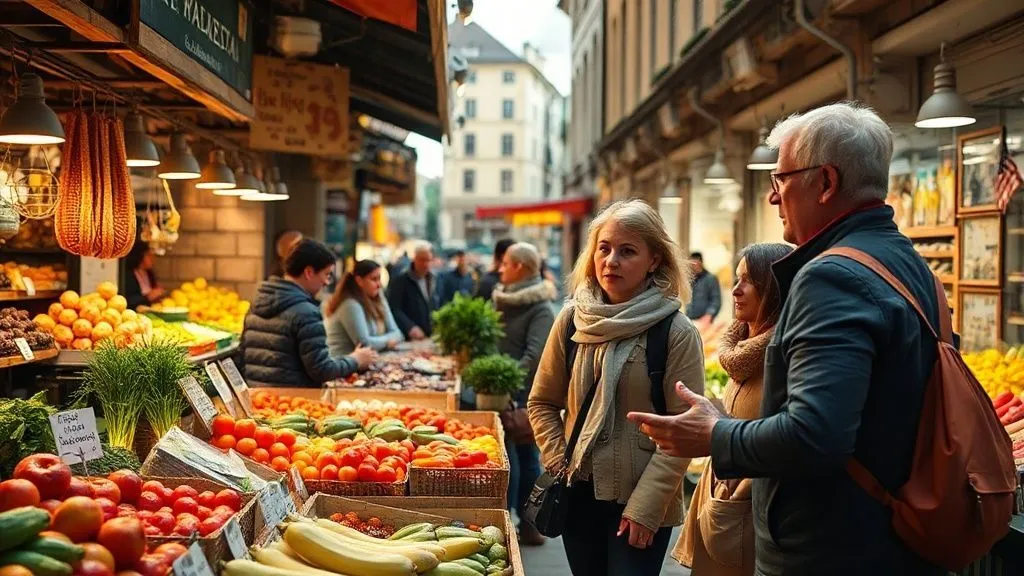
How to craft profitable, authentic city market tours avoiding tourist traps?
For over 15 years in the niche of city breaks and cultural immersion, I've witnessed a disheartening trend: the proliferation of 'market tours' that often feel more like carefully orchestrated performances for tourists than genuine explorations of local life. I’ve seen countless operators fall into the trap of prioritizing volume over value, leading to experiences that leave travelers feeling unfulfilled and, frankly, ripped off.
The problem is clear: in a world saturated with generic travel offerings, discerning travelers are actively seeking authentic connections and real cultural insights. They crave the smell of exotic spices, the sound of local chatter, and the taste of truly regional delicacies, but too often, they end up navigating crowded stalls selling mass-produced souvenirs, guided by individuals who merely scratch the surface of a market's true character. This not only disappoints the traveler but also undermines the long-term profitability and reputation of the tour operator.
But there's a better way. In this definitive guide, I will share the actionable frameworks, real-world case studies, and expert insights I’ve honed over my career to show you precisely how to craft profitable, authentic city market tours avoiding tourist traps. You'll learn how to uncover hidden gems, forge genuine vendor relationships, design captivating narratives, and market your unique offerings to travelers who truly value cultural immersion.
The Imperative of Authenticity: Why Travelers Seek More Than Souvenirs
The modern traveler is evolving. Gone are the days when a checklist of landmarks sufficed. Today, the most valuable currency in travel is authenticity – the feeling of truly experiencing a place as a local would. This shift isn't just a fleeting trend; it's a fundamental change in consumer demand, driven by a desire for deeper connection and meaning in their journeys.
Defining 'Authentic' in a Market Context
What does 'authentic' truly mean when we talk about city markets? It's not about finding a market untouched by tourism; that's often an unrealistic ideal. Instead, it's about finding markets that serve primarily local communities, where the transactions, products, and atmosphere reflect the genuine culture and daily life of the city. It's about:
- Local Patronage: The majority of shoppers are residents, not tourists.
- Indigenous Products: Goods sold are primarily locally sourced, handcrafted, or traditional to the region.
- Cultural Immersion: Opportunities for genuine interaction with vendors and locals, observing daily life.
- Storytelling Potential: Every stall, every product, every person has a story rooted in the community's history and traditions.
"Authenticity in travel isn't the absence of tourists, but the presence of real life. It's about curating access to genuine experiences, not fabricating them." - Industry Veteran Insight
Failing to understand this distinction is the first step towards creating a 'tourist trap.' Your goal isn't to eliminate tourists from a market, but to ensure your tour provides an experience that transcends mere observation, fostering real engagement and understanding.
Masterful Research: Unearthing the Market's True Pulse
The foundation of any authentic market tour lies in meticulous, immersive research. This goes far beyond a quick Google search or reading a few travel blogs. It requires boots on the ground, a keen observational eye, and a willingness to step outside your comfort zone.
In my experience, the best market tours are born from deep, personal exploration. I've spent countless early mornings, pre-dawn even, walking through markets as they awaken, observing the setup, the first deliveries, and the interactions between vendors and early bird locals. This is where you find the true rhythm of a place.
- Immerse, Don't Just Observe: Visit markets multiple times, at different hours and on different days of the week. Engage with vendors, even if it's just a simple 'hello' or a purchase. Sit at a local cafe and simply watch.
- Follow Local Rhythms: Understand market days, seasonal offerings, and local holidays. A market on a Tuesday morning might be entirely different from a Saturday afternoon.
- Seek Out Multi-Generational Vendors: These are often the custodians of tradition and have the richest stories. They're less likely to be selling mass-produced trinkets.
- Understand Local Customs and Etiquette: Learn basic greetings, appropriate bargaining practices (if any), and cultural norms. This shows respect and opens doors.
- Consult Local Experts: Befriend chefs, food historians, local artists, or community leaders. Their insights are invaluable for uncovering truly unique spots.
Case Study: Sofia's Hidden Bazaar Gem
Consider the story of 'Balkan Bites,' a fictional tour company in Sofia, Bulgaria. Their initial market tours focused on the central market hall, which, while impressive, had become increasingly tourist-centric. Profits were stagnant, and reviews often mentioned a lack of 'realness.' The founder, Elena, decided to overhaul her approach. She spent two months exploring lesser-known neighborhoods, waking up at 4 AM to visit small, peripheral markets, and speaking with elderly residents. Her breakthrough came when she discovered a tiny, almost hidden section of a residential market that specialized in artisanal cheeses and preserved goods, run by families for generations. This section was completely off the tourist radar. By integrating this 'hidden gem' into her tour, focusing on the stories of these specific vendors and offering exclusive tastings, Balkan Bites saw a 40% increase in bookings and a significant jump in five-star reviews, all praising the tour's unparalleled authenticity. This resulted in higher per-person revenue and a stronger brand reputation.
Forging Genuine Connections: The Art of Vendor Relations
Once you've identified potential market areas, the next crucial step in how to craft profitable, authentic city market tours avoiding tourist traps is to build strong, respectful relationships with the vendors. These individuals are the heart and soul of the market, and their trust and cooperation are paramount to creating a truly memorable experience for your guests.
I've seen tours fail because guides treated vendors as mere props, rushing through interactions or failing to understand their perspective. This isn't just bad etiquette; it's a missed opportunity for rich storytelling and exclusive access. Think of vendors as your collaborators, not just your suppliers.
- Show Respect and Empathy: Understand their daily grind, their cultural background, and their business needs. A genuine smile and a sincere interest go a long way.
- Fair Compensation: If you're requesting tastings, demonstrations, or dedicated time, ensure you compensate them fairly. This could be a direct payment, purchasing goods, or a combination.
- Long-Term Partnership: Aim for ongoing relationships, not one-off transactions. Regular visits, even when not on a tour, help solidify trust.
- Be a Good Ambassador: Educate your guests on market etiquette, encourage respectful interaction, and ensure your group doesn't disrupt their business.
- Share Their Stories: Learn about their family history, their craft, and their challenges. Weave these narratives into your tour, giving vendors a voice.
According to a study by Harvard Business Review on supplier relationships, strong partnerships lead to innovation, efficiency, and competitive advantage. The same principle applies here; your vendors are your most valuable 'suppliers' of authenticity.
Crafting the Narrative: Designing an Unforgettable Itinerary
An authentic market tour is not a collection of stops; it's a carefully constructed narrative, a journey that engages all five senses and leaves a lasting impression. This is where your research and vendor relationships truly come alive. Your itinerary should tell a story, reveal a culture, and invite participation, moving far beyond a simple walk-through.
Beyond the Checklist: Weaving Thematic Journeys
Instead of just saying, 'Here's the fish stall, here's the spice stall,' consider a thematic approach. Perhaps your tour focuses on 'The Flavors of Ancient Rome,' tracing ingredients used for centuries, or 'Artisanal Crafts: From Raw Material to Masterpiece,' following the journey of a local artisan's work. This contextualizes the market and makes it far more engaging.
| Aspect | Tourist Trap Tour | Authentic Market Tour |
|---|---|---|
| Focus | Iconic landmarks, quick photos | Sensory details, local interaction, storytelling |
| Pacing | Rushed, high volume | Leisurely, deep dives, flexible |
| Engagement | Passive observation | Active participation, tasting, learning |
| Value Proposition | Convenience, basic overview | Cultural immersion, unique insights, lasting memories |
When designing your route, think about the flow. Start with an intriguing introduction, build anticipation, offer sensory peaks (tastings, demonstrations), and conclude with a reflective moment. Incorporate hands-on elements where possible: perhaps a brief lesson on selecting the freshest produce, a quick demo of a traditional craft, or a shared coffee with a local vendor.
Sensory engagement is key. Describe the vibrant colors of the produce, the fragrant aroma of spices, the cacophony of vendor calls, the texture of handmade textiles, and, of course, the taste of local delicacies. This multi-sensory approach deepens the immersion and creates vivid memories.
Strategic Pricing: Valuing Authenticity and Profitability
One of the biggest mistakes I see operators make when striving to offer authentic experiences is underpricing their tours. There's a misconception that 'authentic' must mean 'cheap.' This couldn't be further from the truth. The value you provide – exclusive access, expert insights, genuine interactions, and a meticulously crafted experience – commands a premium. Learning how to craft profitable, authentic city market tours avoiding tourist traps means understanding your worth.
Your pricing strategy should reflect the unique value proposition of your authentic tour, not just the operational costs. Remember, you're selling an experience, a memory, and a connection, not just a service.
- Calculate True Costs Thoroughly: Beyond guide wages, consider vendor compensation, tasting samples, small gifts, marketing costs, insurance, and administrative overhead. Don't forget the significant time invested in research and relationship building.
- Research Competitor Pricing (Authentic vs. Generic): Understand the landscape. If generic tours are €30, your authentic, high-value tour should logically be higher, perhaps €60-€100, depending on inclusions and duration.
- Define Your Target Margin: What profit margin do you need to sustain and grow your business? Work backward from this.
- Emphasize Value, Not Just Cost: In your marketing, clearly articulate what makes your tour special. Highlight the exclusive access, the expert guide, the unique tastings, and the cultural insights. Justify the price by showcasing the unparalleled experience.
- Consider Tiered Pricing: Offer a standard tour and a 'premium' option with even more exclusive access, a private tasting, or a small takeaway gift. This caters to different budgets while maintaining high value across the board.
As marketing guru Seth Godin often says, "Price is a signal." A higher price, when justified by superior value, signals quality and exclusivity, attracting the right kind of discerning traveler. For further insights on value-based pricing, I recommend exploring resources like Forbes' insights on value-based pricing strategies.
Marketing the Unseen: Attracting the Discerning Traveler
You've crafted an incredible, authentic market tour. Now, how do you ensure it reaches the right audience? Generic marketing won't cut it. You need to speak directly to the discerning traveler who values authenticity over mass tourism, the one actively searching for how to craft profitable, authentic city market tours avoiding tourist traps.
I've observed that the most successful authentic tour operators don't just sell a tour; they sell a dream of connection, discovery, and immersion. Your marketing should reflect this narrative, focusing on emotions and experiences rather than just features.
- High-Quality Visual Storytelling: Invest in professional photography and videography that captures the genuine interactions, vibrant colors, and unique moments of your tour. Avoid staged photos. Show real people, real food, real markets.
- Authentic Testimonials: Feature reviews and stories from travelers who genuinely loved the immersive experience. Video testimonials are particularly powerful.
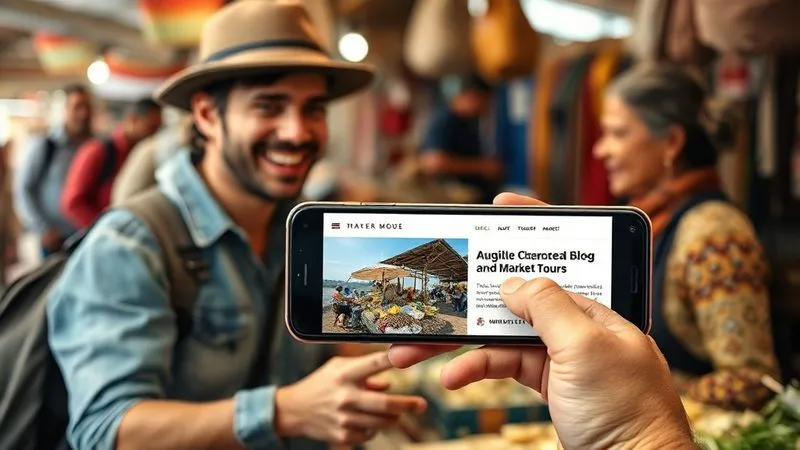
- Niche Travel Blogs and Influencers: Partner with travel writers and micro-influencers whose audience aligns with your target demographic – those interested in cultural immersion, food travel, or sustainable tourism.
- SEO Optimization: Ensure your website and tour descriptions are optimized for long-tail keywords like 'authentic food tours [city name],' 'local market experiences [city name],' or 'cultural immersion tours [city name].'
- Direct Partnerships: Collaborate with boutique hotels, guesthouses, and local businesses that cater to a similar discerning clientele. They can be excellent referral sources.
- Story-Driven Content Marketing: Create blog posts, social media updates, and newsletters that tell the stories of your vendors, the history of the market, or the cultural significance of certain products. This builds anticipation and trust.
The Guide as Storyteller: Elevating the Human Element
Your tour guide is the living embodiment of your tour's authenticity. They are not merely navigators; they are cultural interpreters, storytellers, and facilitators of genuine connection. The quality of your guide can make or break an otherwise perfectly planned itinerary.
I've seen tours transformed from good to extraordinary by a guide who possessed not just knowledge, but also passion, empathy, and the ability to read a group and adapt. Investing in your guides is investing in the core experience you offer.
"A truly great guide doesn't just show you a place; they help you feel it, understand it, and connect with its soul." - Industry Veteran Insight
Key aspects of an exceptional guide for authentic market tours:
- Deep Local Knowledge: Beyond facts, they should understand the nuances of local culture, history, and current events.
- Vendor Relationships: They should have established rapport with market vendors, allowing for smoother interactions and deeper insights.
- Storytelling Prowess: The ability to weave compelling narratives around the market, its products, and its people.
- Empathy and Adaptability: Understanding guest needs, answering questions thoughtfully, and adjusting the pace or focus as needed.
- Passion and Enthusiasm: Their genuine love for the market and their city should be infectious.
- Language Skills: Proficiency in both the local language and the guests' language is often crucial for facilitating interactions.
Training should focus not just on information recall, but on experiential learning, cultural sensitivity, and the art of facilitation. Encourage guides to share personal anecdotes and to empower guests to engage directly. For more on creating exceptional customer experiences, consider insights from experts in service design, such as those found in articles from McKinsey on customer experience.
Sustainable Growth: Preserving the Authenticity You Built
Once you've mastered how to craft profitable, authentic city market tours avoiding tourist traps, the next challenge is growth. Scaling an authentic experience without compromising its core value is a delicate balance. The temptation to expand rapidly can lead to diluting the very authenticity that made your tours successful in the first place.
In my career, I've seen promising businesses collapse under the weight of their own success because they failed to grow sustainably. The key is to expand thoughtfully, always prioritizing the integrity of the experience.
| Growth Strategy | Authenticity Impact | Profitability |
|---|---|---|
| Small Group Expansion | Low, maintains intimacy | Moderate, higher per-person revenue |
| New Market Exploration | High, requires new deep research | High potential, new revenue streams |
| Partnership & Collaboration | Medium, depends on partner alignment | Variable, expanded reach, shared costs |
| Digital Product Integration | Low, complements physical tours | High, scalable, low marginal cost |
Consider the following strategies for sustainable growth:
- Maintain Small Group Sizes: This is crucial for intimate interactions and minimizing disruption in local markets. Resist the urge to pack groups too large.
- Replicate, Don't Mass Produce: If expanding to new markets or adding more tours, ensure the same rigorous research, vendor relationship building, and guide training are applied to each new offering.
- Empower Local Teams: Instead of centralizing all operations, empower local teams with deep knowledge of their specific markets. This fosters localized authenticity.
- Diversify Offerings Thoughtfully: Consider adding complementary experiences like cooking classes using market ingredients, or workshops with artisans, rather than just more market tours.
- Monitor Impact: Regularly assess the impact of your tours on the local community and the market itself. Are you contributing positively? Are you avoiding overcrowding certain vendors or areas?
Sustainable tourism isn't just a buzzword; it's a business imperative for long-term success in the authentic travel niche. For more on this, explore resources from organizations like the UN World Tourism Organization on Sustainable Development.
Frequently Asked Questions (FAQ)
How do I identify a genuinely authentic market versus one that's primarily for tourists? The key is observation and interaction. Look at who is shopping – are they mostly locals with reusable bags, or tourists with cameras? What are they buying – daily groceries and necessities, or souvenirs? Engage with a few vendors; authentic ones will often be busy with local customers and may have less English, but will appreciate genuine interest. Early morning visits are often best to see the market in its true local rhythm before tourist crowds arrive. Look for multi-generational stalls and traditional, regional products.
What's the best way to approach local vendors to build trust? Start small and be respectful. Don't immediately pitch a tour. Visit their stall, make a small purchase, and show genuine interest in their products and craft. Learn a few phrases in the local language. Over multiple visits, gradually introduce yourself and your vision for a respectful tour that highlights their work. Offer fair compensation for their time or products, and always follow through on your commitments. Consistency and respect are paramount.
How can I ensure my tour guides maintain authenticity and don't resort to scripted narratives? Hire guides who are genuinely passionate about their city and its culture, not just those who can memorize facts. Provide extensive training that focuses on storytelling, cultural sensitivity, and improvisation. Encourage them to share personal anecdotes and to foster genuine conversations between guests and vendors. Regularly review tours and solicit feedback from both guests and vendors to ensure the experience remains fluid, engaging, and unscripted. Empower them to adapt the tour based on the group's interests and market dynamics.
What are common pitfalls when trying to scale an authentic market tour, and how can they be avoided? The most common pitfall is sacrificing intimacy and quality for volume. This often manifests as increasing group sizes, rushing itineraries, or using less experienced guides. Another is expanding to new markets without doing the necessary deep, localized research. To avoid these, commit to maintaining small group sizes, rigorously vetting and training new guides, and treating each new market expansion as if it were your first, requiring fresh, in-depth research and relationship building. Prioritize the experience over sheer numbers.
How do I measure the "authenticity" and success of my tours beyond just profit? Beyond financial metrics, focus on qualitative feedback. Use post-tour surveys that ask specific questions about feelings of connection, learning, and cultural immersion. Monitor online reviews for mentions of 'authenticity,' 'local feel,' or 'unique experience.' Track repeat bookings and referrals from satisfied customers. Crucially, gather feedback from your vendors – are they happy with the interactions? Do they feel respected and valued? Their perspective is a strong indicator of true authenticity.
Key Takeaways and Final Thoughts
- Authenticity is Your Core Value: It's what discerning travelers seek and what truly sets you apart from generic offerings.
- Research is Non-Negotiable: Go deep, immerse yourself, and uncover the true soul of the market.
- Relationships Are Everything: Foster genuine, respectful partnerships with local vendors. They are your most valuable assets.
- Narrative is Key: Craft compelling itineraries that tell a story and engage all senses, moving beyond mere observation.
- Value Your Expertise: Price your tours strategically to reflect the unique, high-quality experience you provide.
- Market Smart: Target your ideal traveler with authentic storytelling and visuals, not just promotions.
- Empower Your Guides: They are the face of your brand; invest in their knowledge, passion, and storytelling abilities.
- Grow Sustainably: Expand thoughtfully, always prioritizing the integrity and intimacy of the experience.
Crafting profitable, authentic city market tours avoiding tourist traps isn't just a business strategy; it's a philosophy. It requires dedication, respect, and a genuine love for culture and connection. By following the principles I've outlined, you're not just building a tour company; you're building a bridge between travelers and truly local experiences, creating unforgettable memories, fostering sustainable tourism, and ensuring your business thrives on genuine value. Go forth, explore, connect, and create something truly special.
Recommended Reading
- Wheelchair Tours for Visually Impaired: Unforgettable Experiences Await!
- Epic Road Trip for $500/Week? Your 7-Day Budget Planner Revealed!
- 5 Essential Strategies: Guaranteeing VIP Privacy on Luxury Yacht Cruises
- Commercial Flight Chaos? Your 5-Step Guide to Urgent Private Jet Charters
- 48-Hour City Escape: Reclaim Your Executive Edge from Burnout




Your email address will not be published. Required fields are marked *