


How to Maximize a 48-Hour City Escape for Executive Burnout Recovery?
For over 15 years in the bespoke travel industry, specializing in high-impact city breaks, I've observed a critical flaw in how many executives approach their well-being: they see rest as a luxury, not a strategic imperative. I've witnessed countless driven professionals push themselves to the brink, convinced that relentless work is the only path to success, only to find their productivity plummet and their passion wane.
The relentless pace of executive life – the back-to-back meetings, the global demands, the constant connectivity – creates an insidious form of burnout. It’s not just physical exhaustion; it’s a deep mental and emotional fatigue that erodes decision-making, creativity, and overall job satisfaction. The challenge isn't just taking a break, but finding the *right kind* of break that truly recharges the sophisticated mind of a high-achiever within the limited time available.
This article isn't about simply escaping; it's about a highly strategic, expertly crafted framework for how to maximize a 48-hour city escape for executive burnout recovery. I'll share actionable insights, proven techniques, and a step-by-step blueprint that transforms a short weekend into a powerful catalyst for rapid, deep rejuvenation, ensuring you return not just rested, but revitalized and re-focused.
The Burnout Trap: Why Executives Need Strategic Breaks
The modern executive landscape is a minefield of potential burnout. The pressure to consistently perform, innovate, and lead can be immense, often blurring the lines between work and personal life. I've seen firsthand how this constant 'on' state leads to chronic stress, manifesting as poor sleep, irritability, decreased cognitive function, and eventually, a profound sense of detachment.
According to a recent study published in Harvard Business Review, executive burnout rates have surged, with a significant percentage of leaders reporting extreme exhaustion and disengagement. This isn't just a personal cost; it's a profound organizational liability, impacting strategic vision, team morale, and bottom-line performance. Ignoring these warning signs is akin to running a high-performance engine without oil – it's a recipe for catastrophic failure.
The true cost of unaddressed executive burnout isn't just lost productivity; it's the erosion of leadership quality, strategic foresight, and the very spirit that drives innovation.
A short, intense city escape, when executed with precision and purpose, can be a powerful antidote. It’s not about ignoring your responsibilities, but strategically stepping away to gain perspective, allowing your mind to switch modes, and consciously engaging in activities that replenish your core energy reserves. This isn't downtime; it's a critical investment in your most valuable asset: yourself.
Phase 1: Pre-Escape Preparation – Setting the Stage for Success
The success of a 48-hour city escape for executive burnout recovery hinges significantly on what happens *before* you even leave your office. In my experience, haphazard planning is the quickest route to carrying your stress along with your suitcase. This phase is about creating a mental and logistical vacuum for your break.
Decluttering Your Digital & Mental Space
Before you can truly disconnect, you must systematically dismantle the digital chains that bind you. This isn't easy, but it's non-negotiable for genuine recovery.
- Strategic Delegation: Identify key tasks and responsibilities that can be handled by your team. Communicate clearly and empower your direct reports to make decisions in your absence. Trust your team; that’s why you built it.
- Set Clear Boundaries: Inform your colleagues and clients about your unavailability. Set an out-of-office reply that clearly states you will not be checking emails or taking calls. Resist the urge to 'just check in.'
- Digital Detox Plan: Decide which apps or notifications you will disable. Consider leaving your work phone at home or in a locked drawer. Your personal device should only be for essential communication and navigation, not work-related browsing.
- Mental Download: Before you leave, spend 30 minutes writing down any lingering thoughts, worries, or to-dos. This 'brain dump' helps clear your mind, allowing you to mentally compartmentalize work until your return.
The most profound disconnection begins not when you arrive at your destination, but when you consciously choose to sever the digital umbilical cord to your daily grind.
Strategic Destination Selection: More Than Just a Pin on a Map
Choosing the right city for a rapid recovery isn't about popularity; it's about alignment with your specific burnout symptoms and desired rejuvenation style. Do you need quiet contemplation or vibrant stimulation? Accessibility is paramount for a 48-hour window.
- Accessibility: Opt for a city reachable within 1-3 hours of travel, minimizing transit stress. Direct flights or high-speed rail are ideal.
- Vibe Match: If you're overstimulated, choose a city known for its tranquil parks, museums, and slower pace. If you're feeling lethargic, a city with vibrant arts, culinary scenes, and walkable districts might be better.
- Personal Preference: What truly excites you? Art, history, nature, food? Align your destination with your genuine interests, not just what's trendy.
- Accommodation: Select a hotel that offers a sanctuary – excellent service, comfortable amenities, and perhaps a spa or a quiet lounge. It's your home base for recovery.
Consider this framework for matching your burnout state to the ideal city break:
| Burnout Symptom | Recovery Goal | Ideal City Vibe | Key Activities |
|---|---|---|---|
| Mental Exhaustion, Overwhelm | Quiet Contemplation, Mental Clarity | Historic, Garden-Rich, Museum-Focused (e.g., Kyoto, Florence, Bath) | Art galleries, botanical gardens, slow walks, reading cafes |
| Physical Lethargy, Lack of Inspiration | Vibrant Stimulation, Creative Spark | Dynamic, Artsy, Culinary Hub (e.g., Barcelona, Berlin, New Orleans) | Street art tours, live music, gourmet experiences, bustling markets |
| Emotional Detachment, Disconnection | Sensory Engagement, Human Connection | Coastal, Community-Focused, Culturally Rich (e.g., Lisbon, Charleston, Split) | Waterfront strolls, local artisan workshops, food tours, engaging with locals |

Phase 2: The 48-Hour Blueprint – Maximizing Every Moment
With your preparations complete, the next phase is to execute a meticulously planned 48-hour experience. This isn't about rigid scheduling, but about creating a flexible framework that ensures deep recovery.
Arrival & Immersion: The First 12 Hours
The initial hours are crucial for shifting your mindset from work mode to escape mode. I always advise a deliberate transition.
- Seamless Arrival: Pre-book airport transfers or understand public transport. Minimize stress upon arrival.
- Hotel Sanctuary: Check into your chosen accommodation. Take a moment to appreciate the space. Unpack fully to feel settled, not just passing through.
- Light Activity & Sensory Engagement: Instead of immediately diving into sightseeing, take a leisurely stroll around the immediate neighborhood. Find a charming cafe, observe the local rhythm, and let your senses engage with the new environment. A short, unhurried walk allows your brain to register the change of scenery.
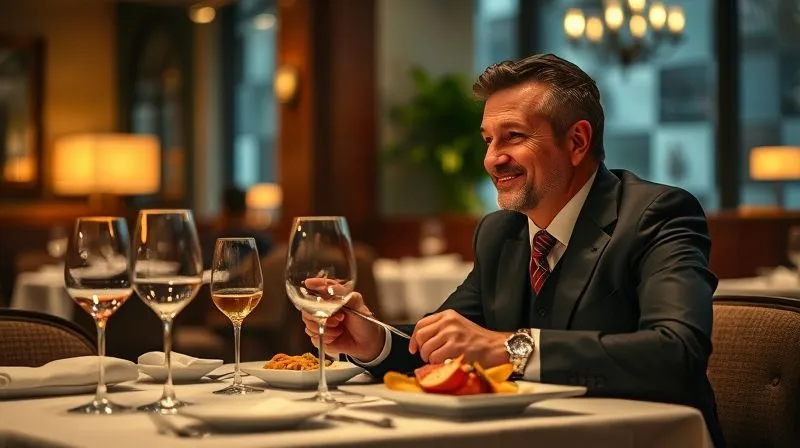
- Unplug & Unwind: Dedicate the evening to a relaxed, high-quality meal. Enjoy the flavors, the ambiance, and the company (if any) without distraction. No emails, no news.
Day 1: Curated Exploration & Mindful Engagement
This is where you actively engage with your chosen city, but with a mindful, recovery-oriented approach. It's not a race to see everything; it's about experiencing deeply.
- Morning Ritual: Start your day slowly. Enjoy a good breakfast, perhaps at a local bakery. Avoid rushing.
- Cultural Immersion (Curated): Choose one or two key attractions that genuinely interest you. Spend ample time in each, absorbing the details. Visit a museum, an art gallery, or a historic site. Focus on the experience, not just checking boxes.
- Nature Interlude: Seek out green spaces. A city park, a botanical garden, or a river walk can provide a vital connection to nature, known to reduce stress. Engage in a brief period of 'forest bathing' or simply sit and observe.
- Culinary Delight: Explore the local gastronomy. Whether it’s a Michelin-starred restaurant or a bustling local market, let food be an experience. Savor each bite, appreciating the craftsmanship and flavors.
- Evening Reflection: Before bed, take a few minutes to reflect on the day. What did you enjoy most? What surprised you? This helps solidify the positive experiences.
As Psychology Today often highlights, mindful presence during travel significantly amplifies its restorative power. It’s about truly seeing, hearing, and feeling, rather than just passing through.
Day 2: Reflection, Rejuvenation & Gentle Re-entry
The second day balances continued rejuvenation with a gentle preparation for returning to your routine, ensuring the benefits of your escape last.
- Morning Serenity: Dedicate the early hours to personal well-being. This could be a yoga session, meditation, a spa treatment, or simply enjoying a quiet coffee with a book.
- Lasting Impressions: Revisit a favorite spot from Day 1, or discover a small, charming neighborhood you overlooked. Purchase a meaningful souvenir – something that will serve as a tangible reminder of your rejuvenated state.
- Reflective Lunch: Enjoy a final, unhurried meal. Use this time to process your thoughts and feelings about the escape. What insights have you gained?
- Pre-Departure Ritual: Pack slowly and mindfully. As you pack, mentally prepare for your return, but hold onto the sense of calm you've cultivated. Avoid checking work emails until you are fully home and settled.

Beyond the Itinerary: The Pillars of True Recovery
While the itinerary provides structure, true recovery on a 48-hour city escape comes from integrating deeper principles into your experience.
Mindful Presence: Disconnecting to Reconnect
The core of executive burnout recovery isn't just physical distance from work; it's mental distance. Mindful presence means fully immersing yourself in the 'now' of your escape. Practice sensory awareness: truly taste your food, feel the sun on your skin, listen to the street sounds. This active engagement pulls your mind away from stressors and grounds you in the present moment.
Case Study: How Sarah, a Marketing Director, Transformed Her Weekend
Case Study: How Sarah, a Marketing Director, Transformed Her Weekend
Sarah, a marketing director for a fast-paced tech startup, often found her 'weekends away' were just a change of scenery for her work worries. During one particularly intense period of burnout, I advised her on a 48-hour escape to Lisbon. Instead of rushing, she focused on mindful walking through historic Alfama, savoring each bite of local pastries, and spending an entire afternoon sketching in a quiet park overlooking the Tagus River. She intentionally left her work phone off. Upon her return, she reported not just feeling rested, but a profound shift in perspective. Her creativity surged, and she tackled a complex campaign with renewed vigor, attributing her breakthrough to the deep, mindful disconnection she achieved.
Nourishment & Movement: Fueling Body and Mind
Your body is your instrument. During a burnout recovery escape, treat it with the utmost care.
- Hydration: Carry water and stay well-hydrated, especially when exploring.
- Nutrient-Rich Meals: Prioritize fresh, local produce. Enjoy treats, but balance them with wholesome options. Avoid heavy, greasy foods that can lead to sluggishness.
- Gentle Movement: Beyond walking, consider light stretching, a hotel gym session, or even a swim. Physical activity, even moderate, releases endorphins and reduces stress hormones.
The Power of Solitude vs. Curated Connection
Decide what your soul truly needs. For some, profound solitude is key to introspection and healing. For others, a carefully chosen, enriching connection can be revitalizing. If traveling alone, embrace the freedom to follow your impulses. If with a trusted companion, ensure they understand the purpose of your trip is *your* recovery, and that quiet time is essential.
Phase 3: Post-Escape Integration – Sustaining the Benefits
The true measure of a successful 48-hour city escape for executive burnout recovery isn't just how you feel upon return, but how effectively you integrate and sustain those benefits. This phase is about building resilience, not just reacting to stress.
Creating a 'Re-entry Ritual'
Avoid the abrupt plunge back into the chaos. I always recommend a buffer.
- Buffer Day/Hours: If possible, return home the evening before you start work, or schedule a lighter morning. This allows you to unpack, reset your home environment, and mentally prepare without immediate pressure.
- Journaling & Reflection: Spend 15-20 minutes journaling about your experience. What did you learn? What moments stood out? How do you want to carry this feeling forward?
- Implement One New Habit: Choose one small, positive habit from your trip (e.g., a 10-minute morning walk, a mindful coffee break) and commit to integrating it into your daily routine.
- Strategic Email Triage: When you do open emails, don't dive headfirst. Skim for urgent items, delegate what you can, and tackle tasks systematically, not reactively.
Implementing Micro-Breaks & Mindset Shifts
The feeling of rejuvenation doesn't have to vanish. It can be cultivated daily. Research, like that published in the Journal of Applied Psychology, shows that micro-breaks significantly enhance focus and reduce fatigue.
Incorporate small, intentional pauses throughout your workday. This could be a 5-minute walk, a deep breathing exercise, or simply stepping away from your screen to look out a window. These aren't distractions; they're essential moments of cognitive reset. Cultivate a mindset that views these breaks as productivity enhancers, not time lost.
Here's a sample micro-break schedule you might consider:
| Time | Activity | Benefit |
|---|---|---|
| 9:30 AM | 5-minute mindful breathing exercise at your desk | Reduces early morning stress, enhances focus |
| 11:00 AM | 10-minute walk (even around the office floor) | Boosts circulation, clears mind before lunch |
| 2:30 PM | 5-minute eye break, looking away from screen, stretching | Relieves eye strain, prevents afternoon slump |
| 4:00 PM | 15-minute 'power down' ritual (review, plan next day, tidy) | Creates clear end to the workday, reduces carry-over stress |
The lasting impact of a short escape isn't in its duration, but in the intentional habits and mindset shifts it inspires, transforming reactive coping into proactive resilience.
Case Study: "From Burnout to Breakthrough: Mark's 48-Hour Transformation"
Mark, the CEO of a rapidly scaling FinTech startup, was a textbook case of executive burnout. He was perpetually exhausted, his decision-making felt sluggish, and he’d lost the spark that had driven his company’s initial success. He was skeptical that a mere 48 hours could make a difference, but he was desperate enough to try. I helped him strategize a city escape to Edinburgh.
Pre-Escape: Mark spent a full day delegating, setting an aggressive out-of-office, and mentally offloading all pending tasks. He chose Edinburgh for its historic charm and walkable nature, booking a boutique hotel near the Royal Mile.
The 48 Hours: Upon arrival, Mark deliberately disconnected his work phone. His first evening was a quiet dinner, savoring Scottish salmon. Day one involved a leisurely climb up Arthur's Seat for panoramic views, followed by an unhurried exploration of Edinburgh Castle, focusing on the stories, not the crowds. He spent the afternoon in a cozy pub, reading a novel completely unrelated to finance. Day two began with a run along the Water of Leith, followed by a visit to the National Museum of Scotland, where he allowed himself to be fully immersed in the exhibits. He consciously avoided checking news or social media, instead focusing on the sensory experiences of the city.
Post-Escape: Mark returned feeling a profound sense of clarity and renewed energy. He implemented a 15-minute 'no-screen' break every afternoon and started taking a short walk before his first meeting. The biggest shift, he reported, was a renewed ability to approach complex problems with a fresh perspective, leading to a critical strategic pivot that revitalized his company’s Q3 performance. The 48-hour escape wasn't just a break; it was a strategic reset that unlocked his latent problem-solving capabilities.

Frequently Asked Questions (FAQ)
Question: Is 48 hours truly enough for executive burnout recovery? In my extensive experience, yes, if executed strategically. While a longer vacation offers extended rest, a highly focused 48-hour city escape, designed for specific mental and emotional replenishment, can be incredibly potent. The key is the intentionality of disconnection and engagement, not just the duration. It's about quality over quantity, and preparing correctly ensures maximum impact.
Question: How do I avoid bringing work with me mentally? This is the most common challenge. It requires a multi-pronged approach: rigorous pre-delegation, setting crystal-clear boundaries with colleagues, and a firm commitment to a digital detox. Mentally 'download' all lingering thoughts before you leave. Most importantly, practice mindfulness throughout your trip – actively engage your senses with your new environment to pull your mind away from work concerns.
Question: What if I can't afford a luxury city break? Burnout recovery isn't exclusive to luxury. The principles of strategic disconnection and mindful engagement can be applied to any budget. Choose a closer, less expensive city. Opt for charming guesthouses over five-star hotels. Focus on free activities like walking tours, parks, and local markets. The value comes from the intentional design of the break, not its cost.
Question: Should I travel alone or with a companion? This depends entirely on your personal recovery needs. If your burnout stems from constant social demands or a need for introspection, solo travel might be profoundly restorative. If you thrive on deep, meaningful connection and have a companion who understands and respects your need for space and quiet, then traveling together can be enriching. Be honest about what you truly need.
Question: How often should an executive take these types of breaks? While individual needs vary, I generally recommend integrating these 48-hour strategic escapes quarterly or bi-annually, in addition to longer annual vacations. Think of them as essential 'system reboots' to maintain optimal performance and prevent the insidious build-up of stress that leads to full-blown burnout. Regular, short, impactful breaks are far more effective than infrequent, long ones that you might struggle to take.
Key Takeaways and Final Thoughts
- A 48-hour city escape for executive burnout recovery is a powerful, strategic tool, not a mere indulgence.
- Rigorous pre-departure planning, including delegation and digital detox, is crucial for success.
- Mindful presence and curated experiences, rather than frantic sightseeing, maximize rejuvenation.
- Integrate diverse activities: cultural, natural, and culinary, tailored to your specific recovery needs.
- Post-escape integration, through rituals and micro-breaks, sustains the benefits and builds resilience.
- True recovery stems from intentional disconnection, mindful engagement, and strategic self-care.
As a veteran of the travel industry, I've seen the transformative power of a well-executed city escape. It's not just about escaping the office; it's about returning to yourself. By approaching your 48-hour city escape with the same strategic acumen you apply to your business, you can turn a short break into a profound journey of executive burnout recovery, ensuring you remain at the top of your game, both personally and professionally. Invest in your well-being; it's the smartest leadership decision you'll ever make.
Recommended Reading
- 7 Steps to Audit & Adapt Tourism for Inclusivity: A Definitive Guide
- Unlock Your Adventure: How to Prepare for an Immersive Cultural Trip!
- Solo Female Travel Safety: 10 Ways to Prevent & Respond to Harassment
- Your Wheelchair Damaged? What To Do If Airline Damages Wheelchair!
- Unlock Europe: The Ultimate Guide to Making Train Reservations with Your Eurail Pass




Your email address will not be published. Required fields are marked *