

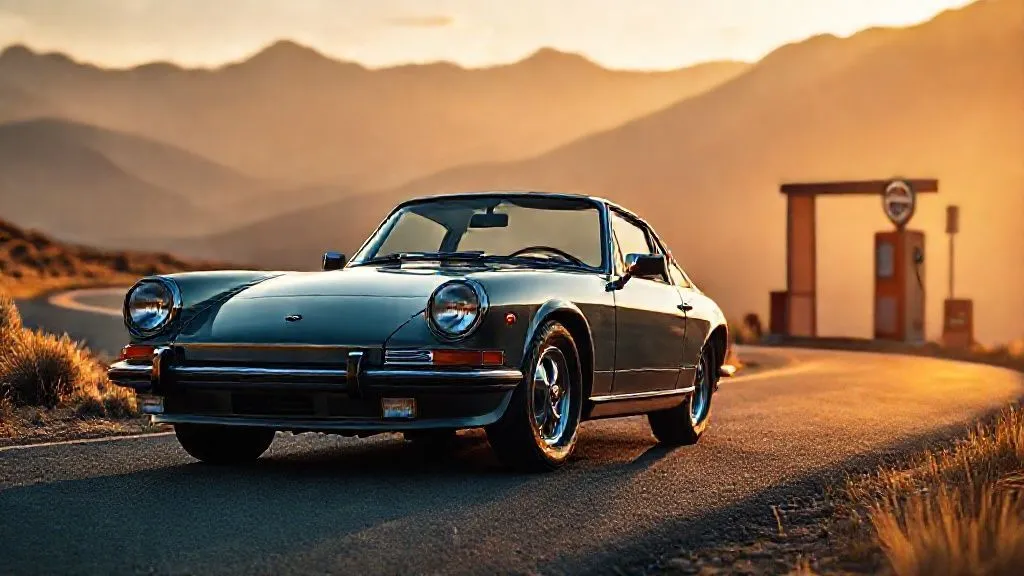
Mastering Unique Roadside Curations: How to Curate Unique Roadside Attractions for High-End Travel Clients?
For over two decades in the luxury travel sector, specifically designing bespoke road trip experiences, I've observed a common pitfall: the tendency to rely on generic, well-trodden tourist paths. High-end clients, however, aren't seeking 'more of the same'; they crave the extraordinary, the undiscovered, the story that nobody else can tell. My journey through countless miles of forgotten highways and hidden byways has taught me that the true luxury lies in the unexpected, the authentic, and the deeply personal.
The challenge isn't just finding roadside attractions, but discerning which ones truly resonate with an affluent traveler's desire for authenticity, exclusivity, and impeccable taste. They expect experiences that transcend the ordinary, offering genuine cultural immersion, artistic intrigue, or simply a moment of awe, far from the busloads and souvenir shops. Failing to deliver this can dilute the perceived value of an otherwise meticulously planned itinerary, turning a potential triumph into a mere transit.
In this definitive guide, I will share my proven framework for how to curate unique roadside attractions for high-end travel clients. We'll delve into strategic research methodologies, explore the psychology of luxury discovery, and equip you with actionable steps, real-world case studies, and expert insights to transform your road trip offerings into unparalleled journeys of distinction. Prepare to redefine what 'roadside' means for your most discerning clientele.
1. Understanding the High-End Traveler's Psyche: Beyond the Postcard
To truly curate for the luxury market, one must first grasp the nuanced desires of the affluent traveler. They are not merely seeking comfort; they are seeking meaning, connection, and a sense of genuine discovery. This goes far beyond five-star hotels and gourmet dining; it extends to every detail of their journey, including the seemingly humble roadside stop.
The Nuance of Luxury: What They Truly Seek
High-end clients are typically well-traveled and sophisticated. Their expectations are elevated, and their patience for the mundane is limited. What they genuinely seek from a roadside attraction can be broken down into several key elements:
- Authenticity: They desire genuine experiences, not manufactured tourist traps. This means real history, local craftsmanship, and unvarnished cultural insights.
- Exclusivity: While not always about private access, it's about feeling like they've discovered something special, something not widely known or easily accessible to the masses.
- Storytelling: Every stop should contribute to a larger narrative, enriching their understanding of the region, its people, or a particular theme of their journey.
- Comfort & Privacy: Even in a rustic setting, the logistics must be seamless, and opportunities for quiet contemplation or private interaction are highly valued.
- Aesthetic & Intellectual Stimulation: Whether it's a stunning natural vista, a quirky art installation, or a historical marker, it must engage their senses and intellect.
In my experience, the biggest mistake is to assume 'luxury' only applies to the main destinations. For the high-end traveler, the journey itself is the destination, and every single stop is an opportunity to reinforce that sense of exclusive discovery and impeccable taste.
According to a Bain & Company report on the luxury market, experiential luxury continues to outperform product-based luxury, emphasizing the growing desire for unique and memorable experiences. This trend perfectly aligns with the potential of well-curated roadside attractions.
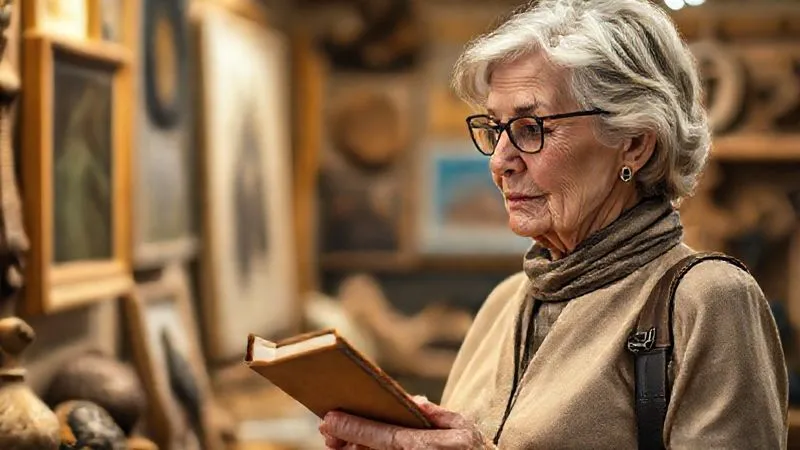
2. Strategic Research: Unearthing the Unseen Gems
The true magic of curating unique roadside attractions lies in going far beyond the obvious. Google's first page is a starting point, but it's rarely where the real gems are found. You need to become a digital detective, a local historian, and a cultural anthropologist all rolled into one.
Leveraging Niche Resources and Local Intelligence
My methodology for unearthing truly unique stops involves a multi-pronged approach that prioritizes depth over breadth:
- Local Historical Societies & Archives: These are goldmines for obscure stories, forgotten landmarks, and regional peculiarities. Often, their online presence is minimal, requiring direct contact.
- University & Public Libraries: Explore local history sections, old travelogues, and regional studies. Academic papers can sometimes highlight culturally significant but lesser-known sites.
- Specialized Forums & Blogs: Look for communities dedicated to specific interests like vintage architecture, regional folklore, or niche art forms. These often contain insider tips.
- Local Artisans & Businesses: Engage directly with people who live and work in the area. A small-town diner owner, an antique dealer, or a local artist can often point you to truly unique spots.
- State & Regional Tourism Boards (Deep Sections): While their main sites cater to the masses, dig into their 'heritage,' 'arts & culture,' or 'off-the-beaten-path' sections for hidden clues.
Digital Deep Dives: Beyond Google's First Page
Modern tools, when used strategically, can unlock incredible insights:
- Geographic Mapping & Satellite Imagery: Start by identifying your client's route. Then, meticulously scan satellite views for unusual structures, intriguing land formations, or signs of human activity that don't appear on standard maps. This is like a virtual reconnaissance mission.
- Cross-Reference with Local News Archives: Many small-town newspapers have digitized their archives. Searching for terms like 'local landmark,' 'historic site,' 'art project,' or even 'unusual occurrence' can reveal fascinating, forgotten stories and locations. The National Archives provides a great starting point for understanding how to access historical records.
- Engage with Local Experts Online: Join local history groups on social media, follow regional photographers, or connect with local cultural institutions. Pose specific, informed questions to tap into their collective knowledge.
- Utilize Niche Travel Apps & Platforms: Beyond Yelp or TripAdvisor, explore apps dedicated to specific interests like geocaching, birdwatching, or historical markers. These often lead to unexpected discoveries.
- Explore Academic Databases: Sometimes, a university's local history department has published research on a fascinating, albeit uncommercialized, site.
Remember, the goal is not just to find a place, but to find a place with a story, a unique aesthetic, or a genuine experiential offering that aligns with the high-end traveler's sophisticated palate.
3. The Art of Vetting: Quality, Accessibility, and Exclusivity
Finding a potential gem is only half the battle; the real work lies in vetting it. For high-end clients, 'charming' can quickly become 'unacceptable' if basic standards of quality, safety, and logistical feasibility aren't met. This is where your expertise as a curator truly shines.
Assessing Authenticity and Integrity
Does the attraction feel genuine? Is its history or artistic merit well-documented? Avoid anything that feels overly commercialized, poorly maintained, or lacking a compelling narrative. A roadside diner might be authentic, but if it's dirty and the food is mediocre, it won't pass muster for a luxury client. Seek out places that genuinely reflect local culture, history, or artistic expression without being overtly 'touristy.'
Logistical Feasibility for Luxury Clients
Even the most unique spot is unusable if it presents undue hardship. Consider:
- Road Conditions: Is the access road suitable for a luxury vehicle? Are there potential hazards?
- Parking: Is there safe, convenient, and ideally private parking available?
- Accessibility: For clients with mobility concerns, is the site navigable?
- Facilities: Are there clean, accessible restrooms nearby? This is often overlooked but crucial.
- Safety & Security: Is the area safe, especially if a client might want to explore independently?
- Time Constraints: How long will the stop realistically take, and does it fit within the overall itinerary flow?
Ensuring Privacy and 'Discovery' Appeal
High-end travelers often value privacy. Can you arrange for a visit during off-peak hours? Is there an opportunity for a private guided tour? The feeling of 'discovery' is paramount. If the attraction is constantly swarmed by tourists, it loses its allure. Sometimes, this means leveraging your network to arrange special access or focusing on lesser-known aspects of a popular site.
To streamline this vetting process, I recommend creating a robust checklist. Here’s a simplified version:
| Criteria | Importance | Notes |
|---|---|---|
| Authenticity/Originality | High | Avoid overly commercialized or manufactured sites. |
| Aesthetic Appeal | High | Visual impact, photogenic qualities, unique design. |
| Story & Narrative Potential | High | Does it contribute to a compelling journey story? |
| Logistical Accessibility | Medium | Road quality, parking, ease of access for luxury vehicles. |
| Client Comfort & Facilities | Medium | Restrooms, seating, shelter from elements. |
| Exclusivity/Privacy Potential | High | Ability to arrange private viewing or visit during quiet times. |
| Safety & Security | High | Overall safety of the location and surrounding area. |
4. Crafting the Narrative: From Stop to Story
A collection of unique stops is merely a list; a curated journey is a symphony. The true artistry in how to curate unique roadside attractions for high-end travel clients lies in weaving these individual points into a cohesive, compelling narrative that resonates deeply with your client's interests and desires.
The Power of Storytelling in Luxury Travel
Every roadside attraction, no matter how small, has a story. It might be the history of a pioneer settlement, the artistic vision behind a sculpture garden, or the geological forces that shaped a natural wonder. Your role is to uncover these stories and present them in a way that captivates. This transforms a mere 'photo opportunity' into a meaningful engagement.
Luxury travelers aren't just buying a trip; they're investing in memories, insights, and personal growth. A well-told story elevates a simple stop into a profound experience.
Integrating Attractions into a Cohesive Journey
Consider the flow of the entire road trip. Does the roadside attraction make sense within the broader theme? For example, if a client is interested in American art, a stop at a remote outsider art environment makes perfect sense. If they're fascinated by engineering, a visit to an iconic, lesser-known bridge or dam could be ideal. The key is context.
Case Study: The 'Forgotten Trails of Arizona' Itinerary
I once curated an Arizona road trip for a client fascinated by indigenous art and geology. Instead of the Grand Canyon's South Rim, which is often crowded, we focused on lesser-known petroglyph sites accessible only via private ranch land, paired with visits to remote studios of Hopi silversmiths. The key wasn't just finding these spots, but weaving a narrative of ancient wisdom and contemporary craftsmanship. We arranged for a private archaeologist to guide them through the petroglyph sites, providing deep historical context, and ensuring private access and exclusive interaction with the artists. This resulted in an extraordinary, deeply personal journey, far removed from typical tourist routes, and garnered glowing feedback for its unique blend of education and exclusivity. It proved that the true value was in the bespoke narrative, not just the destination itself.
5. Logistics and Enhancement: Elevating the Roadside Stop
Once you've identified and vetted your unique attractions, and crafted a compelling narrative, the final step is to ensure that the execution matches the luxury expectation. This involves meticulous logistical planning and thoughtful enhancements that transform a simple stop into an unforgettable experience.
Seamless Integration and Support
For high-end clients, friction is the enemy of luxury. Every aspect of their journey, including roadside stops, must be seamless. This means:
- Detailed Itineraries: Provide clear, concise information about each stop, including its significance, expected duration, and any special instructions.
- Private Transportation: Ensure the vehicle is comfortable, reliable, and equipped for the specific terrain.
- On-Call Support: Have a dedicated contact available for any unforeseen issues or last-minute requests.
- Pre-Arranged Access: Whenever possible, pre-book tickets, arrange private viewings, or secure special permissions to avoid waiting or crowds.
As Harvard Business Review often emphasizes, customer experience is paramount, and for luxury clients, this means anticipating needs and eliminating pain points before they arise.
Adding Value: Beyond Just Viewing
To truly elevate the experience, consider what can be added to make the roadside stop more immersive and luxurious:
- Private Expert Guides: A local historian, an artist, or a naturalist can provide invaluable context and personal insights that a guidebook cannot.
- Gourmet Picnics or Local Tastings: Instead of a generic fast-food stop, arrange for a beautifully prepared gourmet picnic basket featuring local delicacies, or a private tasting at a nearby artisanal producer.
- Bespoke Photography Opportunities: For clients passionate about photography, arrange for unique vantage points or even a professional photographer to accompany them.
- Curated Souvenirs or Gifts: Instead of mass-produced items, arrange for a unique, high-quality local craft or art piece that truly reflects the spirit of the place.
- Comfort Amenities: Ensure the vehicle is stocked with premium snacks, beverages, blankets, and charging ports.
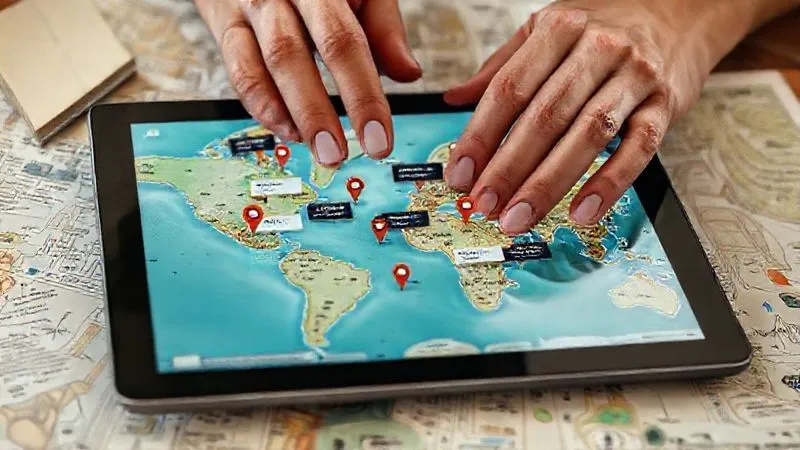
6. Building a Curated Database: Your Secret Weapon
As you master how to curate unique roadside attractions for high-end travel clients, you'll accumulate an invaluable repository of knowledge. This data is your secret weapon, allowing you to create increasingly bespoke and impressive itineraries with greater efficiency. I cannot stress enough the importance of systematically organizing your findings.
Structure and Categorization for Efficiency
A well-structured database goes beyond a simple spreadsheet. It should be dynamic, searchable, and rich with detail. Consider these categories for each potential attraction:
- General Information: Name, location (GPS coordinates), type of attraction (e.g., historical, artistic, natural, quirky), best time to visit.
- Logistical Details: Road conditions, parking availability, estimated visit duration, nearest restroom facilities, accessibility notes, mobile signal strength.
- Vetting Notes: Overall impression (1-5 scale), authenticity rating, exclusivity potential, safety concerns, pros and cons for high-end clients.
- Narrative Hooks: Key historical facts, unique stories, local legends, relevance to broader themes (e.g., 'Route 66 history,' 'desert art').
- Enhancement Opportunities: Potential for private guides, local culinary pairings, unique photo ops, nearby luxury lodging options.
- Contact Information: For local experts, property owners (if private access is possible), relevant tourism offices.
- Visuals: High-quality photos and videos to showcase the attraction's appeal.
This detailed approach allows you to quickly pull up relevant options based on client interests, geographical area, and desired level of exclusivity, saving immense time and ensuring consistency in your high-end offerings.
Continuous Discovery and Updates
The world of unique roadside attractions is constantly evolving. New art installations emerge, historical sites undergo restoration, and local businesses open or close. Your database should be a living document, regularly updated through ongoing research, client feedback, and personal reconnaissance trips. Schedule dedicated time each month to explore new areas, revisit existing entries, and refine your information. This commitment to continuous discovery is what truly distinguishes an industry veteran from a novice.
7. Ethical Curation: Respecting Places and People
As experts in bespoke travel, we have a responsibility that extends beyond client satisfaction. Our choices in how to curate unique roadside attractions for high-end travel clients must always consider the impact on the environment, local communities, and the very authenticity we seek to preserve. Luxury travel, done right, is about enrichment, not exploitation.
Minimizing Impact, Maximizing Benefit
When introducing affluent travelers to lesser-known areas, it's crucial to minimize their footprint. This involves:
- Educating Clients: Provide guidelines on respectful visitation, 'leave no trace' principles, and cultural sensitivities.
- Controlling Access: If a site is particularly fragile or culturally sensitive, consider limiting visits, arranging private tours with local guides, or supporting conservation efforts.
- Avoiding Over-Tourism: Do not aggressively promote extremely fragile or small, community-based attractions to a wide audience. The essence of exclusivity helps manage this naturally.
The UNWTO (United Nations World Tourism Organization) consistently advocates for responsible tourism practices, reminding us that sustainability is not just an ideal but a business imperative for long-term viability.
Supporting Local Communities Responsibly
True luxury travel should also be a force for good. When you bring high-end clients to a roadside attraction, consider how their visit can directly benefit the local community:
- Hiring Local Guides: This provides employment and ensures authentic interpretation of the site.
- Purchasing Local Products: Encourage clients to buy directly from local artisans, farmers, or small businesses near the attraction.
- Dining Locally: Recommend authentic, locally-owned restaurants rather than chain establishments.
- Contributing to Preservation: Identify local trusts or organizations dedicated to preserving the attraction or its surrounding environment and facilitate client donations or direct support.
By consciously integrating these ethical considerations, you not only uphold your professional integrity but also offer your clients a deeper, more meaningful connection to the places they visit. This adds another layer of luxury: the satisfaction of responsible engagement.
For further insights into the evolving landscape of travel, including ethical considerations and luxury trends, resources like Skift offer invaluable industry analysis.
Frequently Asked Questions (FAQ)
How do I ensure an attraction remains 'unique' if I share it with clients? The key isn't just secrecy, but controlled access and bespoke context. By offering private tours, visits during off-peak hours, or weaving the attraction into a highly personalized narrative, you maintain its exclusivity for each client. The unique experience you craft around the attraction is what truly makes it special, rather than the attraction existing in a vacuum. You're selling the curated experience, not just the location.
What if a chosen attraction doesn't have luxury amenities nearby? This is where your expertise as a luxury travel designer truly shines. If a unique roadside attraction lacks high-end facilities, you create them. This could involve arranging a gourmet picnic prepared by a top chef, setting up a luxury portable restroom, providing high-quality outdoor seating, or arranging for a comfortable mobile lounge. The absence of existing luxury amenities becomes an opportunity to demonstrate bespoke service and creative problem-solving, turning a potential drawback into an exclusive enhancement.
How can I convince a high-end client to visit a 'roadside' attraction? Focus on the story, exclusivity, and experiential value, not the 'roadside' label. Frame it as a 'hidden gem,' an 'undiscovered marvel,' or a 'private cultural immersion.' Emphasize what makes it unique, its historical significance, artistic merit, or natural beauty. Provide stunning visuals and a compelling narrative that promises a profound, authentic experience far removed from typical tourist routes. The goal is to pique their curiosity and highlight the value of an authentic discovery.
What are the biggest red flags when vetting a potential roadside attraction? Several red flags should prompt caution: excessive commercialization (too many souvenir shops, chain restaurants), obvious lack of maintenance or cleanliness, safety concerns (unstable structures, isolated areas with poor security), a narrative that feels inauthentic or exaggerated, or a site that is perpetually overcrowded without any possibility of private access. Any attraction that compromises on safety, authenticity, or offers a generally unpleasant experience should be immediately discarded from a luxury itinerary.
Is it worth the extra effort for roadside attractions compared to major landmarks? Absolutely, for high-end clients, it's not just worth the effort; it's the differentiator. Major landmarks are accessible to everyone; unique roadside attractions are a hallmark of bespoke, insider knowledge. The effort invested in finding, vetting, and enhancing these hidden gems elevates your offerings from generic itineraries to truly personalized, unforgettable journeys. It builds immense trust and loyalty with discerning clients who recognize and appreciate the profound value of exclusive discovery.
Key Takeaways and Final Thoughts
Curating unique roadside attractions for high-end travel clients is an art form, a blend of meticulous research, psychological insight, and impeccable logistical execution. It's about moving beyond the obvious and delivering the extraordinary.
- Deeply understand the luxury traveler's desire for authenticity, exclusivity, and profound storytelling.
- Employ advanced research techniques, digging beyond mainstream sources into local archives and expert networks.
- Rigorously vet every potential attraction for quality, safety, accessibility, and the potential for exclusivity.
- Weave individual stops into a compelling, coherent narrative that enriches the entire journey.
- Enhance the roadside experience with bespoke logistics, private guides, and thoughtful amenities.
- Build and maintain a dynamic, detailed database of curated attractions – your most valuable asset.
- Always prioritize ethical curation, respecting local communities and minimizing environmental impact.
The road less traveled, when expertly curated, offers the most profound rewards for both you and your clients. By embracing these principles, you'll not only master how to curate unique roadside attractions for high-end travel clients but also solidify your reputation as a visionary in the luxury travel sector, creating journeys that are truly one-of-a-kind. Go forth, explore, and transform the ordinary into the utterly unforgettable.
Recommended Reading
- VIP Ocean Cruises: 7 Steps to Bespoke Sourcing for Elite Clients
- 7 Urgent Strategies: Find Business-Appropriate Budget Lodging Fast
- 5 Steps: Design Durable, Highly Stylish Festival Fashion That Lasts
- Elevate Client Relations: 5 Unique Craft Beer Tour Ideas That Impress
- 5 Proven Strategies: How Professionals Find Inner Peace When Always On Call

Your email address will not be published. Required fields are marked *