

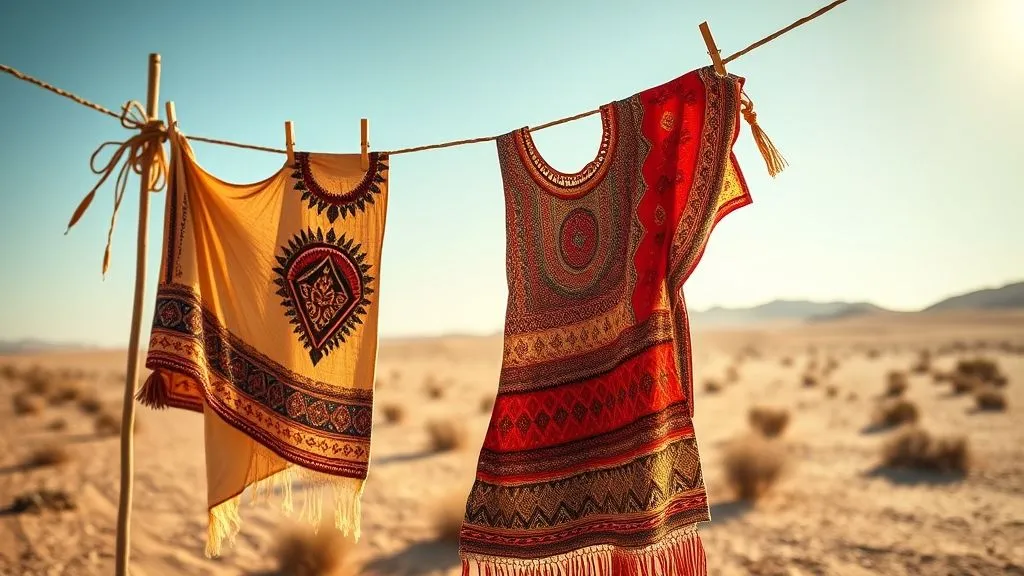
How to Design Festival Fashion That's Durable Yet Highly Stylish?
For over 15 years in the vibrant world of festival travel, I've witnessed countless fashion casualties. From ripped seams on day one to faded colors after a single wash, the cycle of disposable festival wear is not just disheartening; it's a significant drain on our wallets and the environment. I've seen enthusiasts invest heavily in elaborate outfits only to have them disintegrate under the sun, dust, and sheer exuberance of a festival.
The core problem isn't a lack of creativity; it's a disconnect between aesthetic ambition and practical execution. Many designers and consumers prioritize immediate visual impact over the inherent demands of a multi-day, high-energy event. The result? Outfits that look stunning on Instagram but fail miserably in the field, leading to discomfort, frustration, and a rapid obsolescence that undermines both personal style and sustainable practices.
This article isn't just another trend report. It's a definitive guide, forged from years of experience, offering a comprehensive framework on how to design festival fashion that's durable yet highly stylish. We'll delve into actionable strategies, material science, construction techniques, and a mindful design philosophy to ensure your festival creations not only turn heads but also stand the test of time, event after event.
The Foundation: Understanding Festival Environments & Demands
Before any fabric is cut or embellishment considered, a true expert understands the battlefield. Festival environments are unique ecosystems that place extraordinary demands on clothing. Ignoring these realities is a recipe for fashion failure, regardless of how beautiful the initial design might be.
Climate & Terrain Considerations
Think about the diverse landscapes festivals inhabit: dusty deserts, muddy fields, humid forests, or scorching urban concrete. Each presents distinct challenges. Desert festivals demand breathability, UV protection, and dust resistance. Rainy, grassy festivals require water-repellency and quick-drying properties. Understanding the typical climate and ground conditions of your target festival allows you to make informed material and design choices from the outset.
Movement & Activity Levels
Festival-goers are not static mannequins. They dance, walk miles, sit on rough surfaces, and engage in various forms of physical expression. This means clothing needs to allow for unrestricted movement, resist snagging, and withstand repeated stretching and compression. Durability here isn't just about material strength; it's about the garment's ability to flex and recover without showing wear.
"True festival fashion isn't just about what you wear; it's about what your wear allows you to do. Prioritizing practical functionality alongside stunning aesthetics is the hallmark of enduring design."
Material Matters: Selecting Fabrics for Longevity & Style
The choice of material is arguably the most critical decision when aiming to design festival fashion that's durable yet highly stylish. It's the bedrock upon which all other design elements rest. As I've always advised, never compromise on quality here.
Key Durable Fabrics for Festival Wear:
- Ripstop Nylon/Polyester: Lightweight, water-resistant, and incredibly strong due to its reinforced weaving pattern. Ideal for outerwear, bags, or accent panels.
- Heavy-Duty Cotton Canvas/Drill: Offers excellent abrasion resistance and a rugged aesthetic. Great for bottoms, jackets, or structured elements.
- Denim: A classic for a reason. Its inherent strength and ability to age gracefully make it a festival staple. Look for higher GSM (grams per square meter) counts.
- Performance Synthetics (e.g., Cordura, certain nylons with spandex blends): Engineered for extreme durability, often with moisture-wicking and quick-dry properties. Perfect for active wear components.
- Reinforced Mesh/Netting: For ventilation and layering, choose varieties with thicker threads and tighter weaves to prevent tearing.
Stylish, Durable Embellishments & Hardware:
- Metal Hardware: Opt for stainless steel, brass, or anodized aluminum for buckles, rings, and zippers. Avoid cheap alloys that tarnish or break.
- High-Quality Embroidery/Appliqué: Use dense stitching and sturdy backing.
- Heat-Bonded Vinyl/Transfers: Ensure professional application and high-quality materials designed for stretch and wash cycles.
- Resin or Acrylic Jewels/Studs: Less prone to chipping or breaking than glass, and lighter.
According to a recent WGSN report on sustainable textiles, consumer demand for durable, long-lasting clothing is steadily increasing, highlighting the market's shift away from fast fashion. This aligns perfectly with the ethos of designing for festival longevity.
| Fabric Type | Key Property | Best Use |
|---|---|---|
| Ripstop Nylon | Tear Resistance, Water-Repellent | Outerwear, Bags |
| Heavy Cotton Canvas | Abrasion Resistance, Structure | Pants, Jackets |
| Performance Synthetics | Durability, Moisture-Wicking | Activewear, Base Layers |
| Denim (High GSM) | Robustness, Classic Aesthetic | Jeans, Jackets, Shorts |
Construction & Craftsmanship: Building to Last
Even the finest materials will fail if the construction is shoddy. This is where the true artistry and engineering of fashion design come into play. I've always stressed that a garment is only as strong as its weakest seam.
Actionable Steps for Superior Construction:
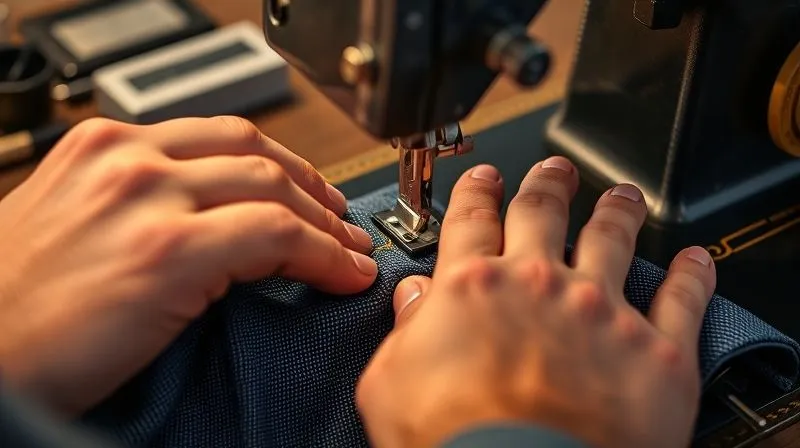
- Reinforced Seams: Employ techniques like French seams, flat-felled seams, or double-stitching in high-stress areas (crotch, armholes, shoulders). These methods encase raw edges and distribute tension more effectively.
- Bar Tacks & Rivets: Crucial for areas subjected to frequent pulling or tearing, such as pocket corners, belt loops, or zipper stress points.
- Interfacing & Lining: Use appropriate interfacing to add stability to collars, cuffs, and waistbands. A durable lining can protect the outer fabric and improve comfort, especially with scratchier materials.
- Quality Thread: Invest in strong, synthetic threads (polyester or nylon) that match the durability of your fabric. Cotton thread can degrade faster than synthetic fabrics.
- Zipper Selection: Opt for heavy-duty metal or coil zippers from reputable brands (e.g., YKK) for longevity. Ensure they are securely attached with multiple rows of stitching.
- Edge Finishing: Overlock or bind all raw edges to prevent fraying, especially in unlined garments.
These meticulous details are what separate a fleeting trend piece from a cherished festival staple. They ensure that when you're caught in a mosh pit or dancing through the night, your outfit holds together.
Ergonomics & Comfort: Style That Moves With You
A truly stylish festival outfit is also one that allows you to fully immerse yourself in the experience without constant adjustment or discomfort. As I often say, if you're not comfortable, you're not truly stylish – you're just enduring.
Strategic Cut & Fit
Design for movement. Avoid overly restrictive cuts in high-flex areas. Consider gussets in crotches or underarms for expanded range of motion. Garments should fit well enough to look intentional but offer enough ease to accommodate dynamic activity. This might mean a slightly looser fit in certain areas, or strategically placed elastication or adjustable elements.
Layering for Versatility
Festival weather can be unpredictable. Designing modular pieces that can be layered or shed is key. Think about base layers that wick moisture, mid-layers for warmth, and outer layers for protection against sun or rain. Each layer should be durable enough to stand on its own, yet integrate seamlessly with the overall aesthetic.
"Comfort is the silent pillar of enduring style. When you design for the human body in motion, you create fashion that not only looks good but genuinely enhances the wearer's experience. Anything less is a design flaw."
Embellishment & Durability: Adorning Without Compromise
Embellishments are often where festival fashion truly shines, but they are also frequently the first elements to fail. Learning how to design festival fashion that's durable yet highly stylish means ensuring your adornments are as robust as the garment itself.
Secure Attachment Methods
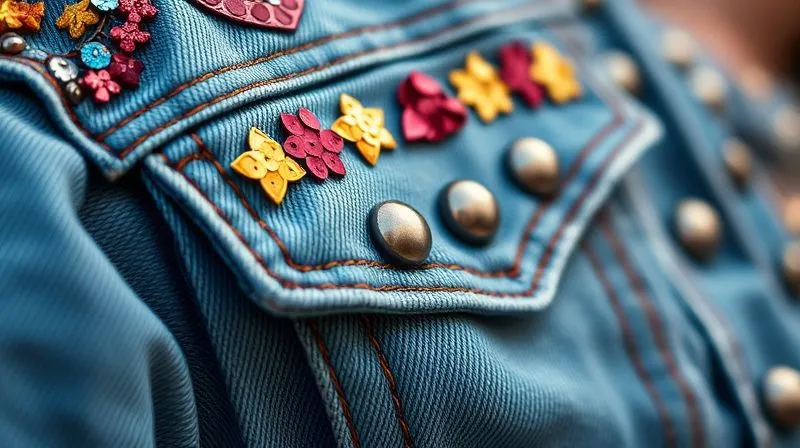
- Sew-On vs. Glue-On: Whenever possible, sew on patches, sequins, beads, and appliques. If gluing, use industrial-strength fabric adhesive designed for flexibility and washability.
- Reinforced Studs & Spikes: Choose studs with prongs that can be securely bent and flattened, or screw-back varieties. Avoid cheap, flimsy options.
- Interlocking Chains & Rings: Ensure all links are fully closed and ideally soldered, especially on high-movement areas.
- Strategic Placement: Avoid placing delicate embellishments in high-friction areas (e.g., under backpack straps, inner thighs, elbows).
Weather-Resistant Adornments
Consider how your embellishments will react to sun, sweat, rain, and dust. Metal elements should be rust-resistant. Dyes in feathers or fabrics should be colorfast. Glitter should be encapsulated or applied with a strong binder to minimize shedding and environmental impact.
The "Wear & Care" Mindset: Designing for Easy Maintenance
Durability extends beyond initial construction; it encompasses the garment's ability to withstand repeated wear and care cycles. A well-designed festival piece anticipates its life after the event.
Washability & Fade Resistance
Choose fabrics and dyes that are known for their colorfastness. Pre-wash fabrics before construction to minimize shrinkage and bleeding. If a garment requires delicate hand-washing, clearly communicate this in the care instructions. Better yet, design components that can be easily detached for separate care.
Repairability & Upcycling Potential
Design with future repairs in mind. Are seams accessible? Can a broken buckle be easily replaced? Can components be swapped out? A truly durable and sustainable design allows for mending and adaptation, extending its lifespan. This also opens up avenues for personalizing and refreshing an outfit over time, fostering a deeper connection with the garment.
Case Study: Nova Threads – From Fast Fashion to Festival Forever
Nova Threads, a small but innovative design collective, faced the challenge of creating festival wear that defied the 'one-and-done' mentality. Their early designs, while visually striking, often succumbed to wear and tear after just a couple of events. By adopting the principles of durable design – focusing on ripstop fabrics, triple-stitched seams, and modular, interchangeable components – they transformed their brand. Their signature line, the 'Ever-Rave' collection, features pieces with easily replaceable zippers, reinforced stress points, and detachable, washable embellishment panels. This shift not only significantly reduced customer complaints but also fostered a community around customization and repair. Customers now proudly share photos of their 'Ever-Rave' pieces, personalized and updated over several seasons, embodying the spirit of enduring festival fashion. This approach, centered on how to design festival fashion that's durable yet highly stylish, saw their customer loyalty skyrocket by 40% in two years.
Beyond Trends: Cultivating Timeless Festival Aesthetics
While festival fashion is often synonymous with bold trends, true longevity in style comes from thoughtful design that transcends fleeting fads. This doesn't mean boring; it means building a foundation of enduring appeal.
Personal Expression vs. Fleeting Fads
Encourage designs that reflect genuine personal style rather than slavishly following every micro-trend. A well-designed, durable piece becomes a canvas for individual expression, allowing the wearer to add their unique flair over time. Focus on silhouettes and color palettes that have a broader, more timeless appeal within the festival subculture.
Investment Pieces & Modular Design
Consider designing 'investment pieces' – key garments that are exceptionally well-made and versatile, forming the core of a festival wardrobe. These can then be accessorized with trend-driven or easily replaceable items. Modular design, where elements can be added, removed, or swapped (e.g., detachable sleeves, interchangeable hoods, snap-on pockets), greatly enhances both style versatility and the perceived value of a durable garment. As Forbes highlights in its insights on the future of fashion, circularity and durability are becoming paramount.
Sustainability & Ethics: Designing with Conscience
In today's world, discussing durability without addressing sustainability is incomplete. A truly experienced industry specialist understands that responsible design is intrinsically linked to longevity.
Eco-Friendly Materials
Integrate sustainable fabrics where possible without compromising durability. This includes recycled polyesters, organic cotton canvas, hemp, Tencel, or innovative bio-based materials. Explore options for low-impact dyes and finishes. While some sustainable materials may have a higher initial cost, their environmental benefits and often improved durability justify the investment.
Ethical Production
Consider the entire supply chain. Are materials sourced responsibly? Are manufacturing processes ethical, ensuring fair labor practices and minimal environmental footprint? Transparency in production builds trust and aligns with the values of many festival communities. A durable garment made ethically carries a story of integrity, adding another layer to its value.
The Iterative Process: Test, Adapt, Refine
Designing durable and stylish festival fashion isn't a one-off event; it's an ongoing process of learning and improvement. As a mentor, I always encourage designers to embrace iteration.
Actionable Steps for Iterative Design:
- Prototype & Wear-Test: Create samples and put them through their paces. Wear them to local events, on long walks, or during intense activities. Identify weak points before mass production.
- Gather Feedback: Solicit honest feedback from a diverse group of festival-goers. What worked? What didn't? Where did the garment feel restrictive or show wear first?
- Analyze & Document Failures: Understand *why* something failed. Was it the stitch type? The fabric's tensile strength? The placement of an embellishment? Document these insights.
- Refine & Re-test: Implement improvements based on your analysis. Don't be afraid to go back to the drawing board. Each iteration brings you closer to the ideal durable and stylish design.
- Observe & Adapt: The festival landscape evolves. New challenges, technologies, and aesthetic preferences emerge. Stay observant and be prepared to adapt your design principles accordingly.
This systematic approach, akin to the principles of design thinking, is crucial for consistently producing high-quality, long-lasting festival wear. For more on this, explore foundational texts on IDEO's design thinking methodology.
| Design Phase | Durability Checklist Item | Style Checklist Item |
|---|---|---|
| Material Selection | Verify abrasion, tear, and UV resistance | Assess drape, texture, and colorfastness |
| Construction | Implement reinforced seams and bar tacks | Ensure clean finishes and proportional fit |
| Embellishment | Use secure attachment methods (sew-on) | Integrate harmoniously with overall aesthetic |
| Wear & Care | Confirm washability and repairability | Maintain aesthetic integrity after care |
Frequently Asked Questions (FAQ)
What's the single most important factor for durable festival fashion? While many elements contribute, I'd argue that selecting the right, high-quality fabric for the primary stress points is paramount. A strong foundation material can compensate for minor construction flaws, but even perfect stitching won't save a flimsy fabric. Always start with materials known for their tensile strength, abrasion resistance, and appropriate weight for the intended use.
How can I make my existing festival outfits more durable without starting from scratch? Focus on reinforcing weak points. Add bar tacks to pocket corners and belt loops. Double-stitch critical seams like the crotch or armholes. Replace flimsy buttons with stronger, sewn-on alternatives. Consider adding a durable lining to highly stressed areas. For embellishments, ensure they are securely sewn or re-glued with industrial-strength adhesive. These small interventions can significantly extend an outfit's life.
Is it possible to achieve a 'delicate' or 'flowy' aesthetic while still ensuring durability? Absolutely. This often involves strategic material choices and layering. For instance, a flowy chiffon or mesh outer layer can be paired with a durable, stretch-knit lining or base layer. Delicate embellishments can be applied to reinforced panels or areas of low friction. The key is to protect the delicate elements with robust underlying structures or placement, ensuring the overall garment maintains its integrity.
What are common mistakes designers make when trying to balance style and durability? One common mistake is prioritizing visual impact over functional integrity, leading to designs that look great but fall apart. Another is using cheap hardware or embellishments that can't withstand the festival environment. Finally, neglecting the 'wear and care' aspect – designing garments that are impossible to clean or repair – is a major oversight that shortens lifespan and frustrates users.
How does ethical sourcing play into designing durable festival fashion? Ethical sourcing often correlates with higher quality materials and more responsible production practices. Fabrics from suppliers committed to sustainability tend to be more robust, colorfast, and less prone to premature degradation due to harsh chemical treatments. Moreover, supporting ethical production ensures that the people who make your clothing are treated fairly, adding another layer of positive impact to your durable and stylish designs.
Key Takeaways and Final Thoughts
Designing festival fashion that's durable yet highly stylish is not just a dream; it's an achievable goal that blends artistic vision with technical expertise. It's about respecting the unique demands of the festival environment and committing to a philosophy of longevity.
- Prioritize Quality Materials: The foundation of durability lies in choosing robust, appropriate fabrics and hardware.
- Master Construction Techniques: Reinforced seams, strategic stitching, and thoughtful assembly are non-negotiable.
- Design for Movement & Comfort: Style should never compromise the wearer's ability to fully experience the festival.
- Secure Embellishments: Adornments must be as resilient as the garment itself, with proper attachment methods.
- Embrace the Wear & Care Mindset: Design for washability, repairability, and a long life beyond the first wear.
- Think Sustainably: Ethical sourcing and eco-friendly practices are integral to modern, responsible design.
By integrating these principles, you're not just creating outfits; you're crafting experiences. You're empowering festival-goers to express themselves vibrantly, confidently, and sustainably, without the worry of their fashion failing them. This is the essence of truly impactful festival design, and it's a journey I encourage every aspiring and established designer to embark upon. Let your creations be a testament to enduring style and thoughtful craftsmanship.
Recommended Reading
- Best Food Tours for Solo Female Travelers: A Delicious Adventure
- The Ultimate Guide: How Much Does a Night in a Space Hotel Cost?
- Glamping in the Cold: The Ultimate Packing List for Winter
- How Can Historical Reenactments Boost Employee Engagement? 7 Proven Paths
- Unlock Stress-Free Journeys: Your Essential Packing List for Disabled Travelers


Your email address will not be published. Required fields are marked *