

How to Design Impactful Cultural Immersion for Executive Travel?
For over two decades in the cultural travel sector, I've witnessed firsthand the transformative power of genuine immersion – and, regrettably, the missed opportunities of superficial tourism. Many organizations, in their well-intentioned efforts to broaden their executives' horizons, often default to itineraries that merely scratch the surface, offering little more than a curated 'show' rather than a deep, resonant experience. It's a common pitfall: high-potential leaders return with photos, but not necessarily with the profound shifts in perspective, empathy, or strategic insight that true cultural engagement promises.
The challenge is clear: traditional executive travel often prioritizes efficiency and comfort over authentic interaction, leaving leaders unprepared for the nuanced complexities of global markets and diverse workforces. They might see the sights, taste the local cuisine, but rarely do they truly understand the soul of a place or its people. This lack of deep engagement can perpetuate cultural blind spots, hinder effective cross-cultural communication, and ultimately limit a leader's ability to truly thrive on the global stage.
This article isn't about simply adding a 'cultural' day to an existing business trip. Instead, I'll share a definitive framework for how to design impactful cultural immersion for executive travel – an approach that moves beyond mere observation to foster genuine connection, deep learning, and measurable growth. We'll explore actionable strategies, real-world insights, and ethical considerations to ensure your next executive cultural journey is not just memorable, but truly transformative.
Beyond the Brochure: Defining True Immersion for Leaders
When we talk about 'cultural immersion' for executives, we must immediately distinguish it from 'cultural tourism.' The latter often involves passive observation – visiting museums, attending performances, or dining in popular tourist spots. While enjoyable, these experiences, in my professional opinion, rarely foster the deep learning and perspective shifts critical for executive development.
True cultural immersion, particularly for leaders, is an active, participatory, and often challenging process. It's about stepping out of one's comfort zone to engage directly with local communities, understand their daily lives, participate in their traditions, and grapple with different worldviews. It's not just seeing a culture; it's experiencing it from within, often through the lens of shared human experience. As I often tell my clients, the goal isn't to become a local, but to understand what it means to be local, even if just for a short period. This distinction is crucial for understanding how to design impactful cultural immersion for executive travel.
Expert Insight: "Cultural immersion for executives isn't a vacation; it's an intentional intervention designed to cultivate empathy, adaptability, and global acumen through direct, lived experience. It's about building bridges of understanding, not just taking pictures of them."
This deeper engagement cultivates what we call 'cultural intelligence' (CQ) – the capability to function effectively in culturally diverse settings. According to a study by the Harvard Business Review, leaders with higher CQ are more adaptable, better at problem-solving, and more effective in global teams. This isn't achieved by simply reading about a culture, but by experiencing its nuances firsthand.
The 'Why' Behind the Journey: Aligning Immersion with Strategic Goals
Before even thinking about destinations or activities, the most critical first step in how to design impactful cultural immersion for executive travel is to clearly define the strategic objectives. What specific leadership competencies or organizational goals is this immersion meant to address? Without this clarity, even the most well-intentioned trip can devolve into unfocused sightseeing.
I've seen organizations invest significant resources into executive trips only to find their leaders return without a clear understanding of what they were supposed to gain. This is often because the 'why' was never articulated beyond a vague notion of 'broadening horizons.' Instead, consider these questions:
- What specific global business challenges are your executives facing? (e.g., navigating emerging markets, managing diverse international teams, understanding local consumer behavior).
- Which leadership competencies need strengthening? (e.g., empathy, adaptability, cross-cultural negotiation, strategic foresight in unfamiliar contexts).
- What organizational values do you want to reinforce? (e.g., global citizenship, social responsibility, innovation from diverse perspectives).
For instance, if the goal is to enhance understanding of supply chain vulnerabilities in Southeast Asia, the immersion might focus on engaging with local producers, understanding their challenges, and experiencing the logistical hurdles firsthand, rather than just visiting a factory floor. If it's about fostering empathy for underserved markets, it might involve spending time with social entrepreneurs or community leaders working on the ground.
Actionable Step: Define Your Immersion Objectives
- Stakeholder Consultation: Engage HR, L&D, C-suite, and the participating executives to identify key learning needs and strategic priorities.
- Competency Mapping: Link desired outcomes directly to specific leadership competencies (e.g., 'Enhance cross-cultural communication skills' or 'Develop nuanced understanding of market entry barriers').
- Success Metrics: Establish clear, albeit often qualitative, indicators of success. How will you know if the objectives were met? (e.g., improved cultural intelligence scores, more inclusive decision-making, new strategic insights applied).
Crafting the Itinerary: From Sightseeing to Shared Living
Once objectives are clear, the next crucial step in how to design impactful cultural immersion for executive travel is creating an itinerary that actively facilitates those goals. This is where we move beyond the 'tourist checklist' and into truly meaningful engagement.
The Power of Participation Over Observation
Instead of just watching a traditional dance, arrange for executives to learn a few steps from local dancers. Instead of merely tasting local cuisine, organize a cooking class with a local family or chef. These participatory activities create shared experiences, break down barriers, and open avenues for genuine dialogue.
Consider activities that foster humility and vulnerability – perhaps a day of volunteering with a local NGO, working alongside community members. Such experiences force leaders to rely on non-verbal cues, adapt to new social norms, and understand challenges from a ground-level perspective. This isn't about 'poverty tourism,' but about respectful, reciprocal engagement that benefits both the visitors and the hosts.

Integrating Local Perspectives and Daily Life
A truly impactful immersion includes opportunities to interact with a diverse cross-section of local society, not just official representatives. This could mean:
- Homestays: Even for a night or two, a carefully vetted homestay can provide unparalleled insights into daily life, family dynamics, and local customs.
- Market Visits: Not just for shopping, but for understanding local commerce, food systems, and social interactions.
- Engaging Local Entrepreneurs: Discussions with small business owners or artisans can offer unique perspectives on economic realities and innovation.
- Public Transportation: Experiencing the city like a local, rather than being shielded in private vehicles, can be surprisingly insightful.
These elements, when thoughtfully integrated, move the experience from a curated performance to an authentic slice of life, allowing executives to truly grasp the intricacies of the culture they are visiting.
Engaging Local Voices: The Cornerstone of Authenticity
The most profound cultural immersion experiences are those facilitated by local people. They are the authentic storytellers, the cultural navigators, and the bridge-builders. Relying on pre-packaged, foreign-led tours often misses the mark. This is where the 'trust' element of E-E-A-T truly comes into play.
Building Reciprocal Partnerships
I always advocate for building direct, equitable partnerships with local communities, guides, and organizations. This means ensuring fair compensation, respecting local customs, and allowing communities to dictate how they wish to engage with visitors. This approach not only enhances the authenticity of the experience but also ensures that the benefits of the executive visit flow back into the local economy and community.
Expert Insight: "An authentic immersion isn't something you 'buy off the shelf.' It's co-created with the very people whose culture you seek to understand, built on a foundation of mutual respect and shared value."
Case Study: How 'Global Connect Inc.' Transformed Executive Empathy
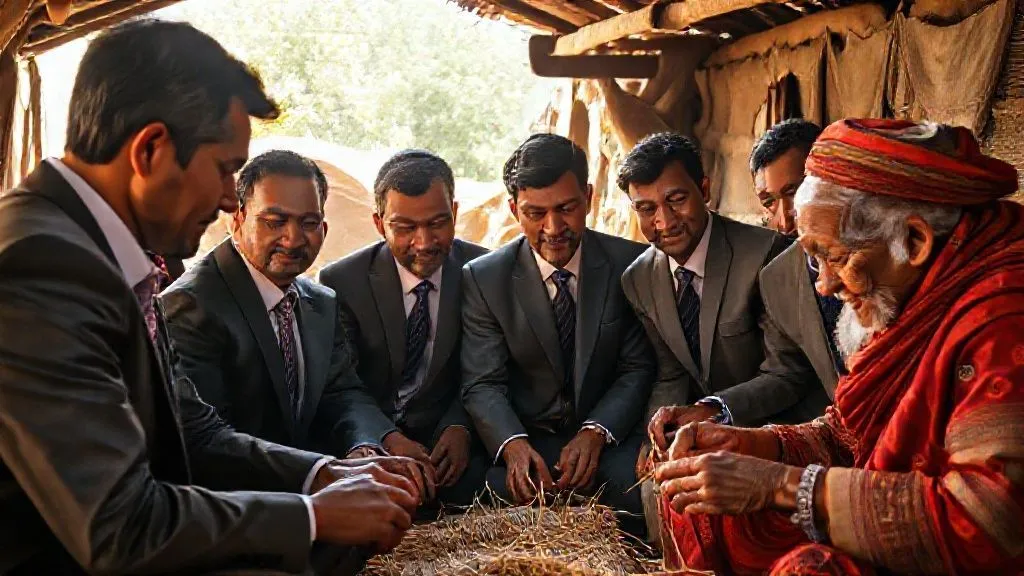
Global Connect Inc., a multinational tech firm, aimed to enhance their senior leadership's empathy towards emerging market consumers. Traditional market research yielded data but lacked the emotional resonance needed for truly innovative product design. Following my framework, they partnered with a local community development organization in rural India.
Instead of a standard factory tour, their executives spent three days living in a village, participating in daily chores, learning about local entrepreneurship (e.g., micro-lending groups), and engaging in deep conversations with villagers about their daily challenges, aspirations, and technology adoption patterns. They didn't just observe; they contributed to a community project, sharing skills and learning local building techniques.
This resulted in a significant shift. One executive, initially skeptical, later spearheaded a new product line specifically designed for low-bandwidth environments, incorporating features directly inspired by the villagers' ingenious workarounds. The program not only fostered immense empathy but also led to tangible product innovation and a deeper understanding of a critical market segment. This demonstrates the power of genuine interaction when designing impactful cultural immersion for executive travel.
Pre-Departure & In-Country Preparation: Equipping Leaders for Connection
An impactful immersion doesn't begin when the plane lands; it starts long before. Proper preparation is paramount for maximizing learning and minimizing cultural misunderstandings.
Pre-Departure Briefings and Training
Executives, especially those accustomed to highly structured environments, benefit immensely from pre-departure training. This should go beyond logistical details to cover:
- Cultural Etiquette: Basic greetings, gestures, dress codes, dining customs, and communication styles.
- Historical and Political Context: A concise overview of the region's history, current events, and socio-political landscape.
- Language Basics: Even a few key phrases in the local language can open doors and demonstrate respect.
- Mindset Preparation: Encouraging an open, curious, and humble mindset; managing expectations around comfort levels and unforeseen challenges.
- Ethical Guidelines: Clear instructions on respectful photography, gift-giving, and interaction with local communities.
I often incorporate pre-reading materials, documentaries, or even virtual reality experiences to set the stage. The goal is to provide enough context to prevent culture shock from becoming debilitating, while still allowing for genuine discovery.
Pre-Departure Cultural Briefing Checklist
| Topic | Format |
|---|---|
| Historical & Political Context | Briefing, Reading Materials |
| Cultural Etiquette & Norms | Workshop, Handout |
| Basic Language Phrases | App, Short Lesson |
| Health & Safety Protocols | Briefing, Emergency Contacts |
| Mindset & Expectations | Discussion, Scenario Planning |
| Ethical Engagement Guidelines | Briefing, Code of Conduct |
In-Country Facilitation and Support
Once on the ground, continuous support is vital. This includes:
- Local Facilitators: Knowledgeable local guides who can explain cultural nuances, translate, and mediate interactions. They are not just tour guides but cultural interpreters and mentors.
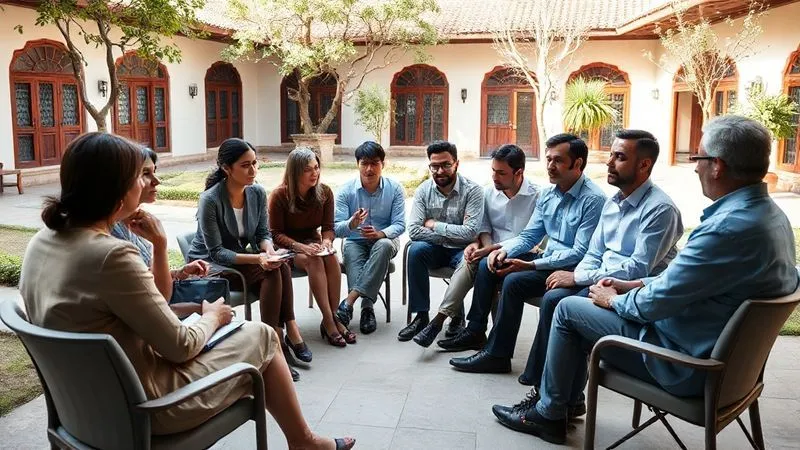
- Debriefing Sessions: Regular opportunities for executives to reflect on their experiences, ask questions, and process their observations in a facilitated group setting.
- Flexibility: While an itinerary is important, allowing for spontaneous, authentic encounters can lead to some of the most profound learning moments.
Facilitation and Reflection: Maximizing the Learning Arc
The journey itself is only half the story. The real learning from cultural immersion happens during and after the experience, through intentional facilitation and structured reflection. Without these components, even the most authentic experiences can remain isolated incidents rather than integrated insights.
The Role of Skilled Facilitation
A skilled facilitator, ideally with cross-cultural expertise, is indispensable. This person helps executives:
- Connect Experiences to Objectives: Guiding discussions to link observations back to the initial strategic goals and leadership competencies.
- Process Emotions: Cultural immersion can be challenging, evoking emotions from frustration to awe. A facilitator creates a safe space to discuss these feelings constructively.
- Bridge Cultural Gaps: Explaining underlying cultural values or historical contexts that might not be immediately apparent to an outsider.
- Encourage Peer Learning: Facilitating discussions where executives share their differing perspectives and insights, enriching the collective learning.
I often use frameworks like the Hofstede's Cultural Dimensions or the Lewis Model to help executives categorize and understand cultural differences they encounter, providing a language for their observations.
Structured Reflection Practices
Reflection is the crucible where experience is forged into wisdom. This can take many forms:
- Daily Journals: Encouraging executives to write down observations, feelings, and questions each day.
- Group Debriefs: Structured discussions at the end of each day or significant activity, prompting participants to share 'what, so what, now what' – what happened, what was its significance, and what are the implications.
- Individual Coaching: Offering one-on-one sessions with a coach to delve deeper into personal insights and challenges.
- Post-Trip Integration Workshops: Dedicated sessions upon return to help executives synthesize their learning and develop action plans for applying new insights in their roles.
Measuring Impact: Beyond Anecdotes to Tangible Growth
One of the most frequent questions I encounter is: 'How do we measure the ROI of cultural immersion?' While some benefits are inherently qualitative, it is absolutely possible and necessary to assess the impact of these programs. This is a critical component of how to design impactful cultural immersion for executive travel.
Qualitative and Quantitative Metrics
A comprehensive approach combines both subjective and objective measures:
- Pre- and Post-Trip Assessments: Use validated cultural intelligence (CQ) assessments to measure shifts in cultural knowledge, motivation, strategy, and behavior.
- 360-Degree Feedback: Gather feedback from peers, subordinates, and superiors on observable changes in leadership behaviors, such as empathy, adaptability, or inclusive decision-making.
- Participant Surveys and Interviews: Collect detailed feedback on perceived learning, challenges, and the personal impact of the experience.
- Action Plans and Follow-Up: Track the implementation of individual action plans developed during post-trip workshops. Are executives applying their new insights in their roles?
- Business Outcomes: While harder to directly attribute, look for broader indicators like improved performance in international markets, enhanced cross-cultural collaboration, or more innovative global strategies.
It's important to set realistic expectations. The impact of cultural immersion often unfolds over time, influencing long-term leadership development rather than immediate, drastic shifts in KPIs. However, by establishing clear metrics from the outset, you can demonstrate tangible value.
Key Metrics for Impactful Immersion
| Metric Category | Measurement Tool |
|---|---|
| Individual Development | CQ Assessments, Leadership Competency Reviews |
| Behavioral Change | 360-Degree Feedback, Peer Observation |
| Strategic Impact | New Market Insights, Innovation Projects |
| Participant Satisfaction | Post-Trip Surveys, Interviews |
| Organizational Culture | Inclusion Indices, Employee Engagement Surveys |
Navigating Ethical Considerations: Responsibility in Cultural Exchange
As an industry specialist, I cannot stress enough the importance of ethical considerations when designing and executing cultural immersion programs. The power dynamic between visiting executives and local communities is inherent, and it's our responsibility to ensure these experiences are mutually beneficial and respectful, not exploitative.
Principles of Ethical Engagement
- Reciprocity: Ensure that the local community benefits from the exchange, whether through fair compensation for services, support for local businesses, or contributions to community projects. Avoid 'extracting' cultural experiences without giving back.
- Respect for Dignity and Privacy: Always seek permission before photographing individuals, especially children. Respect local customs regarding dress, behavior, and sensitive topics. Understand that some aspects of culture are not for public consumption.
- Authenticity vs. Performance: Be wary of experiences that feel staged or commodified. The goal is genuine interaction, not a performance put on for tourists. Educate executives to recognize and avoid such situations.
- Environmental Responsibility: Ensure the program adheres to sustainable tourism practices, minimizing environmental impact and respecting local ecosystems.
- Informed Consent: For any deep engagement, ensure local participants fully understand the nature of the interaction, who the visitors are, and what the purpose of the visit is.
Working with reputable local partners who have established relationships and a strong ethical track record is crucial. They can guide you through cultural sensitivities and ensure that interactions are genuinely respectful and meaningful for all parties involved. This ethical foundation is non-negotiable for truly impactful cultural immersion for executive travel.

As Seth Godin often says, "People do not buy goods and services. They buy relations, stories, and magic." In cultural immersion, we're facilitating the creation of powerful relations and stories, and that demands the highest ethical standards.
Frequently Asked Questions (FAQ)
Question? How do we ensure the safety and security of executives in potentially unfamiliar cultural settings?
Detailed answer: Safety is paramount. This involves thorough pre-trip risk assessments, partnering with reputable local ground operators who have established safety protocols, and providing executives with comprehensive security briefings. It also means having robust emergency response plans, including medical support, communication protocols, and evacuation procedures. I always recommend having a dedicated security contact on call 24/7 and utilizing secure transportation. Balancing security with authentic immersion requires careful planning and often means working with local experts who understand the nuances of the environment.
Question? Is it possible to achieve meaningful cultural immersion within a tight executive schedule, often just a few days?
Detailed answer: While longer immersion periods are ideal, impactful experiences can absolutely be designed for shorter durations. The key is intensity and focus. Instead of trying to see many things superficially, concentrate on a few deep, participatory engagements. For example, a single day spent entirely with a local family or in a community project can be more immersive than three days of sightseeing. Pre-departure preparation becomes even more critical to maximize the limited in-country time. The quality of engagement always trumps the quantity of locations visited.
Question? How can we convince skeptical executives or boards of the value and ROI of such programs?
Detailed answer: Start by clearly linking the immersion objectives to tangible business outcomes and leadership development needs. Frame it not as a perk, but as a strategic investment in cultural intelligence and global leadership. Utilize case studies (like the Global Connect Inc. example) to illustrate impact. Present a robust measurement plan (pre/post assessments, 360 feedback, etc.) and highlight the long-term benefits of enhanced empathy, adaptability, and cross-cultural competence, which are increasingly critical for global business success. Citing research from institutions like the Deloitte Global Human Capital Trends on the importance of diverse perspectives can also be persuasive.
Question? What are the common mistakes organizations make when attempting cultural immersion for executives?
Detailed answer: I've seen a few recurring errors. Firstly, treating it as a 'checkbox' item or an add-on to a business trip, rather than a standalone, intentionally designed learning experience. Secondly, focusing too much on passive observation (e.g., just visiting tourist sites) instead of active participation. Thirdly, failing to adequately prepare executives for the cultural context, leading to frustration or missed opportunities. Fourthly, neglecting post-trip reflection and integration, which is where much of the learning is cemented. Finally, overlooking ethical considerations, which can undermine the entire purpose of the immersion.
Question? How do we select the right destination for an executive cultural immersion program?
Detailed answer: Destination selection should directly align with your strategic objectives. If the goal is to understand emerging markets, a fast-growing economy in Southeast Asia or Africa might be suitable. If it's about appreciating diverse innovation, a tech hub with a unique cultural backdrop could work. Consider the level of cultural difference desired – a greater difference often leads to greater learning but also greater challenge. Research local partners, infrastructure, and safety. Avoid places that are overly commodified for tourism, as genuine immersion can be harder to achieve there.
Key Takeaways and Final Thoughts
Designing impactful cultural immersion for executive travel is not a trivial undertaking; it requires foresight, intentionality, and a commitment to genuine engagement. It's about moving beyond the superficial and creating experiences that deeply resonate, challenge perspectives, and ultimately cultivate more empathetic, adaptable, and globally astute leaders.
- Define Your 'Why': Align every aspect of the immersion with clear strategic objectives and leadership competencies.
- Prioritize Participation: Shift from passive observation to active, hands-on engagement with local life and traditions.
- Empower Local Voices: Partner ethically and equitably with local communities, guides, and organizations.
- Prepare Thoroughly: Equip executives with cultural context, etiquette, and a growth mindset before they depart.
- Facilitate Reflection: Integrate structured debriefs and reflection practices to cement learning and drive insight.
- Measure Thoughtfully: Employ both qualitative and quantitative metrics to assess impact and demonstrate ROI.
- Act Ethically: Ensure all interactions are respectful, reciprocal, and contribute positively to the host community.
In a world that is increasingly interconnected yet often fragmented by misunderstanding, the ability of our leaders to navigate diverse cultural landscapes with empathy and intelligence is no longer a luxury – it's a strategic imperative. By thoughtfully designing these immersive journeys, we're not just creating memorable trips; we're forging the kind of global leaders our complex world desperately needs. The investment in true cultural immersion yields dividends far beyond the balance sheet, shaping individuals who can truly lead with a global heart and mind.
Recommended Reading
- Conquer the Open Road: Planning a Safe Solo Female Road Trip Across America
- 5 Smart Strategies: Busy Pros' Guide to Genuine Budget Travel Deals
- Food Photography for Travel Bloggers: Top Tips & Tricks Revealed
- Unveiling the Truth: Are Eco Resorts Truly Good for Local Communities?
- Time-Pressed Founders: 7 Steps to Epic Road Trips & Burnout Prevention





Your email address will not be published. Required fields are marked *