

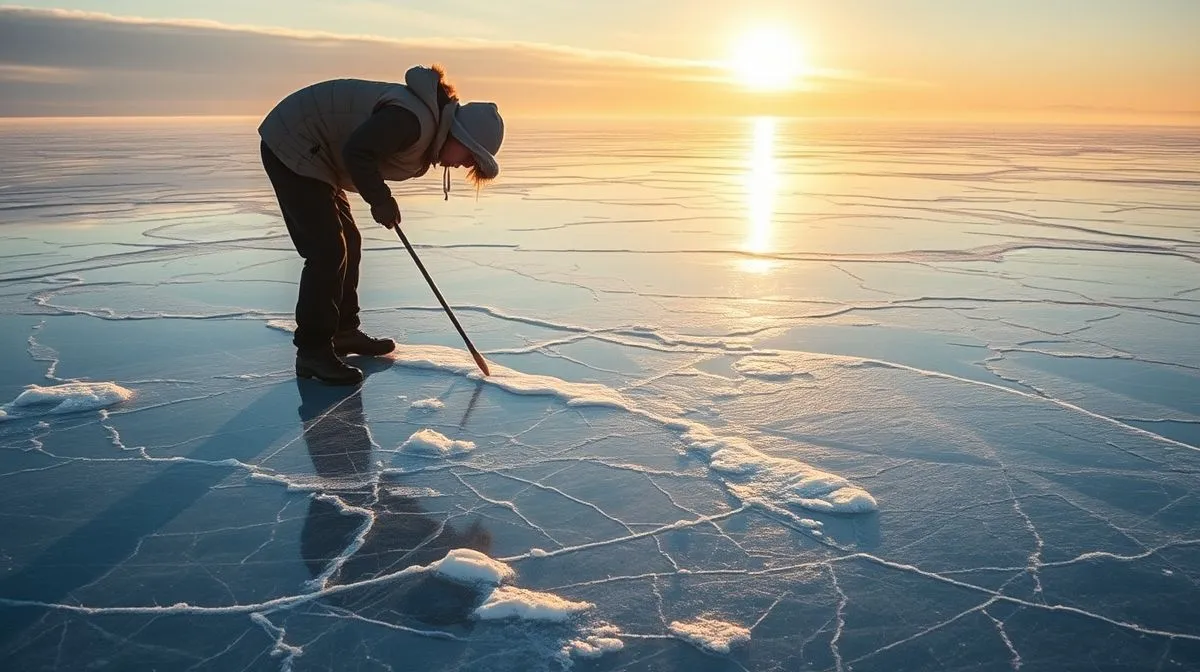
Navigating the Winter Wonderland: How to Determine if a Frozen Lake is Safe?
The allure of a frozen lake on a crisp winter day is undeniable. Imagine gliding across a vast, glassy surface on skates, the silence broken only by the whisper of your blades, or perhaps the quiet anticipation of a fish biting beneath the ice. This serene beauty, however, often masks inherent dangers that demand our utmost respect and knowledge.
Many outdoor enthusiasts, from ice anglers to snowmobilers and casual walkers, are drawn to these icy expanses. Yet, a critical question always looms: how to determine if a frozen lake is safe? The consequences of misjudgment can be severe, transforming a peaceful outing into a life-threatening emergency.
This comprehensive guide is designed to empower you with the knowledge and practical skills needed to assess ice conditions confidently. By understanding the science behind ice formation, recognizing crucial visual cues, and adopting essential safety practices, you will learn to make informed decisions that ensure your winter adventures remain both thrilling and secure.
The Science of Ice: Understanding Formation and Strength
Ice isn't just frozen water; it's a complex structure whose strength is influenced by numerous environmental factors. Understanding how ice forms and the variables that impact its integrity is the first step in assessing its safety.
How Ice Forms on Water Bodies
Ice typically begins to form when the surface water temperature drops to 0°C (32°F). However, the water column beneath must also cool significantly, often to around 4°C (39°F), its densest point, before true freezing begins from the top down. This process is rarely uniform across an entire lake.
Initial freezing often occurs in sheltered areas, like shallow bays or areas protected from wind and currents. As temperatures remain consistently below freezing, the ice sheet expands and thickens. The rate of thickening depends heavily on sustained cold temperatures and the absence of insulating snow.
Factors Affecting Ice Strength
The strength of ice is not solely determined by its thickness. Several critical factors play a significant role:
- Temperature Fluctuations: Consistent cold is key. Cycles of freezing and thawing, even if brief, can significantly weaken ice by creating internal stresses and reducing its structural integrity.
- Snow Cover: A blanket of snow acts as an insulator, slowing down the freezing process and often leading to softer, weaker ice underneath. Heavy snow can also depress the ice, causing water to seep up and create slush.
- Water Currents and Inlets/Outlets: Areas with moving water, such as river inlets, outlets, or underwater springs, freeze slower and remain weaker than stagnant areas. Currents can erode the underside of the ice.
- Lake Size and Depth: Larger, deeper lakes take longer to freeze solid and are more susceptible to wind and currents that can break up ice. Shallow ponds typically freeze faster and more uniformly.
- Chemical Composition: Water with higher salinity or dissolved minerals will have a lower freezing point, meaning it requires colder temperatures to freeze solid.
The Golden Rules of Ice Thickness: A Visual Guide
While not the only factor, ice thickness is often the primary indicator people look for. However, it's crucial to understand that these are general guidelines for clear, solid ice, and other factors can necessitate greater thickness.
Minimum Thickness for Activities
Safety organizations across North America provide general recommendations for minimum ice thickness:
- 4 inches (10 cm): Safe for ice fishing or other activities on foot. This is the absolute minimum for a single person.
- 5-7 inches (12-18 cm): Suitable for a small group of people or snowmobiles.
- 8-12 inches (20-30 cm): Can support a small car or light truck.
- 12-15 inches (30-38 cm): Necessary for medium-sized trucks or larger vehicles.
It's important to note that these are for new, clear, solid ice. Snow-covered or white ice may require double the thickness for the same activity. Always err on the side of caution.
How to Measure Ice Thickness
You cannot simply guess ice thickness. Direct measurement is imperative. This involves making a small hole in the ice near the shore where it's safer and checking the thickness. Useful tools include:
- Ice Auger: A hand or power auger quickly drills a hole through the ice.
- Spud Bar: A long, heavy chisel-like tool used to chip away at the ice. It's also excellent for testing ice strength as you walk.
- Tape Measure: Once a hole is made, use a tape measure or a marked stick to determine the precise thickness of the ice.
Always check ice thickness at multiple points, especially as you venture further from shore. Ice thickness can vary dramatically even within a small area.
What Does Ice Color Tell You? Decoding the Hues of Safety
The color of ice provides vital clues about its composition and underlying strength. Learning to interpret these colors can significantly enhance your ability to determine if a frozen lake is safe.
Clear (Black) Ice: The Strongest
Clear ice, often appearing dark or 'black' because you can see through it to the water below, is typically the strongest and most reliable. This ice forms from a direct freeze of water without significant snow or slush incorporation. It has a dense, uniform crystalline structure.
Four inches of clear, solid ice is generally considered safe for foot travel. However, even clear ice can be compromised by currents or underlying springs.
White (Snow) Ice: Proceed with Caution
White ice, also known as 'snow ice' or 'slush ice,' forms when snow falls on thin ice and freezes, or when slush on top of the ice freezes. This type of ice is significantly weaker than clear ice because it contains air bubbles and has a less uniform structure. It's often milky or opaque in appearance.
White ice can be half as strong as clear ice, meaning you might need 8 inches of white ice to be as safe as 4 inches of clear ice. It's best to avoid areas dominated by white ice if possible.
Grey/Mottled Ice: Danger Ahead
Grey ice or mottled ice indicates the presence of water within the ice, often due to thawing and refreezing cycles, or the presence of a current. This ice has lost its strength and is highly unstable. It often appears dark and waterlogged.
Any ice that appears grey or mottled should be considered extremely dangerous. Avoid these areas at all costs.
Slushy Ice: Avoid at All Costs
Slushy ice is a mixture of water and ice crystals that haven't fully frozen or have begun to melt. It offers virtually no support and is a clear sign of unsafe conditions. This can occur after a snowfall that insulates the ice, or during a warm spell.
If you encounter slush, especially deep slush, turn back immediately. It's a precursor to open water or extremely weak ice.
Beyond Thickness: Other Critical Indicators of Ice Safety
While thickness and color are primary indicators, a truly comprehensive assessment of ice safety requires evaluating several other factors. Neglecting these can lead to perilous situations, even on seemingly thick ice.
Sounds of the Ice: Cracks, Booms, and Groans
Ice communicates its stability through sound. Listen carefully:
- Loud Cracks or Booms: These are often normal and indicate the ice is expanding or contracting with temperature changes. A single loud crack is usually less concerning than continuous cracking.
- Continuous Cracking or Groaning: A series of persistent, unsettling cracks or groans, especially if they intensify as you move, can signal that the ice is under stress and may be about to break.
- Water Sloshing Sounds: If you hear water sloshing beneath the ice, it indicates thin ice or open water nearby.
Trust your instincts. If the sounds make you uneasy, it's a strong sign to retreat.
Presence of Water or Slush on Top
Puddles of water or areas of slush on top of the ice are red flags. They can be caused by:
- Recent warm weather or rain.
- Heavy snow depressing the ice, causing water to seep up through cracks.
- Thin ice below, unable to support the weight above.
These conditions reduce friction, make walking hazardous, and are strong indicators of compromised ice integrity.
Open Water Areas and Pressure Ridges
Always be vigilant for areas of open water. These indicate dangerous conditions. Pressure ridges are also hazardous – these are areas where ice sheets have collided and buckled, creating a raised line of broken, unstable ice. They are often weak points.
Even if the main body of the lake seems safe, these specific features can be deadly traps. Always give them a wide berth.
The Impact of Moving Water (Inlets, Outlets, Currents)
Anywhere water is moving, ice will be thinner and weaker. This includes:
- River Inlets and Outlets: Water flowing into or out of a lake keeps these areas from freezing solid or thins existing ice.
- Underwater Springs: These can create localized weak spots that are invisible from the surface.
- Aerators: Some lakes have aerators to prevent winter fish kills; these create large open water areas that never freeze.
Always assume these areas are unsafe, regardless of the overall lake conditions. Check with local authorities for known hazards. For instance, the Minnesota DNR provides excellent ice safety guidelines that emphasize awareness of such features.
Essential Gear and Practices for Ice Safety
Knowing how to determine if a frozen lake is safe is crucial, but so is being prepared for the unexpected. Even the most experienced ice enthusiasts can encounter unpredictable conditions. Personal safety gear and responsible practices are non-negotiable.
Personal Safety Equipment
Always carry the following when venturing onto ice:
- Ice Picks: Worn around your neck, these are your best friend if you fall through. They allow you to grip the ice and pull yourself out.
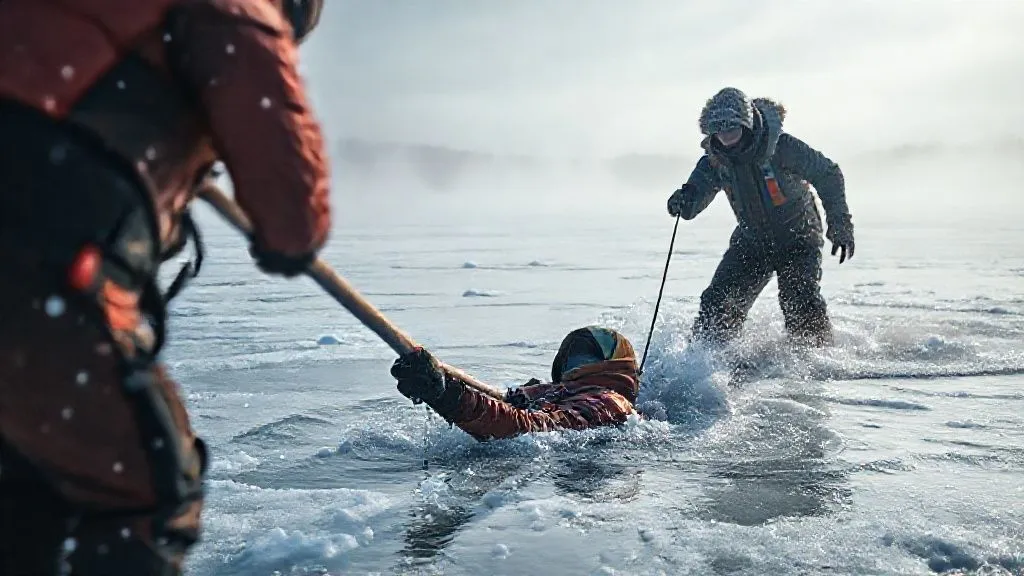
- Rope: A long throw rope (at least 50 feet) with a floatable end can be used to rescue someone else or be thrown to you.
- Whistle: To signal for help.
- Flotation Device: A personal flotation device (PFD) or even an inflatable life vest can keep you afloat and greatly increase your survival time in cold water.
- Spud Bar/Ice Chisel: As mentioned, for testing ice ahead of you.
- Warm, Layered Clothing: Non-cotton layers are best to wick away moisture and retain warmth. A waterproof outer layer is vital.
Never Go Alone: The Buddy System
The cardinal rule of ice safety is to never venture onto the ice alone. Always go with a buddy or group. If someone falls through, the presence of others is critical for a rapid rescue. Ensure everyone in the group knows how to perform a rescue.
Sharing Your Plans
Before heading out, always inform someone reliable about your exact location and your expected return time. This 'float plan' ensures that if you don't return as expected, help can be dispatched to the correct area promptly. This simple step can be a lifesaver.
What to Do If You Fall Through
Despite all precautions, accidents can happen. Knowing what to do if you fall through ice can save your life:
- Don't Panic: Panic uses up valuable energy and makes rational thought difficult.
- Turn Towards the Direction You Came From: This is likely where the ice is strongest.
- Use Ice Picks: Drive your ice picks into the solid ice ahead of you.
- Kick Vigorously: Kick your legs to propel yourself onto the ice.
- Pull Yourself Out: Use your arms and ice picks to pull yourself onto the ice, like a seal.
- Roll Away: Once on the ice, roll away from the hole to distribute your weight, then crawl to safety.
- Get Warm Immediately: Seek shelter, remove wet clothing, and get into dry, warm clothes. Get medical attention for hypothermia. The Canadian Red Cross offers excellent resources on cold-related emergencies, including hypothermia.
Common Misconceptions and Dangerous Assumptions
Many accidents on frozen lakes stem from dangerous assumptions or common misconceptions. Dispelling these myths is crucial for promoting genuine ice safety and helping individuals truly understand how to determine if a frozen lake is safe.
"It's Cold, So It Must Be Safe"
This is perhaps the most dangerous misconception. While cold temperatures are necessary for ice formation, sustained cold is what builds strong, stable ice. A few days of extreme cold after a warm spell can create a thin, brittle layer of ice over warmer water. Furthermore, snow cover can insulate ice, preventing it from thickening even during cold snaps.
Always check conditions directly, regardless of the air temperature.
"Others Are On It, So It's Fine"
Just because you see others on the ice does not mean it's safe for you. They might be aware of specific safe routes, have different equipment, or simply be taking an unacceptable risk. Their activity could also be compromising the ice for everyone else.
Always conduct your own assessment and make independent judgments about ice safety. Never follow blindly.
"Snow Covers It, So It's Thicker"
Contrary to popular belief, snow acts as an insulator, slowing down the freezing process of the water beneath. A heavy blanket of snow can prevent ice from thickening and can even depress the ice sheet, causing water to seep up and form slushy, weak layers.
Snow-covered ice is often significantly weaker than clear ice of the same apparent thickness. It also hides visual cues like cracks or open water.
Regional Variations and Local Conditions
Ice safety is not a one-size-fits-all concept. Conditions can vary dramatically not just from lake to lake, but even across different areas of the same lake. Understanding these regional and local nuances is vital for accurate risk assessment.
Importance of Checking Local Reports
Before heading out, always check local ice condition reports. Many state or provincial natural resource departments, local bait shops, or outdoor recreation groups provide regular updates on specific lakes. These reports often include:
- Reported ice thickness in various locations.
- Areas of concern (e.g., open water, pressure ridges).
- Current weather trends affecting ice.
While these reports are helpful, they are not a substitute for your own on-site assessment. Conditions can change rapidly.
Understanding Microclimates
Even within a single large lake, microclimates can exist. For instance, a shallow bay protected from wind might freeze solid much faster and thicker than a deeper, exposed main channel. Areas near bridges, culverts, or points where streams enter or exit the lake will almost always have weaker ice due to currents.
Pay attention to the specific topography of the lake and how it interacts with weather patterns. A sunny, south-facing shore might have weaker ice than a shaded, north-facing one.
Frequently Asked Questions (FAQ)
What is the general rule for safe ice thickness for walking? The general rule for clear, new ice is a minimum of 4 inches (10 cm) for a single person on foot. However, always exercise caution and consider other factors like ice color and underlying currents.
Does snow on ice make it stronger? No, snow on ice actually acts as an insulator, slowing down the freezing process and often resulting in weaker, less dense ice beneath. It also hides visual cues of dangerous conditions.
Why is clear ice stronger than white ice? Clear ice forms from a direct freeze of water, creating a dense, uniform crystalline structure with few air bubbles. White ice, formed from frozen snow or slush, contains many air pockets, making it less dense and significantly weaker.
What should I do if I hear the ice cracking? If you hear loud, continuous cracking, especially if it's accompanied by groaning sounds, it's a strong indicator that the ice is under stress. Spread out your weight by lying down, and slowly and carefully retreat in the direction you came from.
Is ice ever 100% safe? No, ice conditions are dynamic and can change rapidly due to weather, currents, and underlying factors. There is always an inherent risk when on frozen water. Always approach ice with respect and caution, and prioritize safety over recreation.
Recommended Reading
- Unlock the Ultimate Escape: How to Plan a Glamping Wilderness Retreat Adventure
- Unlock Europe: The Ultimate Guide to Interrail Travel Days Explained
- Europe on a Shoestring: Family Travel Tips That Won't Break the Bank
- Maldives Celebrity Hotspots: Where Do Stars Escape?
- Unlocking the Style Secrets: What to Wear to a Fancy Rooftop Bar in a City Break?
Conclusion
Venturing onto a frozen lake offers unparalleled winter experiences, but it's an activity that demands respect, knowledge, and constant vigilance. Understanding how to determine if a frozen lake is safe is not merely a set of guidelines; it's a critical life skill for anyone who enjoys the beauty of winter. By prioritizing direct ice thickness measurements, interpreting ice color, listening to its sounds, and being aware of environmental factors like currents and snow, you equip yourself with the ability to make informed, safe decisions.
Remember, no ice is ever 100% safe, and conditions can change rapidly. Always err on the side of caution, carry essential safety gear, go with a buddy, and inform others of your plans. Embrace the winter wonderland, but do so with the confidence that comes from being prepared and knowledgeable, ensuring your adventures remain memorable for all the right reasons.

Your email address will not be published. Required fields are marked *