

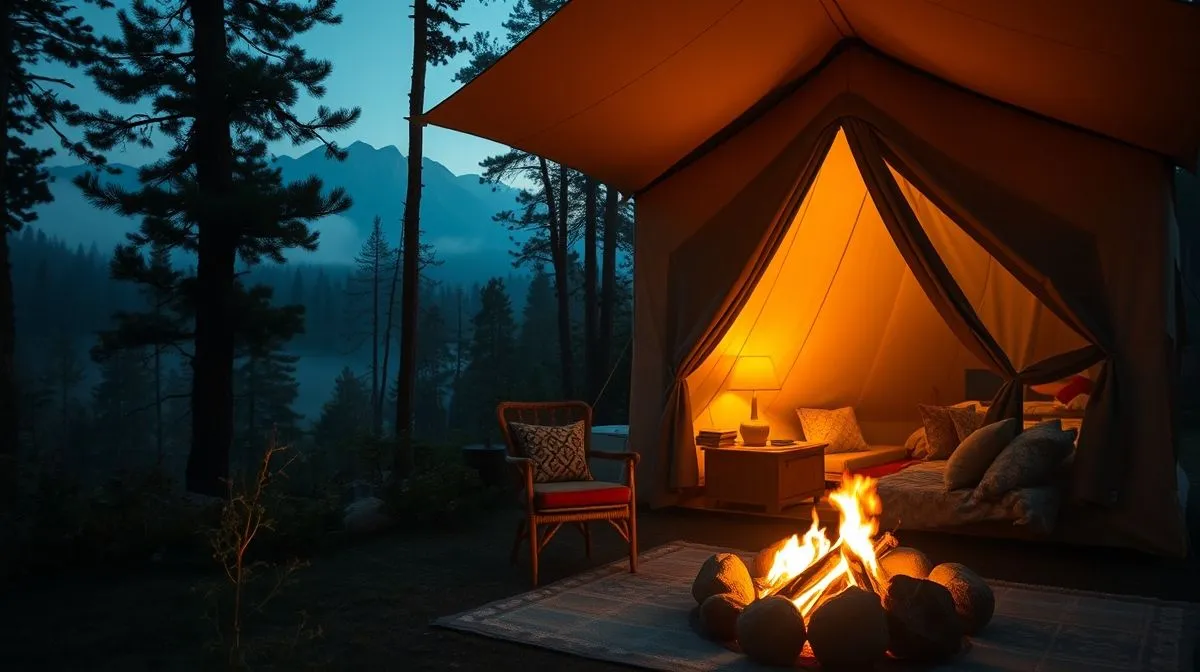
How to Plan a Glamping Wilderness Retreat Adventure?
Have you ever yearned to escape the relentless hum of urban life, to truly disconnect and immerse yourself in the raw, untamed beauty of the wilderness, yet without sacrificing the comforts that make an experience truly rejuvenating? The idea of a traditional camping trip might conjure images of roughing it, but what if you could have the best of both worlds?
The challenge lies in marrying the rugged allure of the wild with the sophisticated amenities of a luxury getaway. It’s about striking that perfect balance where you're deeply connected to nature, yet still have a plush bed, gourmet meals, and perhaps even a hot shower at your fingertips. This isn't just camping; it's an elevated experience that demands thoughtful preparation.
This comprehensive guide will walk you through every critical step of how to plan a glamping wilderness retreat adventure. From envisioning your ideal escape to packing the perfect gear and ensuring minimal environmental impact, you'll learn the secrets to crafting an unforgettable journey into nature's lap, redefined by luxury and tranquility.
Defining Your Glamping Vision: More Than Just a Tent
What is Glamping, Really?
Glamping, a portmanteau of "glamorous camping," is an experience that allows you to enjoy the restorative power of nature without sacrificing modern comforts. It's about blending the immersive joy of outdoor living with the conveniences and aesthetics of a luxury hotel stay. Unlike traditional camping, where the focus is often on minimalist living and self-sufficiency in challenging conditions, glamping prioritizes comfort, style, and ease of access to natural beauty.
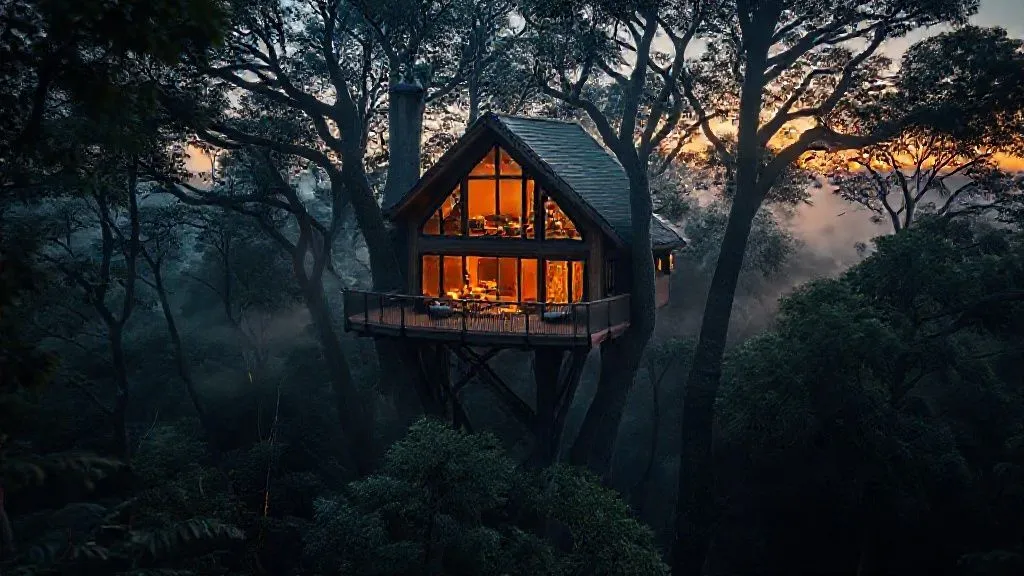
It can manifest in many forms: elaborate safari tents, geodesic domes, yurts, treehouses, or even fully equipped RVs in picturesque settings. The common thread is the provision of amenities that elevate the outdoor experience beyond a basic tent and sleeping bag. This might include real beds, private bathrooms, heating/cooling, and even Wi-Fi in some locations.
Why Choose Wilderness Glamping?
Opting for a wilderness glamping retreat specifically amplifies the benefits. It allows for a deeper connection with untouched nature, far from crowded campsites or commercialized resorts. Imagine waking up to the sounds of wildlife, with panoramic views of mountains, forests, or deserts right outside your tent, all while sipping coffee from a comfortable armchair.
Wilderness glamping offers unparalleled opportunities for solitude, introspection, and adventure. It combines the thrill of exploring remote landscapes with the comfort of returning to a well-appointed sanctuary. This unique blend makes it ideal for those seeking both an authentic outdoor experience and a truly relaxing escape from daily stressors.
Choosing Your Untamed Sanctuary: Location, Location, Location
Researching Pristine Wilderness Spots
The success of your glamping wilderness retreat hinges significantly on your chosen location. Think beyond typical campgrounds. Research national parks, state forests, private conservation lands, or even remote private properties that allow glamping. Consider the type of natural environment you desire: dense forests, arid deserts, alpine meadows, or rugged coastlines.
Look for areas known for their natural beauty, biodiversity, and opportunities for desired activities like hiking, birdwatching, or stargazing. Resources like the National Park Service wilderness pages or local tourism boards can offer valuable insights into permitted activities and unique features of different regions. Pay attention to seasonal variations; a desert retreat in summer might be unbearable, while a snowy mountain escape in winter requires specialized gear.
Permits and Regulations: The Unsung Heroes of Planning
Wilderness areas often have strict regulations to protect their fragile ecosystems. Before finalizing your spot, thoroughly investigate permit requirements for camping, fire, and even specific activities. Many popular wilderness areas require advanced reservations, especially for glamping sites, which are often limited.
Understanding local rules regarding waste disposal, water sourcing, and wildlife interaction is paramount. Failing to adhere to these can result in fines or, more importantly, harm to the environment. Always check the official websites of the land management agency (e.g., National Forest Service, Bureau of Land Management) for the most up-to-date information.
Essential Gear for the Discerning Adventurer
Packing for a glamping wilderness retreat is an art. It's about bringing enough to be comfortable and safe, without overpacking. Here’s a breakdown of critical categories:
The Glamping Tent: Your Luxurious Base
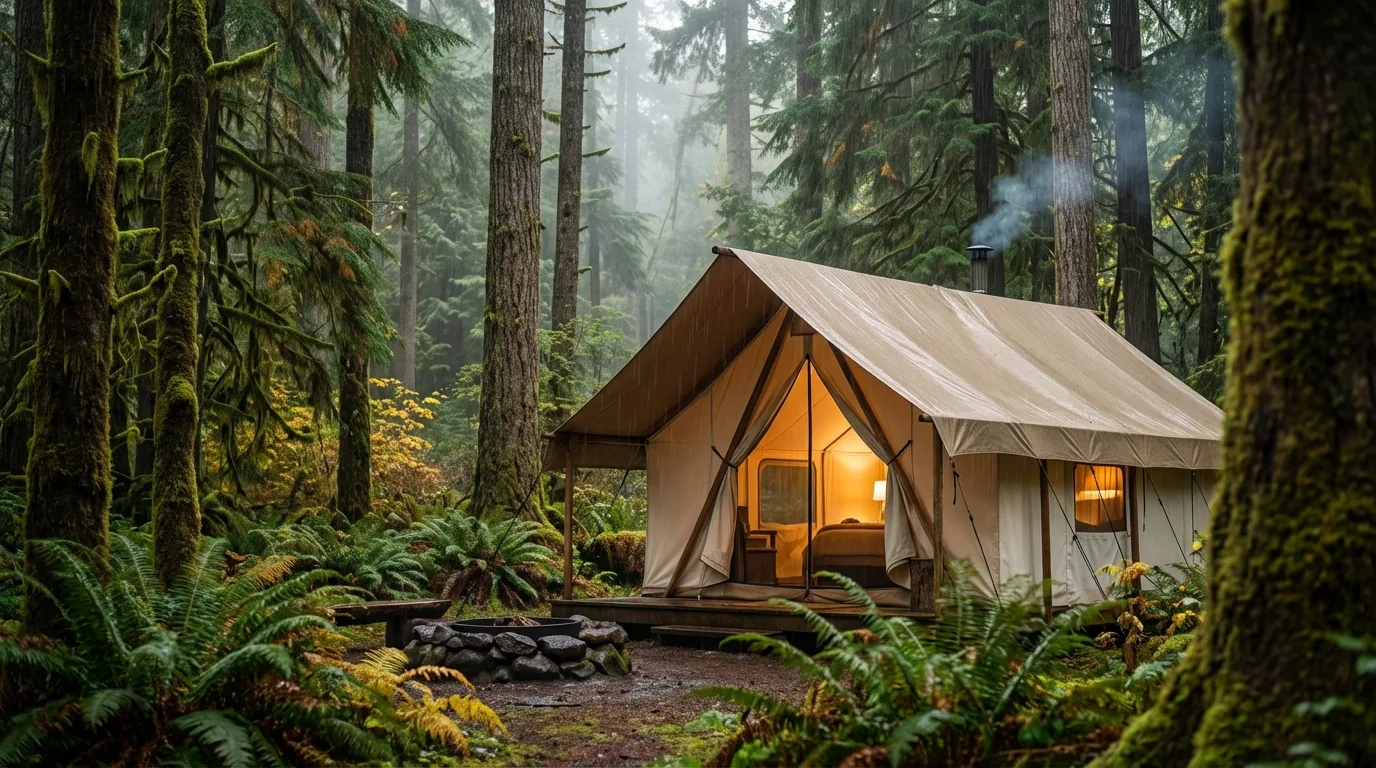
- Canvas Bell Tents: Popular for their spaciousness, durability, and classic aesthetic. They offer excellent insulation and stand up well to various weather conditions.
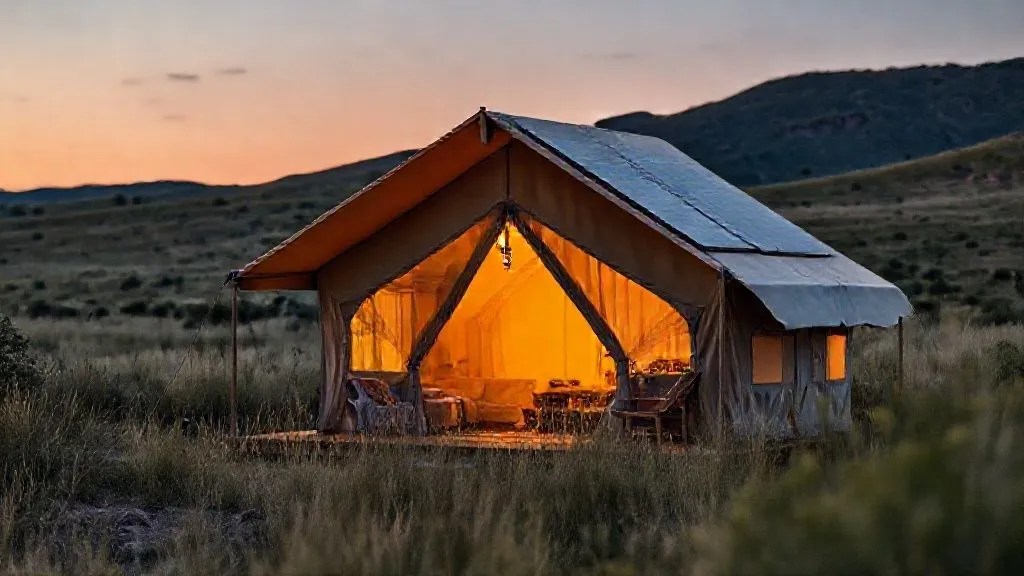
- Safari Tents: Often more structured, with multiple rooms and sometimes even raised platforms. These provide a more permanent, house-like feel.
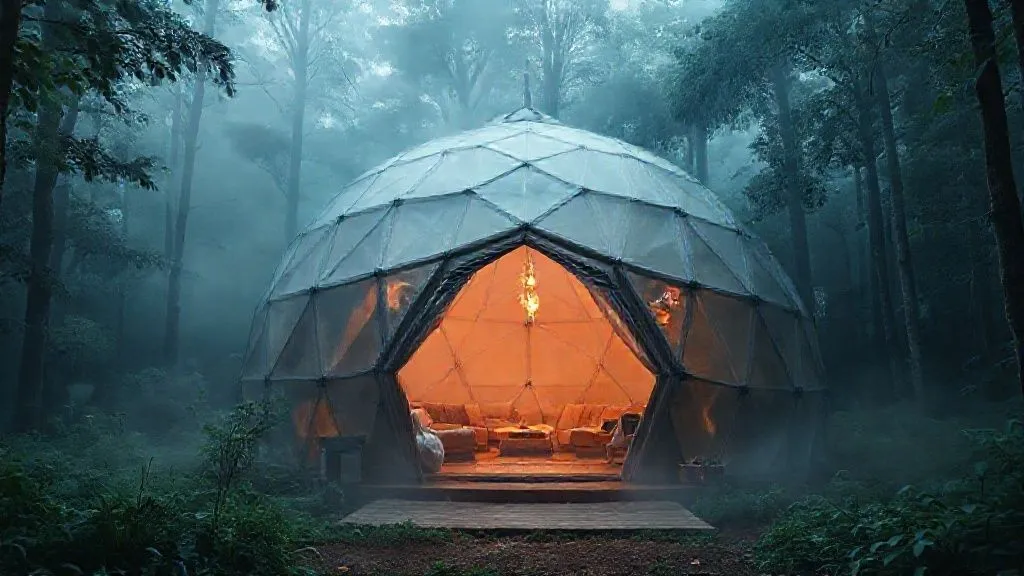
- Geodesic Domes: Offer incredible strength and panoramic views. They are excellent for extreme weather and provide a unique, modern glamping experience.
- Portable Yurts: Inspired by nomadic structures, yurts provide a cozy, circular space with good insulation.
Ensure your chosen shelter is appropriate for the expected weather and terrain. Look for models with good ventilation, sturdy poles, and waterproof materials. Consider ease of setup if you're not opting for a pre-erected site.
Comfort and Convenience: Beyond the Basics
- Sleeping System: A high-quality air mattress or cot, plush bedding (sheets, comforter, pillows), and a sleeping bag rated for the lowest expected temperatures.
- Furniture: Comfortable chairs, a small table, and perhaps even a portable couch can transform your tent into a cozy living space.
- Lighting: Battery-operated lanterns, string lights (solar-powered for ambiance), and headlamps for personal use. Avoid open flames inside your tent.
- Power: Portable power stations or solar chargers are essential for keeping devices charged, especially if you plan to use electric blankets or small appliances.
- Kitchen Essentials: A portable stove, cooler (high-quality, insulated), cooking utensils, dinnerware, and biodegradable soap.
Safety and Navigation: Prioritizing Well-being
- First-Aid Kit: Comprehensive and well-stocked for wilderness emergencies. Include pain relievers, bandages, antiseptic wipes, allergy medication, and any personal prescriptions.
- Navigation Tools: GPS device, compass, and detailed topographical maps of the area. Do not rely solely on your phone.
- Communication: Satellite phone or personal locator beacon (PLB) for emergencies in areas without cell service.
- Weather Gear: Appropriate layers of clothing for all conditions, including rain gear, insulated jackets, and sun protection (hats, sunscreen).
- Wildlife Safety: Bear spray (if applicable), bear-resistant food containers, and knowledge of local wildlife.
Crafting Your Culinary Wilderness Experience
Gourmet Camp Meals: Elevating Outdoor Dining
One of the true luxuries of a glamping wilderness retreat is the opportunity to enjoy delicious, high-quality food in an unparalleled setting. Forget dehydrated meals; think fresh, flavorful, and easy-to-prepare dishes. Plan your menu in advance, focusing on ingredients that travel well and require minimal cooking time.
Consider pre-prepping ingredients at home, such as chopping vegetables, marinating meats, or mixing dry ingredients for pancakes. Portable grills, Dutch ovens, and even small propane ovens can expand your culinary capabilities. Don't forget the gourmet touches: artisanal cheeses, specialty coffees, and perhaps a good bottle of wine to enjoy under the stars.
Water Sourcing and Purification
Access to clean drinking water is non-negotiable in the wilderness. If your glamping site doesn't have a potable water source, you'll need to bring enough water for drinking, cooking, and hygiene. A good rule of thumb is at least one gallon per person per day for drinking, plus extra for other uses.
Alternatively, invest in reliable water purification methods if you plan to source water from natural bodies. Options include portable water filters (e.g., Sawyer Squeeze, Katadyn BeFree), UV purifiers (e.g., SteriPEN), or purification tablets. Always have a backup method. Understanding the local water sources and their potential contaminants is crucial for your health and safety.
Activities and Immersion: Connecting with Nature
Mindful Exploration and Relaxation
While the comforts of your glamping setup are inviting, the true essence of a wilderness retreat lies in engaging with your surroundings. Plan activities that allow for deep immersion in nature. This could include:
- Hiking: Explore nearby trails, from leisurely strolls to challenging ascents, discovering hidden waterfalls or panoramic viewpoints.
- Wildlife Viewing: Bring binoculars and a field guide. Observe birds, deer, or other local fauna from a respectful distance.
- Photography: Capture the stunning landscapes, unique flora, and memorable moments of your adventure.
- Reading and Journaling: Find a quiet spot to read a book or reflect on your experiences in a journal.
- Yoga or Meditation: Practice mindfulness amidst the tranquility of nature, enhancing your sense of peace and well-being.
Stargazing and Nighttime Wonders
One of the most profound experiences of a wilderness glamping trip is the night sky. Far from city lights, the stars truly come alive. Bring a stargazing app or a basic telescope to identify constellations, planets, and even distant galaxies. The silence of the wilderness at night, broken only by natural sounds, offers a unique opportunity for introspection and connection with the vastness of the universe.
Consider a night hike (with appropriate lighting and navigation) to experience the nocturnal wilderness. Listen for owls, coyotes, or other creatures that emerge after dark. This provides a completely different perspective on the natural world.
Sustainable Glamping: Treading Lightly
Part of the privilege of enjoying pristine wilderness is the responsibility to protect it. Sustainable glamping means minimizing your environmental footprint and leaving no trace of your visit. This is a core tenet for any outdoor enthusiast.
Leave No Trace Principles
The Leave No Trace Center for Outdoor Ethics outlines seven principles for responsible outdoor recreation:
- Plan Ahead and Prepare: Minimizing impact starts before you leave home.
- Travel and Camp on Durable Surfaces: Stick to established trails and campsites.
- Dispose of Waste Properly: Pack it in, pack it out. This includes all trash, food scraps, and human waste.
- Leave What You Find: Do not disturb natural objects, artifacts, or wildlife.
- Minimize Campfire Impacts: Use established fire rings, keep fires small, and ensure they are completely out.
- Respect Wildlife: Observe from a distance, never feed animals, and store food securely.
- Be Considerate of Other Visitors: Respect privacy and quiet, especially in shared areas.
Adhering to these principles ensures that the natural beauty you enjoy today will be preserved for future generations. Your glamping wilderness retreat should enhance, not degrade, the environment.
Supporting Local Ecosystems
Beyond personal actions, consider how your trip can positively impact local communities and ecosystems. Choose glamping operators who prioritize eco-friendly practices, use renewable energy, and source local produce. Support local businesses for supplies or guided tours. Educate yourself on local conservation efforts and consider donating to organizations that protect the wilderness areas you visit.
Common Pitfalls and How to Avoid Them
Underestimating Wilderness Conditions
Even with luxurious comforts, the wilderness remains unpredictable. Weather can change rapidly, and terrain can be challenging. Many glampers, accustomed to more controlled environments, fail to adequately prepare for extreme temperatures, sudden storms, or challenging navigation. Always check multiple weather forecasts and pack for the worst-case scenario, not just the best.
Overpacking vs. Underpacking
Finding the right balance is crucial. Overpacking can make transport cumbersome and clutter your glamping space. Underpacking can leave you uncomfortable, unsafe, or lacking essential items. Create a detailed packing list based on your itinerary, location, and planned activities. Lay everything out before packing to visualize what you truly need.
Ignoring Local Wildlife Warnings
Wildlife encounters are a part of the wilderness experience, but they must be managed safely. Ignoring warnings about bears, cougars, or venomous snakes can have serious consequences. Learn about the local fauna, understand how to store food properly to avoid attracting animals, and know how to react in an encounter. Your safety, and the safety of the animals, depend on it.
Frequently Asked Questions (FAQ)
What is the main difference between glamping and traditional camping? Glamping emphasizes comfort, luxury amenities, and curated experiences within nature, often involving pre-set, well-appointed structures. Traditional camping typically involves more basic gear, self-sufficiency, and a focus on minimalist outdoor living.
How do I find a suitable location for a glamping wilderness retreat adventure? Research national parks, state forests, and private wilderness areas. Look for established glamping sites or areas that permit your chosen luxury camping setup. Always check for necessary permits and regulations from land management agencies.
What essential gear should I prioritize for a comfortable glamping experience? Prioritize a high-quality shelter (bell tent, dome, yurt), a comfortable sleeping system (air mattress, quality bedding), portable power sources, and a well-stocked gourmet camp kitchen. Don't forget comprehensive safety and navigation tools.
How can I make my glamping trip eco-friendly? Adhere strictly to Leave No Trace principles, minimize waste by packing out everything you bring in, conserve water and energy, and choose glamping operators who prioritize sustainable practices and support local conservation efforts.
Is glamping safe in remote wilderness areas? Yes, but safety depends heavily on preparation. Always carry comprehensive first-aid, reliable navigation tools, and emergency communication devices. Be aware of local wildlife, weather patterns, and inform someone of your itinerary.
Recommended Reading
- The Savvy Traveler's Guide: What to Look For When Booking a Budget Hostel?
- Unforeseen Adventures: How to Prepare for Unexpected in Remote Travel?
- Unlock Accessible Adventures: Your Ultimate Guide to Disability-Friendly Travel
- Unveiling the Hidden Health Effects of Private Space Travel: Are You Ready?
- Master Your First White Water Rafting Trip: Essential Prep Guide
Conclusion
Mastering how to plan a glamping wilderness retreat adventure is about blending meticulous preparation with a spirit of luxurious exploration. It's an opportunity to forge a deeper connection with the natural world while indulging in comforts often reserved for high-end resorts. By carefully selecting your location, assembling the right gear, planning exquisite meals, and committing to sustainable practices, you can create an escape that is both profoundly rejuvenating and remarkably comfortable.
Embrace the challenge of orchestrating your own slice of paradise in the wild. The effort you invest in planning will be richly rewarded by unforgettable moments under starry skies, invigorating days spent exploring pristine landscapes, and the profound peace that only true wilderness can offer. Your ultimate escape awaits.

Your email address will not be published. Required fields are marked *