

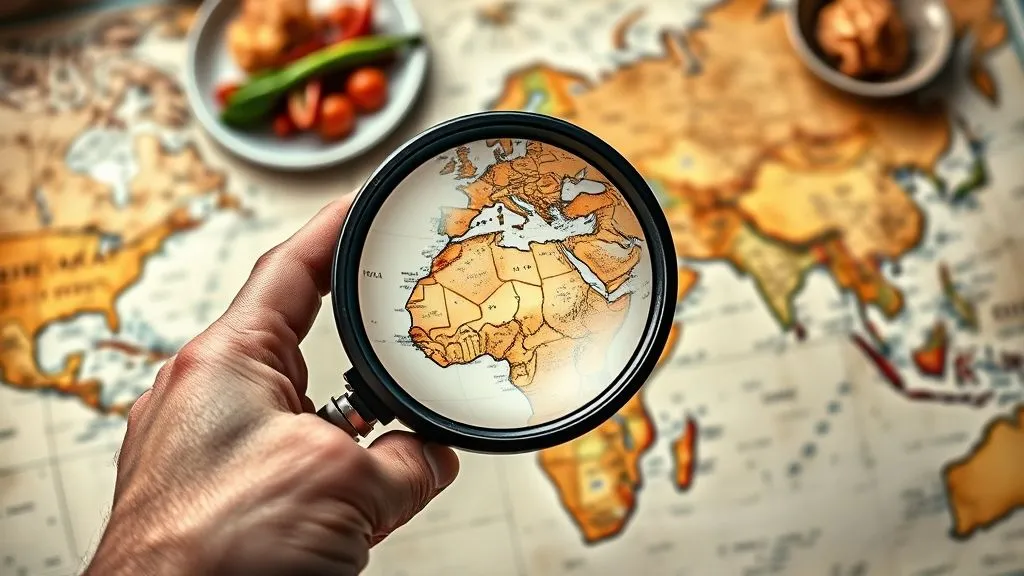
How to Discover Untapped Foodie Regions for Bespoke Tours?
For over 15 years in the specialized world of food travel, I've seen countless tour operators and travel designers make a fundamental mistake: they chase after the same well-trodden culinary paths. While Paris, Rome, and Tokyo offer undeniable gastronomic delights, their very popularity often dilutes the potential for truly unique, bespoke experiences that today's discerning food traveler craves.
The real challenge, and indeed the exciting opportunity, lies in satisfying clients who are no longer content with a curated list of Michelin-starred restaurants in a tourist hotspot. They seek authenticity, exclusivity, and a deep dive into local culture through its food – experiences that are genuinely 'untapped' and reflect a true sense of discovery. The pain point is clear: how do you consistently deliver this unparalleled uniqueness when the world feels increasingly explored?
In this definitive guide, I will share my proprietary, 5-phase framework for precisely how to discover untapped foodie regions for bespoke tours. This isn't about guesswork; it's about combining strategic research, digital ethnography, on-the-ground immersion, and responsible curation to unearth culinary goldmines that will make your bespoke tours legendary.
Beyond the Obvious: Why 'Untapped' Matters More Than Ever
The culinary travel landscape has shifted dramatically. Travelers are savvier, more adventurous, and increasingly seeking experiences that resonate on a deeper, more personal level. Market saturation in popular destinations means that genuine exclusivity is becoming the ultimate luxury.
Furthermore, there's a growing consciousness around sustainable and responsible tourism. By focusing on untapped regions, we not only offer unique value but also contribute to the economic development of local communities and help preserve culinary traditions that might otherwise fade away. It's a win-win: unparalleled experiences for your clients and a positive impact on the world.
"In the realm of high-end travel, true luxury is no longer about opulence, but about access to the authentic and the undiscovered. Exclusivity is the new gold standard for discerning palates."
The demand for authentic cultural immersion, particularly through food, is skyrocketing. Travelers want to understand the story behind their meal, meet the producers, and participate in the culinary process, rather than merely consume. This shift necessitates a proactive approach to identifying regions where such deep engagement is not only possible but still genuinely novel.
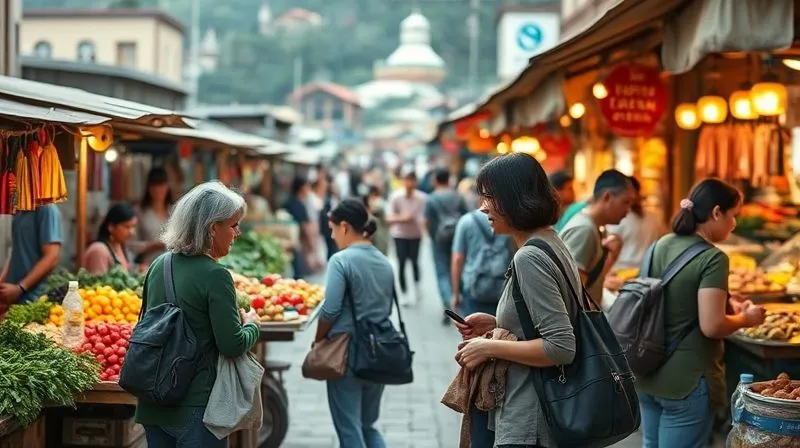
My 5-Phase Framework for Unearthing Culinary Gold
Discovering truly untapped foodie regions requires more than just a hunch; it demands a structured, methodical approach. Over the years, I've refined a five-phase framework that consistently delivers exceptional results. This framework moves from high-level data analysis down to intimate, on-the-ground verification, ensuring every discovery is both unique and viable for bespoke tours.
Phase 1: Deep-Dive Horizon Scanning & Macro-Trend Analysis
Before you even think about specific locations, you need to understand the broader currents shaping the global food scene. This phase is about looking at socio-economic, agricultural, and cultural shifts that create fertile ground for emerging culinary regions. It's about predictive discovery, not reactive searching.
Leveraging Data for Predictive Discovery
Start by identifying regions that are experiencing subtle shifts that might indicate future culinary prominence. This requires a keen eye for often overlooked data points.
- Agricultural Reports: Look for areas with unique biodiversity, heritage crops, or a resurgence in traditional farming methods. The presence of specific, rare ingredients can be a major indicator.
- Demographic Shifts: Analyze migration patterns, particularly the return of younger generations to rural areas, often bringing new energy and ideas to traditional foodways.
- Tourism Growth Patterns: Identify regions with modest, sustainable growth in general tourism, but not yet culinary tourism. This suggests infrastructure is developing without mass market saturation.
- Emerging Culinary Schools & Movements: Keep an eye on local initiatives promoting traditional food skills, slow food movements, or regional culinary identity.
- Monitor Global Food Trends: Beyond fads, look at long-term shifts like the resurgence of fermentation, ancestral grains, or hyper-local sourcing. Where are these movements finding their roots?
- Analyze Agricultural Investments: Regions receiving investment in sustainable agriculture, artisan food production, or protected geographical indications (PGIs) are often ripe for culinary discovery. The Food and Agriculture Organization of the United Nations (FAO) is an excellent resource for global agricultural data.
- Track Local Government Initiatives: Some regional governments actively promote their unique food heritage for cultural preservation or economic development. These are often excellent, albeit quiet, starting points.

Phase 2: The Art of Digital Ethnography & Hyper-Local Listening
Once you've identified potential regions through macro-analysis, the next step is to go 'digital native.' This phase involves using online tools to listen to local conversations, identify nascent food movements, and find the authentic voices that are often overlooked by mainstream media.
Unearthing Clues from Niche Online Communities
This is where you become a digital detective, sifting through the noise to find genuine local sentiment and activity. It's about understanding the grassroots food scene before it hits the guidebooks.
- Specialized Food Blogs & Forums: Search for blogs written by locals, or forums where regional food discussions take place, often in the local language.
- Regional Social Media Hashtags: Go beyond generic hashtags. Look for hyper-local tags like #localfood[region], #slowfood[city], or #artisancuisine[village]. Track profiles of local chefs, farmers, and food artisans.
- Local Expat & Diaspora Groups: These groups often share insights into the authentic local food scene, as they are both integrated and have an outsider's perspective.
- Online Cooking Classes & Workshops: Look for small, local initiatives offering traditional cooking classes, which often highlight unique ingredients and methods.
- Identify Micro-Influencers: Seek out individuals with smaller, highly engaged local followings who are passionate about their region's food heritage. Their recommendations are often gold.
- Translate Local Culinary Terms: Use online translation tools to understand specific ingredients, dishes, and cooking methods unique to the region. This helps in deeper research.
- Look for Small Family-Run Establishments: These are often the custodians of traditional recipes and techniques. Their online presence might be minimal, but mentions in local forums can be key.
Case Study: Uncovering Transylvanian Culinary Revival
I once worked with a tour operator struggling to differentiate their Eastern European offerings, which were largely focused on capital cities. By implementing digital ethnographic research, we identified a burgeoning movement in rural Transylvania. Young chefs and local farmers were revitalizing forgotten Saxon and Hungarian recipes, focusing on ancient grains, wild foraged ingredients, and traditional preservation methods. We found local Facebook groups discussing heritage ingredients and small, family-run guesthouses offering farm-to-table experiences that were almost invisible to the mainstream internet. This led to a bespoke tour focusing on 'Transylvanian Heirloom Cuisine,' which sold out within weeks and received rave reviews for its authenticity and exclusivity. It demonstrated that genuine local voices, not mass marketing, hold the key to truly unique experiences. This approach to deep, localized digital research is vital for understanding a region's true culinary pulse, as detailed in studies on digital ethnography in tourism.
Phase 3: Boots on the Ground – The Immersion & Vetting Process
While digital research is invaluable, nothing replaces physical presence. This phase is about hitting the ground, immersing yourself in the local culture, and personally vetting the authenticity and viability of a region for bespoke tours. This is where true 'untapped' discovery happens.
Building Local Trust and Verifying Authenticity
Your presence on the ground is not just for observation; it's for building relationships, understanding the nuances, and gaining trust within the local community. This is crucial for accessing truly exclusive experiences.
- Visit Local Markets: Spend hours at farmers' markets, fish markets, and artisan food stalls. Engage with vendors, ask about their produce, and observe local buying habits.
- Eat at Non-Touristy Spots: Seek out eateries frequented exclusively by locals – the small tavernas, family-run cafes, and hole-in-the-wall establishments.
- Connect with Local Culinary Stakeholders: Actively seek out chefs, farmers, winemakers, artisans, and food historians. Attend their workshops or demonstrations.
- Participate in Local Events: Attend food festivals, harvest celebrations, or community cooking events. These are often rich sources of cultural and culinary insights.
"The most profound culinary discoveries are made not in the pages of a guidebook, but in the kitchens and fields of local communities, built on trust and genuine human connection."
- Engage with Regional Tourism Boards: Focus on smaller, regional or provincial tourism offices rather than national ones. They often have deeper knowledge of local initiatives and hidden gems.
- Attend Local Agricultural Fairs: These events are fantastic for understanding the agricultural backbone of a region, meeting producers, and discovering unique local products.
- Conduct Informal Interviews: Engage locals in conversation about their food heritage, family recipes, and favorite local spots. Their stories are invaluable.
This rigorous vetting process ensures that the region not only offers unique culinary experiences but also has the infrastructure and local willingness to support bespoke tours sustainably. For more insights on responsible tourism practices, refer to resources like Responsible Travel.
Phase 4: Curating the Narrative – Crafting the Bespoke Experience
Once you've identified and vetted an untapped region, the next crucial step is to weave its culinary threads into a compelling narrative. This is where you transform raw discovery into an immersive, bespoke tour experience that tells a story and deeply engages your clients.
From Ingredients to Immersion: Designing Unique Itineraries
A truly bespoke tour goes beyond just eating; it's about understanding the cultural context, the history, and the people behind the food. It's about crafting a journey that touches all senses and leaves a lasting impression.
- Unique Ingredients: Highlight the native produce, heirloom varieties, and locally sourced ingredients that define the region's cuisine.
- Traditional Cooking Methods: Showcase ancient techniques like wood-fired ovens, slow cooking, or specific preservation methods that are unique to the area.
- Local Stories & Heritage: Integrate the human element – the stories of the farmers, the generational recipes, the culinary traditions passed down through families.
- Cultural Context: Explain how food is intertwined with local festivals, rituals, and daily life, providing a holistic understanding.
"Every dish tells a story, every ingredient has a history. Your role as a bespoke tour designer is to be the masterful storyteller, connecting your clients to the soul of a place through its food."
- Identify 3-5 Core Culinary Themes: Based on your research, pinpoint the most compelling and unique aspects of the region's food. For example, 'Ancient Grain Revival,' 'Coastal Foraging & Seafood,' or 'Mountain Cheese & Charcuterie.'
- Partner with Local Storytellers: Engage local chefs, historians, farmers, or even grandmothers who can share authentic insights and hands-on experiences. Their personal narratives are invaluable.
- Design Interactive Elements: Incorporate cooking classes using traditional techniques, farm visits where clients can participate in harvesting, foraging expeditions, or artisanal workshops (e.g., bread making, cheese crafting).
| Time | Culinary Focus | ||
|---|---|---|---|
| Activity | Local Partner | ||
| 9:00 AM - 11:00 AM | Visit to local farmers' market | Seasonal produce & heirloom varieties | Farmer Elias & market vendors |
| 11:30 AM - 1:30 PM | Traditional bread-making workshop | Ancient grain heritage | Baker Maria (family bakery) |
| 1:30 PM - 2:30 PM | Lunch at a family-run trattoria | Regional specialties | Trattoria del Nonno |
| 3:00 PM - 5:00 PM | Olive oil tasting & grove tour | Terroir & production methods | Olive Farmer Giovanni |
| 7:00 PM onwards | Dinner with local chef, story session | Modern interpretation of tradition | Chef Sofia |
This structured approach ensures that every element of the tour reinforces the region's unique culinary identity, creating a cohesive and unforgettable experience. As Harvard Business Review often highlights, exceptional customer experience is built on thoughtful, personalized engagement.
Phase 5: Sustainable Development & Ethical Sourcing
Discovering untapped regions comes with a profound responsibility. As an industry specialist, I strongly advocate for a commitment to sustainable development and ethical sourcing in every bespoke tour. This ensures that your unique discoveries remain viable, authentic, and beneficial to the local communities in the long term.
Ensuring Positive Impact and Long-Term Viability
The goal is not to exploit a region's uniqueness but to foster a respectful, mutually beneficial relationship that preserves its character and supports its people. This is the hallmark of truly responsible food travel.
- Fair Trade Principles: Ensure that all local partners – farmers, artisans, chefs, guides – are compensated fairly and equitably for their contributions.
- Supporting Local Economy: Prioritize local businesses and suppliers for accommodation, transport, and all tour-related services, keeping money within the community.
- Respecting Culture & Environment: Educate your clients on local customs, traditions, and environmental sensitivities. Minimize the tour's ecological footprint.
- Small Group Sizes: Maintain intimate group sizes to minimize impact, allow for deeper immersion, and ensure a higher quality, less intrusive experience for both travelers and locals.
"Responsible tourism isn't a niche; it's the only path forward for truly authentic and sustainable travel experiences. We are stewards, not just visitors."
By embedding these principles into your tour design, you not only protect the integrity of the regions you discover but also enhance the value proposition for your clients, who are increasingly conscious of their travel impact. This commitment builds trust and positions you as a leader in ethical food travel. The United Nations World Tourism Organization (UNWTO) provides extensive guidelines on sustainable tourism development.
Frequently Asked Questions (FAQ)
How do I ensure the region remains 'untapped' after my tours? The key is intentionality. Focus on small, intimate group sizes (typically 6-12 people), emphasize respectful cultural interaction, and build deep, exclusive partnerships with local producers who aren't interested in mass tourism. Avoid broad marketing campaigns for the region itself; instead, market the unique experience to your niche clientele. The goal is deep engagement, not high volume.
What's the biggest challenge in finding these truly untapped regions? The primary challenge is often the significant time investment required for genuine, on-the-ground immersion and relationship building. Overcoming language barriers and cultural nuances can also be demanding. It's a labor of love that requires patience, cultural sensitivity, and a willingness to step far outside your comfort zone.
How can I verify the authenticity of local experiences remotely before committing to a visit? While digital ethnography provides excellent clues, nothing truly replaces an on-site visit for full verification. However, you can employ local fixers or researchers (often through academic contacts or trusted local networks) for initial checks. Look for consistent mentions across various local online platforms and cross-reference with any available regional tourism data. Be wary of anything that feels too polished or overtly marketed.
What's a red flag that a 'hidden gem' might actually be oversaturated? Several red flags include an abundance of English-only menus, souvenir shops selling generic items, an immediate presence of large tour buses, or a disproportionate number of international hotel chains. If locals primarily cater to tourists rather than living their authentic daily lives, it's likely already past the 'untapped' stage. Look for places where locals outnumber tourists significantly.
How do I handle logistics in very remote or less-developed areas? Logistics in remote areas require careful planning and a robust network. Partner with trusted local ground operators who have intimate knowledge of the terrain, local transport options, and established relationships with accommodations. Prioritize safety and client comfort without compromising the authenticity of the experience. This might mean simpler accommodations or more adventurous transport, but always with a focus on reliability and security.
Key Takeaways and Final Thoughts
Discovering untapped foodie regions for bespoke tours is not merely a business strategy; it's an art form, a commitment to authenticity, and a journey of profound exploration. By adopting a structured, expert-led approach, you move beyond the predictable and into a realm of truly unique culinary experiences that will set your offerings apart.
- Embrace the Data: Start with macro-level trend analysis to identify promising regions before diving deep.
- Listen to the Locals: Utilize digital ethnography to uncover grassroots food movements and authentic voices.
- Go Beyond the Screen: On-the-ground immersion is non-negotiable for vetting authenticity and building vital relationships.
- Craft a Story: Weave the region's culinary identity into a compelling narrative for a truly immersive tour.
- Commit to Sustainability: Ensure your discoveries benefit local communities and preserve their unique heritage for the long term.
The journey to uncover these hidden culinary gems is demanding, but the rewards are immense: not only will you create unforgettable, exclusive experiences for your clients, but you'll also contribute to the preservation of diverse food cultures and the sustainable development of local economies. This is the future of bespoke food travel, and by following this framework, you are now equipped to lead the way.
Recommended Reading
- Unlock Your City Break: Maximize Sightseeing & See More!
- 7 Pillars: Differentiating Luxury Yurt Glamping in Saturated Markets
- The Ultimate Guide: How to Find Legitimate Volunteer Abroad Programs
- Unlock the Secret: Secure Very Cheap Accommodation for a Month!
- The Ultimate Guide: How Much Does a Night in a Space Hotel Cost?


Your email address will not be published. Required fields are marked *