


How to Ensure Ethical Impact in Volunteer Community Projects?
For over 15 years in the volunteer travel sector, I've witnessed the incredible power of well-intentioned individuals eager to make a difference. Yet, I've also seen the heartbreaking reality of projects that, despite their good intentions, inadvertently caused more harm than good, or simply faded away without leaving a lasting positive mark. The desire to help is universal, but the path to truly impactful, ethical engagement is often complex and fraught with potential pitfalls.
The problem is often rooted in a lack of understanding of local dynamics, an overemphasis on short-term 'feel-good' experiences for volunteers, and a failure to prioritize the long-term needs and agency of the host communities. Many embark on volunteer journeys with a 'savior complex,' overlooking the vital principle that sustainable development is always community-led. This can lead to dependency, cultural insensitivity, and projects that are ultimately unsustainable.
This article isn't about discouraging your passion; it's about refining it. I'll share actionable frameworks, real-world insights, and expert advice to guide you through the complexities of volunteer community projects. You'll learn how to navigate the ethical landscape, ensuring your efforts contribute to genuine, sustainable, and respectful positive change, moving beyond mere 'voluntourism' to truly ensure ethical impact in volunteer community projects.
1. Prioritize Community-Led Initiatives and Needs Assessments
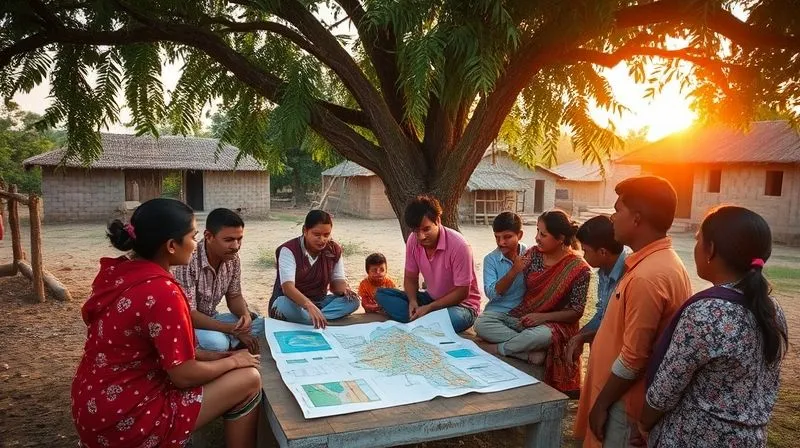
The cornerstone of any ethical volunteer project is that it must originate from and be driven by the community itself, not imposed from the outside. In my experience, the most successful and sustainable projects are those where local leaders and residents articulate their own needs and vision.
Before you even consider joining a project, ask: who identified this need? Who designed the solution? Is the community genuinely invested?
The Importance of Authentic Needs Assessments
A superficial assessment can lead to wasted resources and unmet expectations. A truly ethical project begins with a deep dive into what the community *actually* needs and wants, not what an external organization *thinks* they need. This often involves extensive dialogue, participatory workshops, and long-term engagement.
- Engage Local Stakeholders: Work directly with community leaders, elders, women's groups, and youth to understand their priorities.
- Conduct Participatory Appraisals: Use tools like focus groups, community mapping, and SWOT analyses that empower locals to share their perspectives.
- Identify Existing Assets: Recognize and leverage the community's inherent strengths, skills, and resources before bringing in external aid.
- Define Clear, Measurable Goals: Ensure project objectives are mutually agreed upon and directly address identified needs, with metrics for success defined by the community.
As the United Nations Sustainable Development Goals consistently emphasize, local ownership is paramount for lasting change.
"True development isn't about doing things *for* people, but about empowering people to do things *for themselves*. Anything less risks dependency and undermines dignity."
2. Cultivate Cultural Sensitivity and Respect
One of the most common pitfalls in volunteer travel is a lack of deep cultural understanding. As an industry specialist, I've observed that cultural insensitivity, even unintentional, can erode trust, cause offense, and ultimately undermine project effectiveness. It's not enough to simply 'be nice'; true respect requires active learning and adaptation.
Navigating Cultural Nuances
Before and during your project, immerse yourself in learning about the local culture, customs, and social norms. This goes beyond superficial tourist information.
- Language Basics: Learn essential phrases. Even a few words can show immense respect.
- Dress Codes: Understand and adhere to local modesty and dress expectations.
- Social Etiquette: Learn about greetings, gift-giving, personal space, and communication styles (direct vs. indirect).
- Power Dynamics: Be acutely aware of your position as an outsider and the potential for perceived power imbalances.
Case Study: The Misunderstood School Project
Case Study: How Pamoja Initiatives Bridged Cultural Gaps
Pamoja Initiatives, a small NGO focusing on education in East Africa, initially struggled with volunteer retention and project impact. Their early volunteers, though enthusiastic, often arrived without sufficient cultural orientation, leading to misunderstandings with local teachers and parents. Children were sometimes confused by differing teaching styles, and community engagement was low.
By implementing a mandatory, in-depth pre-departure and in-country cultural immersion program – including language lessons, local history workshops, and a week-long homestay without direct project work – Pamoja saw a dramatic shift. Volunteers reported feeling more integrated and effective. Local teachers felt more respected, and community participation in school activities increased by 40% within a year, demonstrating how crucial cultural understanding is to ensuring ethical impact in volunteer community projects.
3. Ensure Skills Alignment and Avoid 'Voluntourism' Traps
A critical ethical consideration is whether your skills genuinely match the project's needs. The 'voluntourism' trap often involves volunteers undertaking tasks for which they are unqualified, simply because they want a 'hands-on' experience.
Matching Skills with Real Needs
I've seen projects where enthusiastic but untrained volunteers were building structures that later proved unsafe, or teaching subjects they barely understood, displacing qualified local labor in the process. This isn't ethical; it's detrimental.
| Volunteer Skillset | Ethical Project Role |
|---|---|
| Construction (Certified) | Oversee local builders, train on new techniques, quality control |
| Teaching (Qualified Educator) | Co-teach with local educators, develop curriculum materials, teacher training |
| Medical (Licensed Professional) | Provide specialized care under local supervision, mentor local staff |
| General Enthusiast (No specific skill) | Logistical support, administrative tasks, fundraising, cultural exchange (non-critical roles) |
According to research published in the Journal of Volunteer Tourism, projects that clearly define skill requirements and screen volunteers rigorously consistently achieve better outcomes and avoid unintended harm.
4. Foster Local Capacity Building and Long-Term Sustainability
The ultimate goal of any ethical volunteer project should be to render external assistance unnecessary. This means focusing on building local capacity rather than creating dependency. True impact is measured by what remains after the volunteers leave.
Strategies for Sustainable Impact
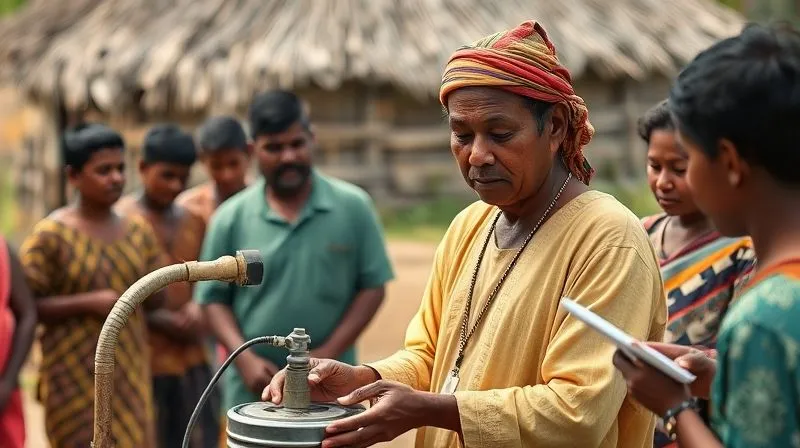
- Training and Mentorship: Prioritize training local individuals to take over and sustain project activities. Your role should be to empower, not to replace.
- Knowledge Transfer: Document processes, create training manuals, and share best practices that can be utilized long after your departure.
- Resource Mobilization: Help communities identify and access local resources, or support them in developing sustainable funding models.
- Exit Strategy: Every ethical project should have a clear, pre-defined exit strategy for external support, with milestones for local ownership.
"If your project can't thrive without you, it's not truly sustainable. Your success lies in making yourself redundant."
5. Ensure Transparency and Accountability
Ethical impact demands transparency in all operations – from funding to project outcomes. Volunteers, donors, and host communities all deserve to know how resources are being used and what impact is truly being achieved. This builds trust and allows for course correction.
Key Transparency Practices
- Financial Disclosure: Be clear about how volunteer fees and donations are allocated (e.g., administrative costs, local wages, project materials).
- Impact Reporting: Regularly share progress reports and evaluations, including both successes and challenges, with all stakeholders.
- Feedback Mechanisms: Establish clear channels for community members to provide feedback, voice concerns, and hold the project accountable.
- Ethical Recruitment: Ensure volunteers are fully informed about the project's realities, expectations, and potential challenges before committing.
Organizations like Charity Navigator emphasize that transparency is a hallmark of effective and ethical non-profits. As an expert, I always advise scrutinizing an organization's financial reports and impact assessments before committing.
6. Prioritize Volunteer Preparation and Ethical Conduct
The responsibility for ethical impact doesn't rest solely with the host organization; volunteers themselves play a crucial role. Proper preparation and a commitment to ethical conduct are non-negotiable for anyone looking to ensure ethical impact in volunteer community projects.
Essential Volunteer Guidelines
- Pre-Departure Training: Participate fully in all provided training, covering cultural sensitivity, project goals, safety, and ethical conduct.
- Humility and Learning: Approach the experience as a learner, not a savior. Be open to new perspectives and ways of doing things.
- Respect Local Customs: Always defer to local norms and practices, even if they differ from your own. This includes photography etiquette.
- Avoid Creating Dependency: Do not give out money or gifts indiscriminately, as this can create begging cultures and undermine local economies.
- Maintain Professional Boundaries: Especially when working with vulnerable populations (e.g., children), adhere strictly to safeguarding policies and professional conduct.
- Reflect and Adapt: Regularly reflect on your experiences and be willing to adapt your approach based on feedback and observations.
The principles of ethical travel extend beyond environmental concerns to encompass social and economic justice. Your individual conduct directly contributes to the overall ethical footprint of the project.
7. Implement Robust Monitoring and Evaluation Systems
How do you know if your efforts are truly making a difference? Without rigorous monitoring and evaluation (M&E), even the best-intentioned projects can veer off course or fail to achieve their objectives. M&E is not just about reporting; it's about learning and improving.
Effective M&E for Ethical Impact
I've seen organizations transform their impact by dedicating resources to robust M&E. It's the only way to truly understand if you're hitting the mark.
- Baseline Data: Collect data before the project begins to establish a starting point for measuring change.
- Regular Monitoring: Continuously track key indicators and activities throughout the project lifecycle.
- Participatory Evaluation: Involve community members in evaluating the project's progress and impact. Their perspective is invaluable.
- Long-Term Impact Assessment: Look beyond immediate outputs to assess the sustainable, long-term changes in the community.
- Learning and Adaptation: Use M&E findings to adapt strategies, improve project design, and share lessons learned.
Organizations like the InterAction Council emphasize the importance of data-driven decision-making in international development, a principle that applies equally to volunteer projects aimed at ensuring ethical impact in volunteer community projects.

Frequently Asked Questions (FAQ)
How can I verify if a volunteer organization truly prioritizes community needs? Look for organizations that explicitly state their commitment to community-led development, have transparent needs assessment processes, and publish impact reports with community feedback. Check if they partner with local NGOs or government bodies. A red flag is an organization that primarily advertises based on the 'volunteer experience' rather than the project's impact. Ask about their local staff ratios and how long they've been working with specific communities.
What if I don't have specialized skills, can I still volunteer ethically? Absolutely. Not every project requires specialized skills. Ethical organizations will have roles for general support, administrative tasks, logistics, fundraising, or even cultural exchange that don't displace local labor. The key is to be honest about your capabilities and ensure your role genuinely adds value without undermining local employment or performing tasks you're unqualified for. Focus on roles that support the local team rather than lead.
How can I avoid contributing to 'orphanage tourism' or other harmful practices? Be extremely cautious about volunteering in orphanages or residential care facilities, especially those that encourage short-term placements. Research shows this can be highly detrimental to children's development and even fuel child trafficking. Ethical alternatives include supporting community-based family strengthening programs, education initiatives, or vocational training for youth. Always ask about an organization's child protection policies and verify if children have families that could care for them with adequate support.
Is it better to pay a higher fee for a volunteer program? Does it guarantee ethical impact? A higher fee doesn't automatically guarantee ethical impact, but a very low fee might be a red flag, potentially indicating underpayment of local staff or inadequate project funding. Ethical organizations need to cover legitimate costs for logistics, local staff wages, project materials, training, and community engagement. Ask for a breakdown of what your fees cover. Transparency here is key; a reputable organization will be able to clearly articulate how your money is spent.
What are some signs that a volunteer project might be unethical or unsustainable? Warning signs include: projects that lack clear goals or an exit strategy; organizations that promote short-term, unskilled placements in sensitive areas (like orphanages); an absence of local staff or leadership; projects that seem to prioritize the volunteer's experience over community needs; lack of transparency in finances or impact reporting; and a failure to engage community members in decision-making. Trust your gut and do thorough research.
Key Takeaways and Final Thoughts
- Community-Led is Paramount: Always prioritize projects initiated and guided by the local community.
- Respect and Learn: Embrace cultural sensitivity and approach the experience with humility.
- Skills Match: Ensure your skills genuinely align with project needs; avoid displacing local labor.
- Build Capacity: Focus on empowering locals and fostering sustainable, long-term solutions.
- Transparency Matters: Demand clear financial and impact reporting from organizations.
- Ethical Conduct: As a volunteer, your personal conduct significantly shapes the project's ethical footprint.
- Measure What Matters: Advocate for robust monitoring and evaluation to ensure genuine, lasting change.
Embarking on a volunteer journey is a profound commitment. By adhering to these ethical pillars, you're not just offering your time; you're contributing to a model of global citizenship that respects dignity, fosters self-reliance, and builds truly sustainable bridges between communities. Your intention to help is powerful; channeling that intention through an ethical lens is how you ensure ethical impact in volunteer community projects, creating a ripple effect of positive change that truly lasts.
Recommended Reading
- Solo Business Travel: 7 Ways to Conquer Burnout Abroad
- 7 Proven Strategies: Justifying Film Festival Sponsorship ROI to Management
- 7 Critical Steps for Self-Rescue on Remote Big Wall Climbs
- Unveiling the Hidden Health Effects of Private Space Travel: Are You Ready?
- Unmasking the Unseen: What Are Hidden Costs at Five-Star Luxury Resorts?




Your email address will not be published. Required fields are marked *