


What Health Effects Does Private Space Travel Have?
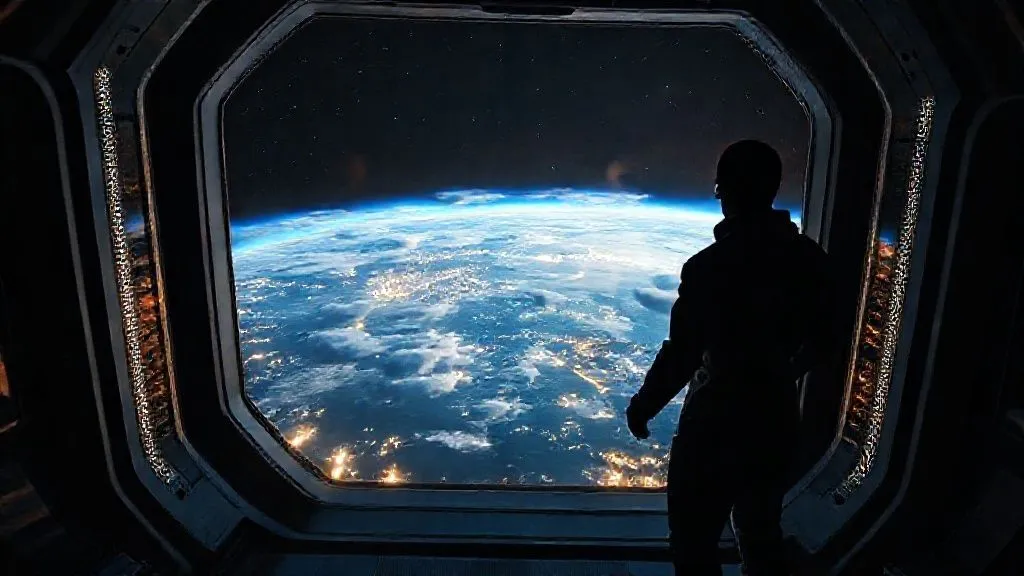
Imagine gazing down at our pale blue dot, suspended in the silent, infinite canvas of space. For decades, this privilege was reserved for a select few government-trained astronauts. Now, with the dawn of commercial spaceflight, the dream of space tourism is rapidly becoming a tangible reality. But as the accessibility of the cosmos expands, a critical question emerges for these pioneering private citizens: what health effects does private space travel have on the human body?
The shift from governmental to private space endeavors introduces a new paradigm. While engineers have meticulously designed spacecraft for safety and performance, the focus now broadens to encompass the physiological and psychological resilience of an increasingly diverse pool of space travelers. Unlike career astronauts who undergo years of rigorous training and medical conditioning, private citizens may have varying levels of fitness and pre-existing conditions, making the impact of the space environment a paramount concern.
This comprehensive guide will delve deep into the multifaceted health impacts of venturing beyond Earth's protective embrace. From the physical transformations induced by microgravity and the insidious threat of radiation to the profound psychological challenges of isolation and confinement, we will explore the knowns and unknowns. By the end of this reading, you will possess a clearer understanding of the human body's incredible adaptability and the critical preparations required for the next generation of space explorers.
The Microgravity Conundrum: Bone, Muscle, and Fluids
One of the most immediate and pervasive health effects of private space travel, or any space travel, is the absence of gravity. Microgravity, or weightlessness, profoundly alters the human body's physiology, which is exquisitely tuned to Earth's gravitational pull. These changes begin almost immediately upon entering orbit and can have significant short-term and long-term implications.
Skeletal System and Bone Density Loss
Without the constant load-bearing stress of gravity, bones begin to lose density. This process, akin to accelerated osteoporosis, can result in a loss of 1% to 1.5% of bone mass per month, primarily in the hips and spine. The body no longer needs to work as hard to support itself, leading to a reduction in calcium and other minerals essential for bone strength. This makes bones more brittle and susceptible to fractures upon return to Earth, and the long-term recovery can be extensive.
Muscle Atrophy and Cardiovascular Deconditioning
Similarly, muscles rapidly atrophy in microgravity. Since there's no need to exert effort against gravity for movement or posture, muscles, particularly in the legs and back, lose mass and strength. This muscle wasting is compounded by cardiovascular deconditioning, where the heart, no longer needing to pump blood against gravity, becomes less efficient. Astronauts returning from space often experience orthostatic intolerance, feeling dizzy or faint when standing due to their weakened cardiovascular system's inability to regulate blood pressure effectively.
Fluid Shifts and the "Puffy Face, Bird Legs" Phenomenon
In microgravity, fluids that typically pool in the lower extremities on Earth redistribute upwards towards the head and torso. This leads to a characteristic "puffy face" and "bird legs" appearance, as well as engorgement of the blood vessels in the neck and head. These fluid shifts can cause increased intracranial pressure, leading to the Spaceflight Associated Neuro-ocular Syndrome (SANS), where astronauts experience vision changes, including optic disc swelling and choroidal folds. While often reversible, the long-term implications of SANS are still being studied, particularly for extended missions.
To mitigate these effects, space travelers engage in rigorous in-flight exercise regimens, often using specialized equipment that simulates resistance. However, even with these countermeasures, some degree of deconditioning is inevitable, highlighting the challenge of maintaining optimal health in an environment so alien to human biology.
The Invisible Threat: Space Radiation
Beyond the Earth's protective atmosphere and magnetic field, space is bathed in a constant barrage of high-energy radiation. This invisible threat is arguably the most significant long-term health risk for private space travelers, especially those venturing beyond low Earth orbit. The human body has no natural defense against these energetic particles, which can penetrate spacecraft walls and living tissues.
Types of Space Radiation and Their Sources
Space radiation primarily consists of two types: Galactic Cosmic Rays (GCRs) and Solar Particle Events (SPEs). GCRs are high-energy particles originating from outside our solar system, remnants of supernovae and other galactic phenomena. They are a continuous, low-level threat. SPEs, on the other hand, are sudden, intense bursts of protons and heavy ions emitted during solar flares or coronal mass ejections. While less frequent, SPEs can deliver extremely high doses of radiation in a short period, posing an acute threat to unprotected individuals.
Short-Term and Long-Term Health Risks
The health consequences of radiation exposure are diverse and can be severe. Short-term effects, particularly from SPEs, can include acute radiation sickness, nausea, vomiting, fatigue, and changes in blood counts. The long-term risks are even more concerning. Exposure to space radiation significantly increases the lifetime risk of various cancers, including leukemia and solid tumors. Moreover, it can lead to degenerative effects on the central nervous system, potentially causing cognitive impairments, memory loss, and even behavioral changes. Damage to the cardiovascular system, leading to heart disease, and the immune system, making individuals more susceptible to infections, are also significant concerns. NASA's Human Research Program extensively studies these risks to develop effective countermeasures.
Protecting space travelers from radiation is a formidable challenge. Current spacecraft offer some shielding, but a truly impenetrable shield against all forms of space radiation remains elusive. For private space travel, the duration and trajectory of missions will heavily influence the level of radiation exposure, making short-duration suborbital or low Earth orbit flights significantly less risky in this regard than potential future lunar or Martian journeys.
Psychological and Neurological Challenges
Space travel is not just a physical journey; it's a profound psychological one. The extreme environment, isolation, and confinement can place immense stress on the human mind, leading to a range of neurological and psychological challenges that must be carefully managed for the well-being of private space travelers.
Confinement, Isolation, and Circadian Rhythm Disruption
Living in a small, enclosed space with a limited crew, far from Earth, can induce feelings of isolation and claustrophobia. The lack of privacy, constant surveillance, and inability to escape the environment can lead to tension and conflict among crew members. Furthermore, the rapid orbital sunsets and sunrises (up to 16 per day in low Earth orbit) disrupt the body's natural circadian rhythm, leading to sleep disturbances, fatigue, and reduced cognitive performance. This chronic sleep deprivation can exacerbate stress and impair decision-making abilities.
Space Adaptation Syndrome and Neurological Changes
Upon entering microgravity, many individuals experience Space Adaptation Syndrome (SAS), commonly known as space sickness. This condition, similar to severe motion sickness, is caused by the sensory conflict between the inner ear's vestibular system (which senses balance) and visual cues. Symptoms include nausea, vomiting, disorientation, and vertigo, which can be debilitating for the first few days of a mission. Beyond SAS, long-duration spaceflight can lead to more subtle neurological changes, including altered brain structure and function, which are still being researched to understand their long-term implications for cognitive health and performance.
The Overview Effect and Mental Well-being
While challenges exist, space travel also offers unique psychological benefits. The "Overview Effect," a cognitive shift reported by many astronauts, involves a profound sense of awe, unity, and interconnectedness upon viewing Earth from space. This perspective can be transformative, fostering a deeper appreciation for our planet and humanity. However, even this powerful experience can be accompanied by intense emotions, and individuals must be mentally prepared to process such a profound shift in perspective without becoming overwhelmed. Psychological support, including access to mental health professionals and communication with loved ones, will be crucial for private space travelers.
Immune System Alterations and Infection Risk
The human immune system, our body's defense against pathogens, undergoes significant changes in the space environment. This alteration can increase the susceptibility of private space travelers to infections and impact their ability to heal, posing another critical health effect of private space travel.
Weakening of the Immune Response
Several factors contribute to immune system dysregulation in space. The chronic stress of spaceflight, combined with radiation exposure and altered sleep cycles, can suppress the immune system's effectiveness. Studies on astronauts have shown changes in white blood cell counts and function, indicating a compromised ability to fight off viruses and bacteria. This weakening makes space travelers more vulnerable to opportunistic infections, where common microbes that are usually harmless on Earth can become problematic in space.
The Unique Microbial Environment of Spacecraft
Spacecraft, by their nature, are closed environments. This confinement means that any microbes brought onboard by the crew or cargo can proliferate and circulate within the cabin. Studies have shown that certain bacteria and fungi can become more virulent or resistant to antibiotics in microgravity. This phenomenon, combined with a suppressed immune system, creates a challenging scenario where a minor infection could potentially escalate into a serious health crisis, especially given the limited medical resources available in space. Strict hygiene protocols and pre-flight microbial screening of crew members are essential to mitigate this risk.
Understanding these immune system changes is vital for developing effective countermeasures, including potential vaccines or immune-boosting supplements tailored for space travelers. Ensuring that private space travelers are in optimal health before launch and have robust immune systems will be a key consideration for commercial spaceflight operators.
Medical Preparedness and Countermeasures for Space Tourists
As private space travel transitions from concept to reality, the focus on medical preparedness and the implementation of effective countermeasures becomes paramount. Ensuring the health and safety of space tourists requires a multi-faceted approach, different in some aspects from traditional astronaut training, yet equally rigorous.
Pre-flight Screening and Training
Before any private citizen can embark on a space journey, they undergo extensive medical screening. This includes comprehensive physical examinations, cardiovascular assessments, neurological evaluations, and psychological assessments to identify any pre-existing conditions that could be exacerbated by the space environment. Training is also crucial. While not as extensive as professional astronaut training, private space tourists are typically exposed to high G-forces in centrifuges, learn about spacecraft systems, and practice emergency procedures. This training aims to prepare their bodies and minds for the rigors of launch, re-entry, and the unique challenges of microgravity.
- Rigorous Medical Examinations: Ensuring no underlying health issues.
- G-Force Training: Acclimating the body to launch and re-entry forces.
- Microgravity Familiarization: Often in parabolic flights to experience weightlessness.
- Emergency Procedures: Training for critical situations onboard the spacecraft.
In-Flight Monitoring and Emergency Protocols
During the mission, continuous health monitoring is essential. This can involve wearable sensors that track vital signs, sleep patterns, and activity levels. Telemedicine capabilities allow ground-based medical teams to consult with space travelers and provide guidance. Spacecraft are equipped with medical kits containing medications and basic diagnostic tools to address common ailments or minor injuries. For more serious emergencies, protocols are in place for rapid return to Earth if feasible, though this remains a significant challenge for missions beyond low Earth orbit. The crew, or at least one designated individual, will have basic medical training to administer first aid.
Post-flight Rehabilitation and Long-Term Monitoring
Upon return to Earth, private space travelers will undergo a period of re-adaptation and rehabilitation. This typically involves physical therapy to regain muscle mass and bone density, cardiovascular conditioning, and neurological assessments. The duration and intensity of rehabilitation depend on the length of the mission and the individual's response to the space environment. Long-term health monitoring will also be crucial to track any potential delayed effects, such as those related to radiation exposure or persistent vision changes. This data will be invaluable for future missions and for improving our understanding of human health in space.
The proactive measures taken before, during, and after a mission are critical for mitigating the health effects of private space travel. As the industry evolves, so too will the sophistication of these medical preparedness programs.
Ethical Considerations and the Future of Space Health
The advent of private space travel brings with it a complex web of ethical considerations, particularly concerning the health and safety of commercial passengers. These discussions are shaping the regulatory frameworks and medical practices for the nascent space tourism industry.
Who is Responsible for Space Tourist Health?
A key ethical question revolves around responsibility. Is it solely the individual's choice and risk, or do commercial operators bear a significant duty of care? Current regulations, particularly in the US, often classify space tourists as "participants" rather than "passengers," meaning they assume a greater degree of risk. However, there is an ongoing debate about whether this level of waiver is appropriate, especially as space travel becomes more routine. Ensuring informed consent, where prospective travelers fully understand the health risks, is a fundamental ethical imperative. Scientific discussions highlight the need for robust medical guidelines.
Balancing Risk and Reward in Commercial Spaceflight
There's an inherent tension between the desire for broader access to space and the imperative to minimize health risks. While the allure of space is undeniable, the potential for serious health consequences, particularly on longer missions or for individuals with certain medical conditions, cannot be overlooked. Regulatory bodies are grappling with how to establish appropriate medical standards without stifling innovation or making space travel prohibitively exclusive. This balance requires careful consideration of medical ethics, public safety, and the economic realities of commercial ventures.
Innovations in Space Medicine for the Private Sector
The challenges posed by private space travel are also spurring innovation in space medicine. Companies are investing in developing more compact and efficient medical monitoring devices, advanced telemedicine solutions, and personalized countermeasures. Research into artificial gravity systems, improved radiation shielding, and pharmaceutical interventions to combat microgravity effects are gaining momentum. The unique demands of private space tourism are not only pushing the boundaries of space technology but also advancing our understanding of human physiology and medicine in extreme environments, ultimately benefiting both professional astronauts and future space tourists.
Frequently Asked Questions (FAQ)
Is private space travel safe for everyone? No, private space travel is not safe for everyone. It involves significant health risks, and individuals with certain pre-existing medical conditions may be excluded due to the extreme physiological demands of spaceflight. Rigorous medical screening is always required.
How long do the health effects of space travel last? The duration of health effects varies. Some, like space sickness, resolve within days. Others, like muscle atrophy and bone density loss, can take weeks or months of rehabilitation. Long-term risks from radiation, such as increased cancer risk, can last a lifetime.
What is the most significant health risk in space? For short-duration missions in low Earth orbit, microgravity effects like fluid shifts and muscle/bone loss are prominent. For longer missions, particularly beyond Earth's protective magnetic field, space radiation is generally considered the most significant long-term health risk due to its potential to cause cancer and neurological damage.
Can microgravity cause permanent damage? While many microgravity effects are reversible with rehabilitation, some, like certain vision changes (SANS) or persistent bone loss in specific cases, might have long-term or potentially permanent implications, though research is ongoing. The goal is to minimize permanent damage through countermeasures.
What kind of training do space tourists undergo? Space tourists typically undergo physical conditioning, G-force training in centrifuges, microgravity familiarization (e.g., parabolic flights), and training on spacecraft systems and emergency procedures. The exact training varies by the commercial provider and mission profile.
Recommended Reading
- Best Short-Term Volunteer Abroad Projects: Make a Real Impact!
- Cross Country Skiing for Beginners? Essential Tips You Need Now!
- Eco-Friendly Travel: How It Impacts Local Communities Positively
- Rail Pass or Not? Europe Backpacking: Are Rail Passes Worth It?
- Solo & Social: Your Guide to the Best International Festivals
Conclusion
The frontier of private space travel is undeniably exciting, promising to open up the cosmos to a new generation of explorers. However, understanding what health effects private space travel has is not merely an academic exercise; it is fundamental to ensuring the safety, well-being, and ultimate success of these audacious ventures. From the profound physiological shifts induced by microgravity to the insidious threat of space radiation and the complex psychological challenges of isolation, the human body and mind face an extraordinary test. As commercial operators continue to innovate and expand access to space, a diligent focus on medical screening, advanced countermeasures, and ethical responsibility will be paramount. By prioritizing the health of these pioneering private citizens, we can collectively ensure that the dream of space travel remains a journey of wonder, not one of unforeseen consequence, paving the way for a sustainable and healthy future among the stars.




Your email address will not be published. Required fields are marked *