

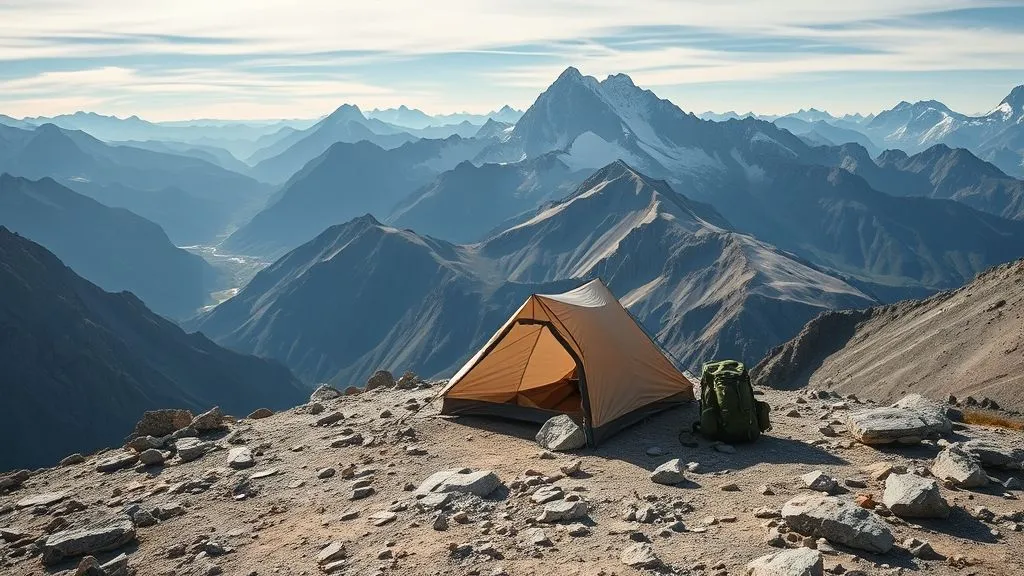
What are the cheapest ways to communicate in an emergency?
It's a common misconception that emergency communication needs to break the bank. In my experience, the smartest budget travelers understand that the cheapest way to communicate in an emergency isn't about spending nothing, but about making the **most effective, low-cost preparations** that truly count when seconds matter. Your smartphone is undoubtedly your first line of defense, but its reliability in remote areas is notoriously poor. While it’s free to carry, relying solely on it for critical communication in the backcountry is a **dangerous gamble** I've seen too many take. * Download **offline maps** (like Maps.me or Gaia GPS) and **cache critical areas** before you lose signal. This doesn't send a message, but it helps you locate yourself and potentially find an exit or an area with service. * Keep **emergency contact numbers** written down on paper, not just in your phone. Batteries die, screens crack, and signals vanish. * Utilize **Wi-Fi calling** if you stumble upon a rare signal or a remote lodge. It’s often free or part of your existing mobile plan, making it a budget-friendly option when available. For true off-grid safety, however, a dedicated satellite communication device is non-negotiable for extreme adventures where cell service is non-existent. A common mistake I see is backpackers dismissing these as too expensive, but there are budget-friendly approaches to these life-saving tools.The **Garmin inReach Mini** or a **SPOT device** are investments, yes, but consider these strategies to make them budget-friendly:
- Rental Services: For a single, extreme trip, renting a satellite messenger is significantly cheaper than purchasing one outright. Many outdoor gear shops or online services offer weekly or monthly rentals, often including basic service.
- Shared Subscription: If you regularly travel with a partner or a small, consistent group, consider co-owning a device and splitting the annual subscription cost. This drastically reduces individual outlay, making a vital tool accessible.
- Basic Plans: Opt for the most basic subscription plan that includes SOS functionality and perhaps a few pre-set messages. You don't need unlimited texting for emergency communication; you need the ability to signal for help, which is the core, cheapest feature.
"I once saw a solo hiker, deep in the Sierra Nevada, activate their SPOT device after a nasty fall. Within hours, search and rescue were pinpointing their exact location. That small monthly fee, or a one-time rental, was the cheapest life insurance policy they ever had."Beyond electronics, don't underestimate the power of **low-tech signaling methods**, which are often incredibly cheap or free. These are your secondary, crucial communication tools when all else fails. * A **whistle**: Three short blasts is the universal distress signal. A simple plastic whistle costs a few dollars and can carry for miles, drawing attention when voice fails. * A **signal mirror**: Learn how to use one effectively. With sunlight, you can signal aircraft or ground teams from vast distances, a skill that costs nothing but practice. These are lightweight and inexpensive. * **Leaving an itinerary**: This is perhaps the cheapest and most overlooked safety measure. Share your detailed route, expected check-in times, and "panic if you don't hear from me by X" dates with multiple trusted contacts. This free proactive step can trigger a search if you miss your check-in. In my 15 years on the trail, I've learned that the most reliable safety net isn't always the most technologically advanced, but the most **thoughtfully prepared**. Understanding your communication options, both high-tech and low-tech, and integrating them into a budget-conscious strategy, is the hallmark of an expert solo adventurer.
How can I protect myself without expensive self-defense tools?
In my extensive experience backpacking across various continents, the most effective self-defense isn't found in expensive gadgets or specialized training, but in cultivating your innate abilities and understanding your environment. The best defense, truly, is to avoid ever needing one.
A common mistake I observe is travelers relying solely on a physical tool, neglecting the far more potent arsenal they already possess. Let's explore how you can protect yourself with nothing more than your wits, voice, and everyday items.
Mastering Situational Awareness: Your Ultimate Free Tool
Your brain is your most powerful security device. Situational awareness means being present and understanding what's happening around you, allowing you to identify potential threats long before they escalate.
Think of awareness in terms of Cooper's Colors, a concept I've found incredibly useful on the road:
- White: Unaware and unprepared. Your head is in your phone, you're lost in thought. This is when you are most vulnerable.
- Yellow: Relaxed alert. You're aware of your surroundings, scanning for anything out of place, but not paranoid. This is your default state.
- Orange: Specific alert. You've identified something potentially concerning – someone following you, a suspicious group ahead. You're formulating a plan.
- Red: Action. The threat is imminent or active. You are now executing your pre-planned response.
Cultivating a "Yellow" state means avoiding distractions like loud headphones or constant phone checking. Pay attention to body language, listen to the sounds of the street, and notice patterns. This proactive vigilance is paramount.
"The street never lies. If you listen carefully, it will tell you everything you need to know about where you are and who is around you. Your intuition is merely your brain processing these signals at lightning speed."
Projecting Confidence and Assertiveness
Predators, whether human or animal, often target perceived weakness. Your body language communicates volumes before you even utter a word. Walking with purpose, head up, and making confident eye contact can be a powerful deterrent.
Avoid looking lost, confused, or overly engrossed in a map. Even if you are unsure of your direction, project an air of knowing exactly where you're going. This simple shift in posture and demeanor can make you a less appealing target.
The Unmatched Power of Your Voice
Your voice is an incredibly effective, yet often underutilized, self-defense tool. A loud, firm command can startle an attacker, draw attention, and create a momentary window for escape.
Practice projecting your voice with phrases like "NO!", "GET BACK!", or "HELP!" The goal isn't just to be heard, but to create a scene. Most attackers prefer to operate in silence and anonymity; your voice shatters that.
- De-escalation: In less extreme situations, a calm but firm "No, thank you" or "I'm not interested" delivered with direct eye contact can establish boundaries.
- Assertion: If someone is invading your personal space, a clear "Please step away" can often resolve the situation without further conflict.
Improvised Tools from Everyday Items
While we're specifically avoiding expensive self-defense tools, many common items you already carry can be repurposed in an emergency. The key is to think creatively and understand their potential for distraction or creating space.
Consider these everyday items:
- Keys: Held firmly between your fingers, they can be used for a quick, painful jab to a vulnerable area, providing a momentary advantage to escape.
- Water Bottle: A full, hard-sided water bottle can deliver a surprising blunt impact, or be thrown to create a distraction.
- Backpack: A heavy backpack can be swung to create distance or used as a shield. If possible, keep it on your back and use it as a buffer.
- Pen/Pencil: A solid pen can be used for a sharp jab to an eye or throat in an absolute last resort.
The intent here is not to engage in a prolonged fight, but to create enough shock, pain, or distraction to facilitate your escape. Your primary goal is always to get away safely.
Basic Physical Principles: Escape, Not Engage
If physical confrontation becomes unavoidable, your objective should always be escape, not to "win" a fight. Focus on creating an opportunity to run.
Remember these fundamental principles:
- Vulnerable Targets: Aim for eyes, nose, throat, groin, or knees. These are soft targets that require minimal force to cause significant pain and discomfort, buying you precious seconds.
- Surprise: A sudden, explosive action – a palm strike to the nose, a knee to the groin – is often more effective than attempting a sustained struggle.
- Run: Once you've created an opening, run as fast as you can to a safe, well-lit, and populated area. Don't look back.
In my years on the road, I've learned that speed and decisiveness are your best allies in a dangerous situation. Hesitation is your enemy.
Trust Your Gut: The Internal Alarm System
Your intuition is a powerful, finely tuned alarm system developed over millennia. If a situation, a person, or a place feels "off," trust that feeling. That subtle unease is your subconscious mind processing countless tiny cues that your conscious mind might miss.
A common mistake I see is people rationalizing away their gut feelings, trying to be polite or avoid seeming paranoid. Don't. If your internal alarm bells are ringing, remove yourself from the situation immediately. Change your route, duck into a busy shop, or make eye contact with a stranger to signal you need help.
These budget-friendly, innate tools – awareness, confidence, voice, and the ability to improvise – are far more versatile and available than any expensive gadget. They empower you to be your own best protector on any extreme adventure.
Reading Recommendations:
- How Do Cruise Lines Assess Sustainable Port Growth? 7 Key Factors Revealed
- Universal Design Hotels: Booking Tips for Wheelchair Users
- 7 Secrets: How to Eat Healthy & Affordably on Frugal Adventures
- Caregivers & Accessible Travel: 7 Steps to Stress-Free Journeys?
- Unlock the Slopes: Your Ultimate Guide to a Budget-Friendly Winter Sports Trip
Key Points and Final Thoughts
Having navigated the globe for over 15 years on a shoestring budget, I've learned that solo backpacking safety for extreme adventures isn't about spending more; it's about spending smarter and thinking deeper. The ten budget-friendly strategies we've discussed are not just tips; they are foundational pillars for responsible, thrilling exploration.
In my experience, the most vital piece of gear you carry is your mind. Developing situational awareness and cultivating a robust sense of self-reliance will serve you far better than any expensive gadget. It's about being present, observing, and trusting your gut instincts above all else.
A common mistake I see budget travelers make is conflating "cheap" with "value," especially when safety is concerned. While we aim to save, certain investments, like comprehensive travel insurance or a reliable satellite communication device for truly remote areas, are non-negotiable. They are not expenses; they are risk mitigation strategies.
Think of your preparation as building a strong bridge. You can use budget-friendly materials for many parts, but the key structural components – the pilings, the tension cables – demand quality and careful engineering. Skimp on those, and the entire structure is compromised, no matter how cheap the decking was.
These 10 tips offer a framework, but true safety comes from their dynamic application. It’s about constantly assessing your environment, having contingency plans for your contingency plans, and being honest with yourself about your limits. Ego is the enemy of safety in extreme environments.
I recall a solo trek in Patagonia where a sudden whiteout hit. My budget preparation meant I had downloaded offline maps, carried a physical compass, and ensured my emergency shelter was accessible. These low-cost, high-impact preparations saved me from a potentially dire situation, far more effectively than any last-minute, expensive guide would have.
Never underestimate the power of local insight. Engaging with locals, even through simple gestures, can unlock invaluable information about safe routes, weather patterns, and potential hazards that no guidebook or app can fully capture. It’s a free and potent safety net.
- Prioritize Information: Research relentlessly, not just about destinations, but about local customs, emergency services, and typical scams.
- Embrace Flexibility: Plans change; adapt quickly and without panic. A rigid itinerary can be a safety liability.
- Cultivate Resilience: Mental toughness and problem-solving skills are your best assets when things go wrong.
- Communicate Strategically: Inform a trusted contact of your itinerary and check-in points, but avoid oversharing on public platforms.
Solo extreme travel isn't about conquering mountains; it's about conquering yourself – your fears, your complacency, and your perceived limitations – all while returning home safely and richer for the experience.
As you embark on your next solo extreme adventure, remember that safety is an ongoing conversation, not a destination. These budget tips empower you to make informed choices, fostering a deeper connection with your journey and the world, without compromising your well-being. Go forth, explore wisely, and return with stories, not scars.




Your email address will not be published. Required fields are marked *