

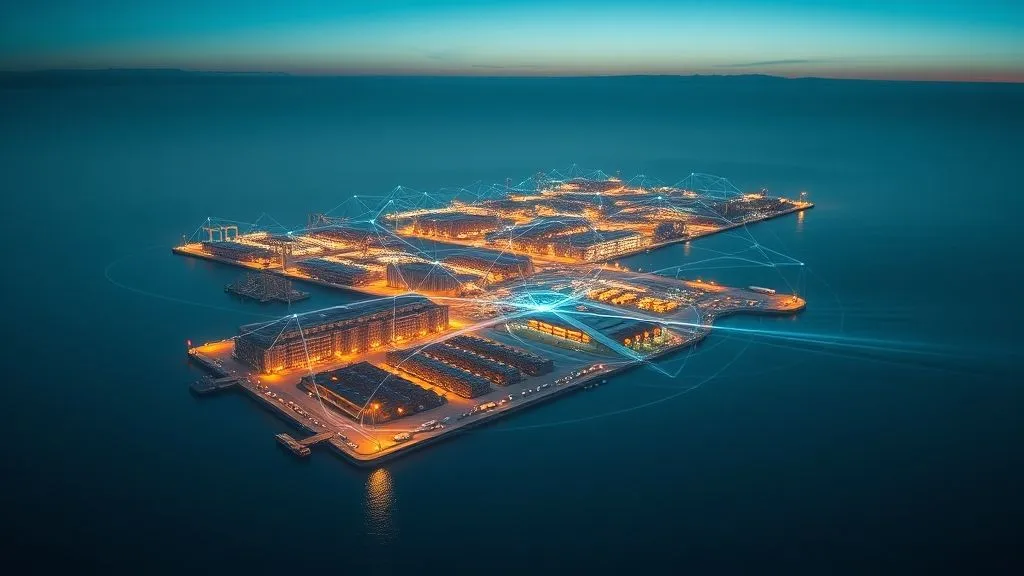
Understanding the Root Challenge: Why Sustainable Port Assessment is Complex
From my vantage point, having navigated the intricate waters of cruise travel for over 15 years, the assessment of sustainable port growth is anything but straightforward. It's not merely a checklist; it's a dynamic, multi-variable equation where every input influences a complex web of outcomes, making true sustainability an elusive target.
The core of the challenge lies in its profoundly multifaceted nature. We're not just talking about environmental impact, although that's crucial. Sustainable port assessment demands a holistic view, encompassing environmental stewardship, economic viability, and social equity – three pillars that often pull in different directions.
A common pitfall I've seen cruise lines encounter is the assumption of readily available, standardized data. In reality, consistent baseline data for key metrics like air quality, waste management, or community satisfaction is frequently scarce or collected using disparate methodologies across different ports. This lack of uniformity makes meaningful comparisons and long-term trend analysis incredibly difficult.
Furthermore, we must contend with a myriad of conflicting stakeholder interests. Port authorities seek economic growth and operational efficiency, local communities desire pristine environments and cultural preservation, while cruise lines aim for memorable guest experiences and profitable itineraries. Balancing these often-divergent priorities requires delicate negotiation and a deep understanding of local nuances, which is a significant undertaking for any global cruise brand.
The inherent dynamism of the operating environment only adds layers of complexity. Climate change impacts, evolving regulatory frameworks, and shifting community expectations mean that what was considered sustainable five years ago might no longer hold true today. This necessitates continuous adaptation and investment, posing significant financial and logistical hurdles for port developers and cruise lines alike.
In my experience, defining "sustainable" itself is often the first, most profound hurdle. Is it zero emissions, net-positive community impact, or simply meeting minimum regulatory standards? The answer is rarely absolute; it's a moving target, dependent on the specific context, capacity, and aspirations of each unique port destination.
Consider the stark contrast between a small, pristine Caribbean island port versus a bustling, industrial hub in Europe. The assessment criteria, available resources, and potential impacts are entirely different, yet both require a framework for sustainable growth. This demands an adaptable, rather than a one-size-fits-all, approach, which is resource-intensive to develop and implement effectively.
"The true complexity of sustainable port assessment isn't just about measuring impacts; it's about harmonizing an orchestra of diverse needs, evolving regulations, and long-term visions against the backdrop of immediate operational and economic realities. It's a continuous act of balancing on a tightrope."
How do cruise lines balance economic benefits with local community impact?
Balancing the significant economic benefits of cruise tourism with the potential for adverse local community impact is arguably the most complex challenge cruise lines face in fostering sustainable port growth. In my experience, this isn't merely a balancing act; it's a continuous, dynamic negotiation requiring profound understanding and proactive strategies.
The allure for ports is clear: cruise calls inject substantial revenue through port fees, passenger spending, and crew expenditures, creating direct and indirect job opportunities. However, these economic upsides must be weighed against the genuine concerns of local residents who experience the day-to-day realities of increased visitor traffic.
A common mistake I see is cruise lines focusing solely on macro-economic data without diving deep into the micro-impacts on communities. This oversight can lead to social friction, strain on local infrastructure, and a perceived loss of authenticity, ultimately jeopardizing the long-term viability of the destination itself.
“Sustainable growth isn't just about environmental metrics or financial returns; it's fundamentally about securing the social license to operate within a community, a license easily revoked if local well-being is overlooked.”
To truly achieve balance, cruise lines must adopt a multi-faceted approach that integrates community welfare into their operational DNA. Here are the key strategies I’ve observed leading to more harmonious relationships:
-
Proactive Stakeholder Engagement: This involves establishing open, honest, and regular dialogues with local governments, community leaders, small businesses, and residents. In Alaska, for instance, cruise lines often participate in local tourism boards and community forums to discuss concerns ranging from visitor numbers to waste management, adapting their operations based on feedback.
Such engagement helps to identify potential pinch points before they escalate and allows for collaborative solutions, ensuring that locals feel heard and valued in the decision-making process.
-
Targeted Infrastructure Investment: Instead of merely utilizing existing port facilities, leading cruise lines are investing in upgrades that benefit both their operations and the local community. This includes funding for improved public transportation, enhanced waste management systems, and crucial shore power capabilities that reduce air pollution from ships while docked.
These investments alleviate pressure on municipal services and demonstrate a tangible commitment to the destination's long-term health, moving beyond a transactional relationship.
-
Local Procurement and Workforce Development: A significant step towards equitable distribution of economic benefits is prioritizing local sourcing for ship provisions, excursions, and port services. Furthermore, cruise lines can support local economies by actively training and employing local residents for port-side operations or even shipboard roles, creating sustainable career paths.
This approach ensures that a larger share of the tourism dollar remains within the community, fostering economic resilience and community pride.
-
Visitor Dispersal and Management: Over-tourism can quickly overwhelm small communities, leading to congestion and a diminished experience for everyone. Savvy cruise lines work with ports to implement strategies like staggered arrival times, promoting excursions to lesser-known areas, and developing itineraries that encourage exploration beyond the immediate port vicinity.
This helps to distribute visitor impact more evenly, reducing strain on popular sites and offering passengers a more authentic, less crowded experience.
-
Cultural Preservation and Education: Beyond economic transactions, sustainable tourism respects and preserves local culture. Cruise lines can contribute by funding cultural heritage projects, supporting local artisans, and educating passengers about appropriate cultural etiquette and the importance of respecting local traditions.
This fosters a deeper appreciation for the destination and prevents the commodification of local heritage, ensuring that the unique character of a place is maintained for future generations.
Ultimately, achieving this balance requires a shift from short-term profit motives to a long-term vision of shared prosperity. It's about understanding that a thriving, supported local community is the bedrock of a truly sustainable and desirable cruise destination.
What role do international regulations play in port sustainability assessments?
The foundation of any robust port sustainability assessment, in my extensive experience, lies squarely in the adherence to and proactive engagement with international regulations. These aren't merely suggestions; they are the bedrock legal and operational frameworks that dictate how ports must manage their environmental and social impact.
A common mistake I see cruise lines make is underestimating the complexity of these global mandates. They provide a critical baseline for environmental protection, safety, and operational standards that directly influence a port's ability to support sustainable cruise tourism.
The International Maritime Organization (IMO) is arguably the most influential body here. Its conventions, particularly MARPOL (International Convention for the Prevention of Pollution from Ships), are paramount. MARPOL’s various Annexes dictate everything from oil pollution prevention to air emissions and sewage discharge.
- MARPOL Annex VI, for instance, sets strict limits on sulfur oxides (SOx) and nitrogen oxides (NOx) emissions from ships, pushing ports to consider shore power or alternative fuels infrastructure.
- MARPOL Annex IV addresses sewage discharge, requiring ports to have adequate reception facilities, a non-negotiable factor for cruise ships.
- The Ballast Water Management Convention, another IMO instrument, mandates specific treatment systems, impacting how ports manage water quality around their berths and within their ecosystems.
Beyond the IMO, other international agreements play a crucial role. The Basel Convention, which controls transboundary movements of hazardous wastes and their disposal, is vital for ports handling ship-generated waste. Ports must demonstrate robust waste management protocols aligned with these global standards.
"In the intricate dance between cruise lines and ports, international regulations serve as the universal score. A port not playing to that score is not just out of tune; it's a liability waiting to happen."
For a cruise line assessing a port, the level of integration of these regulations into a port's daily operations and future development plans is a telling indicator. Is there a clear strategy for investing in infrastructure to meet evolving IMO standards, such as shore power for cold ironing, or advanced wastewater treatment facilities?
I always advise looking for ports that not only comply but actively pursue certifications like ISO 14001 for Environmental Management Systems. While not a regulation itself, ISO 14001 demonstrates a structured, internationally recognized approach to managing environmental responsibilities, often exceeding minimum regulatory requirements.
Consider the practical implications: a port unable to efficiently manage ship waste in compliance with MARPOL Annex V creates an immediate operational headache and a significant reputational risk for a cruise line. Similarly, a port in a designated Emission Control Area (ECA) that lacks shore power infrastructure forces cruise ships to burn low-sulfur fuel, incurring higher operational costs and still producing some emissions.
The dynamic nature of these regulations also demands foresight. Cruise lines are increasingly looking for ports that are not just compliant today, but are future-proofing. This means understanding how forthcoming regulations, like stricter greenhouse gas emission targets from the IMO, are shaping port investment in renewable energy, cold ironing, and alternative fuel bunkering facilities.
Reading Recommendations:
- Conquer Your Fears: Solo Dining Tips for Shy Travelers Revealed
- Best Time for Caribbean Ocean Cruises? Unveiling the Perfect Season
- 7 Steps to Reclaim Your Life: Therapeutic Travel for Burnout Recovery
- Unearth the Past: What to Expect on Your First Archeological Dig
- Solo Female Safety: 7 Smart Ways to Navigate Cultural Gender Norms
Key Points and Final Thoughts
Having navigated the intricate waters of sustainable port development for years, it's abundantly clear that assessing a port's commitment goes far beyond a simple checklist. The seven factors we've discussed are not isolated metrics; they are an interconnected web, where progress in one area often influences, or is influenced by, another.
In my experience, a common pitfall is to view sustainability as an 'add-on' rather than an intrinsic part of strategic growth. Ports that truly excel integrate environmental stewardship, social equity, and economic viability into their core operational philosophy from the outset. This holistic approach is what cruise lines genuinely seek.
The true measure of a port's sustainable intent isn't just its green initiatives, but its unwavering commitment to long-term community prosperity and ecological resilience, even when faced with immediate economic pressures.
What truly sets apart a forward-thinking port is its proactive engagement with all stakeholders. This isn't merely about ticking boxes for public consultations. It's about fostering genuine, ongoing dialogue with local communities, environmental groups, and cruise lines to co-create solutions that benefit everyone.
For instance, I've seen ports successfully implement innovative programs like "Port Community Advisory Boards," which meet quarterly to discuss development plans, environmental monitoring results, and local concerns. This transparency builds trust, mitigates potential conflicts, and ensures that growth is truly community-centric.
From a cruise line's perspective, the assessment isn't static. It's an ongoing process, often involving regular audits, performance reviews, and collaborative goal-setting. We're not just looking at past performance, but at a port's clear roadmap for future improvements and its adaptability to emerging sustainability challenges.
Key takeaways for ports aiming to attract and retain sustainable cruise partnerships include:
- Invest in Data & Transparency: Demonstrate commitment with measurable data on emissions, waste management, water usage, and local economic impact. Be prepared to share this openly.
- Embrace Innovation: Explore new technologies, from shore power and alternative fuels to advanced waste-to-energy solutions. Cruise lines value partners who are pushing boundaries.
- Foster Local Partnerships: Actively support local businesses, cultural preservation efforts, and educational programs. Show how cruise tourism directly benefits the community.
- Develop a Long-Term Vision: Present a clear, multi-decade plan for sustainable development that aligns with global environmental goals and local community aspirations.
Ultimately, the relationship between cruise lines and ports is a partnership, and sustainable growth is a shared responsibility. The ports that thrive in this evolving landscape will be those that embrace this collaborative spirit, demonstrating not just compliance, but a genuine passion for protecting the very destinations that make cruising so special.



Your email address will not be published. Required fields are marked *