

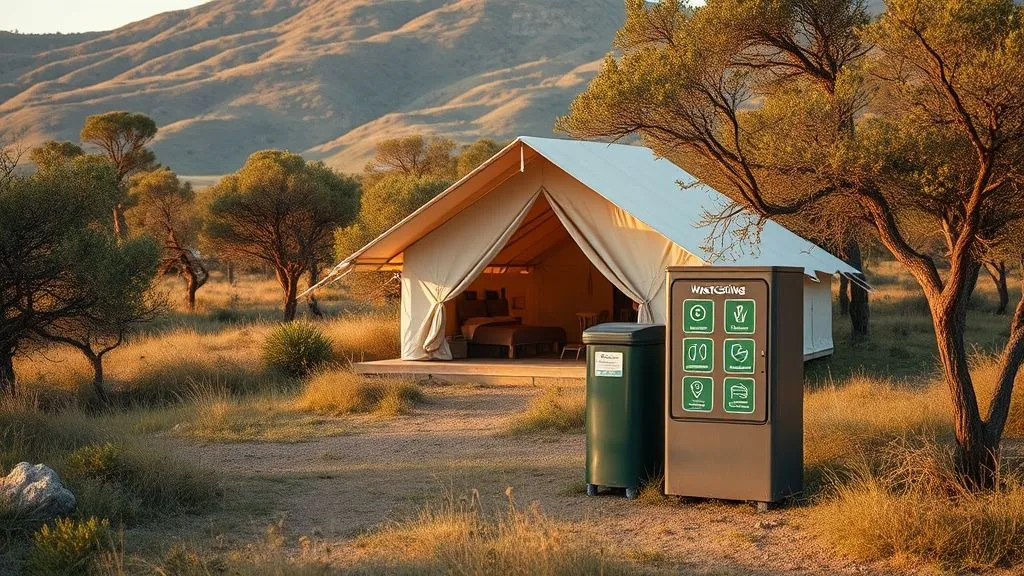
Mastering Sustainable Waste Management at Off-Grid Glamping Sites
For over two decades, I've had the privilege of witnessing the incredible evolution of glamping, from its humble beginnings to the sophisticated wilderness retreats we cherish today. But with this growth, especially in off-grid settings, comes a profound responsibility that many overlook until it becomes a crisis: sustainable waste management. I've personally seen breathtaking sites marred by improper practices, and it's a stark reminder that our commitment to nature must extend beyond just the aesthetic.
The allure of off-grid glamping is its immersion in untouched nature, yet this very remoteness presents unique challenges for waste. Traditional municipal services are non-existent, and the 'out of sight, out of mind' mentality can lead to environmental degradation, regulatory fines, and a tarnished brand reputation. Operators often grapple with limited resources, a lack of local infrastructure, and the sheer volume and diversity of waste generated by guests who expect luxury without compromise.
This article isn't just a guide; it's a comprehensive framework built from years of on-the-ground experience and industry best practices. We'll delve into actionable strategies, innovative technologies, and a holistic approach to transform your waste management challenges into a cornerstone of your glamping site's sustainability ethos. Prepare to learn how to not only comply with environmental standards but to genuinely elevate your off-grid retreat as a beacon of responsible tourism.
1. Understanding the Unique Off-Grid Waste Landscape
Before we can manage waste effectively, we must first understand its nature within an off-grid context. Unlike urban environments with established infrastructure, your glamping site is a self-contained ecosystem, and every piece of waste generated must be accounted for and managed internally.
In my experience, many operators initially underestimate the sheer volume and variety of waste produced. It’s not just food scraps; it’s packaging from gourmet meals, toiletries, cleaning supplies, human waste, and even construction debris from site maintenance. Each type requires a specific management approach.
Expert Insight: The first step to sustainable waste management is a comprehensive waste audit. Know what you're generating, in what quantities, and where it's coming from. This data is your most powerful tool.
Consider the logistical hurdles: remote locations mean higher transportation costs for waste removal, and limited access can complicate the process further. Seasonal variations also play a significant role; peak season brings more guests and thus more waste, demanding scalable solutions. Understanding these nuances is paramount to designing an effective system.
2. Embracing the 'Reduce, Reuse, Recycle, Rot' Hierarchy
At the heart of any sustainable waste strategy, especially for off-grid glamping sites, lies the waste hierarchy. It's not just a catchy phrase; it's a strategic framework that prioritizes actions to minimize environmental impact. I've found that sites that genuinely commit to this hierarchy see the most significant improvements.
Reduce: Minimizing Waste at the Source
The most effective waste is the waste that's never created. This principle should permeate every aspect of your glamping operation, from procurement to guest experience. Think critically about what comes onto your property.
- Bulk Purchasing: Opt for large containers of condiments, cleaning supplies, and toiletries instead of single-use packets or miniature bottles.
- Durable Goods: Invest in high-quality, reusable items like ceramic dishes, metal cutlery, and cloth napkins instead of disposables.
- Supplier Engagement: Work with suppliers who offer minimal or recyclable packaging. Can they take back empty containers?
- Water Refill Stations: Encourage guests to use reusable water bottles by providing purified water refill stations in common areas.
Reuse: Giving Items a Second Life
Before discarding anything, consider if it can be reused. This requires a bit of creativity but can significantly reduce your waste stream.
- Linen & Towel Programs: Implement a clear policy for guests to reuse towels and linens, saving water and detergent, and extending product life.
- Repurpose Materials: Old furniture can be upcycled. Glass jars can become storage or decorative items.
- Donation: Items still in good condition but no longer needed can be donated to local charities or communities.
Recycle: Processing Materials for New Products
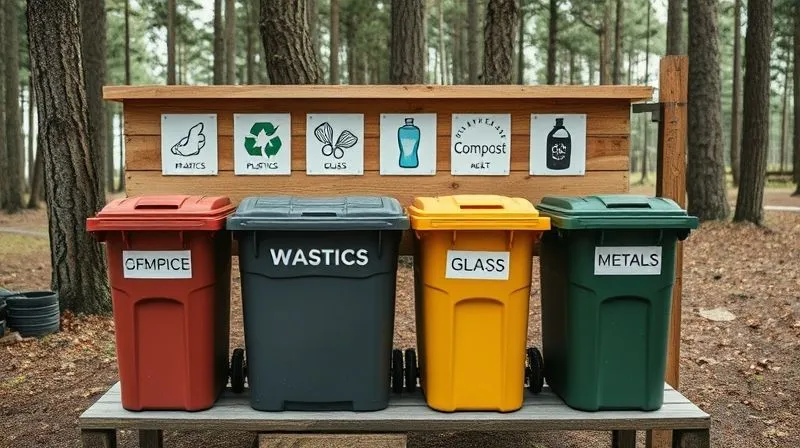
For materials that cannot be reduced or reused, recycling is the next best option. This is where your on-site segregation system becomes critical. However, in off-grid locations, identifying viable recycling streams can be challenging.
You’ll need to research local or regional recycling facilities. Some remote areas might have limited options, requiring you to transport sorted recyclables over longer distances. It’s a cost, but one that aligns with your sustainability mission. Clearly communicate what can and cannot be recycled to both staff and guests.
Rot: Composting Organic Matter
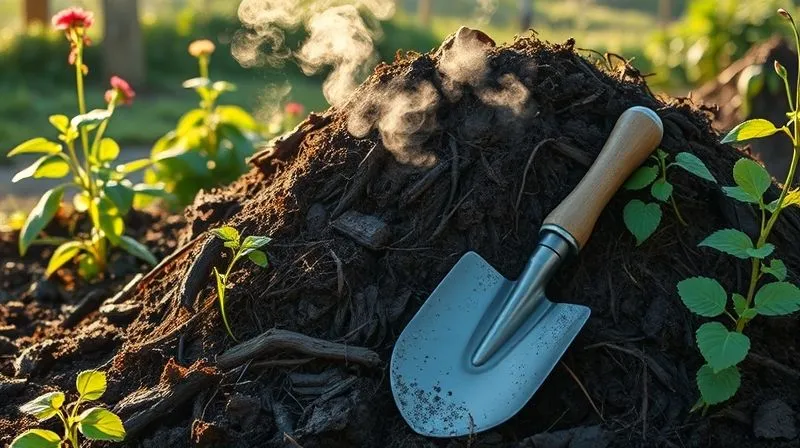
Organic waste, primarily food scraps and garden waste, shouldn't end up in a landfill. Composting transforms this 'waste' into a valuable soil amendment, completing a natural nutrient cycle. This is perhaps the most impactful waste management strategy for off-grid sites.
Later, we'll dive deeper into composting, but for now, understand that separating organics is crucial. This not only reduces landfill waste but also creates a resource for your site's landscaping or even a small on-site garden.
3. Implementing a Robust Waste Segregation System On-Site
Effective waste segregation is the backbone of sustainable waste management. Without it, even the best intentions fall apart. I've found that simplicity and clear communication are key to success, both for staff and guests.
Designing User-Friendly Segregation Stations
Your waste stations need to be intuitive. Use clear labels, distinct colors, and even images to help everyone correctly sort their waste. Place these stations strategically around your site – near glamping tents, communal kitchens, dining areas, and staff quarters.
| Waste Category | Examples | On-Site Management | Off-Site Impact |
|---|---|---|---|
| Compostables | Food scraps, coffee grounds, tea bags, paper towels (unbleached) | Composting bins | Reduces landfill methane, creates soil amendment |
| Recyclables (Plastics) | PET bottles (#1), HDPE containers (#2), some film plastics | Designated bins for clean, dry plastics | Reduces virgin plastic production, energy savings |
| Recyclables (Glass) | Bottles, jars (rinsed) | Designated bins, potentially crushing for volume reduction | Reduces energy for new glass, less raw material extraction |
| Recyclables (Metals) | Aluminum cans, tin cans, foil (clean) | Designated bins | Significant energy savings, valuable resource |
| Non-Recyclables/Landfill | Styrofoam, plastic bags (if not recycled), soiled items, non-compostable packaging | Compaction/storage for off-site removal | Final disposal in landfill, minimized volume |
| Hazardous Waste | Batteries, light bulbs, paint, chemicals | Secure, separate storage for specialized disposal | Prevents environmental contamination, health risks |
Staff Training and Oversight
Your staff are your first line of defense against contamination. Comprehensive training on proper sorting procedures is non-negotiable. Regular refreshers and spot checks ensure consistency. Empower them to educate guests gently and effectively.
I’ve found that creating a 'waste champion' within the team – someone passionate about sustainability – can significantly boost compliance and morale. This individual can oversee the system, troubleshoot issues, and continuously seek improvements.
4. Composting and Organic Waste Diversion: Turning Waste into Resource
For off-grid sites, composting is not just an option; it's a strategic imperative. Organic waste typically makes up a significant portion of the total waste stream, and effectively managing it on-site drastically reduces the volume requiring off-site removal.
Choosing the Right Composting Method
Several composting methods are suitable for glamping sites, depending on volume, space, and labor availability:
- Hot Composting: Ideal for larger volumes, it involves creating a carefully balanced pile of 'greens' (nitrogen-rich, like food scraps) and 'browns' (carbon-rich, like dry leaves, wood chips). Requires regular turning and monitoring but produces compost quickly.
- Vermicomposting: Using worms to break down organic matter. Excellent for smaller volumes and can be done in contained bins, producing nutrient-rich 'worm castings.'
- Bokashi Composting: An anaerobic fermentation process using inoculated bran. It's fast, can handle meat and dairy (which traditional composting struggles with), and then the fermented material is buried to complete the breakdown.
When I consult with glamping operators, I always stress the importance of selecting a system that can handle their peak season waste load without becoming overwhelmed. A well-managed compost system should be odorless and discreet.
Utilizing Your Compost
The finished compost is a valuable resource. Use it to enrich your site's landscaping, nourish a small herb or vegetable garden for your guests, or even contribute to reforestation efforts around your property. This closes the loop, showcasing a truly circular economy model.
5. Advanced Technologies for Non-Organic Waste: From Incineration to Compaction
Even with diligent reduction, reuse, and composting, some non-organic waste will remain. For off-grid sites, traditional waste removal can be costly and environmentally impactful due to transportation. This is where technology can play a crucial role.
Waste Compaction
Compact waste significantly reduces its volume, meaning fewer trips for removal and lower transportation costs. Compactors are available in various sizes, from small units for plastics and cans to larger industrial models for mixed dry waste. This is particularly beneficial for plastics, which can be bulky.
On-Site Incineration (with Caution)
For truly remote sites with no access to recycling or landfill, controlled, high-temperature incineration can be an option for certain waste types, particularly non-recyclable plastics and general landfill waste. However, this is a highly regulated and sensitive area. Modern incinerators are designed to minimize emissions, but proper permitting and adherence to strict environmental standards are absolutely essential. I cannot stress enough that this is not a 'burn pit' solution; it requires significant investment in proper equipment and expertise to avoid air pollution and regulatory fines. Always consult with local environmental authorities first. The EPA offers guidelines on waste incineration, highlighting the complexities involved.
Glass Crushers
Glass bottles and jars can be bulky and heavy. A glass crusher can reduce their volume by up to 80%, making them much easier and cheaper to transport for recycling or, in some cases, for use as aggregate on-site (e.g., for pathways, if done safely and legally).
6. Water Management and Wastewater Treatment: A Crucial Component of Waste Strategy
While often considered separately, water management, particularly wastewater treatment, is an integral part of sustainable waste management at off-grid glamping sites. Untreated wastewater is a significant pollutant and a health hazard.
Greywater Systems
Greywater (water from showers, sinks, and laundry, but not toilets) can often be treated and reused for irrigation or toilet flushing, significantly reducing your fresh water consumption and wastewater volume. Simple reed bed systems or constructed wetlands can naturally filter greywater, blending seamlessly into the landscape.
Blackwater Treatment (Human Waste)
Managing blackwater (toilet waste) in off-grid locations requires robust solutions. Septic systems are common, but for a truly sustainable approach, consider advanced options:
- Composting Toilets: These systems separate liquid and solid waste, dehydrating the solids into a usable compost-like material. They require no water, saving a tremendous amount of this precious resource.
- Bio-digesters: These systems use anaerobic digestion to break down organic matter in wastewater, producing biogas (which can be used for energy) and nutrient-rich effluent.
- Packaged Wastewater Treatment Plants: Smaller, self-contained units that can treat blackwater to a high standard, suitable for discharge or even some forms of reuse.
When I advise clients, I emphasize that investing in a high-quality wastewater treatment system is not just about compliance; it's about protecting the very natural beauty your guests come to experience. The World Health Organization provides valuable insights into sustainable sanitation practices, which are highly relevant to off-grid operations.

7. Engaging Guests in Your Sustainability Mission
Your guests are a vital part of your waste management strategy. Without their cooperation, even the most meticulously designed system will falter. The key is to educate and inspire, not dictate.
Pre-Arrival Communication
Start before they even arrive. On your website, booking confirmations, and welcome emails, gently introduce your commitment to sustainability and explain how guests can help. Suggest they pack reusable water bottles, minimize packaging, and be mindful of their waste.
On-Site Education and Incentives
Once on-site, provide clear, concise information. A small, tastefully designed card in their tent explaining the waste segregation system, the composting process, and the importance of water conservation can be very effective. Use positive reinforcement.
Expert Insight: Frame sustainability not as a chore, but as an enhancement to their wilderness experience. Guests want to feel like they are part of something good. Make it easy and rewarding for them to participate.
Case Study: Eco-Haven Glamping's Zero-Waste Challenge
Case Study: How Eco-Haven Glamping Transformed Guest Engagement
Eco-Haven Glamping, a remote site nestled in the Appalachian Mountains, initially struggled with guests leaving mixed waste, contaminating their recycling and compost streams. Their solution wasn't punitive, but educational and incentive-based. They implemented a 'Zero-Waste Challenge' during check-in, where guests received a reusable water bottle and a small guide to the site's waste system. For every bag of perfectly sorted waste returned to the central station, guests earned points towards a discount on their next stay or a local, sustainable product. They also offered guided tours of their composting facility and greywater system, turning waste management into an educational experience. Within six months, they saw a 70% reduction in contaminated waste, significantly lowering their removal costs and enhancing their brand as a truly eco-conscious retreat. This resulted in glowing reviews focused on their sustainability efforts and a loyal guest base committed to their mission.
Consider offering incentives for guests who actively participate, such as a discount on a future stay or a local, eco-friendly gift. Organize activities like guided nature walks that subtly highlight the impact of waste on the environment. Organizations like the Sustainable Travel International provide excellent resources on engaging travelers responsibly.
8. Regulatory Compliance and Certification: Building Trust and Authority
Operating an off-grid glamping site means you are often under increased scrutiny regarding environmental impact. Adhering to local, regional, and national environmental regulations is not optional; it's foundational to your operation's legality and reputation.
Navigating Permitting and Regulations
Before implementing any major waste or water treatment system, thoroughly research and obtain all necessary permits. This includes permits for wastewater discharge, composting operations, and potentially waste storage or incineration. Ignoring these can lead to hefty fines, operational shutdowns, and severe damage to your brand. I've seen promising ventures collapse because they overlooked this critical step.
Seeking Eco-Certifications
Beyond compliance, consider pursuing recognized eco-certifications. These third-party validations demonstrate your commitment to sustainability and can be a powerful marketing tool. Examples include Green Globe, EarthCheck, or local/regional sustainable tourism certifications. The Global Ecotourism Network is a great starting point for understanding certification options.
These certifications often have stringent requirements for waste and water management, pushing you to adopt best practices and providing a clear framework for continuous improvement. They build immense trust with environmentally conscious travelers.
9. Measuring Impact and Continuous Improvement
Sustainable waste management is not a one-time project; it's an ongoing process of monitoring, evaluation, and refinement. What works today might need adjustment tomorrow as technologies evolve or your site grows.
Regular Waste Audits
Periodically conduct waste audits to track your progress. Are you reducing your overall waste volume? Is your recycling contamination rate decreasing? Are your composting efforts effective? Data will tell you what's working and what needs attention.
Feedback Loops
Establish feedback mechanisms with your staff and guests. What challenges are they facing with the waste system? What suggestions do they have? Their insights from the front lines can be invaluable for identifying practical improvements.
Staying Updated
The field of sustainable technology is constantly evolving. Stay informed about new waste treatment methods, innovative recycling solutions, and changes in environmental regulations. Attend industry conferences, read specialist publications, and network with other eco-conscious operators.
By treating sustainable waste management as a dynamic, evolving aspect of your business, you ensure your off-grid glamping site remains a leader in responsible tourism for years to come.
Frequently Asked Questions (FAQ)
Question: What are the biggest challenges for off-grid glamping sites in managing waste, beyond just remoteness? The biggest challenges often stem from the diverse nature of waste (from food to human waste), lack of local infrastructure for specialized recycling, the seasonal fluctuation of waste volume, and critically, managing guest expectations and participation. Educating guests effectively without diminishing their luxury experience is a fine balance.
Question: How can I convince guests to participate in waste segregation without making it feel like a chore? Focus on education, not enforcement. Provide clear, simple instructions with visual aids. Frame it as part of the unique, eco-conscious experience of your site. Offer small incentives, share your site's sustainability story, and make it as convenient as possible for them to do the right thing. Transparency about your efforts builds trust and encourages participation.
Question: Is on-site incineration ever a truly sustainable option for off-grid sites? While it can drastically reduce waste volume in extremely remote areas with no other options, it's a complex and highly regulated solution. 'Sustainable' only if it's a modern, high-temperature, controlled incinerator designed to minimize emissions, with proper permits and ongoing monitoring. It should be a last resort after maximizing reduce, reuse, recycle, and rot, and always done in strict compliance with environmental laws.
Question: What's the most impactful first step a new off-grid glamping site should take for waste management? Conduct a thorough waste audit (even if estimated initially) to understand your potential waste streams and volumes. Simultaneously, design and implement a robust, user-friendly waste segregation system from day one, coupled with comprehensive staff training. This lays the foundation for all subsequent sustainable practices.
Question: How can I handle hazardous waste like batteries or chemicals safely at a remote site? Hazardous waste requires special handling. Designate secure, clearly labeled storage areas for these items, away from guests and staff traffic. Research and establish a relationship with a licensed hazardous waste disposal company that can service your remote location, even if infrequently. Never mix hazardous waste with general waste or attempt to dispose of it on-site.
Key Takeaways and Final Thoughts
Successfully ensuring sustainable waste management at off-grid glamping sites is an intricate dance between planning, technology, and human behavior. It's a challenge, yes, but also an incredible opportunity to differentiate your brand and truly live your values.
- Prioritize Reduction: The best waste is the waste never created.
- Segregate Meticulously: Clear, intuitive systems are non-negotiable for staff and guests.
- Embrace Organics: Composting is your most powerful tool for reducing landfill waste.
- Invest Wisely: Consider compactors, and advanced wastewater solutions as long-term investments.
- Engage & Educate: Your guests are partners in sustainability, not just consumers.
- Comply & Certify: Adherence to regulations and seeking certifications build trust and authority.
- Continuously Improve: Waste management is an ongoing process requiring regular audits and adaptation.
As an industry veteran, I've seen that the most successful off-grid glamping sites aren't just about luxury; they're about demonstrating profound respect for the environment they inhabit. By mastering your waste management, you're not just running a business; you're cultivating a legacy of responsible tourism that will resonate deeply with your guests and protect our precious wilderness for generations to come. Your commitment today shapes the future of glamping.
Recommended Reading
- Heli-Ski Cancellations: 5 Ways Operators Handle Last-Minute Weather
- The Secret to Designing Your Dream Bespoke Luxury Glamping Itinerary
- Why High-End Guests Bypass Rustic-Elegant Glamping: 5 Crucial Fixes
- 7 Smart Ways to Budget for Unexpected Festival Travel Costs
- Master Your First White Water Rafting Trip: Essential Prep Guide

Your email address will not be published. Required fields are marked *