

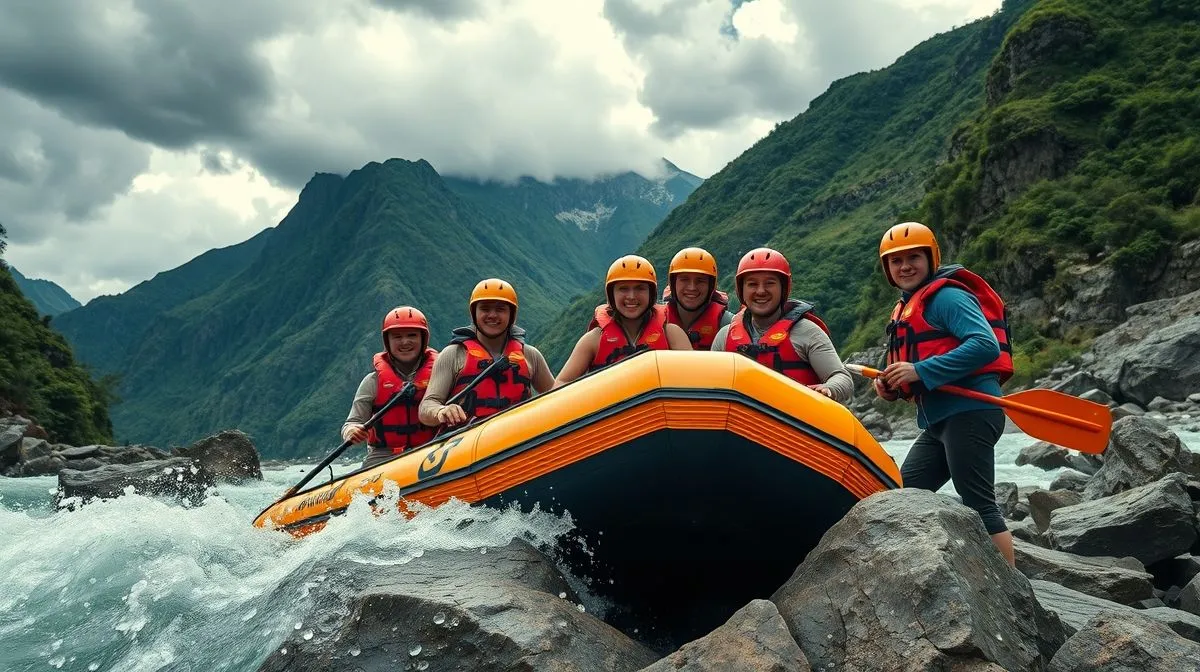
Introduction: How to Prepare for a First White Water Rafting Trip?
Have you ever dreamt of navigating roaring rapids, feeling the exhilarating spray of the river, and conquering nature's might? White water rafting offers an unparalleled adventure, a symphony of adrenaline and natural beauty that leaves an indelible mark on your soul. Yet, for many first-timers, the excitement can be tinged with apprehension. The unknown can be daunting, but with the right preparation, that apprehension transforms into pure anticipation.
The 'problem' isn't the river itself; it's often the lack of knowledge about what to expect, what to bring, and how to stay safe. Many beginners underestimate the physical demands or overlook crucial gear, leading to discomfort or missed opportunities for enjoyment. Without proper guidance, a potentially life-changing experience could become a source of anxiety.
This comprehensive guide is your definitive 'solution' to those worries. By the end of this reading, you will possess all the essential knowledge on how to prepare for a first white water rafting trip, ensuring not just safety, but maximum enjoyment and an unforgettable adventure. We'll cover everything from gear and physical readiness to mental preparation and on-river etiquette, empowering you to embrace the rapids with confidence.
Understanding the Rapids: What to Expect
Before you even pack your bags, it's crucial to understand the language of the river. Rivers are classified by their difficulty, from gentle floats to intense, expert-only challenges. Knowing what to expect from the rapids will greatly influence your preparation and choice of trip.
Class I-VI Rapids Explained
The International Scale of River Difficulty is a standard system used worldwide to classify rapids. Understanding these classes is fundamental for choosing a trip suitable for your experience level.
- Class I: Easy – Very small rough areas, requires slight maneuvering. Ideal for absolute beginners and families.
- Class II: Novice – Straightforward rapids with wide, clear channels. Requires basic paddling skills. Some rocks or waves may be present.
- Class III: Intermediate – Rapids with irregular waves, moderate difficulty. Requires good maneuvering skills and quick decisions. Can have high waves and tight passages.
- Class IV: Advanced – Long, difficult rapids with powerful waves, holes, and precise maneuvering. Requires expert boat handling and strong bracing skills.
- Class V: Expert – Extremely difficult, violent, and highly unpredictable rapids. Significant drop-offs, large, unavoidable waves, and severe hazards. Rescue is difficult.
- Class VI: Extreme – Considered unrunnable or extremely hazardous. These rapids are rarely attempted and are for elite paddlers only, often with significant risk to life.
Most first-time white water rafting trips are conducted on Class II or Class III rivers. These offer enough excitement to be thrilling without being overwhelmingly dangerous. Always confirm the river class with your outfitter.
Choosing the Right Trip for Beginners
When selecting your first rafting adventure, prioritize safety and enjoyment over extreme thrills. Look for outfitters that specialize in beginner-friendly trips, often on Class II or III sections of rivers. These trips typically have experienced guides who provide thorough instructions and prioritize a positive first experience.
Consider the trip duration. Half-day or full-day trips are excellent for first-timers, allowing you to experience the thrill without excessive fatigue. Overnight or multi-day excursions might be too intense for your inaugural journey. Research the river's reputation and read reviews from other first-time rafters to gauge its suitability. A great resource for understanding river classifications and finding suitable trips can be found at American Whitewater, a leading river conservation organization.
Essential Gear: What to Wear and Pack
What you wear and bring on your rafting trip can significantly impact your comfort, safety, and overall enjoyment. The right gear will protect you from the elements and enhance your performance.
Clothing Choices: Synthetics are Your Friend
Forget cotton! Cotton absorbs water and stays wet, chilling you quickly. Instead, opt for synthetic materials like polyester, nylon, or neoprene, which wick moisture away and retain warmth even when wet. Think layers, as river temperatures can fluctuate.
- Base Layer: A synthetic long-sleeved shirt and pants (or shorts) for warmth and sun protection.
- Mid-Layer (Optional): A fleece jacket or synthetic pullover for cooler days or colder water.
- Outer Layer: A waterproof and windproof jacket, especially if there's a chance of rain or cooler weather.
- Swimsuit: Wear under your layers.
- Wetsuit: Your outfitter may provide or rent wetsuits if the water is particularly cold. This is highly recommended for spring trips or glacial-fed rivers.
Remember that you're going to get wet, possibly soaked, so choose clothing that performs well in wet conditions. Bright colors can also be a good idea for visibility on the water.
Footwear for Safety and Comfort
Your feet need protection and grip. Flip-flops or bare feet are a definite no-go as they offer no protection and can easily come off. Choose footwear that will stay on your feet and protect them from rocks and debris.
- Water Shoes: Specifically designed for wet environments, offering good grip and quick drying.
- Old Sneakers: A sturdy pair of old tennis shoes that you don't mind getting wet can also work.
- Strap-on Sandals: Only if they have a secure back strap and good traction.
Avoid open-toed sandals without a back strap. Your feet will be exposed to rocks, and you could lose your footwear in the rapids. Ensure your chosen footwear provides good ankle support if possible.
Must-Have Personal Items
Beyond clothing, a few personal items are crucial for comfort and safety on the river.
- Sunscreen: The sun's reflection off the water intensifies its rays. Apply generously and reapply often.
- Strap for Glasses/Sunglasses: Essential to prevent losing them in the rapids.
- Hat: A brimmed hat for sun protection, preferably with a strap.
- Water Bottle: Hydration is key, even on the water.
- Small Dry Bag: For personal items like car keys, wallet, or medication that absolutely cannot get wet. Your outfitter might provide one.
Leave valuable electronics like phones and cameras behind unless they are fully waterproof and securely tethered. Many outfitters offer professional photo services for capturing your adventure.
Physical and Mental Preparation
While you don't need to be an Olympic athlete, a certain level of physical and mental readiness will significantly enhance your rafting experience. Being prepared helps you enjoy the challenge rather than just endure it.
Building Core Strength and Stamina
Rafting involves more than just sitting back. You'll be paddling, bracing, and potentially maneuvering in challenging conditions. Building basic core strength and stamina will make these actions easier and reduce fatigue.
- Cardio: Regular walks, jogging, or swimming for at least 30 minutes, 3-4 times a week, will improve your cardiovascular endurance.
- Core Exercises: Planks, crunches, and Russian twists strengthen the core muscles crucial for paddling and bracing.
- Upper Body Strength: Push-ups, pull-ups (if accessible), or resistance band exercises can help with paddling power.
Start these preparations a few weeks before your trip. Even light activity can make a difference. Remember, the goal is to be comfortable, not to become a professional paddler overnight.
Overcoming Pre-Trip Jitters
It's completely normal to feel a mix of excitement and nervousness before your first white water rafting trip. Acknowledging these feelings is the first step. Focus on the extensive safety measures taken by reputable outfitters.
Visualize a successful and fun trip. Trust in your guide's expertise; they are highly trained professionals. Remind yourself that millions of people safely enjoy rafting every year. If you're particularly anxious, speak to your outfitter beforehand to clarify any concerns. Knowing what to expect and being adequately prepared, as outlined in this guide on how to prepare for a first white water rafting trip, is the best antidote to jitters.
Safety First: Briefings and Commands
Safety is paramount on any white water rafting trip. Your outfitter and guide will provide crucial information that you must absorb and follow without exception.
Listening to Your Guide: The Golden Rule
Your raft guide is your expert, your captain, and your primary source of safety information. They have extensive training, knowledge of the river, and experience in handling emergencies. Pay close attention to their pre-trip safety briefing and all commands given on the water.
Do not hesitate to ask questions if something is unclear. Your guide will explain how to wear your personal flotation device (PFD), what to do if you fall out of the raft, and how to paddle effectively. Their instructions are for your safety and the safety of the entire crew. According to the National Park Service, adherence to safety guidelines and the use of proper equipment are the most critical factors in preventing rafting accidents. (National Park Service River Safety)
Understanding Paddle Commands and Safety Procedures
Guides use specific commands to direct the raft and ensure coordinated paddling. Familiarize yourself with these common commands:
- "Forward!" or "Paddle Forward!": Paddle in unison forward.
- "Back Paddle!": Paddle in unison backward.
- "Hold On!" or "Get Down!": Brace yourself inside the raft, often by grabbing the T-grip of your paddle and leaning in.
- "Right Back!" or "Left Forward!": Specific sides paddle backward or forward to turn the raft.
- "High Side!": Move your weight to the side of the raft that is rising, typically in a large wave, to prevent flipping.
Beyond commands, understand basic safety procedures like the "swim position" (feet downstream, on your back, nose and toes to the sky) if you fall out, and how to assist a swimmer back into the raft. Practice these mentally before you hit the water.
Packing Smart: What to Bring and What to Leave Behind
Efficient packing can make your trip much more comfortable. Knowing what is essential and what is superfluous will save you hassle and ensure you have everything you need.
Waterproof Essentials
Anything that absolutely must stay dry should be in a reliable dry bag. This includes:
- Car Keys: Essential for getting home!
- Medications: Any prescription medications you need.
- Wallet/ID: Minimal cash and identification.
- Small Camera (Waterproof): If you choose to bring one, ensure it's rated for submersion.
Many outfitters provide a shared dry bag for group essentials, but having your own small personal one is always a good idea. Double-bagging sensitive items (e.g., placing them in a Ziploc inside the dry bag) adds an extra layer of protection.
Snacks and Hydration
Even on a half-day trip, a snack can be a welcome energy boost. For full-day trips, outfitters usually provide lunch, but bringing your own small, non-perishable snacks is wise.
- Energy Bars: Compact and calorie-dense.
- Trail Mix: A good mix of protein and carbs.
- Dried Fruit: Easy to eat and provides quick energy.
Always bring a reusable water bottle. Staying hydrated is crucial, especially when exerting yourself in the sun. Many rafts have spots to secure water bottles, but a carabiner can be useful to clip it to a D-ring.
Common Mistakes to Avoid on Your First Rafting Trip
Even with thorough preparation, some common pitfalls can detract from your experience. Being aware of these can help you avoid them.
Underestimating the Sun and Cold
Many first-timers focus on the water but forget about the sky above. The sun's intensity, especially when reflected off the water, can lead to severe sunburn. Conversely, cool water and air temperatures can lead to hypothermia if you're not dressed appropriately in layers of synthetic materials.
Always apply high SPF sunscreen liberally and wear a hat. If the water is cold, a wetsuit is non-negotiable. Even on a sunny day, an unexpected splash or a sudden cloud can make you feel much colder than anticipated. Bring warm, dry clothes for immediately after the trip.
Ignoring Safety Briefings
It might seem obvious, but some participants treat the safety briefing as background noise. This is a critical error. The briefing covers everything from how to paddle effectively to what to do in an emergency. Your life, and the lives of others in the raft, could depend on your understanding of these instructions.
Give your guide your full attention, ask questions, and mentally rehearse the procedures. A well-informed rafter is a safer rafter. This is a key part of how to prepare for a first white water rafting trip effectively.
Choosing the Right Outfitter: A Crucial First Step
Your choice of white water rafting outfitter is arguably the most important decision you'll make. A reputable outfitter ensures safety, quality equipment, and an enjoyable experience.
Certifications and Experience
Look for outfitters that are licensed and insured, and whose guides are certified in first aid, CPR, and swiftwater rescue. Experienced guides not only navigate the river skillfully but also enhance your trip with their knowledge of the local ecology and history.
Don't be afraid to ask about their safety record and guide training programs. A professional outfitter will be transparent and proud of their safety standards. Check if they are members of professional associations like America Outdoors or a state-specific rafting association.
Reviews and Reputation
In today's digital age, online reviews are invaluable. Check platforms like Google Reviews, TripAdvisor, and Yelp. Look for consistent positive feedback regarding safety, guide professionalism, equipment quality, and overall customer service. Pay attention to any recurring negative comments, especially those related to safety or organization.
A good reputation is earned through years of reliable service and happy customers. Trust the experiences of others when making your selection. This due diligence is a vital part of knowing how to prepare for a first white water rafting trip, as it directly impacts the quality and safety of your adventure.
Post-Rafting Care and Memories
The adventure doesn't end when you pull the raft ashore. Proper post-trip care and capturing memories are part of the complete experience.
Rehydrating and Recharging
After paddling and exposure to the elements, your body will need replenishment. Drink plenty of water or electrolyte-rich beverages. Have a change of dry, warm clothes ready immediately after the trip to prevent chills and increase comfort.
Many outfitters provide snacks or a meal after the trip. Take advantage of this time to relax, share stories with your fellow rafters, and bask in the glow of your accomplishment. Your muscles might be a bit sore the next day, a testament to your hard work!
Capturing the Experience
While we advised against bringing your own non-waterproof camera on the raft, many outfitters have professional photographers positioned at key rapids to capture your most exhilarating moments. Inquire about photo packages before or after your trip.
These professional shots are often worth the investment, providing high-quality, action-packed memories without the risk of losing your personal devices. They serve as fantastic mementos of your first thrilling journey down the river, a tangible reminder of your courage and the joy of the adventure.
Frequently Asked Questions (FAQ)
Is white water rafting dangerous for beginners? While white water rafting inherently carries risks, reputable outfitters mitigate these risks significantly for beginners by using experienced guides, proper equipment, and choosing appropriate river sections (typically Class II-III). Following your guide's instructions is crucial for safety.
Do I need to know how to swim to go white water rafting? While being able to swim is highly recommended, it is often not strictly required for beginner-level trips. You will be wearing a US Coast Guard approved Personal Flotation Device (PFD) which will keep you afloat. However, comfort in water is a definite advantage should you fall out of the raft. Always check with your specific outfitter.
What should I do if I fall out of the raft? If you find yourself unexpectedly in the water, the first rule is to stay calm. Your PFD will keep you afloat. Get into the 'swim position' – on your back, feet downstream, head up, and arms out to the side. This allows you to fend off rocks with your feet and see what's ahead. Listen for your guide's instructions; they will work to get you back into the raft or to shore.
Can I bring my phone or camera on the raft? It is generally not recommended to bring non-waterproof electronics on the raft. Even in a dry bag, there's a risk of damage. If you have a fully waterproof camera, ensure it's securely tethered. Many outfitters offer professional photo services, which is a safer way to capture memories.
Recommended Reading
- Conquer Your Fears: Solo Dining Tips for Shy Travelers Revealed
- Treehouse Glamping: Is it Safe for Kids? Ultimate Safety Guide
- Amalfi Coast's Best Michelin Restaurants: Your Exclusive Culinary Guide
- High-Speed Rail Europe: Pro Travel Tips for Seamless Journeys
- Ultimate Guide: Best Luxury Hotel Amenities for Total Relaxation
Conclusion
Embarking on your first white water rafting trip is an exhilarating experience that combines the thrill of adventure with the raw beauty of nature. By understanding river classifications, choosing the right gear, preparing yourself physically and mentally, and most importantly, diligently following your guide's instructions, you transform potential apprehension into confident excitement. This comprehensive guide has provided you with all the essential steps on how to prepare for a first white water rafting trip, ensuring not just your safety but also maximizing your enjoyment. So, gear up, embrace the challenge, and get ready to create unforgettable memories on the rapids. Your adventure awaits!




Your email address will not be published. Required fields are marked *