

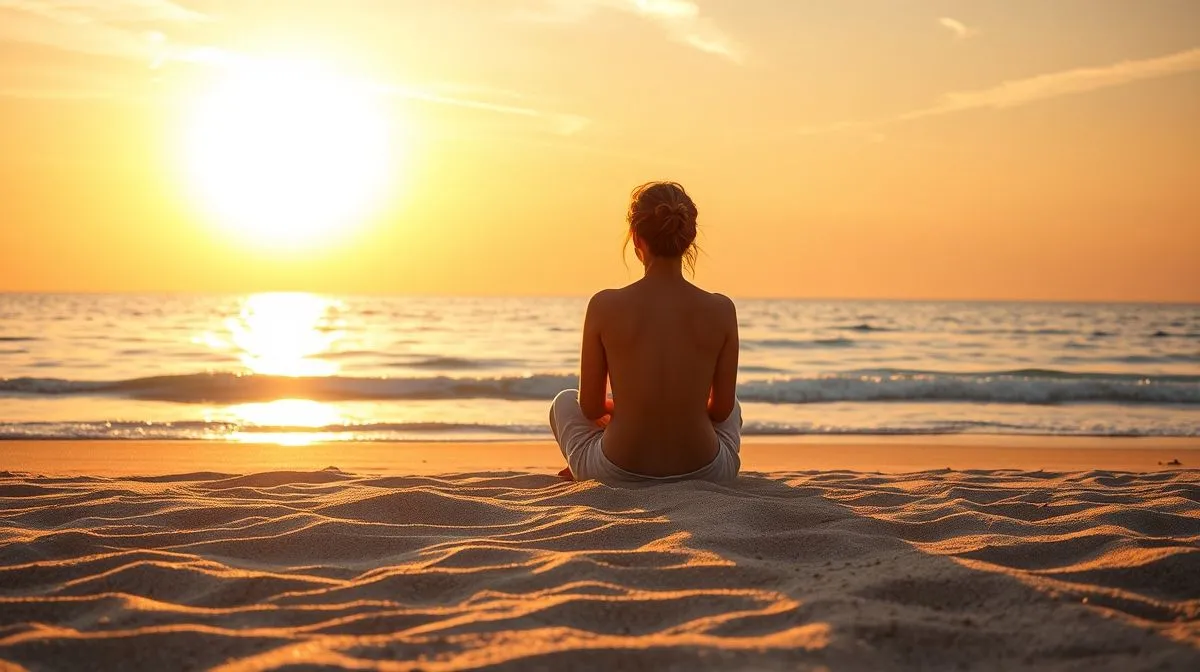
How to Find True Peace and Relaxation on a Beach?
Have you ever found yourself gazing at the endless horizon where the ocean meets the sky, feeling a profound yearning for something more than just a fleeting moment of calm? The beach, with its rhythmic waves and boundless expanse, promises a unique sanctuary. Yet, for many, the promise of profound peace often remains just out of reach.
In our increasingly fast-paced world, finding genuine respite, a deep sense of inner quiet, can feel like an elusive quest. Even when we finally make it to the beach, the constant hum of digital distractions, the buzz of crowds, or the lingering echoes of daily worries can prevent us from truly disconnecting and experiencing the restorative power of the sea.
This comprehensive guide will show you precisely how to find true peace and relaxation on a beach, transforming your coastal visit from a simple outing into a profound journey of rejuvenation. We'll explore expert techniques, delve into the science behind the sea's calming effects, and provide actionable steps to unlock unparalleled serenity.
The Allure of the Shore: Why Beaches Offer Unique Tranquility
The magnetic pull of the beach isn't just aesthetic; it's deeply rooted in our psychology and physiology. Understanding why these environments are so calming is the first step toward harnessing their full potential for relaxation.
The Science of Sound: Ocean Waves and Brainwaves
The consistent, rhythmic sound of ocean waves crashing and receding has a profound effect on the human brain. This natural white noise masks other jarring sounds and encourages a meditative state. Research published in Frontiers in Psychology highlights how natural soundscapes contribute to psychological restoration.
- Alpha Waves: The gentle ebb and flow can induce alpha brain waves, associated with states of calm, relaxation, and reduced stress.
- Predictability: The repetitive nature of waves is predictable, which signals safety to our primal brain, reducing vigilance and anxiety.
- Masking: It effectively masks distracting or irritating background noises, creating an auditory cocoon for peace.
The Blue Space Effect: Visual Calm
The vastness of the ocean and the clear blue sky offer a visual escape from the confined spaces of daily life. This concept, known as 'blue space' exposure, is increasingly studied for its positive impact on mental well-being. A review published in the National Library of Medicine emphasizes the importance of water for physical and mental health.
- Perceived Openness: The expansive horizon fosters a sense of freedom and reduces feelings of claustrophobia or being hemmed in.
- Color Psychology: Blue and green hues, dominant in coastal environments, are universally associated with tranquility, healing, and peace.
- Reduced Visual Clutter: Unlike urban environments, beaches offer a simplified visual field, allowing the mind to rest and decompress.
Sand Between Your Toes: Grounding and Sensory Input
Direct contact with the earth, often referred to as 'grounding' or 'earthing,' is believed by some to offer therapeutic benefits. Walking barefoot on sand allows for this direct connection, engaging multiple senses simultaneously.
- Tactile Stimulation: The varied textures of sand, from soft powder to coarse grains, provide a gentle, natural massage for the feet.
- Temperature Regulation: The cool sand beneath your feet can be incredibly soothing, especially on a warm day.
- Energetic Connection: Proponents suggest that connecting with the earth's natural electric charge can help stabilize our own bioelectrical rhythms, as explored in articles like "Earthing: Health Implications of Reconnecting the Human Body to the Earth's Surface Electrons".
Preparing for Your Perfect Beach Escape: Mindset and Essentials
True relaxation on the beach begins long before your toes hit the sand. It involves a conscious preparation of both your mind and your physical environment.
Decluttering Your Mind Before You Go
The biggest obstacle to peace isn't external; it's often the internal chatter. Take proactive steps to clear your mental space before heading to the coast.
- Pre-trip Planning: Address any pending tasks or worries before you leave. Make a quick to-do list for when you return, then mentally set it aside.
- Set Intentions: Before you even pack, decide what you want to gain from your beach visit. Is it stillness? Rejuvenation? Clarity?
- Mindful Transition: Consciously shift from your daily routine to 'beach mode.' This might involve a short meditation or deep breathing exercise before you depart.
Essential Gear for Uninterrupted Relaxation
While minimalism is key, a few strategic items can significantly enhance your ability to unwind without interruption.
- Comfortable Seating: A lightweight beach chair, a large towel, or a comfortable blanket can make a huge difference.
- Hydration and Snacks: Pack plenty of water and light, easy-to-eat snacks to avoid hunger pangs disrupting your peace.
- Sun Protection: Sunscreen, a wide-brimmed hat, and sunglasses are non-negotiable for comfort and safety. Overexposure can quickly turn bliss into discomfort.
- Entertainment (Optional & Mindful): A physical book, a journal, or a small drawing pad. Avoid digital devices if your goal is a true digital detox.
- Noise-Canceling Headphones: If you're sensitive to sound or anticipate crowds, these can be a game-changer for creating your own auditory sanctuary.
Setting Intentions for Your Beach Day
Before you even arrive, take a moment to visualize your ideal beach experience. What do you want to feel? What do you want to achieve?
- Focus on Presence: Intend to be fully present, engaging all your senses in the moment.
- Release Expectations: While intentions are good, avoid rigid expectations. The beauty of nature is its unpredictability. Embrace it.
- Prioritize Self-Care: Remind yourself that this time is for you, and it's okay to prioritize your well-being above all else.
Mindful Practices for Deep Beach Relaxation
Once you're settled, the real work of finding peace begins. These mindful practices will help you tap into the inherent tranquility of the beach environment.
The Art of Sensory Immersion: See, Hear, Feel, Smell
Engage your senses fully to anchor yourself in the present moment, a cornerstone of mindfulness.
- Sight: Gaze at the horizon, watch the endless dance of the waves, observe the subtle shifts in cloud formations. Notice the colors, the textures.
- Sound: Close your eyes and truly listen to the ocean's symphony – the crashing waves, the gentle lapping, the distant cries of gulls. Let these sounds wash over you.
- Feel: Feel the warmth of the sun on your skin, the cool breeze, the soft sand beneath your fingers and toes. Notice the sensation of the water if you venture in.
- Smell: Inhale the distinct scent of the sea – a mix of salt, seaweed, and fresh air. This unique aroma can be deeply evocative and calming.
Guided Beach Meditation and Breathwork
The beach is a natural setting for meditation. Even a few minutes can dramatically deepen your sense of peace.
- Ocean Breath: Lie down, close your eyes, and synchronize your breath with the waves. Inhale as a wave rolls in, exhale as it recedes.
- Body Scan: Bring your awareness to each part of your body, noticing any tension and inviting it to release into the sand below.
- Guided Imagery: If you use a meditation app, choose a nature-themed guided meditation. The sounds and imagery will blend seamlessly with your surroundings.
Journaling by the Sea: Reflecting and Releasing
The serene environment of the beach is ideal for introspection. Writing can be a powerful tool for processing thoughts and emotions.
- Stream of Consciousness: Simply write whatever comes to mind without judgment. Let the thoughts flow onto the page.
- Gratitude Practice: List all the things you are grateful for in that moment – the sun, the sand, the peace.
- Problem-Solving: If a particular worry is nagging you, write about it. Sometimes, simply articulating a problem can offer a new perspective or a path to resolution.
Overcoming Common Beach Distractions
Even in the most idyllic settings, distractions can arise. Learning to manage them is key to maintaining your inner calm.
Digital Detox: Unplugging from the World
This is arguably the most critical step for achieving true relaxation on a beach. Our devices are constant conduits to external demands and anxieties.
- Leave Devices Behind: The most effective method is to simply leave your phone, tablet, and laptop at home or in your car.
- Airplane Mode: If you must bring your phone for emergencies or photos, switch it to airplane mode immediately upon arrival.
- Set Boundaries: Inform friends and family that you will be unreachable for a set period. This reduces the urge to check for messages.
Managing Crowds and Noise
Not every beach offers secluded bliss. Even on popular shores, strategies exist to carve out your own peaceful space.
- Timing is Key: Visit during off-peak hours, early mornings, or late afternoons when crowds are thinner.
- Seek Out Quiet Zones: Some beaches have designated quiet areas. If not, walk further down the beach away from main access points.
- Use Auditory Aids: Noise-canceling headphones with calming music or nature sounds can create an instant personal bubble.
Practical Tips for Solitude
Sometimes, simply being alone can amplify the sense of peace. While not always possible, aim for moments of undisturbed solitude.
- Early Bird Gets the Quiet: Arriving before the majority of beachgoers ensures a few precious hours of relative solitude.
- Find a Nook: Look for natural formations like dunes or rock outcrops that can provide a visual barrier from others.
- Respect Others' Space: Similarly, be mindful of others seeking their own peace. Maintain a respectful distance.
Embracing the Therapeutic Benefits of the Ocean
Beyond the passive act of simply being there, actively engaging with the ocean can unlock deeper levels of healing and rejuvenation.
The Healing Power of Saltwater
Swimming in the ocean offers a unique blend of physical and mental benefits. The buoyancy of the water provides a sense of weightlessness, which can be incredibly liberating.
- Physical Relief: Saltwater is known for its natural antiseptic properties and can be soothing for skin conditions.
- Muscle Relaxation: The gentle resistance of the water provides a mild workout without strain, helping to release muscle tension.
- Sensory Delight: The feeling of cool, buoyant water surrounding your body is a deeply immersive and calming experience.
Sun Exposure and Vitamin D (with caution)
Moderate sun exposure is essential for Vitamin D synthesis, which plays a crucial role in mood regulation and overall health. However, caution is paramount.
- Mood Boost: Sunlight exposure can elevate serotonin levels, improving mood and promoting feelings of well-being.
- Vitamin D: Essential for bone health and immune function. Learn more about its benefits from reliable sources like the Mayo Clinic.
- Safety First: Always use broad-spectrum sunscreen, wear protective clothing, and seek shade during peak sun hours (10 AM - 4 PM) to prevent sunburn and skin damage.
Movement and Play: Gentle Yoga or Beach Walks
Incorporating gentle movement can enhance your relaxation by releasing physical tension and connecting you more deeply with the environment.
- Beach Walking: The uneven surface of sand engages different muscles than walking on pavement, and the rhythmic motion can be meditative.
- Gentle Yoga/Stretching: The soft sand provides a forgiving surface for simple stretches or a short yoga flow. Focus on breath and movement, allowing your body to release tension.
- Mindful Play: Building a sandcastle, collecting seashells, or simply letting the waves wash over your feet can be incredibly therapeutic and bring out a childlike sense of joy.
Sustaining Your Beach Bliss Beyond the Sand
The goal is not just temporary relief, but a lasting shift in your ability to find peace. Take the tranquility of the beach with you.
Incorporating Beach Memories into Daily Life
Keep the feeling alive by consciously recalling your peaceful moments.
- Visual Reminders: Place a seashell on your desk, use a beach photo as your computer background, or display a piece of beach-inspired art.
- Auditory Reminders: Listen to ocean wave sounds during meditation or before sleep.
- Sensory Recall: Close your eyes and mentally transport yourself back to the beach. Feel the sun, hear the waves, smell the salt air.
Creating a "Beach Mindset" at Home
You don't need to be at the coast to cultivate a sense of calm. The principles of beach relaxation can be applied anywhere.
- Mindful Moments: Take short breaks to simply be present, whether it's gazing out a window or listening to the sounds around you.
- Sensory Environments: Use essential oils with marine scents, play calming nature sounds, or create a visually uncluttered space.
- Digital Boundaries: Implement regular digital detox periods, even if just for an hour or two each day.
Planning Future Serene Escapes
Having future plans for relaxation can provide a sense of anticipation and motivation. This is a powerful tool for maintaining well-being.
- Regular Visits: If possible, schedule regular beach trips, even short ones, to recharge.
- Explore New Beaches: Discovering new coastal spots can add an element of adventure to your quest for peace.
- Weekend Getaways: Consider longer stays to truly immerse yourself and disconnect for an extended period.
Mistakes to Avoid for Ultimate Beach Tranquility
While the beach is inherently relaxing, certain pitfalls can undermine your efforts to find true peace. Being aware of these can help you avoid them.
Over-planning vs. Spontaneity
While some preparation is good, an overly rigid schedule can create unnecessary stress. The beach thrives on spontaneity.
- Avoid Jam-Packed Agendas: Don't try to cram too many activities into one beach visit. Allow for ample unstructured time.
- Embrace the Unplanned: Let yourself be guided by the moment. If you feel like napping, nap. If you want to walk, walk.
- Flexibility is Key: Weather changes, crowds fluctuate. Be prepared to adapt your plans without frustration.
Neglecting Hydration and Sun Protection
Physical discomfort is a major barrier to mental peace. Dehydration and sunburn can quickly ruin a relaxing day.
- Drink Continuously: Even if you don't feel thirsty, sip water regularly. The sun and sea air can be dehydrating.
- Reapply Sunscreen: Don't forget to reapply sunscreen every two hours, or more often if swimming or sweating.
- Seek Shade: Use an umbrella or find natural shade, especially during the hottest parts of the day.
Bringing Work or Worries to the Beach
The beach is a sanctuary, not an extension of your office or your problem-solving arena. Consciously leave these behind.
- No Work Emails: Resist the urge to check work-related communications. This time is for you.
- Postpone Problem-Solving: If a worry arises, acknowledge it, but consciously decide to address it later. Write it down if you must, then let it go for now.
- Focus on the Present: Redirect your thoughts to your immediate surroundings – the sights, sounds, and sensations of the beach.
Frequently Asked Questions (FAQ)
How long should I spend at the beach to feel relaxed? Even 20-30 minutes can offer a significant boost to your well-being. For deeper relaxation, aim for at least 2-3 hours, allowing time to settle in, engage in mindful practices, and truly disconnect. Longer visits, like a full day, can be profoundly restorative.
Can I achieve peace on a crowded beach? Yes, absolutely. While solitude can enhance the experience, peace is an internal state. Using noise-canceling headphones, finding a slightly less populated spot, or focusing intently on your inner senses (breathing, body scan) can help you find calm even amidst activity. Remember, the ocean's rhythm can still be heard and felt.
What if I can't go to a beach? You can still tap into the 'blue space' effect! Listen to ocean wave sounds, watch documentaries about the sea, or visit a local lake, river, or even a large fountain. Visualizing a beach scene during meditation can also be powerful. The principles of mindfulness and sensory engagement can be applied anywhere.
Is beach relaxation just for introverts? Not at all! While introverts might naturally gravitate towards the quiet solitude a beach offers, extroverts can also find immense peace and rejuvenation. The beach provides a space to decompress, whether through quiet contemplation or engaging in calming activities like swimming or beach walks with a friend, without the pressure of typical social interactions.
Recommended Reading
- Unlock the Magic: Discover Kid-Friendly Destinations That Offer Educational Fun
- The Ultimate Guide: How to Prepare for a Luxury Overnight Train Journey
- Eco-Friendly Travel: How It Impacts Local Communities Positively
- Best Food Tours for Solo Female Travelers: A Delicious Adventure
- Universal Design Hotels: Booking Tips for Wheelchair Users
Conclusion
Finding true peace and relaxation on a beach is not merely a matter of location, but a conscious practice of presence, detachment, and sensory engagement. By understanding the unique therapeutic qualities of the ocean, preparing your mind and essentials, and actively engaging in mindful practices, you can transform a simple beach trip into a profound journey of rejuvenation. The rhythmic waves, the vast horizon, and the gentle touch of sand offer a timeless invitation to let go, breathe deeply, and reconnect with your inner calm. Embrace these insights, and allow the boundless serenity of the sea to wash over you, leaving you refreshed, centered, and profoundly at peace. Your ultimate beach escape awaits.





Your email address will not be published. Required fields are marked *