

How to Fund Remote Wildlife Conservation Projects Sustainably?
For over two decades in the eco-tourism and wildlife conservation sector, I've witnessed countless passionate initiatives struggle, not due to a lack of dedication or ecological insight, but from the perennial challenge of securing stable, sustainable funding. Remote wildlife conservation projects, in particular, face a unique gauntlet of logistical, social, and economic hurdles that can quickly deplete even the most robust initial capital.
The problem isn't just about finding money; it's about finding the right kind of money – funds that are predictable, resilient to external shocks, and ideally, contribute to the local economy and community well-being. Without this sustainable financial backbone, even the most critical conservation efforts, protecting some of the world's most endangered species and fragile ecosystems, risk becoming short-lived ventures rather than enduring legacies.
In this definitive guide, I will share my expert insights and practical frameworks for establishing diversified, sustainable funding streams for remote wildlife conservation. We'll explore innovative financial models, delve into community-led initiatives, and uncover strategic partnerships that move beyond traditional donor dependency, ensuring your vital work can thrive for generations to come. This isn't just theory; these are actionable strategies forged in the field, designed to deliver real, lasting impact.
The Unique Financial Challenges of Remote Conservation
Before we dive into solutions, it's crucial to understand the landscape of challenges. Remote conservation isn't just 'conservation far away'; it embodies a complex interplay of factors that exacerbate financial fragility.
Geographical Isolation & Logistical Costs
Operating in truly remote areas means higher costs for everything. Transporting personnel, equipment, and even basic supplies often involves specialized vehicles, small aircraft, or boats, incurring significant fuel and maintenance expenses. Communication infrastructure is often non-existent or prohibitively expensive, making coordination and reporting difficult. Furthermore, maintaining a presence in these areas often requires building and sustaining independent infrastructure – from field camps to energy sources – adding layers of complexity and cost not faced by urban-based initiatives.
Limited Local Economic Opportunities
Many remote conservation sites are located in regions where local communities have limited access to formal economies. This means fewer opportunities for local revenue generation that could feed back into conservation efforts. It also means that conservation projects, if not carefully integrated, can be perceived as external impositions rather than beneficial partners, leading to potential conflicts over resource use and a lack of local buy-in. Sustainable funding must often address community development hand-in-hand with ecological protection.
Fluctuating Donor Interest & Grant Cycles
Traditional funding often comes from grants or philanthropic donations, which are typically time-bound and project-specific. This creates an inherent instability. What happens when a grant ends? How do you maintain long-term monitoring, anti-poaching patrols, or community education programs? The 'boom and bust' cycle of grant funding can undermine long-term planning, staff retention, and the continuity essential for effective conservation. My experience has shown that over-reliance on a single funding stream is a recipe for vulnerability.
Foundation 1: Community-Based Conservation & Local Enterprise Development
In my view, the most robust and ethically sound approach to sustainable funding begins at the local level. Empowering the communities who live alongside wildlife is not just good practice; it's a non-negotiable for long-term success. They are the ultimate stewards.
Empowering Local Stewards: Beyond the Donation Model
Rather than simply providing handouts, the goal here is to co-create economic opportunities that are directly linked to conservation outcomes. This moves beyond a transactional relationship to one of shared benefit and ownership. When local people see tangible economic advantages from protecting wildlife and habitat, their motivation shifts from subsistence pressures to active stewardship.
Case Study: The Mara Conservancies' Revenue Sharing Success
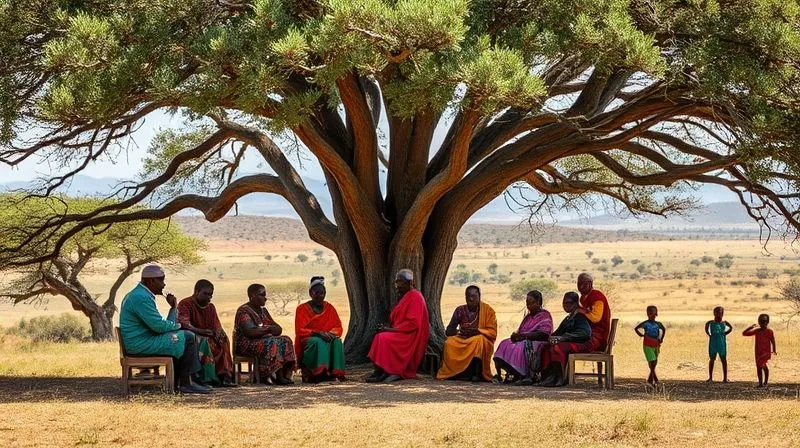
Consider the pioneering model of the Maasai Mara Conservancies in Kenya. Faced with increasing pressure on rangelands and wildlife, local Maasai landowners partnered with safari operators. Instead of selling off their land for agriculture, they lease it to conservancies, receiving a guaranteed income. Safari operators gain exclusive access to prime wildlife viewing areas, and a portion of their revenue directly funds conservation activities and community development projects. This model has led to significant wildlife recovery, improved community livelihoods, and a powerful sense of local ownership. It's a testament to how local economic benefit can drive conservation success.
Actionable Steps: Building Sustainable Local Economies
- Conduct a Livelihood Assessment: Understand existing economic activities, skills, and potential for new, conservation-compatible enterprises (e.g., beekeeping, traditional crafts, guiding).
- Co-Develop Enterprise Models: Work with the community to design businesses that leverage local resources and skills, ensuring fair trade practices and market access.
- Establish Benefit-Sharing Mechanisms: Clearly define how revenues generated from conservation-linked enterprises (e.g., eco-tourism, sustainable harvesting) will be distributed, ensuring transparency and equitable returns to the community.
- Capacity Building: Provide training in business management, marketing, financial literacy, and specific skills required for new enterprises.
Foundation 2: Diversifying Revenue Streams Through Eco-Tourism & Ethical Safaris
Eco-tourism, when done right, can be a powerful engine for conservation finance. It's about generating revenue from the very biodiversity you aim to protect, creating a direct economic incentive for its preservation. However, 'eco-tourism' is a term often misused; true eco-tourism adheres to strict ethical and environmental standards.
More Than Just Sightseeing: High-Value, Low-Impact Tourism
My philosophy on eco-tourism for remote projects centers on high-value, low-impact experiences. This isn't about mass tourism, which can often degrade the very environments it seeks to showcase. Instead, it focuses on smaller groups, longer stays, and immersive experiences that educate visitors and foster a deeper connection to nature. Think specialized birdwatching tours, photographic safaris led by expert naturalists, or research-based expeditions where guests contribute to scientific data collection. These experiences command higher prices, generating more revenue per visitor while minimizing ecological footprint.
Navigating Market Demands and Local Sensitivities
Success in eco-tourism requires a delicate balance. You must understand the market for responsible travel while respecting local cultures and ensuring community benefits. This means careful planning of infrastructure, employment of local staff, and adherence to cultural protocols. It's about creating an authentic experience that benefits both nature and people.
Expert Insight: "True eco-tourism doesn't just bring tourists to nature; it brings nature to tourists in a way that financially empowers its guardians and educates its admirers. Without direct financial benefit to conservation and local communities, it's just tourism with a greenwash."
To illustrate the potential of diversified eco-tourism, consider this breakdown:
| Revenue Stream | Contribution to Conservation (%) | Impact on Local Economy | Sustainability Rating |
|---|---|---|---|
| High-End Lodge Stays | 40% | High (jobs, local sourcing) | Excellent |
| Specialized Guided Safaris/Tours | 30% | Medium (guides, porters) | Very Good |
| Research Expeditions/Citizen Science | 20% | Low (specialized skills) | Good |
| Local Craft Sales/Cultural Experiences | 10% | High (direct income) | Excellent |
Foundation 3: Strategic Grant Acquisition and Donor Cultivation
While I advocate for diversification, grants remain a critical component of conservation funding, especially for initial setup costs or specific project phases. The key is to move from reactive grant-seeking to proactive, strategic grant acquisition and long-term donor cultivation.
Mastering the Art of Grant Proposals for Remote Projects
Grant writing for remote projects requires an emphasis on logistical planning, community engagement, and measurable impact. Funders want to see not just a compelling vision, but a practical, well-costed plan for execution in challenging environments. Highlight your team's on-the-ground experience, your partnerships with local communities, and your robust monitoring and evaluation frameworks. Focus on telling a compelling story that connects the local impact to global conservation goals.
Building Lasting Relationships with Philanthropic Organizations
Think beyond a single grant application. Philanthropic organizations and major donors are looking for trusted partners, not just projects. Invest time in building relationships, sharing updates (even outside of reporting cycles), and inviting potential donors to visit your remote sites. Transparency, consistent communication, and demonstrating tangible results are paramount. As The Chronicle of Philanthropy often highlights, long-term donor relationships are built on trust and shared vision.

Foundation 4: Corporate Partnerships and CSR Initiatives
The private sector holds immense potential for sustainable conservation funding. Companies are increasingly aware of their environmental and social responsibilities, and many are actively seeking meaningful ways to contribute through Corporate Social Responsibility (CSR) programs or direct partnerships.
Aligning Conservation Goals with Corporate Social Responsibility
The trick here is to find companies whose values and business operations align naturally with your conservation mission. For example, a tech company might be interested in funding projects that use drones or AI for monitoring, or a sustainable tourism operator might want to support habitat restoration in a region they operate in. The partnership should be mutually beneficial: you gain crucial funding and resources, and they gain credible, impactful CSR credentials that resonate with their customers and stakeholders. The UN Global Compact provides excellent frameworks for businesses to integrate sustainability into their operations.
Crafting Mutually Beneficial Partnerships
When approaching corporations, present a clear value proposition. What specific conservation outcomes will their investment achieve? How will this align with their brand narrative? Can you offer unique engagement opportunities for their employees or customers? Think creatively: perhaps a company could sponsor a specific anti-poaching unit, fund a research expedition, or contribute to sustainable community infrastructure. Transparency in reporting and clear communication about impact are essential to maintaining these partnerships.
Foundation 5: Innovative Finance Mechanisms – Impact Investing & Carbon Credits
Beyond traditional grants and corporate giving, the financial world is evolving, offering new avenues for conservation funding that blend profit with purpose. These mechanisms are particularly exciting for their potential to generate long-term, self-sustaining revenue.
The Rise of Impact Investing in Conservation
Impact investing involves investments made with the intention to generate positive, measurable social and environmental impact alongside a financial return. For conservation, this could mean investments in sustainable forestry, regenerative agriculture that protects adjacent habitats, or eco-tourism ventures that directly fund protected areas. The Nature Conservancy, for instance, has pioneered various impact investing funds specifically for conservation. As The Nature Conservancy demonstrates, these investments can provide patient capital for projects that deliver both ecological and financial dividends.
Unlocking Value from Natural Capital: Carbon Offsets and Biodiversity Credits
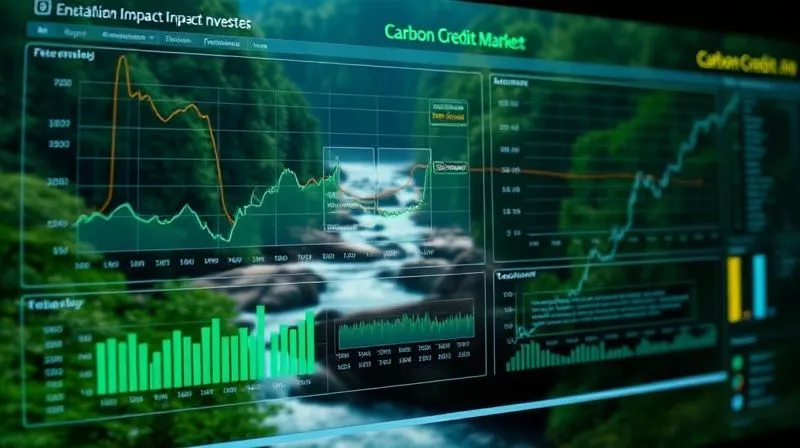
Remote ecosystems often sequester vast amounts of carbon or host irreplaceable biodiversity. These 'natural assets' can be monetized through mechanisms like carbon credits or emerging biodiversity credits. Projects that protect or restore forests (REDD+ initiatives), mangroves, or peatlands can generate verified carbon credits that are sold to companies seeking to offset their emissions. Similarly, biodiversity credits aim to put a financial value on the protection and enhancement of species and ecosystems. Navigating these markets requires specialized expertise in verification and compliance, but the potential for significant, long-term revenue is substantial.
Expert Insight: "The future of conservation finance lies in recognizing the inherent economic value of intact ecosystems. When we can quantify and monetize the services nature provides – from clean air and water to carbon sequestration – we create powerful new incentives for protection that can attract mainstream investment."
Foundation 6: Technology-Driven Fundraising & Global Crowdsourcing
The digital age has democratized fundraising, offering remote projects unprecedented access to a global audience. Leveraging technology effectively can significantly broaden your donor base and create new engagement opportunities.
Leveraging Digital Platforms for Wider Reach
Online fundraising platforms, social media, and compelling digital storytelling can connect your remote project with supporters worldwide. A well-crafted campaign, featuring high-quality visuals and powerful narratives, can inspire thousands to contribute. This is particularly effective for specific, tangible needs – 'fund a ranger's salary for a month,' 'buy a camera trap,' or 'support a community education program.' Regular, transparent updates on progress are crucial to maintaining donor trust and engagement.
Storytelling with Impact: Engaging a Global Audience
Remote projects often have incredible stories to tell – stories of endangered species, dedicated rangers, and resilient communities. Utilize high-quality photography, video, and written content to bring these stories to life. Show the raw beauty of the wilderness, the challenges faced, and the tangible victories achieved. Personalize the narrative, focusing on individual animals, rangers, or community members. Platforms like Instagram, YouTube, and dedicated blog posts can be incredibly powerful for this. As many successful campaigns demonstrate, compelling emotional connection drives donations. For best practices in digital fundraising, look to resources like the Stanford Social Innovation Review.
Foundation 7: Endowment Funds and Long-Term Financial Security
For true, perpetual sustainability, establishing an endowment fund is a gold standard. While challenging to build, an endowment provides a stable, long-term income stream that can weather economic fluctuations and ensure the project's continuity far into the future.
Building a Legacy: The Power of Perpetual Funding
An endowment is essentially a pool of donated assets invested to generate ongoing income. Only a portion of the investment earnings is spent annually, allowing the principal to grow over time. This provides a reliable, predictable source of funds for core operational costs, research, and emergency responses, freeing the project from the constant pressure of short-term fundraising cycles. It's about building a financial legacy that mirrors the ecological legacy you're striving for.
Structuring and Managing Conservation Endowments
Establishing an endowment requires careful legal and financial planning. It typically involves setting up a separate legal entity or partnering with an established foundation. Key considerations include investment strategies (balancing growth with risk), spending policies, and governance. While significant initial capital is needed, strategic fundraising campaigns targeted at major donors, foundations, and legacy giving can help build the principal over time. A common goal is to reach a size where the annual payout covers a significant portion of the project's core operating budget.
| Year | Initial Capital | Investment Return (5%) | Annual Spending (4%) | End-of-Year Principal |
|---|---|---|---|---|
| 1 | $1,000,000 | $50,000 | $40,000 | $1,010,000 |
| 5 | $1,150,000 | $57,500 | $46,000 | $1,161,500 |
| 10 | $1,350,000 | $67,500 | $54,000 | $1,363,500 |
Foundation 8: Government & Intergovernmental Funding Opportunities
While often complex to navigate, governmental and intergovernmental bodies represent substantial funding opportunities, particularly for projects aligned with national conservation priorities or international development goals.
Navigating International Aid and National Conservation Budgets
Many countries allocate budgets for environmental protection, biodiversity conservation, and sustainable development. Additionally, international development agencies (e.g., USAID, GIZ, DFID), multilateral banks (e.g., World Bank, African Development Bank), and global environmental funds (e.g., GEF, Green Climate Fund) offer significant grants and concessional loans. Accessing these funds often requires robust institutional capacity, adherence to strict reporting standards, and alignment with national policy frameworks. Building strong relationships with relevant government ministries and international agency representatives is crucial.
Advocacy and Policy Influence for Sustainable Funding
Beyond direct funding applications, conservation organizations can play a vital role in advocating for policies that create more sustainable funding mechanisms. This could include advocating for protected area budgets, environmental taxes, or policies that incentivize private sector investment in conservation. The IUCN (International Union for Conservation of Nature) is a prime example of an organization that influences policy at a global level to support conservation efforts.
Frequently Asked Questions (FAQ)
How can a small, remote project compete for large grants against established organizations? Small, remote projects can compete by focusing on niche funding opportunities, demonstrating unique local expertise and deep community trust that larger organizations may lack. Emphasize your agility, cost-effectiveness, and the direct, measurable impact you achieve on the ground. Partnering with a larger, more experienced organization for grant administration can also be a strategic move to build capacity and credibility. Always highlight the 'remote' aspect as a unique challenge you are successfully overcoming, often appealing to specific funders interested in frontier conservation.
What are the biggest risks of relying on eco-tourism for funding, especially for remote projects? The biggest risks include market volatility (e.g., pandemics, economic downturns), political instability, and the potential for negative environmental or social impacts if not managed carefully. Remote projects are particularly vulnerable to travel disruptions. To mitigate this, diversify your tourism offerings, build a strong brand reputation for resilience, maintain robust contingency funds, and ensure your eco-tourism model is genuinely low-impact and community-benefiting, making it more resilient to criticism and market shifts.
How do I convince local communities to embrace conservation-linked enterprises when traditional livelihoods are at risk? This requires genuine, participatory engagement. Start by understanding their needs, fears, and traditional knowledge. Demonstrate tangible, equitable benefits that surpass or complement traditional livelihoods. This might involve revenue sharing, direct employment, or access to resources (e.g., education, healthcare) funded by conservation efforts. Pilot projects, clear communication, and empowering local leaders to champion the initiatives are critical for building trust and long-term buy-in. It's a process of co-creation, not imposition.
What legal structures are best suited for managing diversified conservation funding streams? The ideal legal structure depends on your country's laws and the specific funding models. Typically, a registered non-profit organization (NGO) or charitable trust is suitable for receiving grants and donations. For eco-tourism or other enterprises, a separate for-profit entity or social enterprise model might be established, with profits legally channeled back to the non-profit for conservation. Consulting with legal and financial experts specializing in non-profit and international law is essential to ensure compliance and maximize financial efficiency.
How can technology help in monitoring the impact of funding in remote areas? Technology is a game-changer. Satellite imagery, drone surveillance, GPS tracking of wildlife and patrols, remote camera traps, and mobile data collection apps can provide real-time data on conservation outcomes. This data is invaluable for reporting to donors, demonstrating impact, and adapting strategies. It also enhances transparency and accountability, showing funders precisely how their investments are translating into tangible results on the ground, even in the most remote locations.
Key Takeaways and Final Thoughts
Funding remote wildlife conservation projects sustainably is not a singular challenge but a multifaceted endeavor demanding creativity, resilience, and a deep understanding of both ecological and economic principles. My journey in this field has taught me that the most successful projects are those that move beyond a single source of funding, embracing a diversified portfolio that builds resilience and fosters local ownership.
- Diversify Your Portfolio: Never rely on a single funding stream. Blend grants, eco-tourism, community enterprises, corporate partnerships, and innovative finance.
- Empower Local Communities: Sustainable funding is intrinsically linked to local livelihoods and ownership. Invest in community-based solutions.
- Innovate and Adapt: Explore new financial mechanisms like impact investing and carbon credits. Leverage technology for fundraising and impact monitoring.
- Build Relationships, Not Just Projects: Cultivate long-term trust with donors, partners, and local stakeholders through transparency and consistent impact demonstration.
- Plan for the Long Term: Work towards endowment funds and stable revenue streams that ensure perpetual conservation efforts.
The challenges of remote conservation are immense, but so too is the potential for innovative solutions. By adopting these strategies, you can transform your project from a precarious venture into a self-sustaining force for good, safeguarding our planet's most precious biodiversity for generations to come. Your dedication to wildlife deserves a financial model that is as resilient and enduring as the wilderness you strive to protect.
Recommended Reading
- Train Delays & Tight Connections: Your 6-Step Guide for Unknown Stations
- Justify Northern Lights Executive Incentives: 7 ROI Strategies
- Maximize Language Gain: 7 Strategies for Short Cultural Trips
- 7 Proven Strategies to Attract High-Paying Clients for Luxury Meditation Getaways
- Remote Work & Couchsurfing: 7 Ways to Guarantee Quiet Focus




Your email address will not be published. Required fields are marked *